GORE-TEX WINDSTOPPER

Archive for the ‘Air Force’ Category

Air Force Delays Mandatory Wear-Date for OCP items, 2PFDU

Friday, May 29th, 2020

JOINT BASE SAN ANTONIO-RANDOLPH, Texas (AFNS) —

In an effort to reduce unnecessary stress on Airmen and Space professionals during COVID-19 restrictions, several uniform changes scheduled to become mandatory for the Operational Camouflage Pattern and Two-Piece Flight Duty Uniform (2PFDU) on June 1, have been delayed to Sept. 1.

The changes for each uniform are detailed in Air Force Instruction 36-2903, “Dress and Appearance of Air Force Personnel.” Mandatory wear of the Operational Camouflage Pattern Uniform remains April 2021.

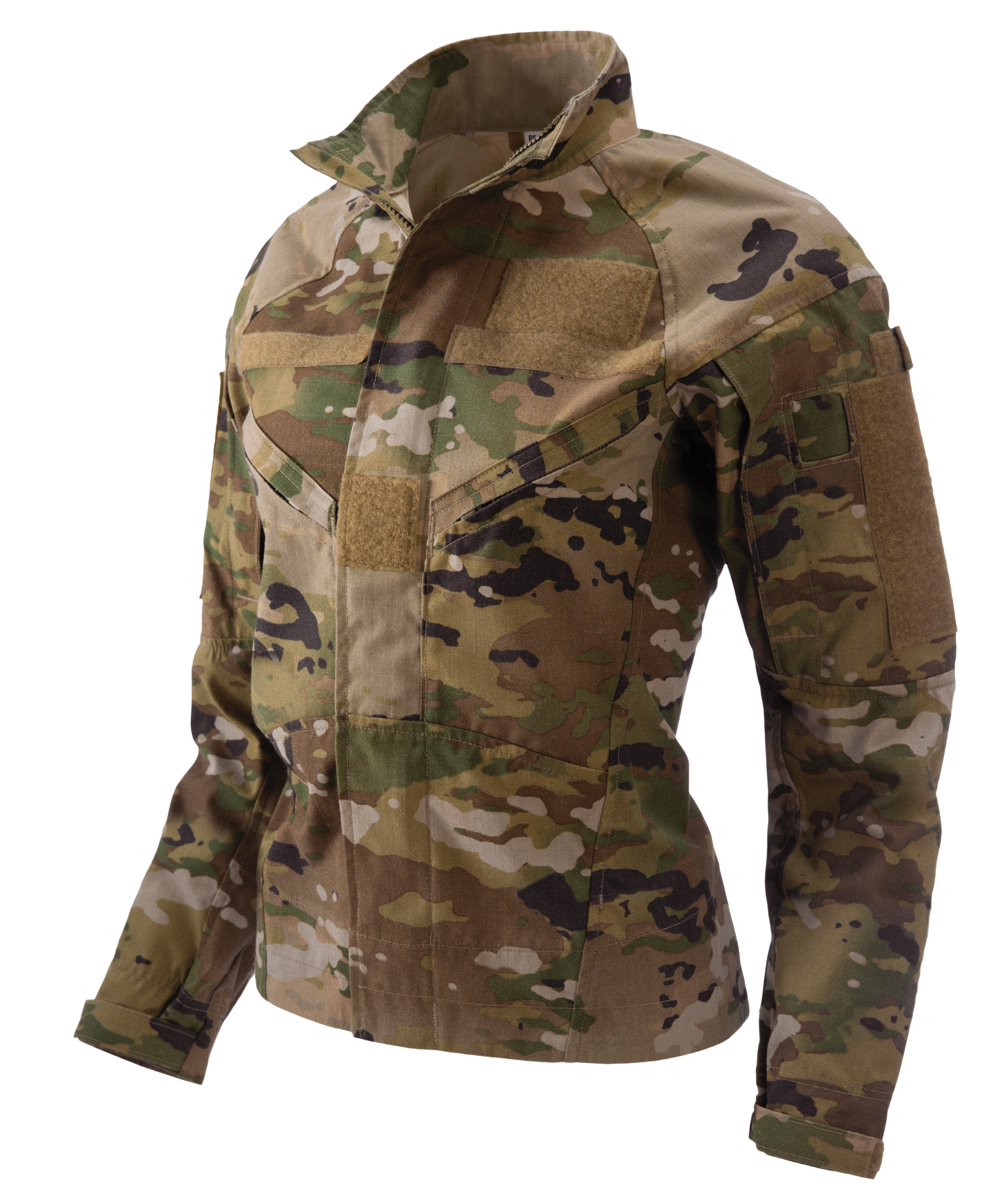
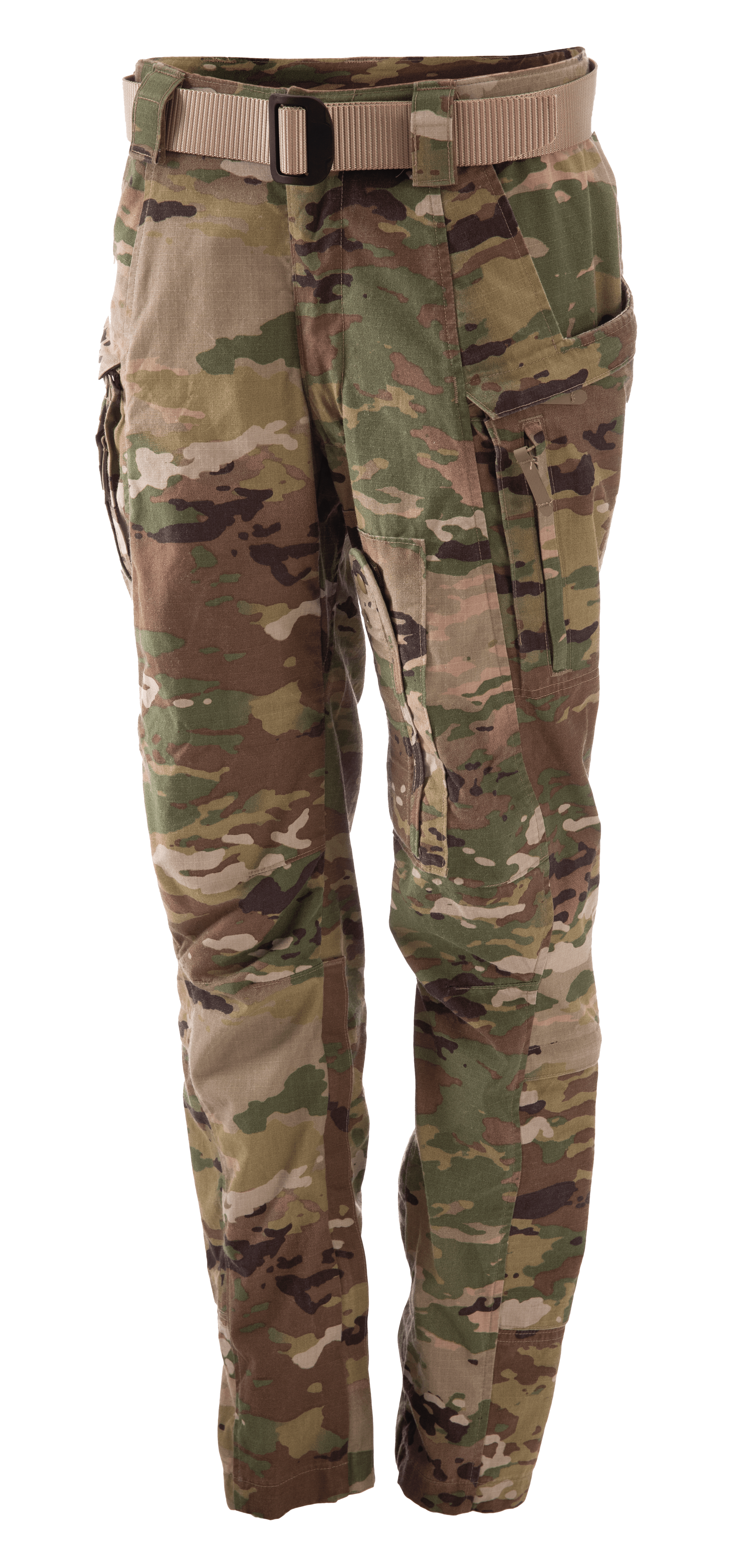
The changes that become mandatory on Sept. 1 for the OCP include:

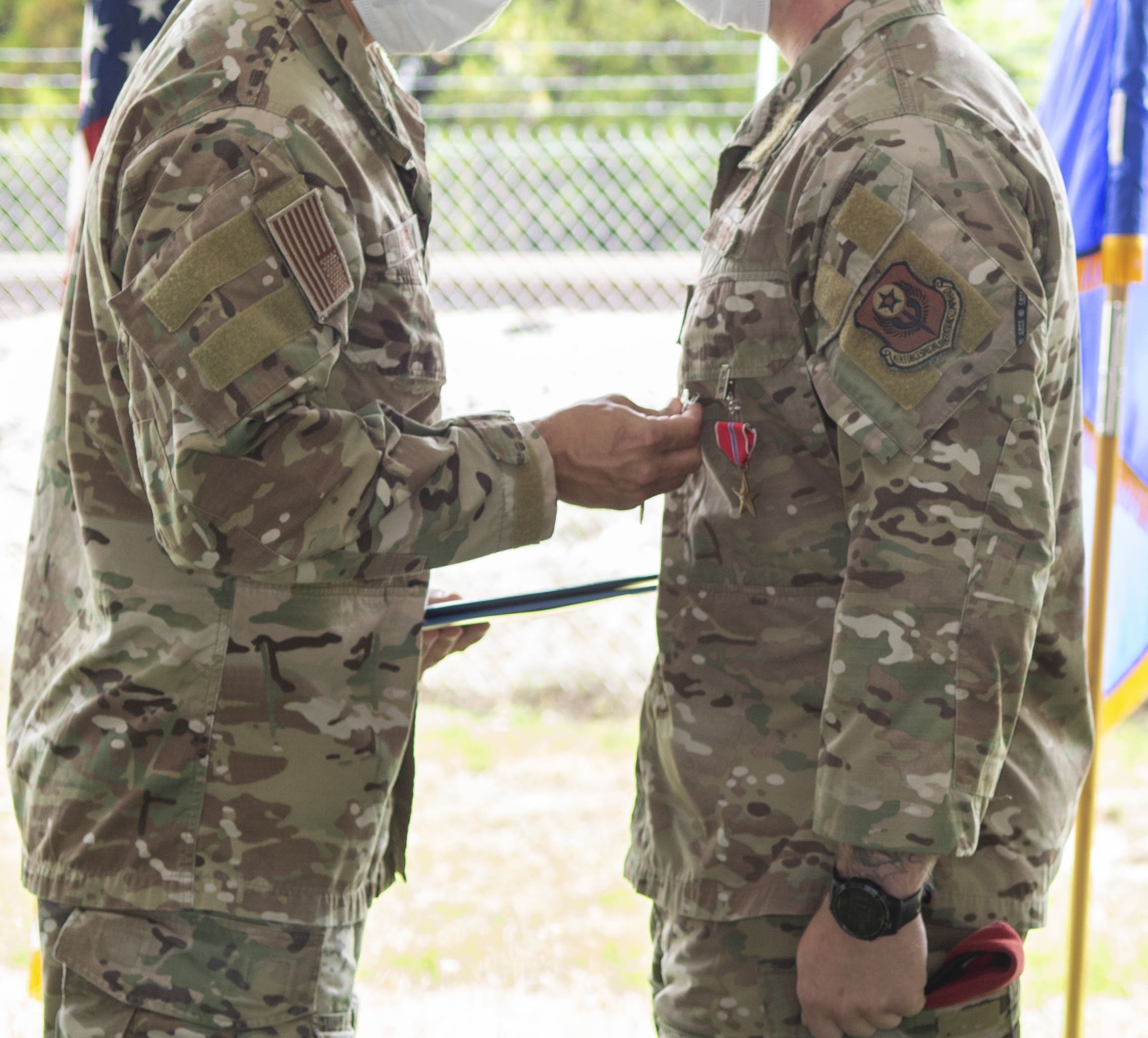
– Officer rank insignia will be spice brown (exception: first lieutenant and lieutenant colonel rank insignia will be black).

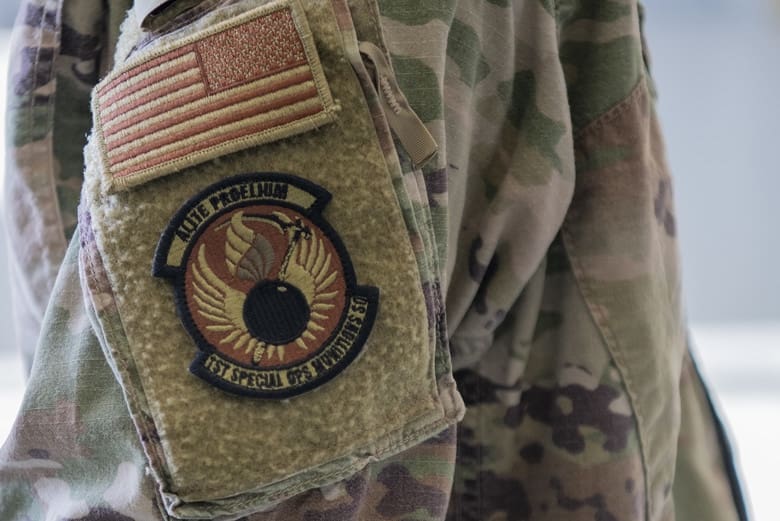
– The U.S. flag patch will be mandatory and the only authorized color is spice brown (cloth). Airmen will wear the flag while in garrison and deployed. Infrared U.S. flags are not authorized.

– The authorized T-shirt color will be coyote brown (listed as Tan 499 per AAFES nomenclature) only. If purchasing coyote brown shirts from outside retailers, uniformed members should ensure the color matches the authorized coyote brown color (Tan 499).

– The authorized socks will be DLA-issued green socks or coyote brown only.

– The authorized boot color will be coyote brown only. The two exceptions are for Airmen with a medical condition as determined by medical authorities at a civilian or military treatment facility and approved by the commander, and those who must wear black combat boots in industrial areas.

The changes that become mandatory on Sept. 1 for the 2PFDU include:

– All mandatory wear badges must be in place.

– The cloth U.S. flag will be the spice brown color only.

– The authorized socks will be DLA-issued green socks or coyote brown only.

– The authorized boot color will be coyote brown only.

– The only authorized color for thermal undergarments will be coyote brown.

For more information, please review Air Force Instruction 36-2903, “Dress and Appearance of Air Force Personnel,” or visit www.afpc.af.mil/Career-Management/Dress-and-Appearance.

By SSgt Sahara L. Fales, Air Force Personnel Center Public Affairs

USAF Holds Basic Military Training at Second Location, Keesler AFB

Friday, May 29th, 2020

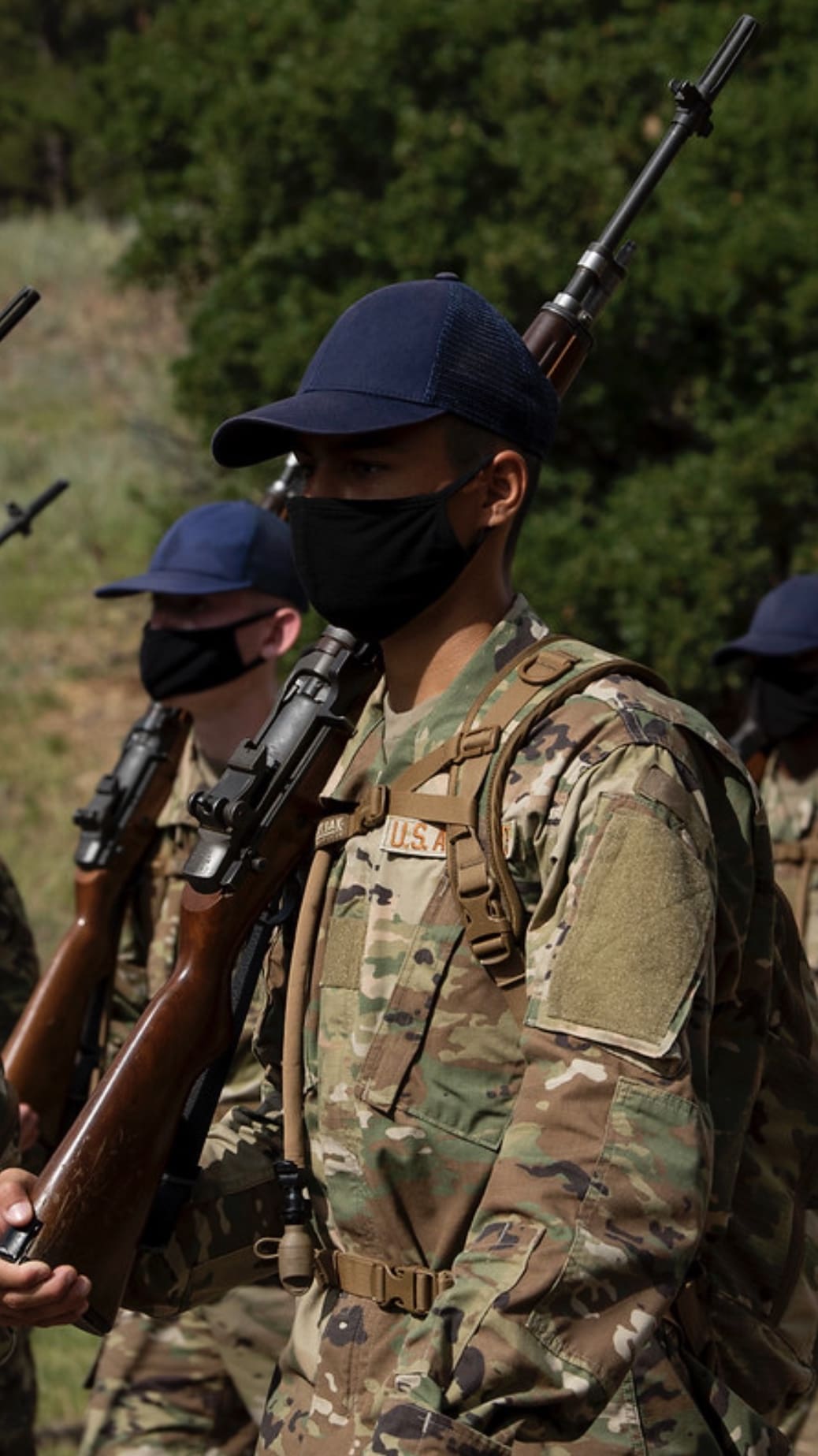
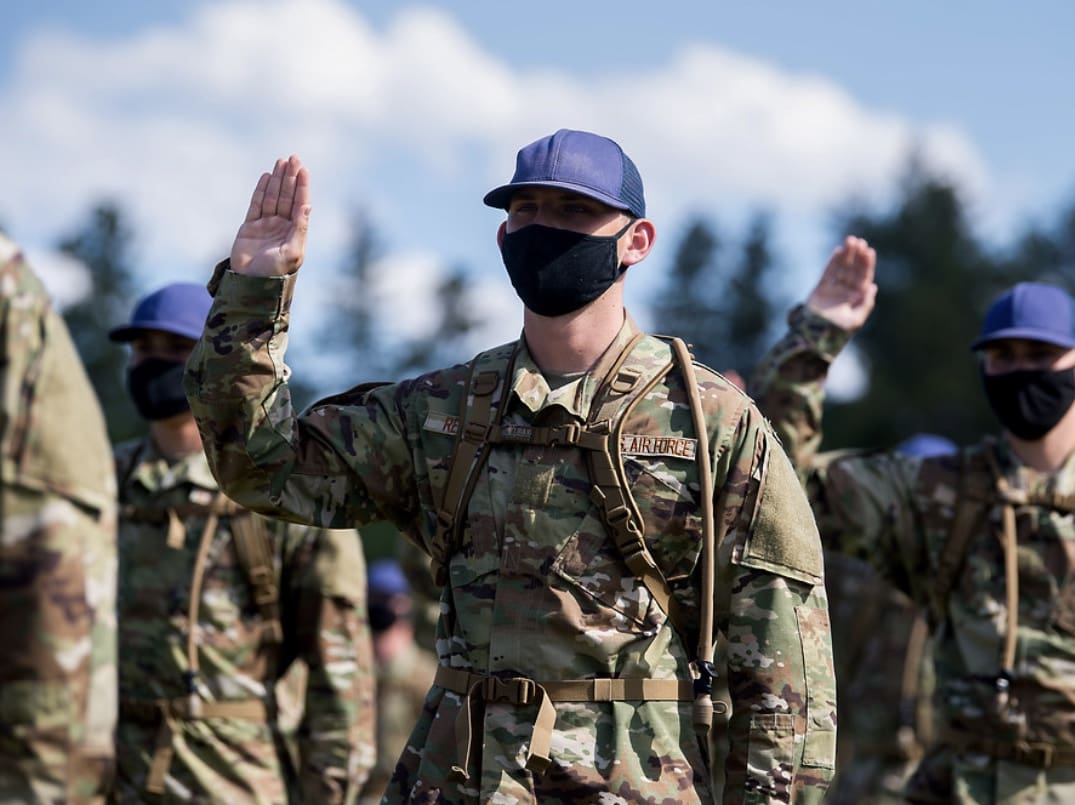
The US Air Force has extended Basic Military Training at a secondary location until the end of COVID-19 surge operations after a successful proof-of-concept trial run at Keesler Air Force Base, Mississippi, which began April 7.

Beginning June 2, the next Keesler BMT class will be held there under Detachment 5 of the 37th Training Wing at Joint Base San Antonio-Lackland, Texas.

USAF BMT also supports the US Space Force with basic training for its new enlisted recruits in addition to those from the active USAF, Air Force Reserve and Air National Guard.

Until the end of the surge, 60 new recruits from across the total force will undertake six weeks of BMT. The shortened requirement, down from 8 1/2 weeks, is due to the physical layout of the BMT area, the small number of recruits and a surge schedule, which trains Airmen 10 hours per day, six days a week, versus the notmal eight hours per day.

“This capability was a deliberately-developed option to disperse the delivery of BMT during contingencies to provide surge capacity and introduce agility in the training pipeline construct,” said Maj Gen Andrea Tullos, 2nd Air Force commander. “This move also helps ensure the health and safety of our trainees and instructors by allowing proper safety controls, like physical distancing and deep cleaning.”

The location was chosen because Keesler AFB is home to the 81st Training Wing where so many technical training schools exist. Newly accessed AF trainees won’t be exposed to potential infection during travel from BMT to tech school. Consequently, most of those attending BMT at Keesler will be those who will remain at the base for further training.

Although Keesler AFB BMT is a contingency option and is not designed to be implemented longer than 180 days, it may be kept in place for longer periods, if required.

Mandatory OCP Uniform Date Looms for USAF

Tuesday, May 26th, 2020

Effective June 1, 2020, the following items will be required when wearing the Operational Camouflage Pattern utility uniform in the Air Force: coyote brown boots, coyote brown T-shirt, U.S. Flag spice brown color criteria, spice brown officer rank, and green or coyote brown socks. As the deadline approaches, Airmen are encouraged to begin purchasing these items if not already owned. (U.S. Air Force graphic by Airman Amanda Lovelace)

AFRL Adapts PJ Tactics for COVID-19 Monitoring

Sunday, May 17th, 2020

WRIGHT-PATTERSON AIR FORCE BASE, Ohio – The Air Force Research Laboratory is leveraging tactics from the Air Force pararescue (PJ) community, employing a new tool that can monitor multiple patients’ vital signs, helping to alleviate the lean doctor-to-patient ratio that many medical facilities are facing amidst COVID-19.

“One of the struggles doctors and nurses are having in highly-affected hospitals right now is similar to what PJs deal with—a high ratio of patients assigned to a low ratio of medical personnel,” said Dr. Greg Burnett, Airman-Machine Integration Product Line lead in AFRL. “Add in the contagion element, and our team saw the emergent need to adapt our medical monitoring tool for widespread use so that multiple patients could be cared for remotely.”


So Burnett and his team have been hard at work adapting this agile technology, originally developed for PJs to use down range, for hospitals and other health care facilities so they too can monitor the vitals of more patients.

The solution is a medical monitoring tool called the Battlefield Assisted Trauma Distributed Observation Kit, or BATDOK. The original version of this tool has been under evaluation by military medics for about four years and was deployed operationally about a year ago. Developed in AFRL’s 711th Human Performance Wing, it is a smartphone-based medical information software tool that can take in sensor data for real-time health-status monitoring for multiple patients. The team has made improvements along the way to this Android application with the help of direct feedback from operators down range using the device.

This adapted version, however, removes the combat casualty care aspects of the medical monitoring tool, said Burnett, but still allows for the remote monitoring sharing of patient vitals and secured networked data dissemination. These features can help prepare doctors and nurses as they work to maintain situational awareness over multiple patients—while also working to maintain their own health and safety.

But with this newer, more streamlined vital-monitoring version of BATDOK, the AFRL team will collaborate and receive direct feedback from their new customers—healthcare providers at the Wright-Patterson Medical Center. AFRL began the first of three phases of testing with BATDOK at the base medical center in mid-April.

This first phase involves comparing data of a single patient who has agreed to have vitals monitored using both traditional methods as well as using BATDOK. The time required for each phase is unknown, but each phase will have increased patients and providers.

“Clinical practice guidelines for patients infected with COVID-19, released by the Department of Defense and the Defense Health Agency, strongly recommend continuous oxygen monitoring,” said Dr. Roger Shih, WPMC Internal Medicine director.

Shih said the ability to monitor multiple patients remotely also alleviates the need for medical personnel to change out personal protective equipment (PPE) for individual patient checks.

BATDOK’s tablet interface is user-friendly, Shih explained, and the software is straightforward and intuitive. It allows a single provider to monitor up to two dozen patients with real-time monitoring of their oxygen saturation and pulse.

The BATDOK team’s software development co-leads, 2nd Lt. Matthew Dickinson and 2nd Lt. Corey Mack, discussed how the data moves remotely.

“Monitoring the patients remotely is done through a sensor embedded in the pulse oximeter that is placed on the patient’s finger,” said Dickinson.

Mack added that the sensor transmits vitals remotely to tablets or to workstations that the nurses or other healthcare providers can then monitor.

From a nursing perspective, traditional practice is for the nurses to go to a single location, a telemetry station, to observe the patient’s heart rate, respiratory rate and oxygen saturation, explained Maj. Gary Webb, WPMC Medical Surgical Unit flight commander.

But with BATDOK, which is used through an app on a cell phone, Webb explained that nurses can monitor their patients wherever they are on the unit.

“The benefit of this,” Webb said, “is that if an alarm is going off, the nurse can immediately look at the BATDOK app to see which alarm has sounded and address it. It saves much needed time in this situation.”

All-in-all, BATDOK could allow Wright-Patterson Medical Center to rapidly scale up their ability to perform continuous oxygen monitoring for patients infected with COVID-19, while also keeping staff safer and decreasing use of PPE, said Shih.

The AFRL team, some who have family members in the hardest hit areas of this pandemic, are honored to put their skills to good use.

“It means a lot to the BATDOK team to be able to do our part in stemming the tide of the COVID-19 pandemic,” explained Mack. “Working directly with those who need and use the technology we build has always been a driving factor behind the success of BATDOK. So when we heard there was a need during this crisis, we started working on potential solutions.”

Story by Gina Marie Giardina, Air Force Research Laboratory

Photo by Wesley Farnsworth

DAF ACT Contracting Executes N95 Mask Production for DoD

Tuesday, May 12th, 2020

The Department of the Air Force’s Acquisition COVID-19 Task Force (DAF-ACT) executed a $126 million contract on May 1 for expanded production of N95 masks—26 million per month—starting in October. The contract, awarded to 3M, will increase the supply chain of N95 masks and resupply the Strategic National Stockpile following increased demand due to COVID-19.

Coordinated through the Office of the Under Secretary of Defense for Acquisition and Sustainment Joint Acquisition Task Force (JATF), and funded through the CARES Act, the contract increases N95 mask production by at least 312 million within the next twelve months. 

A team of contracting officers at the Air Force Life Cycle Management Center, Wright Patterson Air Force Base, Ohio, finalized the deal.

“As an Air Force contracting professional, it’s always a great feeling when you are able to help secure a critical investment in U.S. manufacturing capacity for items that will serve a greater good,” said Nathan Shrider, AFLCMC contracting officer. “It’s an honor to serve with such a dedicated team that is making a difference.”

3M has already placed orders for raw material and two new N95 manufacturing lines. To meet increased production capacity, 3M plans to expand its facility in Aberdeen, South Dakota, and also perform initial production in Wisconsin.

“The Air Force is pleased to execute recent contracts to expand N95 mask production for our nation,” said Dr. Will Roper, the Assistant Secretary of the Air Force for acquisition, technology, and logistics. “Our past initiatives to empower our acquisition workforce and to accelerate programs have put us in a good position to respond to the present crisis with speed and agility. We are proud to be an important part of the solution.”

Roper established the DAF-ACT across the service’s acquisition enterprise to execute requirements from the JATF and to collect and consolidate funding requests needed to recover programs from COVID-19 impacts.

“Our acquisition management and contracting professionals are working seamlessly as part of a whole-of-government response and with industry to ensure we effectively and expeditiously align resources with requirements,” said Maj. Gen. Cameron Holt, DAF-ACT director. “Our team is proud to support critical acquisition efforts that will continue to fortify our nation’s supply chain and resilience.”

Amid COVID-19, 673d MDSS Airmen Innovate Added Layer of Protection

Saturday, May 2nd, 2020

JOINT BASE ELMENDORF-RICHARDSON, Alaska

Two 673d Medical Support Squadron (MDSS) Airmen refined their invention of a plastic barrier to protect medical providers treating patients with COVID-19, and airborne diseases in general, at Joint Base Elmendorf-Richardson, Alaska, April 7, 2020.

U.S. Air Force Senior Airman Michael Shoemaker, 673d MDSS biomedical equipment technician, and U.S. Air Force Staff Sgt. Andrew Taylor, 673d MDSS medical logistics noncommissioned officer in charge of acquisitions, designed and built a polycarbonate plastic enclosure to place over a patient’s head and upper torso with access for treatment via two holes at the head of the enclosure for a physician’s hands and arms, and two side doors for additional access.

“Ultimately, we wanted to create a mobile isolation room that could contain an infectious disease,” Shoemaker said. “This enclosure provides an extra layer of protection for medical staff because aerosol droplets can’t pass through it.”

Shoemaker said he got the idea after seeing the large, bubble-like ventilators medical providers in Italy and New York were using to treat patients with COVID-19. The ventilators had sufficient space around a patient’s head for a physician to reach inside and treat the patient from outside the barrier.

Shoemaker shared his idea for a sturdy, plastic barrier that could surround a patient’s head and upper torso with MDSS leadership, using a cardboard box for a visual. He said his leadership immediately gave him the go-ahead to build a prototype, and Taylor came on board to help with supplies and construction.

Taylor and Shoemaker built an acrylic prototype that same day, then invited medical professionals from infection control, respiratory therapy and anesthesiology to provide feedback and suggestions for improvements. A paramedic also intubated a medical manikin under the enclosure to assess its practicality.

“It was really cool to see the whole team excited about the idea, looking at the capability it could provide,” Shoemaker said. “Everybody was onboard. They pointed out shortfalls in the initial design and what we needed to change. For example, curving the front so there wasn’t a seam on the viewing platform, and making sure there were doors on the sides so medical technicians could support the physician.”

“Their recommendations made this enclosure a lot more functional than we originally anticipated,” Taylor said. “It could be used for more than the current situation with COVID-19. It could be used for almost any medical procedure needing an extra barrier for protection.”

To create the enclosure, polycarbonate plastic panels are cut with a waterjet, so they fit together almost like a puzzle. Thin brackets and rivets secure the panels together, and clear silicone seals the seams. The team is also working to create a single panel that can be folded into shape using heat, eliminating the need for brackets and rivets.

“It’s simplicity allows it to be quickly cleaned and sterilized after each use and ready for another patient in five to 10 minutes,” Taylor said.

“Working with the base innovation lab and the staff at the medical group, we’ve created something significant,” Shoemaker said. “If this is adopted and we’re able to make this a kit that can be sent out, it will outlast COVID-19 and go to any medical group with a need for it.”

In less than a week, with help from the 673d Medical Group, the JBER Innovation Lab and support from across the installation, these two Airmen created a functioning, potentially life-saving device.

By Airman 1st Class Samuel Colvin | 673 ABW/PA

US Air Force Creates New AFSC for Special Warfare Officers

Thursday, April 30th, 2020

ARLINGTON, Va. (AFNS) —

The Air Force consolidated and transitioned officers of Air Force Special Warfare to a new Air Force specialty code to increase resourcing, improve talent management and enhance deployment capabilities.

Effective April 30, special tactics, tactical air control party and combat rescue officers will transition from the command and control AFSC, 13XX, to the new AFSPECWAR officer AFSC, 19ZXX.

“The creation of a cadre of officers steeped in joint leadership and trained to lead the full spectrum of AFSPECWAR conventional and special operations missions will streamline accession, selection and common skills training,” said Col. Thomas Palenske, director of the AFSPECWAR directorate at the Pentagon. “These officers will share a common assessment and selection standard with a heightened benchmark for leadership capabilities to prepare them as next-generation leaders for the AFSPECWAR enterprise.”

The 19ZXX AFSC includes three shred-outs:

– Special tactics (19ZXA): Leads special operations forces conducting global access, precision strike and personnel recovery operations across all domains to support the joint force commander.

– Tactical air control party (19ZXB): Leads combat air forces and SOF conducting precision strike, the application and integration of joint fires and all-domain command and control operations to support the JFC.

– Combat rescue (19ZXC): Leads personnel recovery and SOF conducting personnel recovery operations to report, locate, support, recover and reintegrate isolated personnel across all domains to support the JFC.

All administrative systems such as MilPDS are expected to automatically update by May 1.

The transition to the new AFSC will be a direct conversion with no additional training required. While differences between special tactics, TACP and combat rescue officer training and development exist today, the development of a new 19Z assessment and selection process will create core standards for future special warfare officers.

“Upon the establishment of the 19Z officer training and developmental processes, every AFSPECWAR officer will exercise the unique competencies: ‘mission command’ culture, advanced combat skills, ground maneuver warfare expertise, air-mindedness and all-domain warfare capabilities,” said Col. Mark McGill, AFSPECWAR deputy director and officer career field manager. “They should see greater opportunities to serve in different positions across the Air Force and will serve the greater AFSPECWAR enterprise together.”

AFSPECWAR is the Air Force’s premier ground force that specializes in air, ground, space and cyber integration in hostile, denied or politically sensitive environments to achieve all-domain dominance. Officers in these career fields are charged with leading, organizing, training and equipping the special tactics teams, TACP and Guardian Angel weapon systems, which collectively execute global access, precision strike and personnel recovery operations.

The development and implementation of the new AFSC is a continuation of efforts to empower AFSPECWAR to be the elite and ready ground force the Air Force needs to dominate the air, space and cyber domains. In October 2019, enlisted members transitioned to new AFSCs that identify and categorize the AFSPECWAR operator, enabler and support specialties.

“The Department of the Air Force is modernizing to connect the joint force so we can more seamlessly integrate as a joint team,” Palenske said. “This transformation strengthens the connective tissue between AFSPECWAR Airmen enabling them to integrate the unique capabilities of the Air Force into an even more lethal, joint all-domain fighting force.”

Special Tactics Airmen Support Vital Training, Maintain Readiness Through COVID-19

Wednesday, April 29th, 2020

Special Tactics Airmen from the 23rd Special Tactics Squadron filled in to conduct interoperability training with the 14th Weapons Squadron assigned to the U.S. Air Force Weapons School detachment at Hurlburt Field, Florida for a Special Operations Force Exercise on April 22, 2020.

“The recent training event was done in conjunction with the 14th Weapons Squadron as part of their curriculum to produce Weapons Officers from various aircraft in [Air Force Special Operations Command].,” said Maj. Blake Jones, director of operations for the 23rd STS. “Their scenarios and full mission profiles necessitate the role of ground force as they train to conduct and support airfield seizures, non-combatant evacuations, hostage rescues and counter weapons of mass destruction operations. The 23rd STS picked up this great training opportunity after COVID-19 travel restrictions prevented other units from participating as planned.”

The exercise is a part of the 14th WPS’ demanding five and a half month syllabus exposing students to a wide range of joint special operations and combat air force capabilities. Being able to move forward with the training allowed the iteration of Weapons School students to stay on track with their training timeline.

“Our students require close interaction with skilled ground forces throughout their training to graduate them as the recognized experts in [Special Operations Forces] and [Combat Air Forces] integration,” said. Lt. Col. Jacob Duff, 14th WPS director of operations. “Our planned training partners, a different Special Tactics Squadron and multiple Army Special Forces units, were unable to travel to Hurlburt and the 23rd STS immediately stepped in to fill that gap. Without them, it would have been significantly more difficult to meet our training objectives and graduate the newest class of SOF Weapons Officers and enlisted Advanced Instructors.”

The SOFEX also provided a unique opportunity for local Special Tactics Airmen to conduct multifaceted training with a volume of aviation assets otherwise not easily replicated outside of a larger exercise. 

“Our recent participation allowed us to evaluate individual personnel and conduct training in mission planning, tilt-rotor assault, airfield seizure, landing zone establishment and control, terminal attack control, close quarters combat, personnel recovery and battlefield trauma care,” said Jones. “This was important because it gave many junior enlisted and junior officer [Special Tactics] personnel a crucial repetition mission planning with some of the best aviators in AFSOC as well as the opportunity to execute, work through contingencies and lead in a high-fidelity scenario.”

The units not only trained on the necessary skill sets needed to conduct a wide-range of special operations missions, increase lethality and maintain joint warfighting capabilities, but they were also tested on their ability to plan complex missions amidst COVID-19 preventative measures.

“The combat capabilities we are tasked to provide are not changing, but the constraints are different now so we must adapt,” said Jones. “We are adapting how we train, but also adapting how we resource and plan that training over teleconferences and web-based planning applications.”

In addition to reducing in-person mission planning, Special Tactics Squadrons have implemented several techniques to maintain readiness while keeping health of operators at the forefront, including sanitizing equipment, using face coverings when needed, conducting internal evaluations on prioritization of missions, staffing smaller training groups and taking advantage of local training opportunities.

“Stopping all training is not a feasible course of action because the second and third order effects months down the line are far too costly in terms of readiness,” said Jones. “Our squadron commits and deploys personnel operationally year-round, so we focused on ensuring we are still on track to field combat ready forces on time.” 

Special Tactics is U.S. Special Operations Command’s tactical air and ground integration force, and the Air Force’s special operations ground force, leading global access, precision strike, personnel recovery and battlefield surgery operations.

Story by 1st Lt. Alejandra Fontalvo, 24th Special Operations Wing Public Affairs

Photos by Staff Sgt. Rose Gudex