SIG SAUER - Never Settle

Archive for the ‘Guest Post’ Category

7th Annual Whiskey & War Stories “Operation Acid Gambit” on 4 June, 2022 in Scottsdale

Tuesday, March 15th, 2022

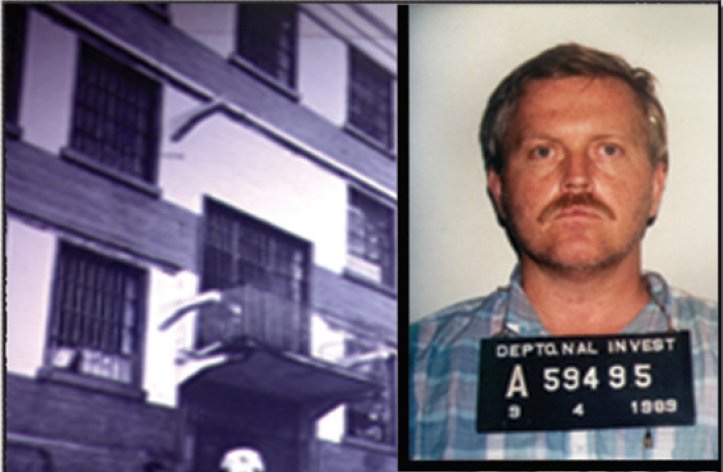
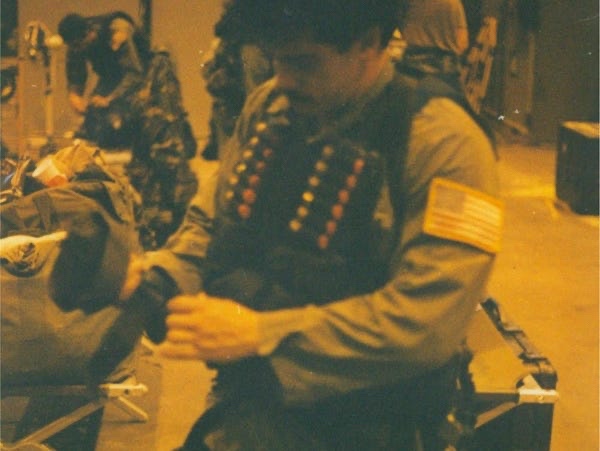
The Silent Warrior Foundation would like to announce their next Whiskey & War Stories™, “Operation Acid Gambit”, to be held at the Scottsdale Resort at McCormick Ranch, Scottsdale, Arizona on June 4th, 2022.

Today is the 32nd Anniversary of the first successful hostage rescue by “The Unit” which was conducted on December 20, 1989.


The Silent Warrior Foundation will host participants of Operation Acid Gambit including:  

Kurt Muse 

Annie Muse 

Kimberly Muse 

COL Jim Ruffer, USAF, Ret. 

CWO4 James Dietderich, USA, Ret.  

MSGT Larry Vickers, USA, Ret. 

SGM Kelly Vendon, USA, Ret.  

SGM Steve Dawson, USA, Ret.  

Special auction items are being prepared relating to the operation, including two period correct clones of 1989-era Unit weapons, including a Colt 723 clone with period correct Aimpoint and a custom 1911 with 1989-era features. A shooting adventure package is also being constructed involving MD helicopters and Dillon Aero for the auction.

Individual tickets and table sponsor tickets are on sale now at:

7th Annual Whiskey & War Stories | Auction Frogs (afrogs.org)

Individual tickets are $175 per person

Patriot Tables are $3750

Freedom Tables are $5500

To book rooms at the resort for the event ( A Daily Resort Charge WILL NOT BE ADDED )

TMS Tuesday – The M.A.R.C.H Algorithm – Respiration

Tuesday, March 15th, 2022


The MARCH algorithm is laid out differently from Advanced Trauma Life Support (ATLS) which used Airway, Breathing, and Circulation (ABC’s) as the order of treatment. MARCH stands for Massive Hemorrhage, Airway, Respiration, Circulation, Hypothermia/Head injury. Respiration consists of penetrating thoracic trauma.

When it comes to penetrating thoracic trauma, it is important to systematically check the entire torso for wounds, from the umbilicus to the clavicle, including the axillae and any folds of skin. Medics often use a raking motion in opposite or off angle directions to assist in identifying difficult to see or smaller wounds.

An open chest wound, sometimes referred to as a “sucking chest wound”, will trap air in the chest, creating a pneumothorax. If too much air builds up, it will create enough pressure to become a tension pneumothorax, which can lead to decreased function in the non-injured lung and heart and could lead to death.

According to the Committee on Tactical Combat Casualty Care, assessing and treating tension pneumothorax should progress as follows:

Suspect a tension pneumothorax and treat when a casualty has significant torso trauma or primary blast injury and one or more of the following:

• Severe or progressive respiratory distress

• Severe or progressive tachypnea

• Absent or markedly decreased breath sounds on one side of the chest

• Hemoglobin oxygen saturation < 90% on pulse oximetry

• Shock

• Traumatic cardiac arrest without obviously fatal wounds

If not treated promptly, tension pneumothorax may progress from respiratory distress to shock and traumatic cardiac arrest.

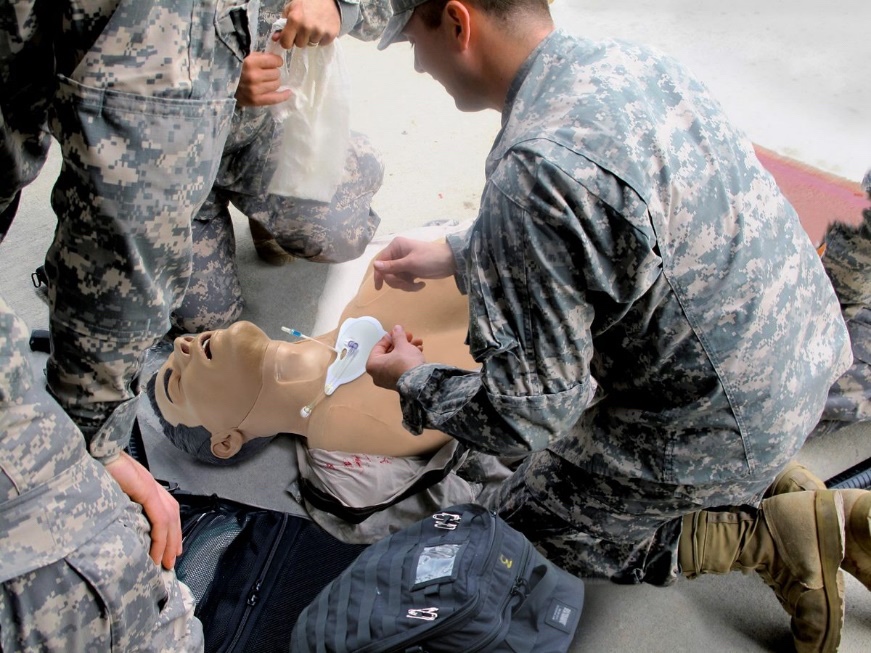
All open and/or sucking chest wounds should be treated by immediately applying a vented chest seal to cover the defect. If a vented chest seal is not available, use a non-vented chest seal. If you must use a non-vented chest seal, then you must be vigilant in continued patient assessment, as air from the damaged lung may continue to build up inside the chest. For the layperson, this means “burping” the dressing to release air. For providers, this means needle decompression, finger thoracotomy, or tube thoracostomy.

Initial treatment of suspected tension pneumothorax:

• If the casualty has a chest seal in place, burp or remove the chest seal.

• Establish pulse oximetry monitoring.

o All individuals with moderate/severe TBI should be monitored with pulse oximetry. Readings may be misleading in the settings of shock or marked hypothermia.

• Place the casualty in the supine or recovery position unless he or she is conscious and needs to sit up to help keep the airway clear as a result of maxillofacial trauma.

• Decompress the chest on the side of the injury with a 14-gauge or a 10-gauge, 3.25-inch needle/catheter unit.

• If a casualty has significant torso trauma or primary blast injury and is in traumatic cardiac arrest (no pulse, no respirations, no response to painful stimuli, no other signs of life), decompress both sides of the chest before discontinuing treatment.

o Either the 5th intercostal space (ICS) in the anterior axillary line (AAL) or the 2nd ICS in the mid-clavicular line (MCL) may be used for needle decompression (NDC.)  If the anterior (MCL) site is used, do not insert the needle medial to the nipple line.

o The needle/catheter unit should be inserted at an angle perpendicular to the chest wall and just over the top of the lower rib at the insertion site. Insert the needle/catheter unit all the way to the hub and hold it in place for 5-10 seconds to allow decompression to occur.

o After the NDC has been performed, remove the needle and leave the catheter in place.

The NDC should be considered successful if:

• Respiratory distress improves, OR

• There is an obvious hissing sound as air escapes from the chest when NDC is performed (this may be difficult to appreciate in high-noise environments), OR

• Hemoglobin oxygen saturation increases to 90% or greater (note that this may take several minutes and may not happen at altitude), OR

• A casualty with no vital signs has return of consciousness and/or ` radial pulse.

If the initial NDC fails to improve the casualty’s signs/symptoms from the suspected tension pneumothorax:

• Perform a second NDC on the same side of the chest at whichever of the two recommended sites was not previously used. Use a new needle/catheter unit for the second attempt.

• Consider, based on the mechanism of injury and physical findings, whether decompression of the opposite side of the chest may be needed.

• Continue to re-assess!

If the initial NDC was successful, but symptoms later recur:
Perform another NDC at the same site that was used previously. Use a new needle/catheter unit for the repeat NDC.

• Continue to re-assess!

If the second NDC is also not successful:

• Continue on to the Circulation section of the TCCC Guidelines.

These recommendations are from the TCCC Guidelines which can be found at: www.deployedmedicine.com/content/40

Tools to Aid in Respiration

TacMed™ Solutions offers a variety of products built to help with this respiratory emergencies including HALO™ Chest Seals, TPAKS for Needle Decompression, a Standard and Complete Chest Tube Kit, a Basic Chest Wound Kit and more. To stock your kit with essential tools, check out TacMed™ Solutions at tacmedsolutions.com/collections/m-a-r-c-h-tccc/respiratory.


Tiger Stripe In Stock at Hill People Gear

Monday, March 14th, 2022

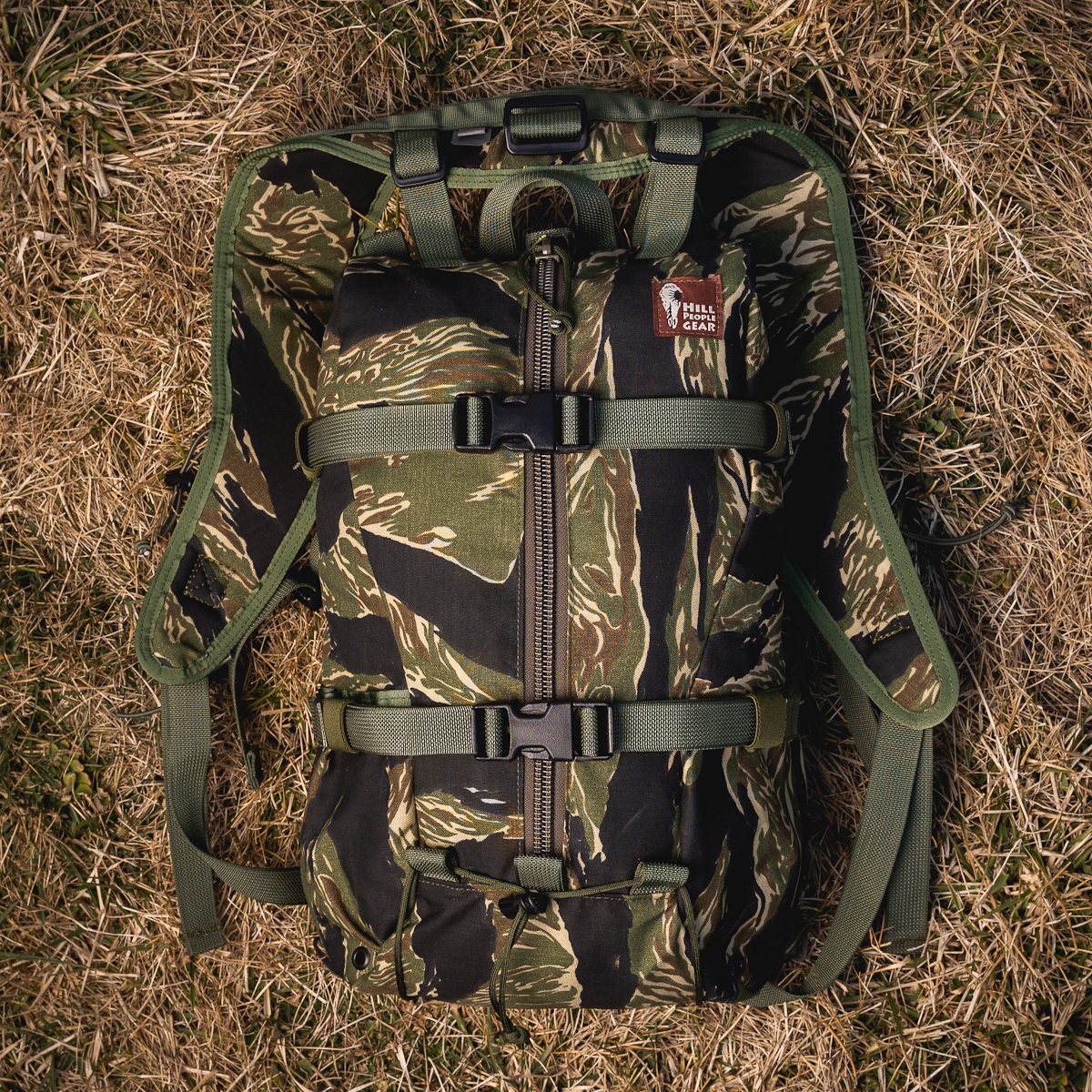
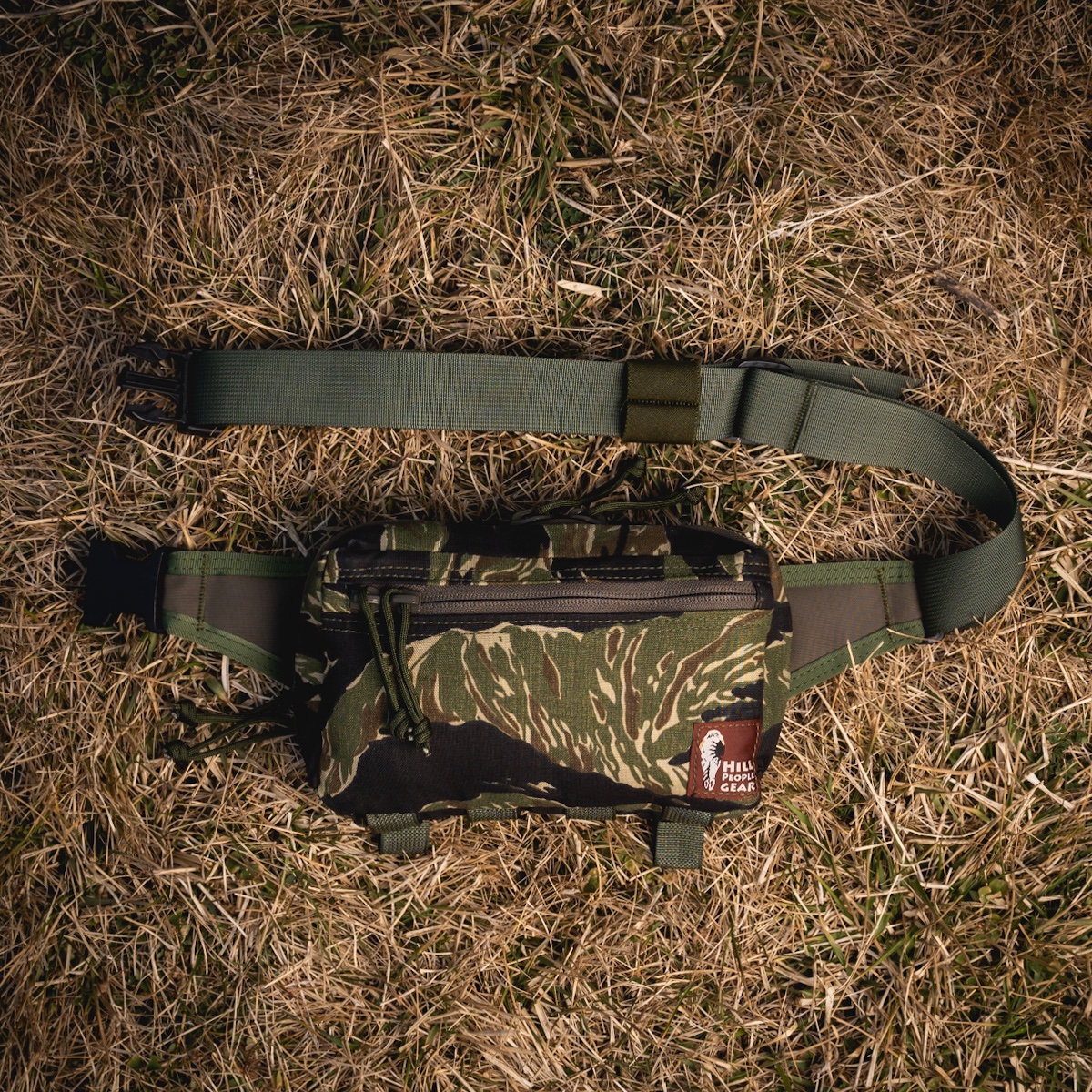
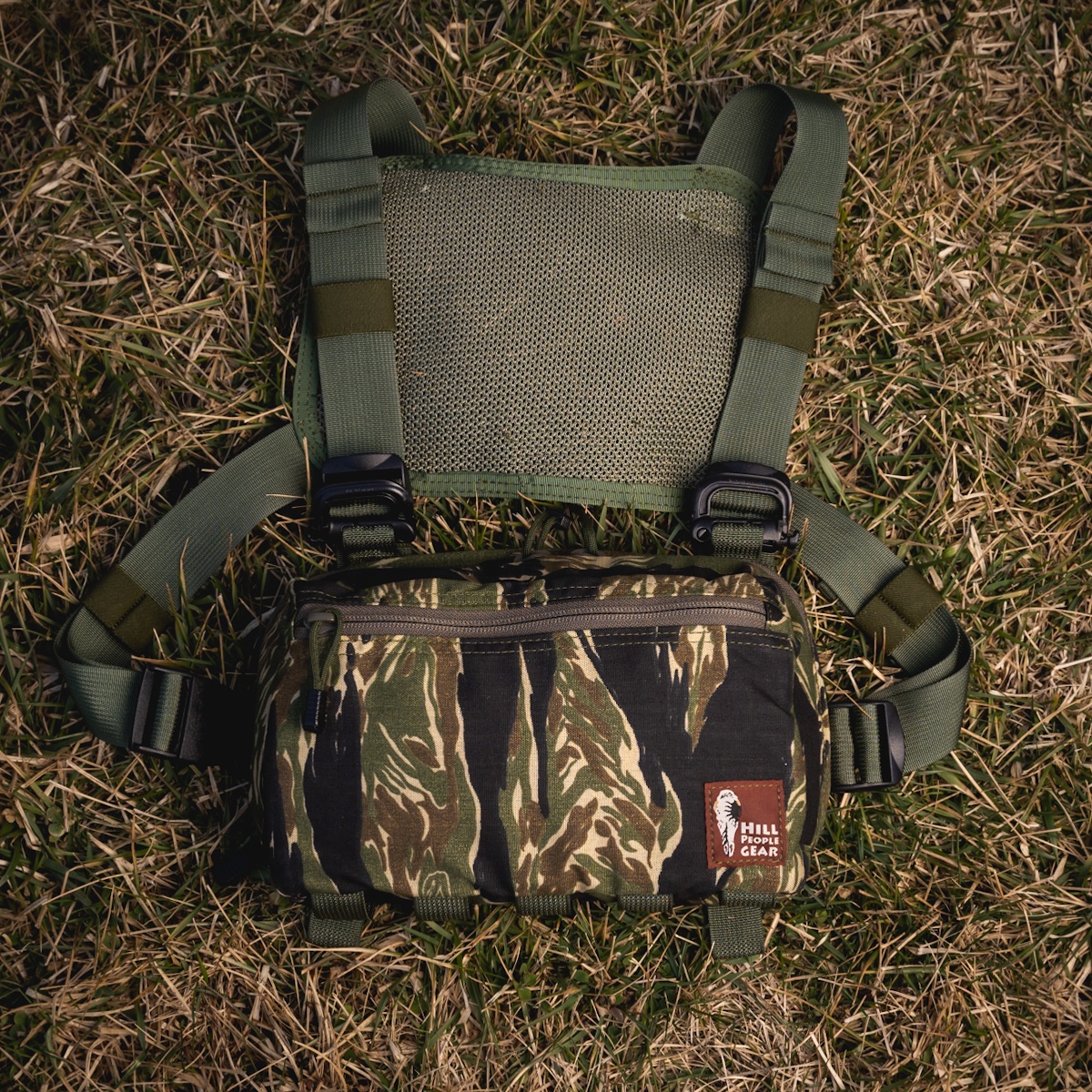
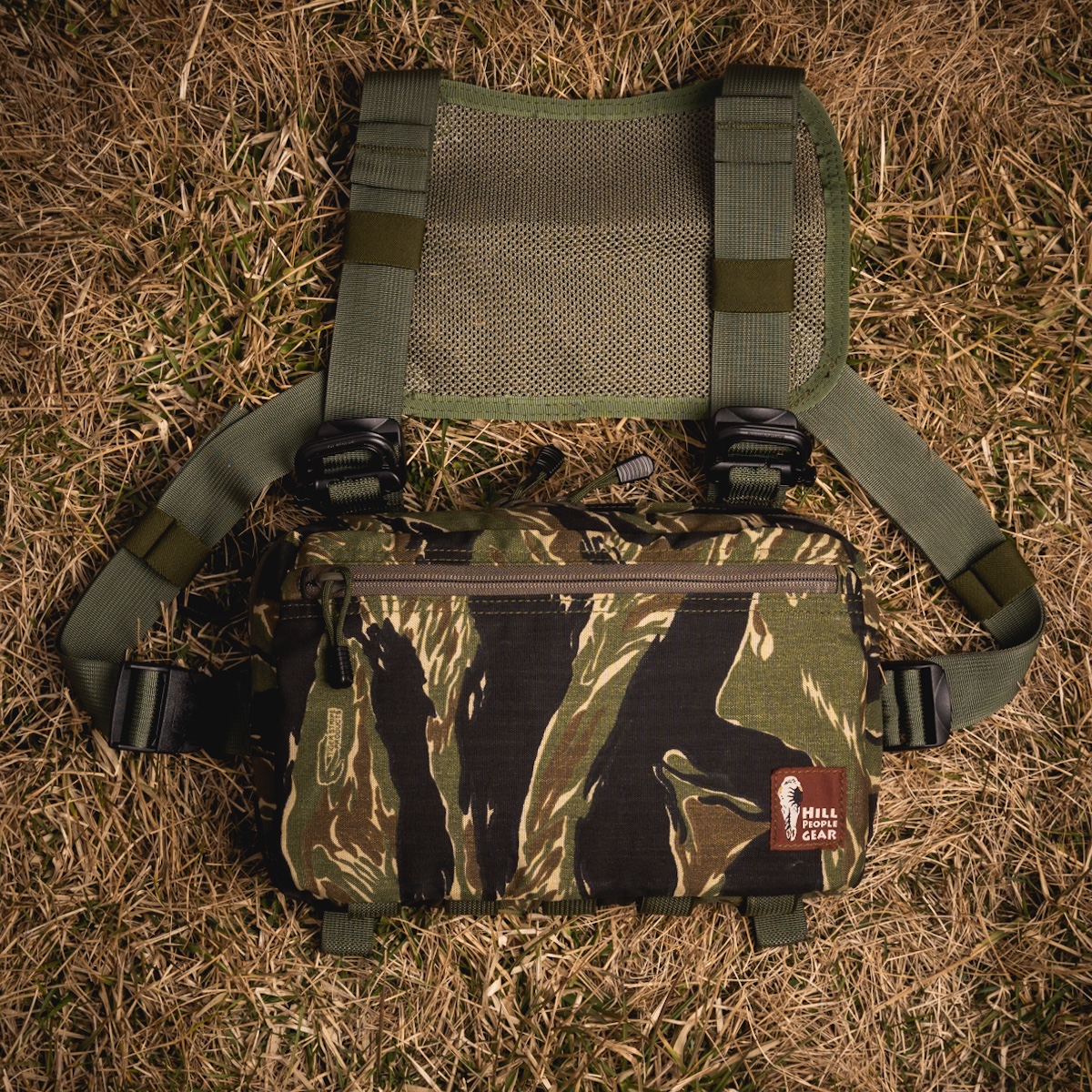
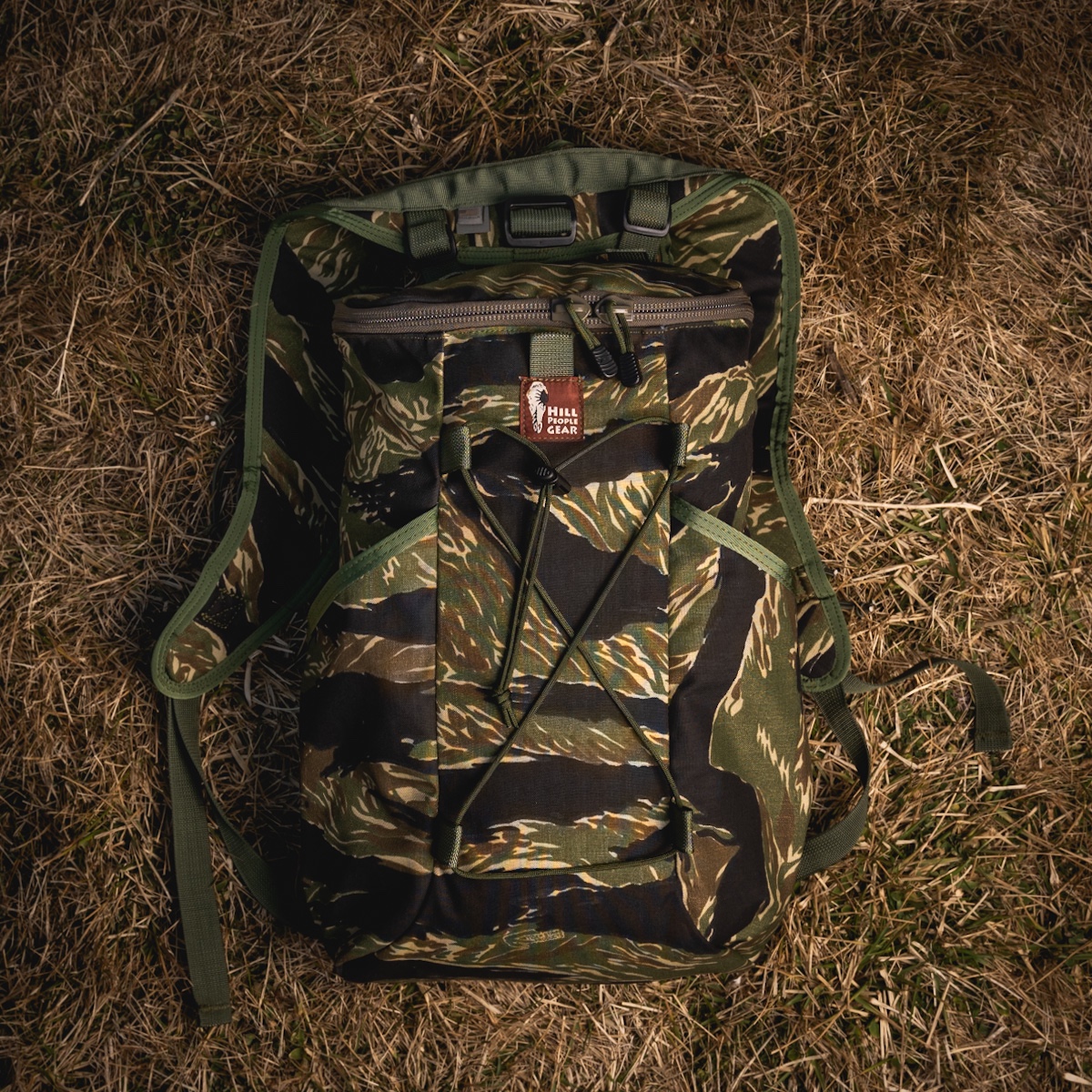
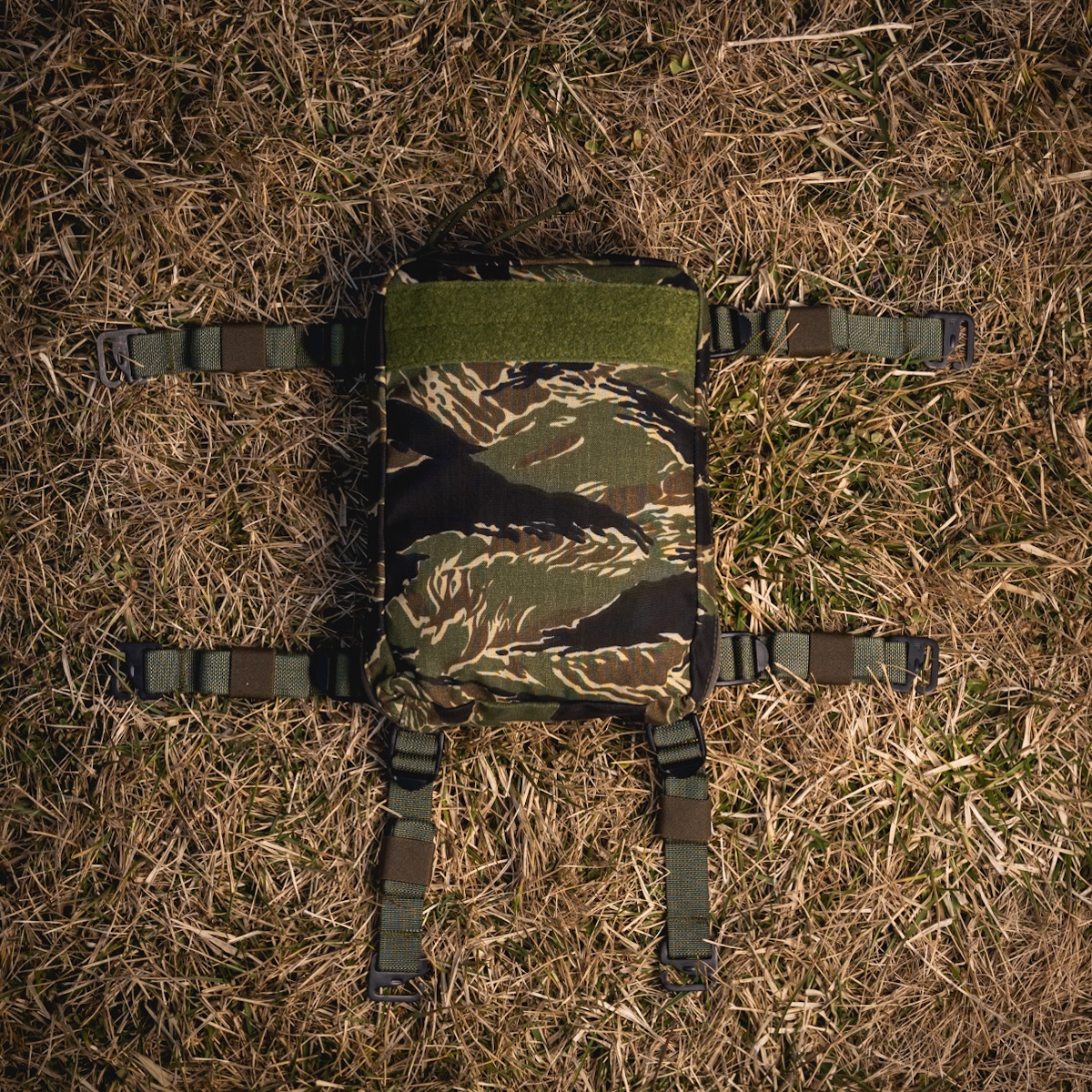
Tiger Stripe camouflage originated during the Vietnam war and was a popular pattern for the units who could get their hands on them. It was never adopted as an official U.S. camouflage pattern but has earned its stripes as one of the most iconic camo patterns ever created. This is something we have been wanting to do for years but could never track down the pattern in 500d Cordura. Once it became available we pounced on the chance to make limited runs of Tiger Stripe for the following products:

Tarahumara Pack

Belt Pack – Snubby

Original Kit Bag – Medium

Original Kit Bag – Full

Junction Pack

Line Pocket

hillpeoplegear.com

Marine Corps Establishes 17XX Information Maneuver Occupational Field

Monday, March 14th, 2022

ARLINGTON, Va. —

The 17XX Cyberspace Operations occupational field is redesignated as the 17XX Information Maneuver OCCFLD today.

The Deputy Commandant for Information directed the consolidation of Operations in the Information Environment military occupational specialties into one OCCFLD resulting in the redesignation.

Aligned with Talent Management modernization, the 17XX IM OCCFLD formally manages the career path of Marines with highly specialized training required for space, electromagnetic spectrum operations, cyber warfare, civil affairs, and psychological operations.

“The Information Maneuver OCCFLD provides Marines the opportunity to continue doing what they are passionate about,” stated Lt. Gen. Matthew Glavy, Deputy Commandant for Information. “When you put people first and provide them the opportunity to pursue a career they are passionate about, they give back tenfold to the team and our mission of gaining advantage in the IE.”

The 17XX IM OCCFLD provides the Marine Corps with a deliberate, professionalized, and sustainable workforce enabling the Marine Corps to integrate information related capabilities, operationalizing information as the Marine Corps seventh warfighting function.

“Prior to the established of the Information Maneuver OCCFLD, Marines gained valuable experience and skills at a Marine Expeditionary Force Information Group or at combatant commands only to go back to their previous MOS causing us to repeat the cycle again, never getting Marines with more than three years of experience across information related billets,” stated Col. Jordan Walzer, Director, Information Maneuver Division, DC I and former CO, II MIG, II MEF. “The professionalization of information related MOSs improves retention and readiness by avoiding Marines with valuable skills forced into deciding either to return to their prior MOS or exit the Marine Corps to continue following their passion.”

DC I developed the plan for 17XX professionalization in close coordination with Total Force Structure Division, Manpower and Reserve Affairs and Training and Education Command to facilitate the implementation of the 17XX Professionalization Plan.

In addition to preexisting primarily MOSs across cyber, civil affairs, and PSYOP OCCFLDs, the newly established IM OCCFLD will transition existing structure of multiple Free Military Occupational Specialties to create four new Primary MOSs.

Enlisted
PMOS Name Grades
1751 Influence Specialist Sgt. – Gunnery Sgt.
1795 Influence Chief Master Sgt. – Master Gunnery Sgt.
Officer (Unrestricted)
PMOS Name Grades
1706 Maritime Space Officer Capt. – Lt. Col.
1707 Influence Officer 2nd Lt. – Lt. Col.

“The professionalization of information related MOSs improves retention and readiness…”

Col Jordan Walzer, Information Maneuver Division director

The fulfillment of required Marines for these PMOS will take place from the current fiscal year through FY31. Fulfillment of required Marines in above stated PMOSs will occur from both direct accessions and lateral moves. Previous billets identified by PMOS 0521 PSYOP Specialist, 0531 Civil Affairs Non-Commissioned Officer, and 0551 Information Operations Specialist will consolidate to a single PMOS of 1751 Influence Specialist and those Marines will promote to 1795 Influence Chief.

A future MARADMIN will contain information regarding 0521 transition of Active Component Marines with the PMOS of 0521. No action is required by the individual Marine. M&RA, in conjunction with DC I, will review the population and Marines will be re-designated to their new PMOS Oct 1, 2022.

Future MARADMINs related to the IM OCCFLD will solicit unrestricted officer applications for lateral move into the newly established PMOS 1706 Maritime Space Officer and 1707 Influence Officer.

A complete list of Information Maneuver OCCFLD PMOS are provided below:

PMOS Name Grade
1702 Cyberspace Warfare Officer 2nd Lt. – Lt. Col.
1705 Cyberspace Warfare Development Officer Capt. – Lt. Col. 
1706 Maritime Space Officer Capt. – Lt. Col.
1707 Influence Officer 2nd Lt. – Lt. Col.
1710 Offensive Cyberspace Warfare Officer Warrant Officer – Chief Warrant Officer 5
1720 Defensive Cyberspace Weapons Officer Warrant Officer – Chief Warrant Officer 5
1721 Cyberspace Warfare Operator Pvt. – Gunnery Sgt.
1751 Influence Specialist Sgt. – Gunnery Sgt.
1795 Influence Chief Master Sgt. – Master Gunnery Sgt.
1799 Cyberspace Operations Chief Master Sgt. – Master Gunnery Sgt.

IM OCCFLD representatives will conduct a roadshow in April to answer questions from Marines interested in the new OCCFLD. A future MARADMIN will announce dates and times of IM OCCFLD briefs executed at bases and stations across the Marines Corps.

“Marines interested in future IM OCCFLD opportunities are invited to attend upcoming roadshow briefs,” stated Maj. Audrey F. Callanan, IM OCCFLD Manager, IMD. “For additional information on future opportunities, Marines are also encourages to contact their monitor or career counselor.”

Additional details regarding the 17XX IM OCCFLD are available via MARADMIN Number 102/22.

MARADMIN Number 102/22: www.marines.mil/News/Messages/Messages-Display/Article/2958811/establishment-of-the-information-maneuver-1700-occupational-field

By Maj Gregory Carroll

Deputy Commandant of Information

SCUBAPRO Sunday – Operation Forager the Invasion of Saipan

Sunday, March 13th, 2022

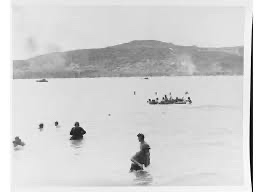
A small detachment of Underwater Demolition Teams(UDT) had participated in the Battle of Kwajalein in January 1944. Still, during the attack on the Mariana Islands and the Battle of Saipan in June 1944, UDT would make its first significant appearance on a large scale. Using a swimmer slate and a sounding line, the men would determine the water depth within the reef that encircled the island, look for potential landing obstacles, and mark paths for the tanks to safely make it ashore without being swept away by deep water. The landing forces used fishing lines and buoys to map out a grid that they would use to get ashore once they reached the shore. This duty would be carried out in broad daylight to make matters even more dangerous, right in front of the Japanese defenders’ eyes.

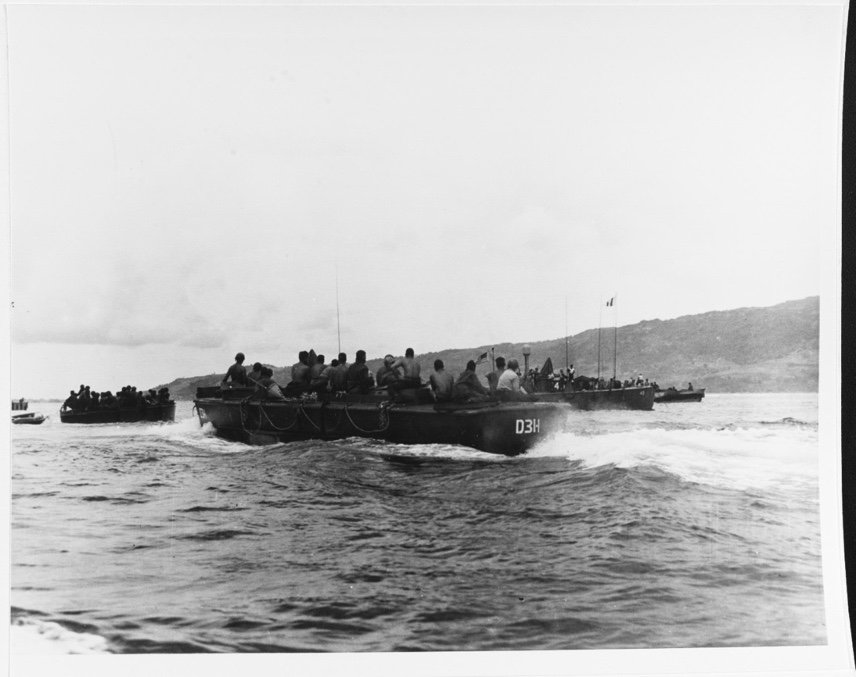
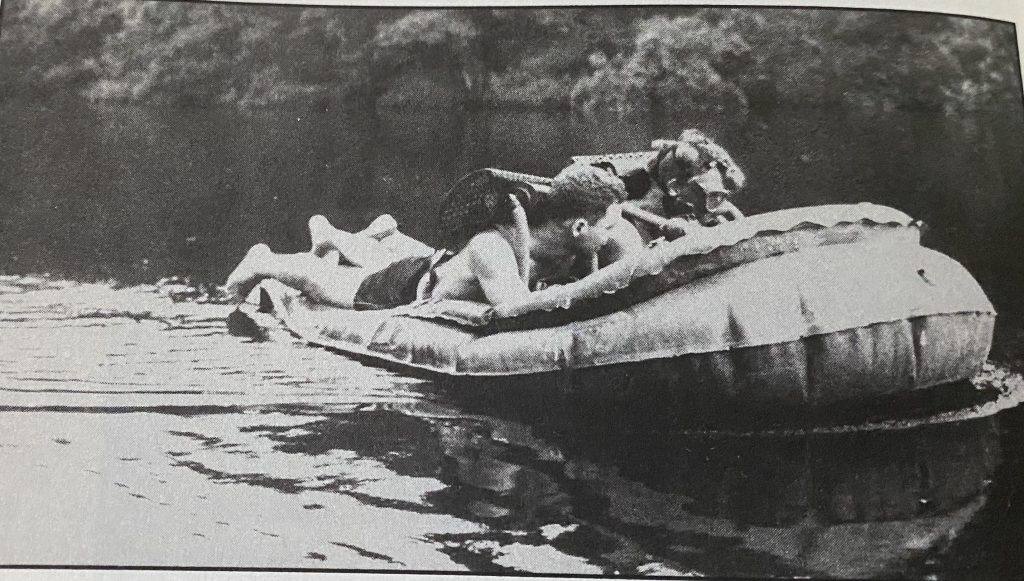
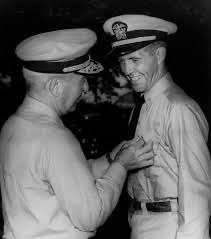
Draper Kauffman and his two Underwater Demolition Teams (5 and 7) left their cramped crew quarters on the APDs Gilmer and Brooks as the sun rose on June 14, D Day minus one, and began their part in the action, piling into four landing craft that arrived alongside the ships. Swimmers were assigned to survey the approach to a specific beach on each of the 36-foot-long LCPRs, which had sixteen swimmers on each vessel. The Japanese had not anticipated the sheer volume of preparation fires that would reach such a crescendo. They were also not expecting to see swimmers side stroking toward them as the sun rose, led by officers in vessels no more impressive than a motorized black mattress, puttering in via an electric motor toward the well-defended shore as the day broke.

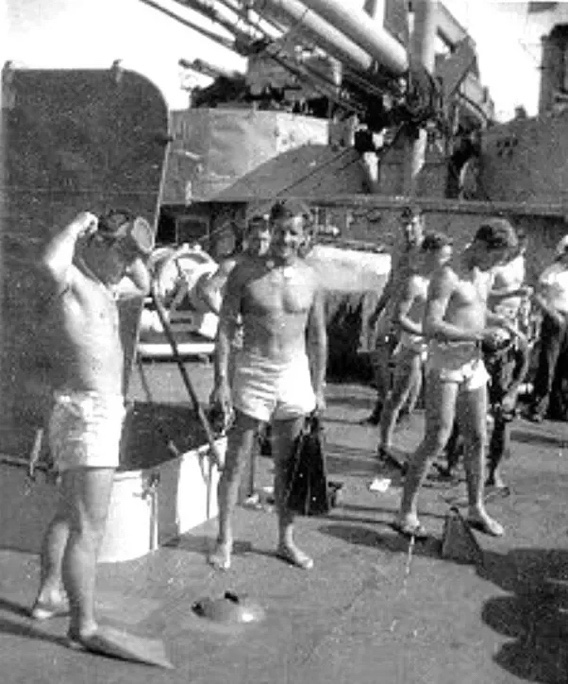
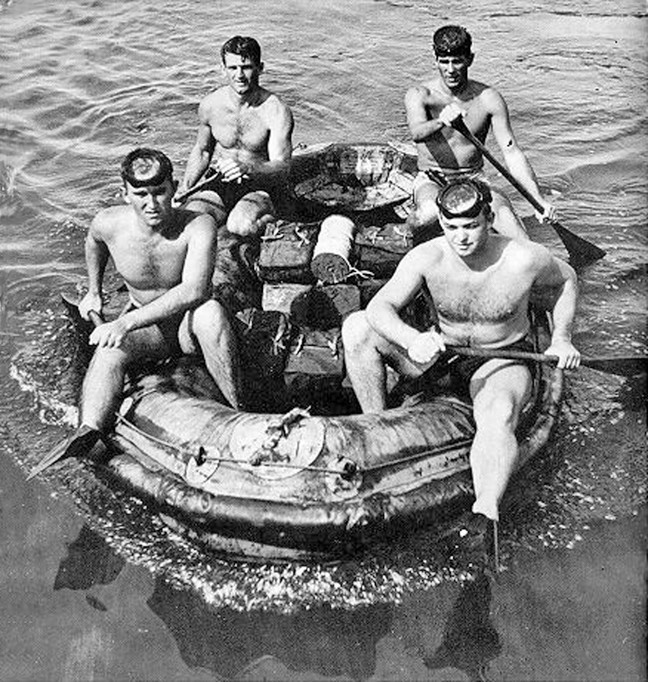
As is customary for Kauffman and his teams, they were only minimally outfitted, sporting trunks, swim shoes, a face mask, and a sheath knife. They didn’t have any fins or snorkeling equipment. Besides the buoy and reel, each pair was also equipped with an acrylic slate and a grease pencil for drawing on the water. Even though they had been trained how to use oxygen–beryllium chloride rebreathers, they did not have any on them at the time. The equipment was heavy and inconvenient. Most of Kauffman’s team leaders decided to ditch their bulky radios as well, in favor of a more rapid swim. To do this, they used a basic sidestroke known as the “invasion crawl,” which allowed them to swim across the reef and into the lagoon. Compared to an overhand crawl, it was less exhausting and produced less splash.

In Kauffman’s mind, they had resigned themselves to the fact that their chances of escaping with their lives were slim. Under Kauffman’s command, Team Five would reconnoiter the Red and Green beaches, while UDT 7 would investigate the Blue and Yellow beaches under Lieutenant Richard F. Burke’s command. He kept his third team, UDT 6, in reserve, anticipating that his casualties would be as high as fifty percent, and he was prepared for the worst. As the LCPRs neared the reef, Japanese artillery shelled the area around the ships. The frogmen began rolling over the gunwales into the water, one pair every twenty-five yards until they reached the water’s surface. A red buoy was dropped by each duo, which was attached to the point marking the seaward beginning of their route to aid them in orienting themselves for the return. When enemy shell splashes began walking in the direction of the buoys, Team 7 executive Sidney Robbins ordered the crews to stop putting them in place immediately. He also made the decision right there and then to discontinue the string reconnaissance technique that Kauffman had instructed them in. He knew it would not be easy, and he was right. The less they had to carry, the better their chances of surviving the harrowing experience that lay ahead. Kauffman and his companion, a frogman named Page, started their puttering daylight run toward the beach shortly after 8:30 a.m. by turning on their small outboard electric motor.


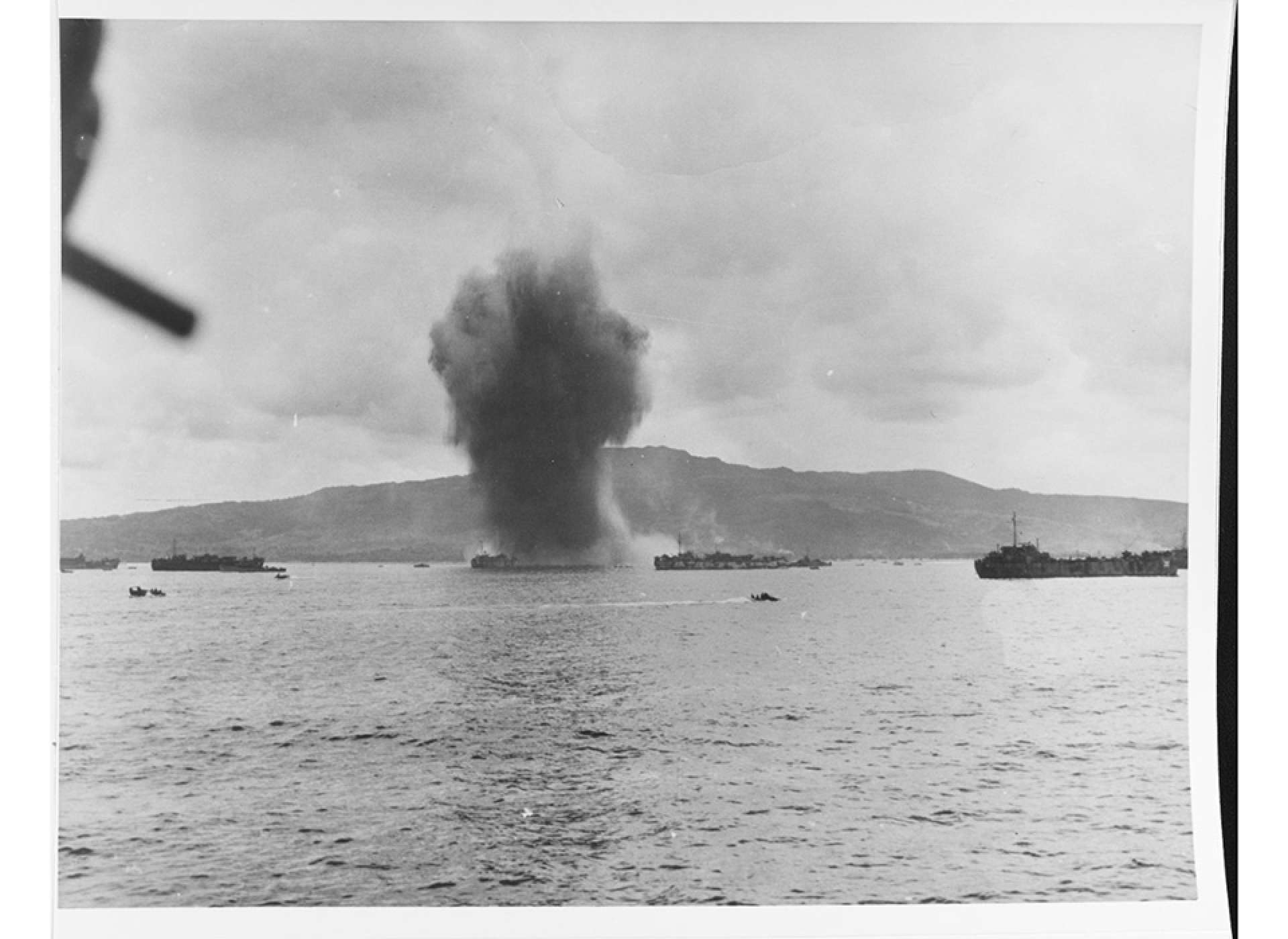
Kauffman wanted his team leaders to maintain some semblance of awareness and potential control over their eight dispersed swimming pairs, so he provided them with motorized mattresses as their starting point. According to Kauffman, he would later call them “the dumbest idea I’d had in a long time,” according to Kauffman. “They were the most magnificent targets,” says the author. He’d been told about the large sharks and man-eating giant clams that were rumored to be in the area during briefings. However, he had advised his men not to take any precautions against them because he believed that more significant threats lay ahead, including Japanese coastal guns, beach pillboxes, and mortars, to name a few examples. Kauffman was forced to abandon his floating mattress experiment due to the sheer volume of incoming fire. As soon as he realized that the morning naval bombardment had done little to aid him in his endeavor, the writing was on the wall for that bizarre scheme. Kelly Turner would be disappointed to discover that his orders to his fire-support ships—target the beachfront first, then slowly move fire inland—had gone largely unheeded by the boats. The first salvos were fired too far inland to neutralize the coastal defenses effectively. Because they could not maintain direct radio contact with the bombardment ships, the frogmen were unprepared to deal with unexpected events. Upon arriving at Blue Beach One, Sid Robbins of Team Seven was taken aback by discovering that mortar teams had set up a firing position out of a cluster of a dozen Japanese barges moored to the pier. Because of the intensity of the barrage that was rained down upon them, Robbins’ swimmers could not recognize Yellow Beach One in the first place.

After several failed attempts, this detachment returned to the Brooks with only two men seriously injured, which seemed to be a small number considering the circumstances. When all of his swimmers returned to the reef, Kauffman informed them that their landing craft would be waiting for them. It turned out to be an unpopular order, as two of his men went missing due to the demand. But, with mortars dropping around his boats, he didn’t want to risk losing any of the critical information he had gathered about the reef and the lagoon. It was also discovered that the route the Marines had envisioned for their waterproofed tanks, which were to be paddled ashore in the wake of the assault waves, would lead them straight into disaster. The road was potholed, and the water was too deep for these improvised amtracks, which were never intended to swim and drowned quickly due to their lack of design. A smooth path that crossed the lagoon in front of Red Beach Three and led diagonally onto Green Two, Kauffman believed he had discovered a better way to get there. After work that night, Kauffman had his most skilled draftsmen create charts based on the lagoon soundings. Commanders of amtrac and tank battalions and transport groups would have hand-drawn maps delivered to them when the invasion force arrived before the next sunrise, allowing them to plan their maneuvers.

Admiral Hill summoned Kauffman to General Watson’s quarters at some point in the evening. “What in the hell is this I’m hearing about your changing the route for my tanks?” the Second Marine Division’s commanding officer inquired. He had wanted them to swim across Red Two to get to the other side.

“General, they’re never going to get through there,” Kauffman assured him, pointing to his maps.

“All right, that’s fine. But you’re going to be the one who leads that first tank in, and you’d better make damn sure that every single one of them gets in safely and doesn’t drown.”

After reading Kauffman’s report and taking into consideration his calm, unwavering confidence, Kelly Turner began to believe that the idea of sending twenty thousand Marines ashore in these newfangled swamp buggies might work out after all.

Kadri Clothing T-shirt Design Contest

Saturday, March 12th, 2022

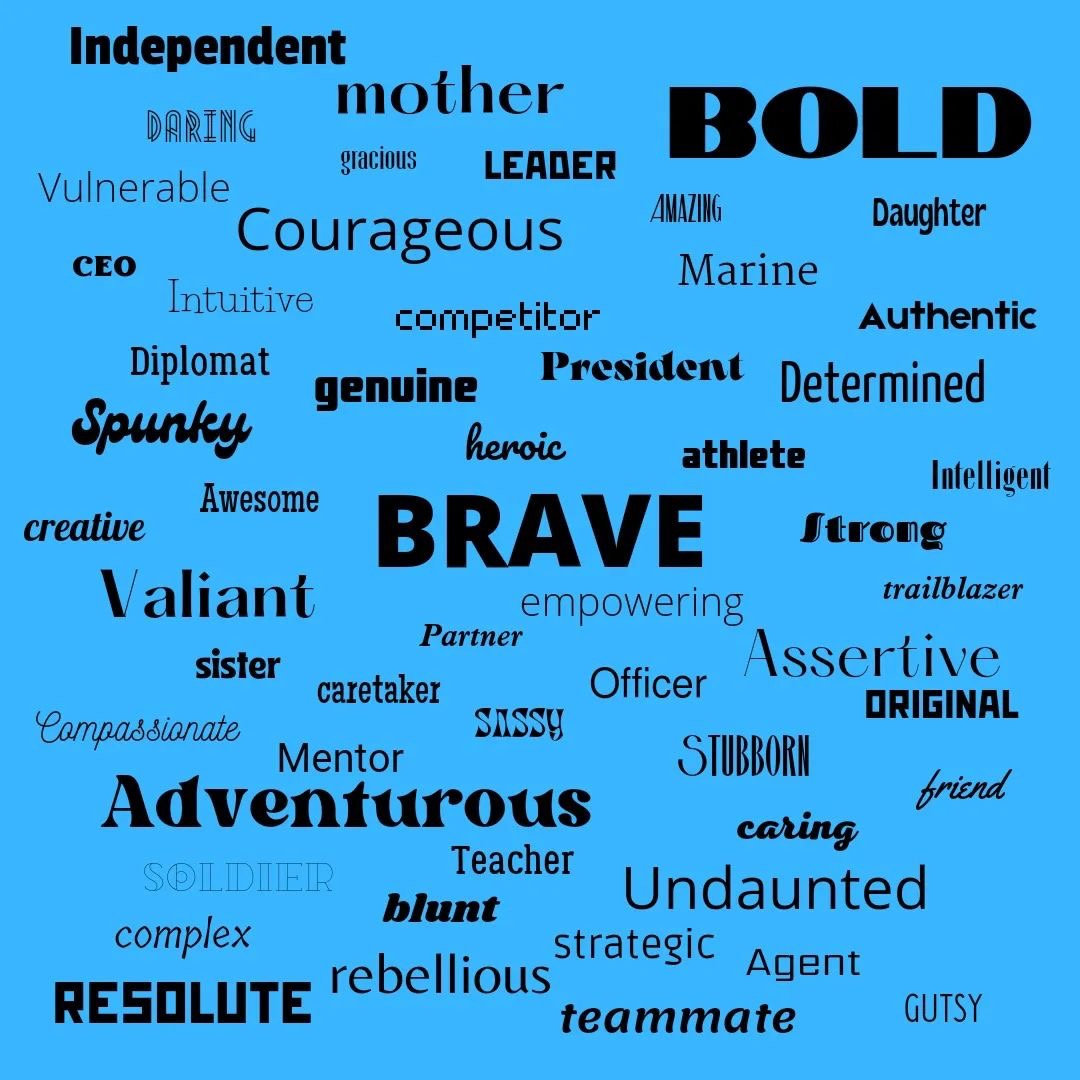
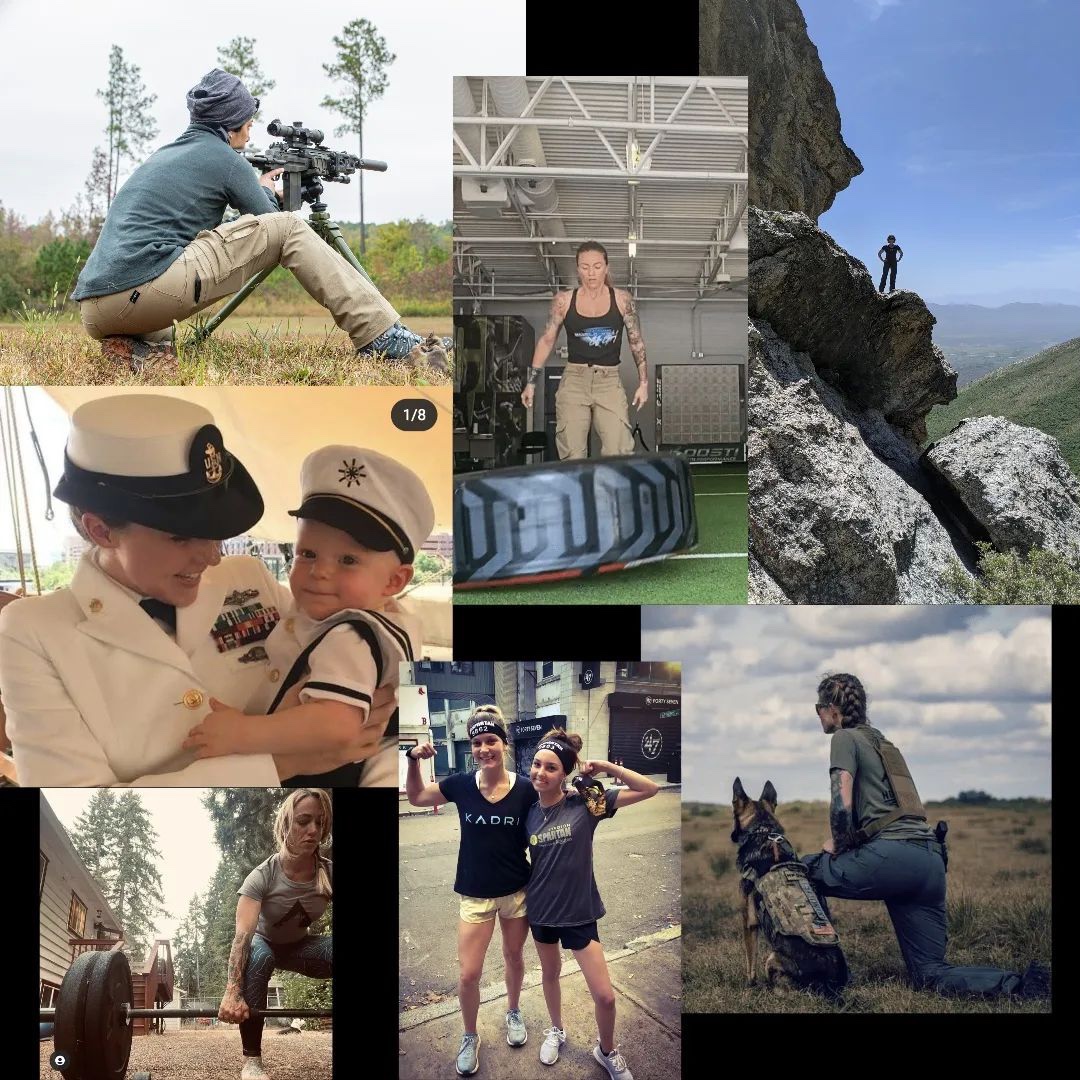
How do you define strength? In today’s society, we tend to use a very male-oriented view of strength and power–physical might, physical ability, physical prowess. We say people are strong based on how much they can lift, the number of pullups performed, or athletic ability.

But what about other definitions of strength and power? Is a mother who works a full time job during the day, takes care of the household at night without losing her shit, strong? Is a young woman driven by her ambitions to succeed in a male-oriented profession while ignoring the naysayers and battling cultural norms, powerful?

Show us your definition of women’s strength and power. Design an original graphic concept and submit by March 31. Entries will be showcased in April; the winner will be selected by social media votes.

The design will be used as a limited-run t-shirt, available for purchase on the website. The winner will also receive Valkyrie Field Pants.

Send designs via DM to the IG account, but we’d prefer an email to info@kadriclothing.com

Subject for email should be: Art Contest Submission

Happy designing!

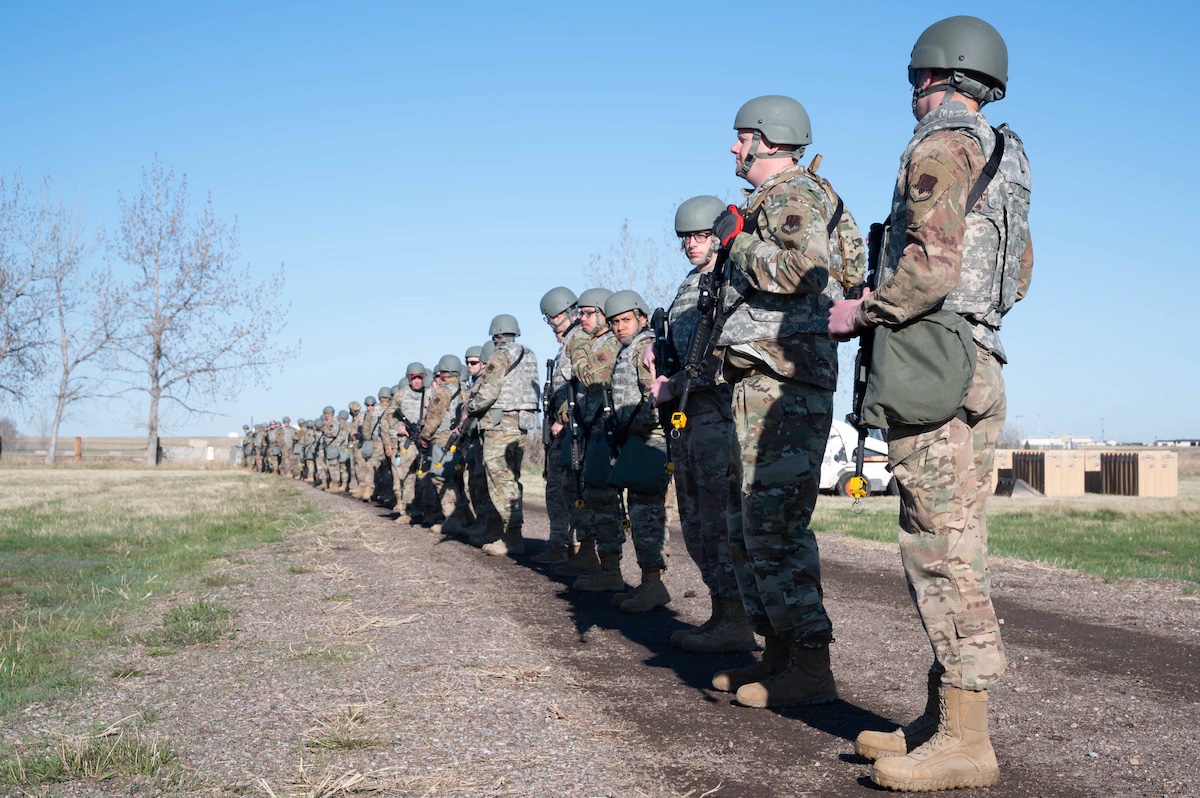
USAF RED HORSE Restructures to Elevate Deployment Capabilities

Saturday, March 12th, 2022

MALMSTROM AIR FORCE BASE, Mont. (AFNS) —

When the 819th RED HORSE Squadron was presented with the challenge of accelerating change to increase deployment capabilities across their enterprise, they responded with an innovation that will completely change the way RED HORSE trains at home and how they deploy overseas.

“One of the big objectives is to make sure we are ready to confront the challenges of the future,” said Lt. Col. Javier Velazquez, 819th RHS commander. “The only way we can possibly do that is by building our teams in garrison the same way that they are going to be deployed and working together.”

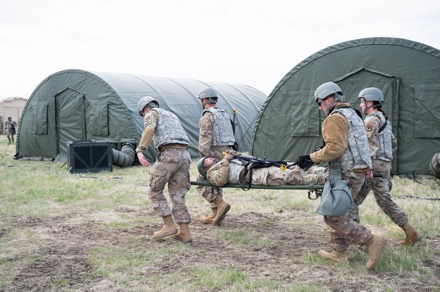
RED HORSE stands for Rapid Engineer Deployable, Heavy Operational Repair Squadron, Engineer. They are self-sufficient and mobile squadrons capable of rapid response and independent operations in remote environments worldwide. In addition to civil engineers, the squadron includes Airmen from more than 30 career fields.

Over the last several decades, RED HORSE squadrons organized themselves by those career fields. They spent time primarily with people who do the same job while they were in garrison and only built deployment teams when tasked to mobilize. This meant that when a RED HORSE team deployed, they would have to build camaraderie and learn to trust one another in the deployed environment.

“Nowadays we don’t have that luxury,” Velazquez said. “We need to be sure that we can hit the ground running on day one and that’s exactly what we’re trying to achieve with our new structure.”

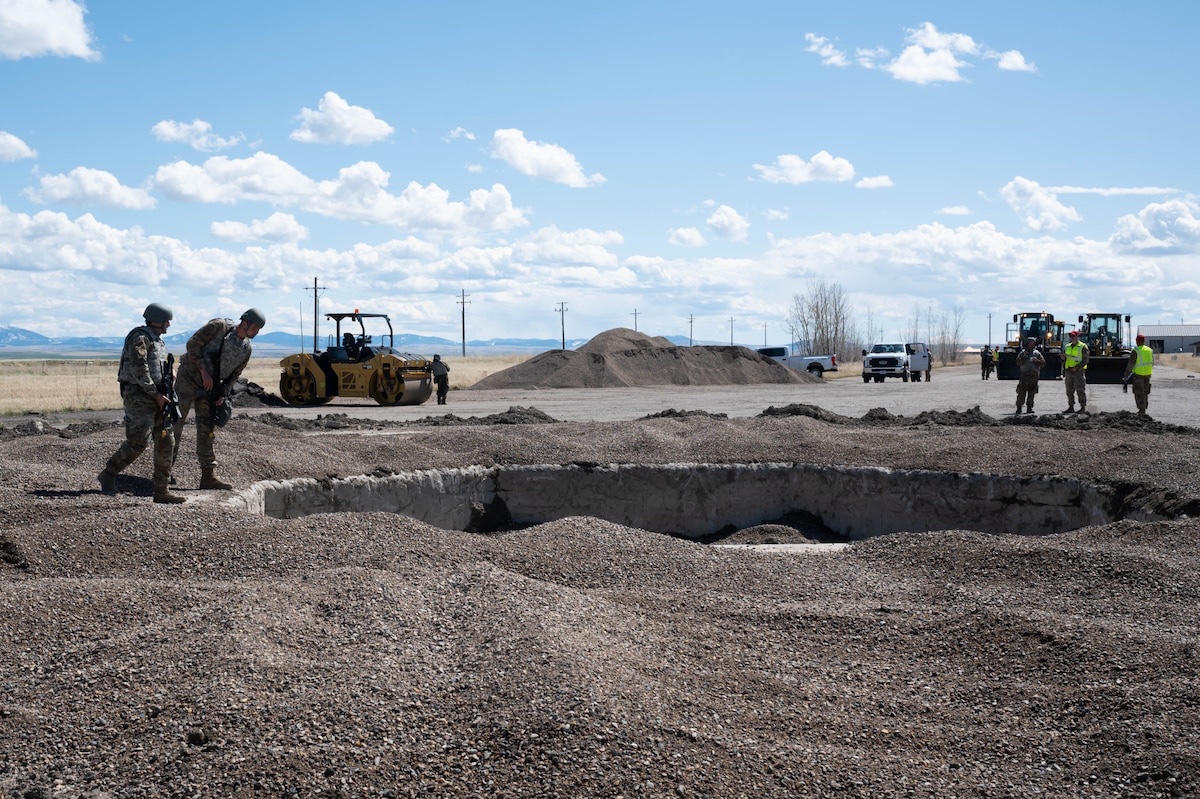
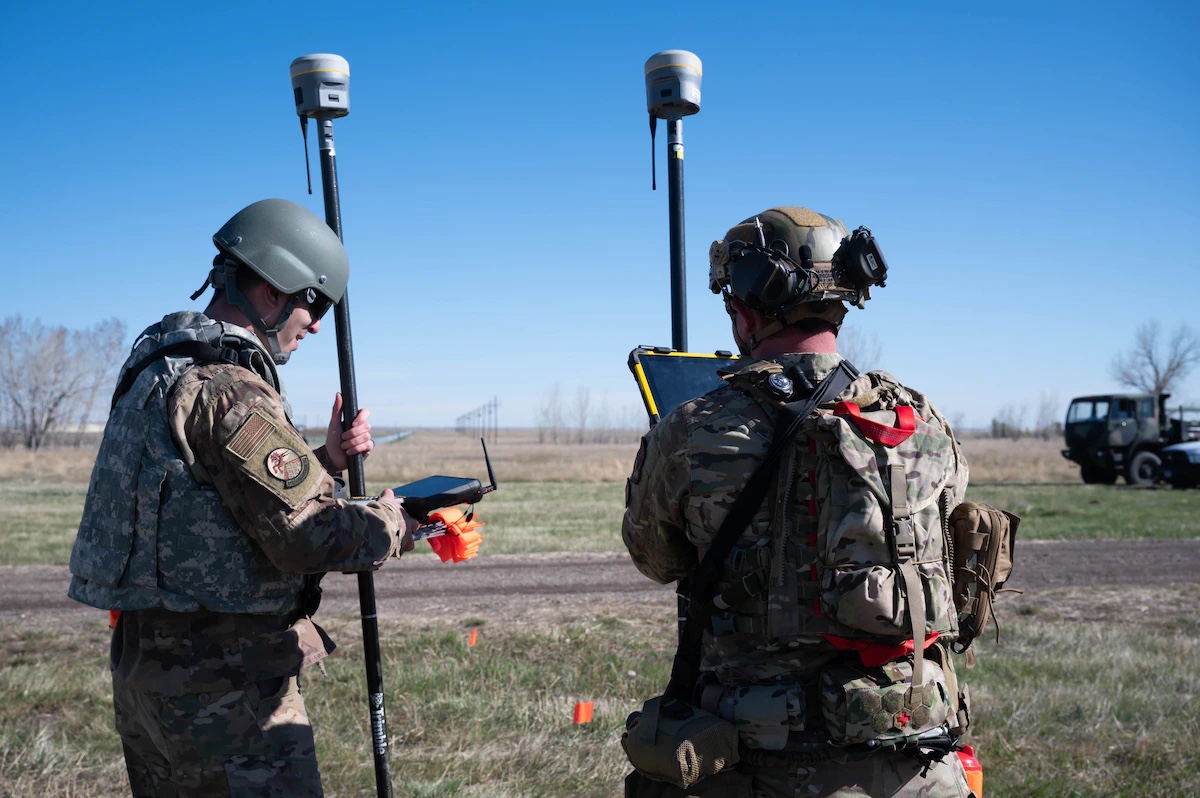
Now, the squadrons will be restructured into teams based on their ability to fulfill a specific purpose. These teams include horizontal construction, demolition and quarry, vertical construction, expeditionary engineering, site assessment and support functions.

This means if a combatant commander needs, for example, an airfield built at their location, RED HORSE would send them a horizontal construction team that includes all the right people, tools and assets necessary to complete that task.

“By putting these teams together, we have the ability to not only know each other…but be organized in a way that is capabilities-based,” said Chief Master Sgt. Nathan Laidlaw, 819th RHS senior enlisted leader. “When the combatant commander comes down and says, ‘we need a water well drilled,’ we press the button and they’re there. They are organized, trained, equipped and ready to go.”

The squadron’s leadership emphasized that the idea is to spend as much time at home as possible working together, solving problems and maintaining their readiness.

“This new construct really focuses us on that capability as well as readiness,” said Maj. Keegan Vaira, 819th RHS director of operations. “In the previous way we were doing business, that wasn’t at the forefront of everyone’s mind and under our new structure, a huge piece of what these teams are doing every day is making sure they are ready to execute that mission.”

“Everyone can get ready at once,” said Senior Master Sgt. Serena Goethe, 819th RHS first sergeant. “They all got their shots at the same time, they all did their firing at the same time, they did their (computer-based trainings) at the same time so they knew they were all good to go at once.”

After the initial planning process, the 819th RHS completed the transformation in about five months from August to December 2021.

“At the beginning of any change it’s difficult and it’s a lot of unknowns,” Laidlaw said. “In that initial storming change of this transformation I would say it was a little uneasy to be honest and it should have been because we’re changing the way we’ve done business.

“Once (the Airmen) started buying in and seeing the process and understanding where we were going and seeing the benefits it provided them, the majority have come on board and have been very positive about it.”

Goethe added that while Airmen will spend most of their time working with the teams in their new flights, they will have the opportunity to work with others within their specific career fields for training and mentorship.

“I’m glad to say that the 819th is taking the lead for the entire enterprise with the support of the 800th RED HORSE Group,” Velazquez said.

The 819th RHS is the first RED HORSE squadron to complete the restructuring.

“The cumulative plan came almost exclusively from the 819th” Laidlaw said. “This unit went through a lot to come up with this concept and they deserve the credit for it.”

By Heather Heiney, 341st Missile Wing Public Affairs

1st SFC(A) Stands Up Special Operations Forces Training & Experimentation Center at White Sands Missile Range

Friday, March 11th, 2022

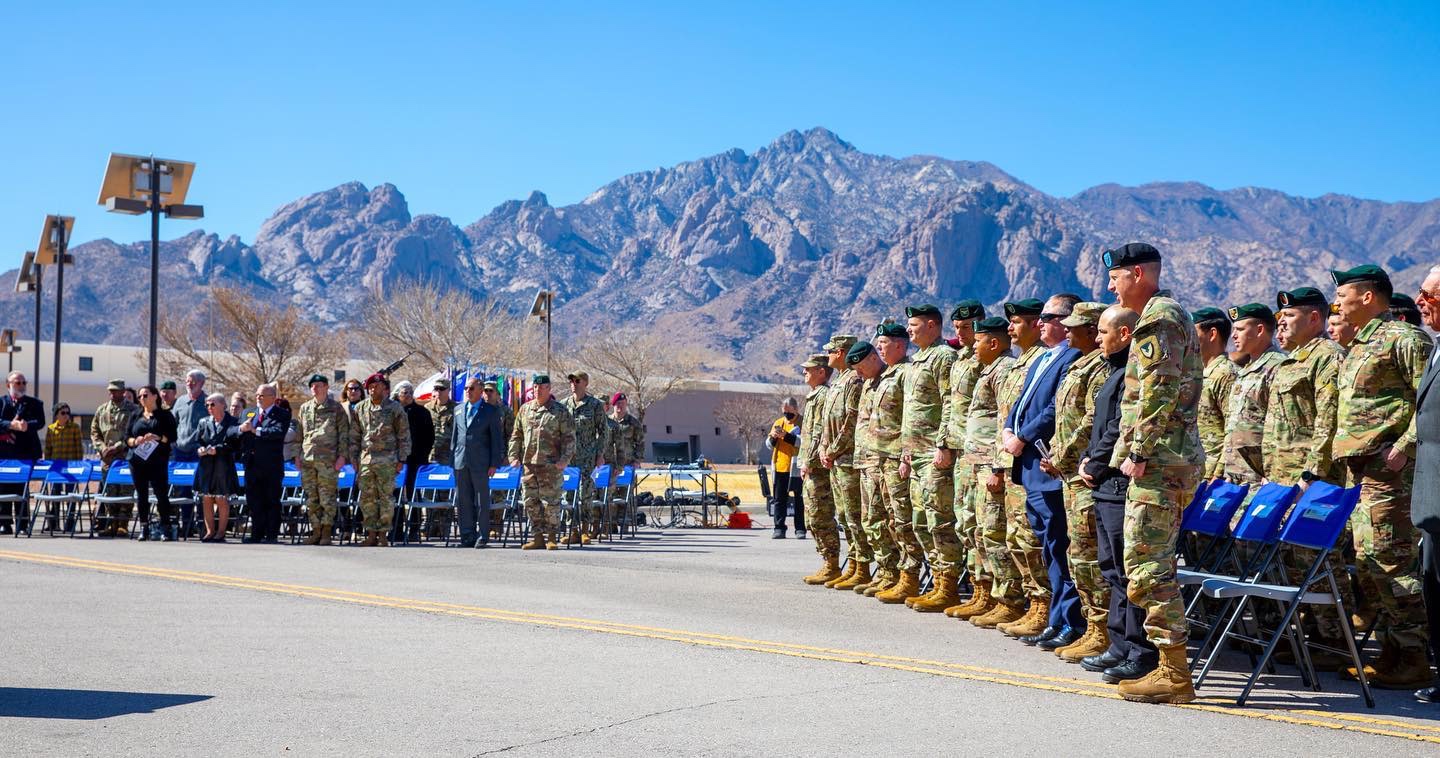
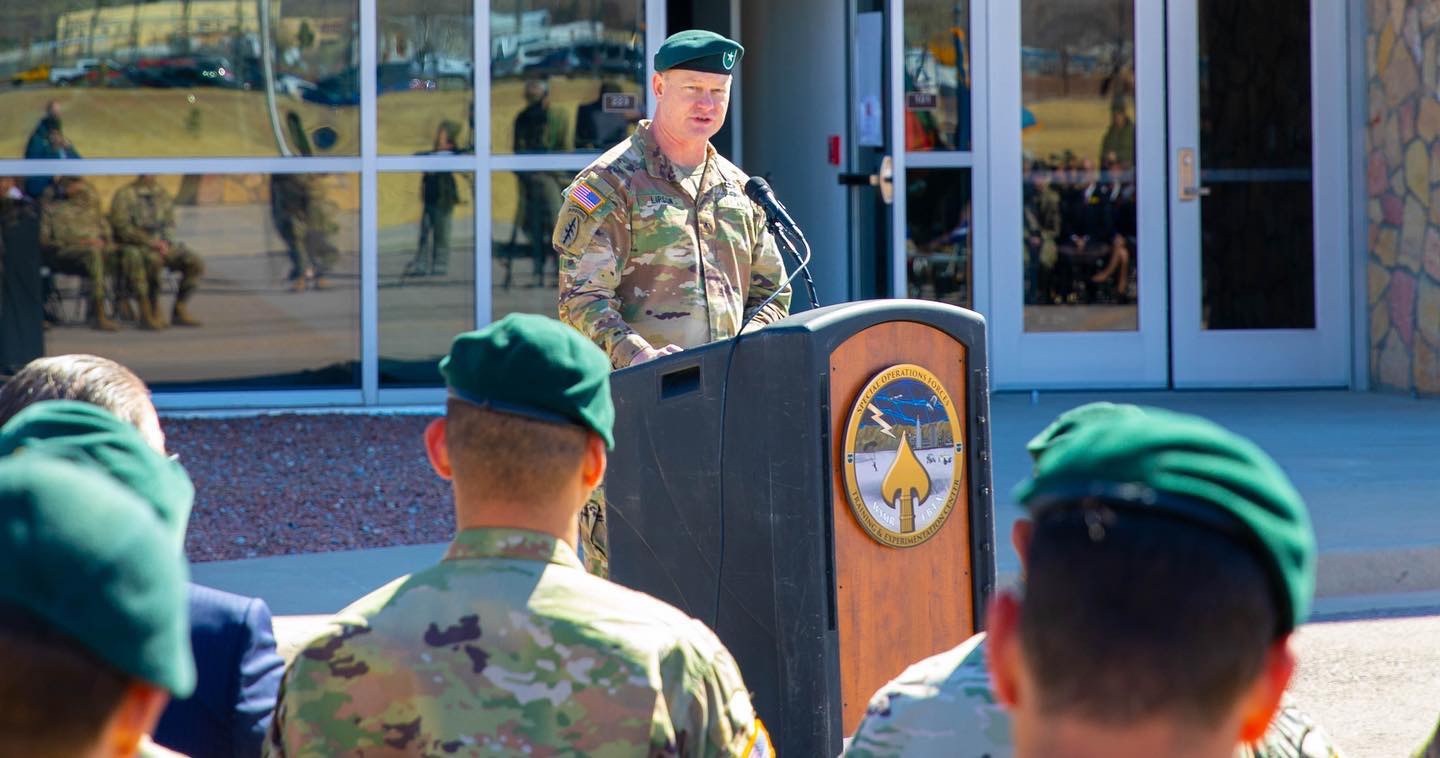
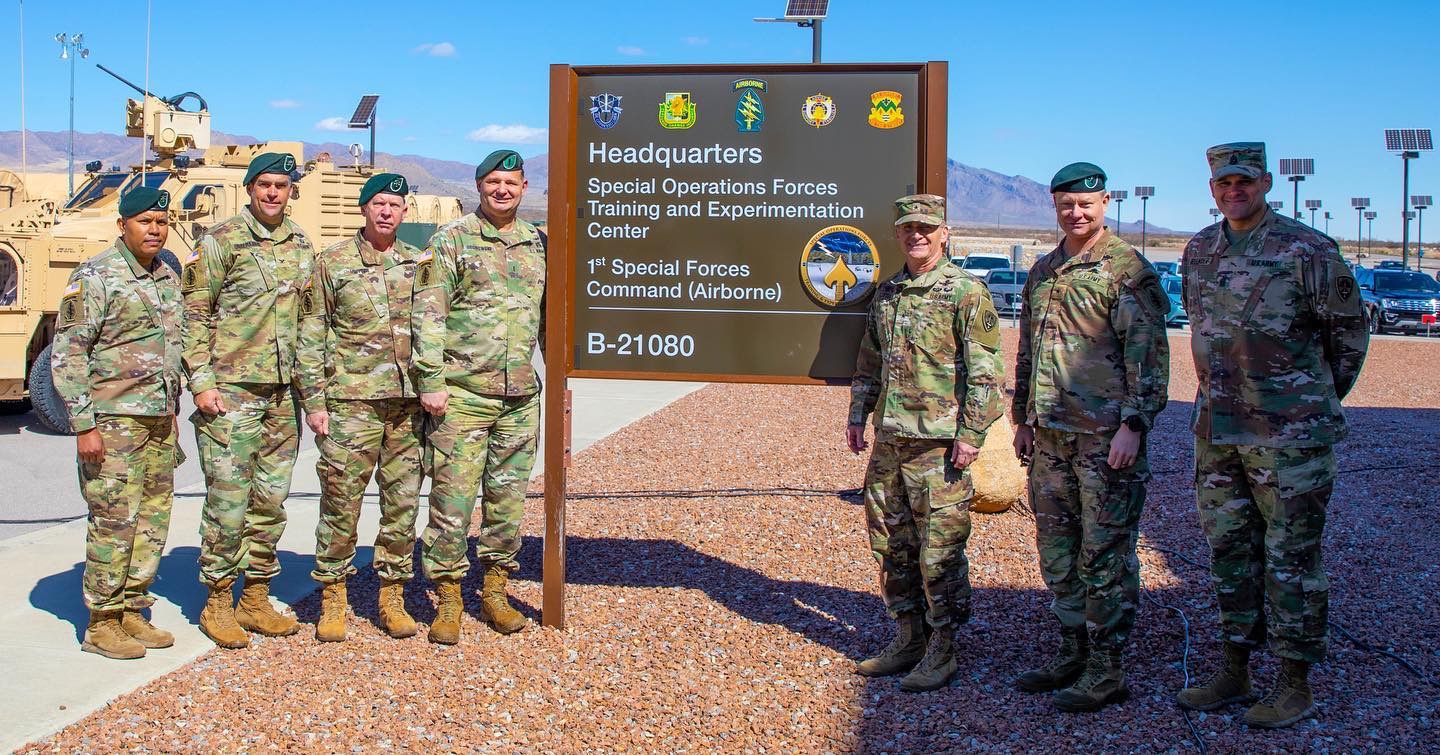
1st Special Forces Command (A) officially activates SOF-TEC as a formal command directorate, March 8, 2022, at White Sands Missile Range, New Mexico.

The Special Operations Forces Training & Experimentation Center will serve as a leading installation for irregular warfare readiness for both USSOF and our partners around the world.

SOF -TEC will test cutting edge designs, equipment, and techniques, and facilitate cyber, electronic warfare, and Space training.

SOF-TEC is headed by Special Forces Colonel Theodore Unbehagen.