Tropo Performance

Archive for the ‘Guest Post’ Category

Air Mobility Command Reopens Space-Available Travel

Wednesday, April 27th, 2022

SCOTT AIR FORCE BASE, Ill. (AFNS) —

As of April 22, all restrictions on space-available (Space-A) travel have been lifted.

The Office of the Under Secretary of Defense temporarily suspended most Space-A travel aboard Air Mobility Command and contracted aircraft, effective March 21, 2020 in order to limit COVID-19’s spread and impact on the force.

Medical screening protocols may still apply for travelers heading outside the contiguous United States (OCONUS). Members traveling to a foreign country will need to follow any testing requirements listed within the Electronic Foreign Clearance Guide.

This reopening permits Space-A travel for uniformed service members, retirees, dependents and Reservists to travel within the continental United States and outside the continental United States, if space allows.

Per Department of Defense policy, if necessary, Space-A travel limitations can be reinstated to help stop the spread of any future outbreaks of COVID-19. Mobility aircrew readiness is paramount to ensuring the Department is postured to project mobility airpower and global reach.

For additional information on Space-Available Travel, visit AMC’s travel website here.

Air Mobility Command Public Affairs

SIG FOXTROT2 Weapon Light Now Available

Tuesday, April 26th, 2022

580 Lumens and 13,000 Candela,

User Adjustability at Your Fingertips

The FOXTROT2 is designed for the user that wants maximum output and maximum adjustability at their fingertips. This versatile weapon mounted light has 580 lumens/13,000 Candela and is programmable with 3 user defined modes; Momentary, Latching, and Threshold Mode.

Additionally, the user can adjust the light on the rail using the supplied 4-Position Sliding Rail; Interface Inserts For Maximum Adjustment Range On The Firearm.

The FOXTROT2 mounts to any Picatinny 1913, SIG SAUER proprietary, or Glock rails with no need for adapters or cross-slot modifications. Ambidextrous Activation Paddles to power the ultra-efficient white LED runs up to one hour on a single CR123 battery.

The rail-mounted light is ideal for home defense, law enforcement, or military applications and should fit most holsters designed for handgun lights.

www.sigsauer.com/foxtrot2

DEVCOM Soldier Center Seeks to Improve Body Armor for Women

Tuesday, April 26th, 2022

NATICK, Mass. — Researchers at the U.S. Army Combat Capabilities Development Command Soldier Center, or DEVCOM SC, have developed a body armor questionnaire to help improve body armor for female users specifically and for all body armor users in general.

The researchers at DEVCOM SC — who are longtime experts in Soldier protection, human factors and gathering/analyzing Soldier input — are investigating body armor fit and related issues, and how those issues impact the ability of users to perform their mission.

Participation from current and past users of body armor will provide researchers with insight into user needs and ways to make improvements. Data will be collected from a questionnaire completed by eligible individuals.

The questionnaire is part of DEVCOM SC’s larger effort to support the Female Body Armor Modernization Act. In support of the act, DEVCOM SC is investigating and developing body armor system improvements specifically focused on women as well as improvements that will benefit both male and female Soldiers. DEVCOM SC’s Applied Ergonomics Team and the Consumer Research Team, both part of DEVCOM SC’s Soldier Effectiveness Directorate, have worked together to develop the questionnaire.

Blake Mitchell, team leader of the Applied Ergonomics Team and lead for the Anthropometric Study for the Female Body Armor Modernization program, explained that the questionnaire will help “to identify the predominant fit and performance issues, as well as the body armor system sizing and issuance process experienced by women in the Army.”

Mitchell explained that the questionnaire goes into considerable depth in its attempt to identify what the primary issues are in a way that can allow for design improvements. The questionnaire gives participants the means to identify ways they are not fully protected, any discomfort they experience — both short or long term — and how issues with fit may impede their ability to do their job.

“We want potential participants to understand the importance of completing this survey, because it takes time to answer all questions honestly and thoroughly, particularly for those who have more experience with body armor,” said Wendy Johnson, a research psychologist on the Consumer Research Team. “In order to make the survey more convenient and to accommodate their schedules, participants have up to seven days to complete the survey once they begin.”

The questionnaire is aimed at women in the Army, but all genders are welcome to respond. The research team hopes to use data from male respondents to better understand their general fit and performance issues. Researchers are also interested in gathering opinions of body armor users from the National Guard and the Reserves, as well as individuals who have recently separated from the military.

“We hope to elicit responses from a wide variety of mission areas across the military – from people that only have to wear body armor occasionally to those that wear it day and night for extended periods of time,” said Mitchell. “Having data from a broad array of users will allow us more power in how we understand and interpret the data, and aid in the better design of future systems to accommodate a broader range of the user population.”

The questionnaire asks respondents relevant questions about their body shape and size, as well as their experiences with, and performance impacts due to, body armor use. In addition to identifying the specific body armor elements that need to be improved, researchers also hope to find out what is working well.

“Researchers will summarize the information derived from this questionnaire and will make it available to designers, manufacturers and acquisition personnel,” said Mitchell. “Key issues will be grouped based on demographic and anthropometric descriptors to lead to a better understanding of how to improve fit and performance.”

As part of their larger effort to improve female body armor, DEVCOM SC researchers are also using data from the 2012 Anthropometric Survey, or ANSUR II, to better understand the size and shape of women who make up the U.S. Army. ANSUR II includes direct measurements and three-dimensional whole-body scans. ANSUR II was executed by DEVCOM SC and is one of the world’s largest and most comprehensive anthropometric surveys. It provides invaluable data that aids the design and optimization of a wide range of products.


The body armor questionnaire is part of DEVCOM SC’s ongoing emphasis on Soldier input as a key component in all research and product development.

“The Soldier Center wants to ensure that all of the products we support meet the requirements of all Soldiers so they can complete their mission and do their job without creating unneeded or additional burdens for them,” said Mitchell. “This questionnaire will provide specific information on Soldier’s preferences and experiences for body armor in their own voice.”

Data gathered from DEVCOM SC’s questionnaire will be used to improve future body armor development efforts for the Army. Navy body armor designers and project officers have also expressed interest in the results and have requested information and summary data on female Sailors who have experience with certain Navy body armor systems, as responses from other services are also being collected. The Soldier Center plans to have a summary of results by the end of the fiscal year.

If you are interested in participating in the questionnaire, it is available at online.

By Jane Benson, DEVCOM SC Public Affairs

Medical Monday: Everyday Carry

Monday, April 25th, 2022

SWANSBORO, N.C. – April 25, 2022 – Carry your medical gear comfortably with the 247 Trauma WrapTM.

In the tactical community, one of the most overlooked items can be medical equipment. Depending on your mission, medical equipment can take up a significant amount of “real-estate” on the body, however, High Speed Gear® offers a solution for individuals to carry life-saving medical equipment while increasing the amount of space on the body to remain lethal.

High Speed Gear® offers a 247 Trauma WrapTM that is worn around the ankle for fast and comfortable everyday wear. The 247 Trauma WrapTM allows users to conceal carry their medical gear around the ankle or over a boot. The trauma wrap holds the essentials for stabilizing a gunshot wound and has the option for expandable storage for extra supplies.

“Our mission is to provide tactical gear to our customers that they can depend on; no matter if they are law enforcement, military, or a responsibly armed citizen.” Said Bill Babboni, HSGI® Chief Operating Officer. “The 247 Trauma WrapTM allows you to save room on your kit, while still being able to access your medical gear quickly in case of an emergency.”

The High Speed Gear® 247 Trauma WrapTM is a must-have for all outdoor enthusiasts, first responders and military forces.

Specs:

-Designed for one tourniquet, combat gauze, compact compression bandage and nitrile gloves

-Expandable storage will also fit chest seals, gauze and a clothing cutter, if desired

-Glove pocket on elastic strap folds flat when not used

-Neoprene padding behind tourniquet pocket protects ankle from hard contact with tourniquet and adds grip

-Features breathable spacer mesh for comfort

-Elastic strap offers adaptable fit over the ankle or a boot

www.highspeedgear.com

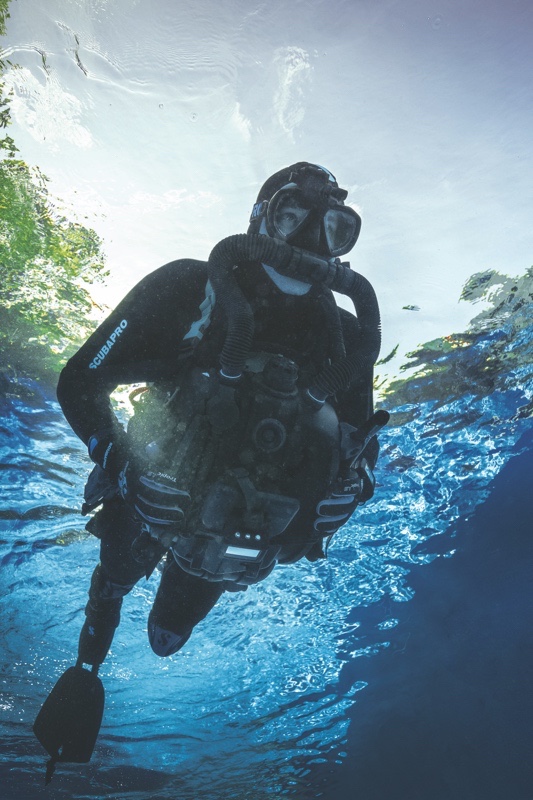
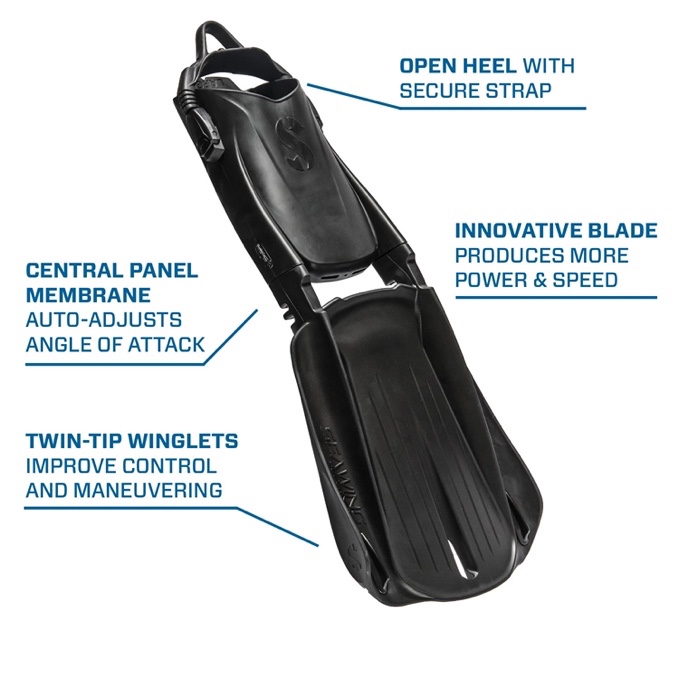
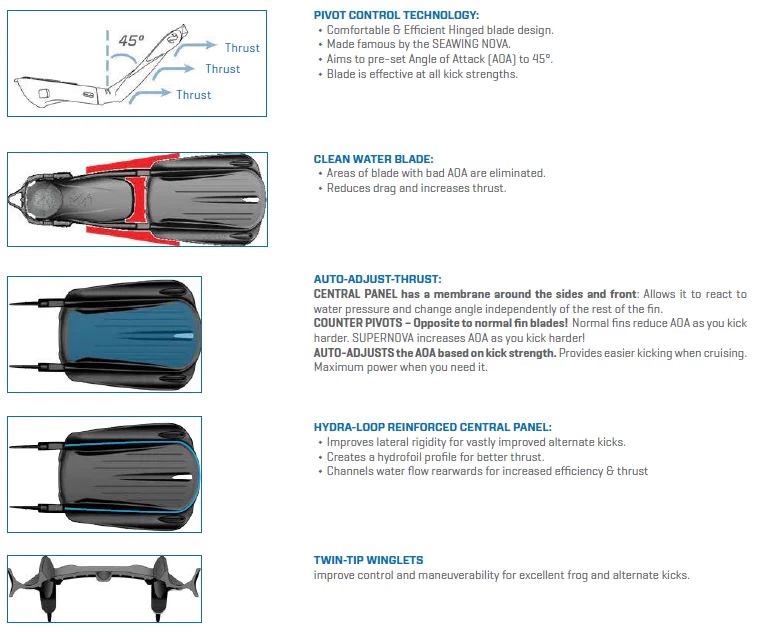
SCUBAPRO SUNDAY – ANZAC Day April 25th

Sunday, April 24th, 2022

This week on the 25th of April, Australian and New Zealand observe ANZAC day. It is their Memorial Day to remember their falling, it starts with a sunrise service, followed by ANZAC biscuits, and beer with brothers and family.  ANZAC day started as a remembrance of the invasion of Gallipoli, now it is used as a Remembrance Day for all who have been lost to war. Gallipoli was a plan hatched by Winston Churchill the first lord of the admiralty in WWI. I had the privilege of spending an ANZAC day in Perth a couple of years back, and it was amazing to see how close we are to our allies in the pacific. So, on the 25th April raise a glass to all of our brothers that have helped support us in everything we have done and helped promote freedom in the world. The ANZACs are the only countries that have been with the U.S. in every war we have fought since WW1, to include Vietnam and the Global War on Terror.

ANZAC is the acronym formed from the initial letters of the Australian and New Zealand Army Corps. This was the formation in which Australian and New Zealand soldiers in Egypt were grouped before the landing on Gallipoli in April 1915.

The acronym was first written as “A & NZ Army Corps.” However, clerks in the corps headquarters soon shortened it to ANZAC as a convenient telegraphic code name for addressing telegram messages.

I can never do justice telling the story of Gallipoli. Like most of WW1 and other battles, a lot of mistakes were made in the planning, but they were followed up by a lot of brave man doing whatever they had to do so their brothers would live another day. Long Live the Brotherhood.

www.awm.gov.au/learn/schools/resources/understanding-gallipoli

nzhistory.govt.nz/war/the-gallipoli-campaign/introduction

Class Reunion: U.S., Philippine Pilots Reconnect at Balikatan 22

Sunday, April 24th, 2022

CLARK AIR BASE, Philippines —  

More than 16 years and 7,000 miles from their first meeting as cadets at the United States Air Force Academy, two pilots reconnect while participating in an academic exchange during Balikatan 22, a bilateral military exercise that strengthens the long-standing alliance between the Philippines and the United States.

U.S. Air Force Maj. Dan Jackson and Philippine Air Force Maj. Dennis Marzo, who both attended the Air Force Academy in Colorado Springs, reconnected on March 29, 2022 at Clark Air Base, Pampanga, in the Philippines. The bond of training and shared experience both officers received at the academy was evident during their meeting and reflects the same bond and experience that the U.S. and Philippine armed forces build while working together during Balikatan.

“It was during the first day of class during Balikatan that I think we both realized we looked familiar, but it wasn’t until the end of academics that Dennis came up to me,” said Jackson, a 6th Special Operations Squadron combat aviation advisor evaluator pilot.

Every time he participates in exercise Balikatan, Marzo, a 15th Strike Wing A-29 pilot, makes it a habit to ask U.S. Air Force pilots if they went to the USAFA, where he attended as an exchange cadet in 2006. Jackson is one of the first pilots he has met who is from the same graduating class.

“We were also in the same Chinese class. It’s very exciting to meet him again,” said Marzo. “Out of more than a thousand cadets at the academy, there is small chance that we’d meet after graduation, especially if you’re working overseas.”

From classmates at the academy to leaders in their own countries’ militaries, both pilots expressed their surprise at meeting again under the circumstances and agreed that having a personal connection helped them collaborate more effectively while participating in exercise Balikatan.

“Even in recent history, we’ve done combat missions together, the United States and the Philippines. It just shows the importance of having these exercises to build that coordination, cooperation and joint tactics,” said Jackson.

Balikatan, meaning “shoulder-to-shoulder” in Tagalog, builds upon the shared history of cooperation and trust between the U.S. and the Philippines while allowing service members from both nations the opportunity to build friendships and broaden their understanding of each other.

“And it doesn’t end here,” added Marzo. “We develop connections and networks, so afterward we can still talk and learn from each other. It doesn’t end at Balikatan.”

By Airman 1st Class Anna Nolte

Kit Badger – The Smokeless Range & i-MMTS by Laser Ammo

Saturday, April 23rd, 2022

Kit Badger introduces us to Laser Ammo’s Smokeless Range and Interactive Multi Target System.

Read the rest at kitbadger.com/the-smokeless-range-i-mmts-by-laser-ammo.

ABCs of Risk Assessment

Saturday, April 23rd, 2022

Seneca’s quote on anticipating the coming troubles can be interpreted in these challenging times means that you can stay ahead of the action-reaction power curve by taking proactive measures instead of being relegated to reactive measures that place you behind the curve. Of course, the granddaddy of all proactive measures is to do risk assessment and develop control measures to reduce the probability of an undesired event.

Referred to as risk assessment or RA by the professionals such as high-end protective services and security specialists. A potential threat area (home, office, etc.) or activity (vacation or business travel) risk assessment should include an examination of potential risks via identification of known threats or threat areas, consideration of the likelihood and severity of an unwanted event, and implementation of realistic control measures to reduce likely risk. The risk assessment process can be further broken down by the numbers:

  1. Identify potential threats and/ or significant threat areas
  2. Estimate the likelihood and impact of an unwanted event
  3. Implement realistic control measures

It’s important to define terminology before running the RA process on a potential threat or threat area. The four most used RA terms are risk, threat, vulnerability, and assessment. 

Devgru Risk Assessment

Risk is the measurement of the frequency, probability, and impact of loss from exposure to threats.

Risk

  1. Frequency
  2. Probability
  3. Impact

A threat is a serious, impending, or recurring undesired event that can result in loss which must be handled. In terms of residential or workplace violence, a threat can range anywhere from pre-operational activities (security probes, collection of sensitive information, etc.) to an active shooter.

threat can also refer to an individual or the observable concerning behavior of an individual. Vulnerability is the quality or state of being exposed to the possibility of being attacked or harmed. Risk is the product of threat and vulnerability. The greater threat and/ or vulnerability, the greater the risk.

Risk = Threat x Vulnerability

Risk Assessment is a rational and orderly approach to problem identification and probability determination. As mentioned earlier, risk assessment is not a reactive approach but a proactive approach that should be part of any personal, home, or work security planning process. It involves figuring out the possible risks and how and when to control that risk should it become realized. 

An example of figuring out the possible risks and how and when to control that risk if it occurs is the design of a home invasion emergency action plan. Using a traditional residential security concept called ‘concentric rings of protection, ‘ multiple rings or layers of security are employed to create a 360-degree envelope of protection around your dwelling and its occupants. The concentric rings are like an onion of security wrapped around your home. 

The outermost ring is to deter – that is, remove any tools (hammers, screwdrivers, crowbars, etc.), ladders, and sporting equipment (baseball bats, etc.) from the yard. Have good lighting activated at night and some sort of gate or at least a fence or terrain barrier to help deter interest in your home. 

The next security ring is to detect – that is, use of any cameras or motion sensors to determine or observe a security breach. The next ring is to delay – be sure that there are good quality locking windows and doors installed to help keep an intruder at bay long enough for an appropriate response. 

The last of the four concentric rings of security is to deploy – that is, depending on which end of your home the attack initiates, what are your use of force deployment options? Have you established and reviewed a home protection emergency action plan with your family? 

When appropriately implemented, risk assessment promotes activity for reducing or eliminating long-term risk. The goal of effective risk assessment is sustained threat intervention.

Danger

Risk Assessment Examples

The very best example of RA is that of the commercial airline industry. Few industries have established such a quality risk assessment culture as that of the commercial airlines. The three most common guidelines utilized by the airlines and similar high-value security professionals are:

  1. Accept no unnecessary risk. Suppose you’re planning your vacation and know that a particular foreign country is under extreme civil unrest or worse. In that case, there’s no reason to accept the high probability risk of something bad happening to you or your family.
  2. Anticipate and manage risk by planning. Proactive measures assist you ahead of time and develop strategies that can be deployed in the event of an active threat. If you need to drive for a very long distance to a destination you’ve never been before, then looking at a map ahead of time to get your bearings and keeping your gas tank near full are two proactive measures that can help prevent you from needing roadside assistance or getting lost in an unknown or potentially high-threat area.
  3. Make appropriate risk decisions at the right awareness level. If you’re walking through a nasty part of town, then your personal security radar should be clicked up to a higher setting than when you’re locked in your car with the windows rolled up and driving at speeds around 65 MPH on a freeway. The worse decision you can make is to click to a lower level of situational awareness where and when you need it the most.

PMC PSD

Top security professionals recommend following the ABCs of risk management – Assess, Balance and Communicate. 

Assess is applying your situational awareness to your immediate environment and continually evaluating what’s happening. Forewarned is forearmed and places you ahead of the action-reaction power curve. Taking in good information allows you better decision-making that will affect future outcomes.

Balance is your evaluation of a given situation. Applying your situational awareness and processing relevant information gleaned from your environment (assessment) allows you to weigh the pros and cons of a tactical decision like an accounting balance sheet in your head.

Communicate. If there are others with you, it’s recommended to timely and appropriately verbalize your plan. For example, “Hey kids, let’s get back to the car!” 

Risk is an expression of the probability and severity of an undesired event. It occurs at many levels (compromise of personal safety, making the decision to accept unwarranted risk, etc.) Risk is controlled by balancing the factors that might increase risk, decrease the potential of an undesired event, and increase the likelihood of a positive outcome.

Remember your ABCs – Assess, Balance, and Communicate. Follow the professional RA guidelines by accepting no unnecessary risk, anticipate and manage risk by planning and making appropriate risk decisions at the appropriate awareness level. The product of good risk assessment keeps you ahead of the action-reaction power curve by implementing proactive measures.

About the Author: 

Steve Tarani is a former full-time CIA protective programs employee, small arms and defensive tactics subject matter expert who served on POTUS 45 pre-election executive protection detail. He is the lead instructor for NRA’s non-ballistic weapons training program offered nationally and a widely recognized SME on matters of personal protection and urban survival. Tarani is also a DoD and FLETC-certified federal firearms instructor who has been on staff at Gunsite Academy (AZ) as a Rangemaster for over twenty years. Formerly sworn, he is also a former federal contractor and service provider for the US Defense Intelligence Community, US Naval Special Operations Command, and other government agencies. Additionally, Tarani serves on the National Sheriffs’ Association Committee for School Safety and Security.