XC3 Weaponlight

Archive for the ‘Guest Post’ Category

Air Force’s Special Warfare Training Builds Physical, Intellectual Leaders Ready To Handle Threats Worldwide

Wednesday, October 28th, 2020

JOINT BASE SAN ANTONIO-LACKLAND, Texas (AFNS) —

Army Gen. Richard D. Clarke, commander of U.S. Special Operations Command, saw firsthand how Air Education and Training Command officials ensure joint forces are well equipped with ready and lethal special operations Airmen during a visit to Joint Base San Antonio-Lackland Oct. 16.
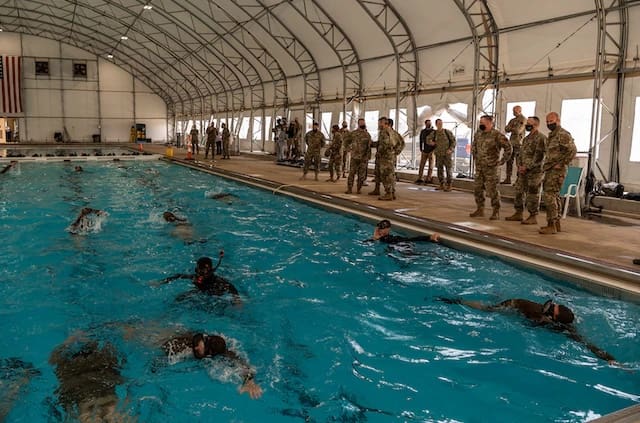
“This visit shined a spotlight on how AETC recruits and trains all enlisted Air Force special warfare operators,” said Lt. Gen. Brad Webb, commander of Air Education and Training Command. “The next generation of Airmen must be lethal and ready to compete, deter and win in an increasingly complex environment, and it starts here in the First Command.”

The visit traced the initial skills training path of special operators from recruiting and accessions through basic and technical training.

“The realism and intensity of this training is vital because when these Airmen finish their training, they’ll need to address challenges we may not be able to predict,” Clarke said. “AETC is training leaders who will be asked to address an ever-changing landscape where the fight we’ve engaged in since 9/11 may not resemble the threat our adversaries will present in the coming years. The physical toughness, intellectual capacity and ethical core these Airmen are developing during their training will help the Joint Force address the worldwide range of challenges each geographic combatant commander faces.”

“Having the agility of mind to understand mission-type orders, to understand commander’s intent and be able to move out are essential elements of AETC and the training we provide special warfare Airmen,” Webb added.

The path of a special operator starts with Air Force Recruiting Service. To help find the right candidates who can excel through an intense training pipeline, AFRS established the 330th Recruiting Squadron, a specialty squadron whose mission is to effectively scout, develop and guide future special warfare Airmen to their combat calling.

“Our special warfare careers are some of the most challenging career fields we have to fill,” said Maj. Gen. Edward Thomas, AFRS commander. “Candidates must meet exceptionally high physical standards and must have the grit and determination to push further and harder.”

Enlisted special warfare career fields include combat controllers, pararescue, special reconnaissance, and tactical air control party. In 2019, the 330th RCS successfully increased recruitment 20% compared to their inaugural year in 2018.

Once trainees are recruited, Second Air Force takes the lead, beginning with basic military training at JB San Antonio-Lackland, under the responsibility of the 37th Training Wing.

“BMT sets the foundation for all of the Air Force’s enlisted Airmen,” said Maj. Gen. Andrea Tullos, Second Air Force commander. “We are aligning foundational competencies to meet National Defense Strategy objectives so our Airmen immediately enhance mission execution when they join their first Air Force or joint team.”

While at BMT, enlisted special warfare trainees receive additional physical training and are aggregated in flights together so they can foster the camaraderie needed to prepare them for the next phase of training they enter in the Special Warfare Training Wing, also located at JB San Antonio-Lackland.

“We are training these newly-minted Airmen to meet the demands of the future battlefield,” said Col. Mason Dula, Special Warfare Training Wing commander. “We push the limits of human performance and technology to build a stronger, smarter, more lethal force capable of solving the nation’s most complex military problems.”

Training begins with the Special Warfare Preparatory Course before recruits are vectored into an Air Force specialty code. Depending on their AFSC, trainees move to other locations around the country for schools such as Air Force Combat Dive School, Airborne and Survival, Evasion, Resistance and Escape School. Each course is meant to push trainees’ mental and physical abilities to their limits.

“As a tactical air control party, I can attest that this training pushes our Airmen to their limits, but it also prepares them for the reality of the austere environments they will face as an operator,” said Chief Master Sgt. Adam Vizi, Second Air Force command chief. “Going through all of the training associated with the TAC-P pipeline ensured I was trained, equipped and ready to deliver timely, accurate and lethal effects on the battlefield.”

There are several training pipelines, which, depending on the specialty, vary in length. Airmen who successfully complete training proceed to their operational units and join Air Force special tactics teams or joint forces at USSOCOM.
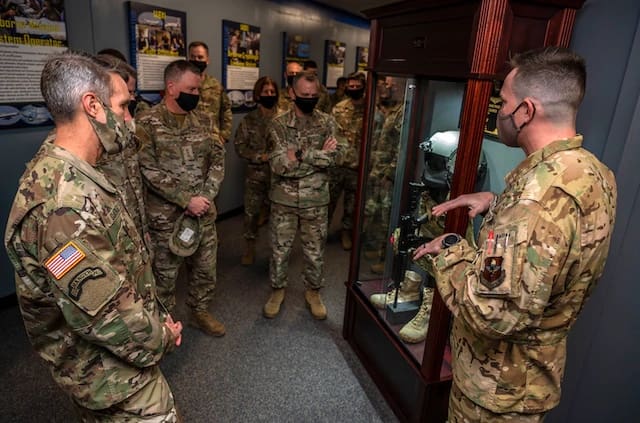
The tour also included a visit to the Career Enlisted Aircrew Center of Excellence. Here, members of the 37th Training Group have established an Air Force specialty code baseline and prepare candidates to complete follow-on flight training programs. The COE staff members prepare graduates for nine AFSC-awarding courses, including four that directly support special operations. After completing the Aircrew Fundamentals Course, students who complete the Basic Flight Engineer, Basic Loadmaster Course or Basic Special Missions Aviation Course attend initial qualification courses that prepare them to be Air Commandos.

“These enlisted Airmen take the training they gain here in the First Command and carry it with them through their operational careers,” said Chief Master Sgt. Erik Thompson, AETC command chief. “It is imperative we provide them with the preparation they need to compete in every domain and win for the joint force and the nation.”

Story by Jennifer Gonzalez, Air Education and Training Command Public Affairs

Photos by Johnny Saldivar
‘SWAT Team of Nerds’ Tackles Tough Tech Challenges

Tuesday, October 27th, 2020

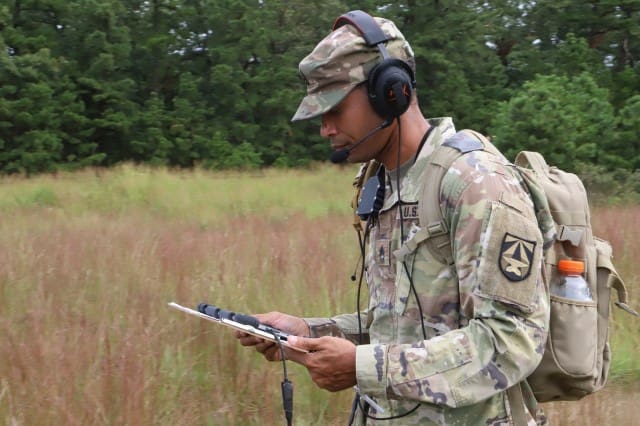
WASHINGTON — The Defense Digital Service is a team of 82 engineers, data scientists and computer scientists, working on some of the hardest problems in the Defense Department.

Brett Goldstein, DDS director, said they’re a “swat team of nerds.” He spoke remotely today to the Center for a New American Security in Washington, D.C.

A big advantage of DDS, he said, is that it reports directly to the secretary of defense.

That means the team is able to quickly answer the call if any tech issue arises. He also said that they could work on large projects rapidly when needed.

DDS has worked on the much-publicized “hack the Pentagon” program, which looks for vulnerabilities in the department’s information technology systems and comes up with ways to fix them, as well as to improve software and hardware.

Currently, DDS is partnering with the National Security Agency to cyber-protect Operation Warp Speed’s search for a COVID-19 vaccine, he said.

DDS has also partnered with the medical community to develop COVID-19 symptoms checkers, which DOD personnel and their families can use to figure out if they need to get medical care, he said.

Another important ongoing program is the counter-unmanned aerial systems initiative, which addresses the problem of being attacked by swarms of small, hard-to-detect unmanned aircraft systems. Goldstein said that a rapid response team is on standby to fly out to remote areas should the problem arise.

For example, when the USNS Comfort and Mercy hospital ships were aiding in the COVID-19 effort, DDS personnel were helping to ensure small UAS were not being used to attack them.

DDS is also working with the Joint Artificial Intelligence Center to advance AI and machine learning, he said.

Most DDS employees recruited are civilians coming for two- to four-year terms, from the Silicon Valley world. The selection process is very rigorous, he said, because those who are selected will be working on the hardest problems in the department.

Goldstein said the team members are given the most “wicked” projects to work on and they’re okay with that because “engineers love challenges.”

Some advice Goldstein has for information technology leaders in the department: “We need to sometimes talk a little less and execute a little more. Sometimes we’ll be dead-on and sometimes we’ll fail, learn from the failure and then be okay with the failure and just try again. Like that’s the type of environment we need to encourage. Americans are innovative. We need to foster that innovation here.”

By David Vergun, Defense.gov

MATBOCK Monday – Lift System

Monday, October 26th, 2020

Lift System

Good morning and Happy MATBOCK Monday!

S – Lift

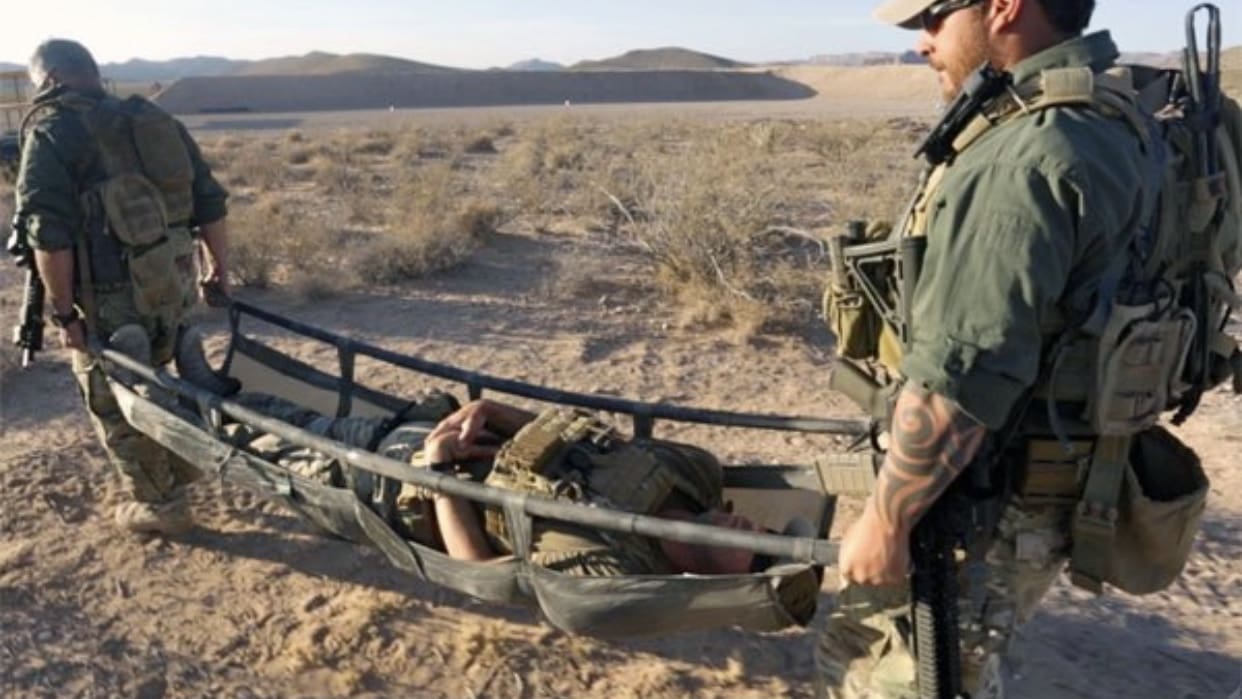
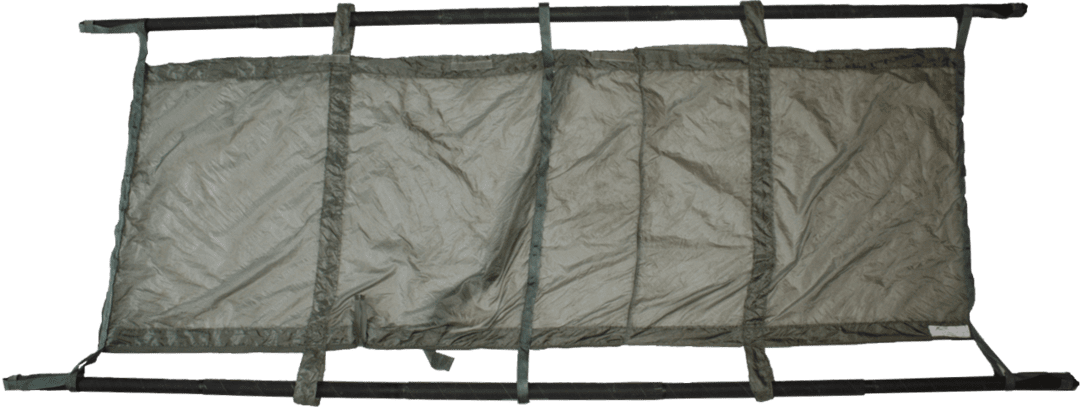
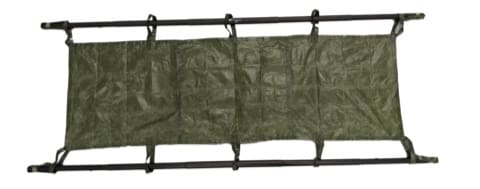
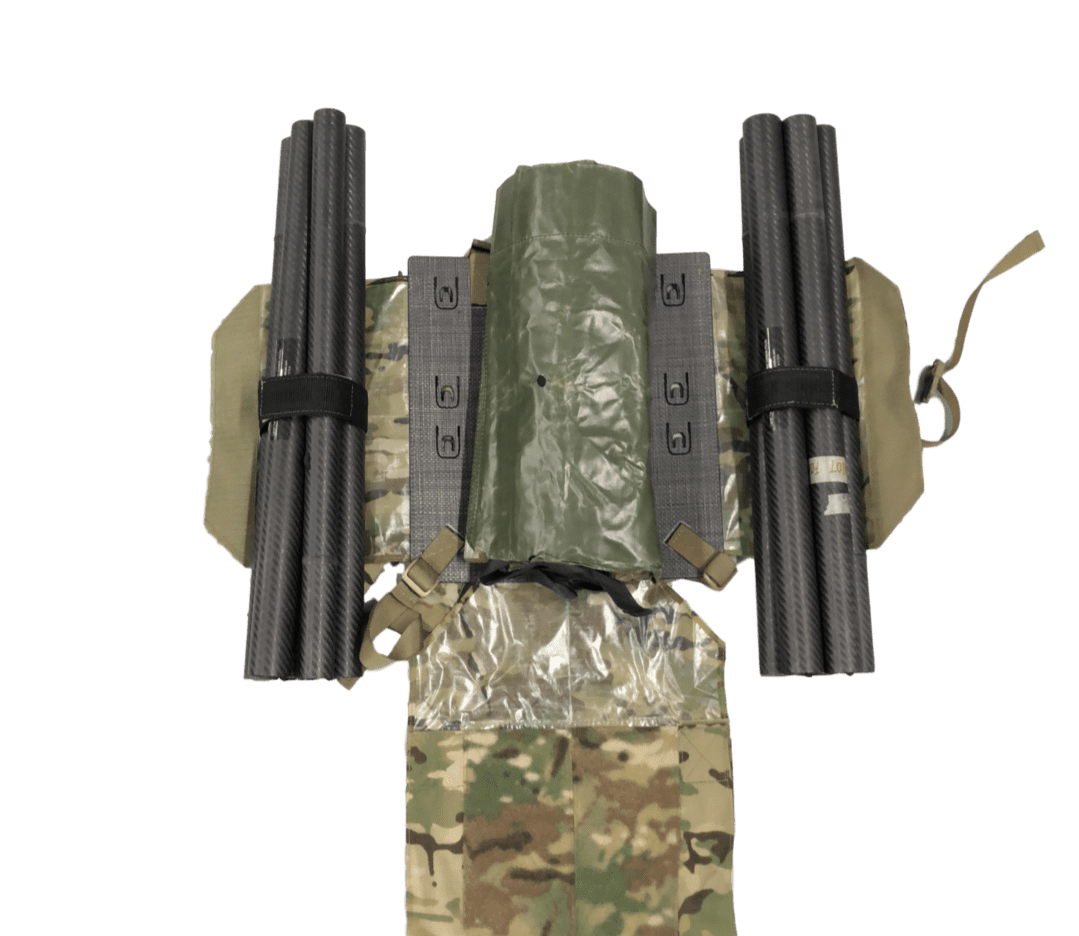
At 6.5 feet long, the stretcher is long enough to accommodate all operators and has a maximum carrying capacity of 400 lbs for both the operator and his/her gear. The stretcher has 5 handles per side to give each team a multitude of configurations for carrying a downed man. Additionally, the litter collapses and zips together to form a multipurpose, lightweight, Sensitive Site Exploitation (SSE) bag. The bag is augmented with a single adjustable strap for easy carry when loaded, a drawstring to secure the bag contents and is small enough to fold up and be stored in a cargo pocket. The S-LIFT is compatible with the Combat Carbon Poles.

J – Lift

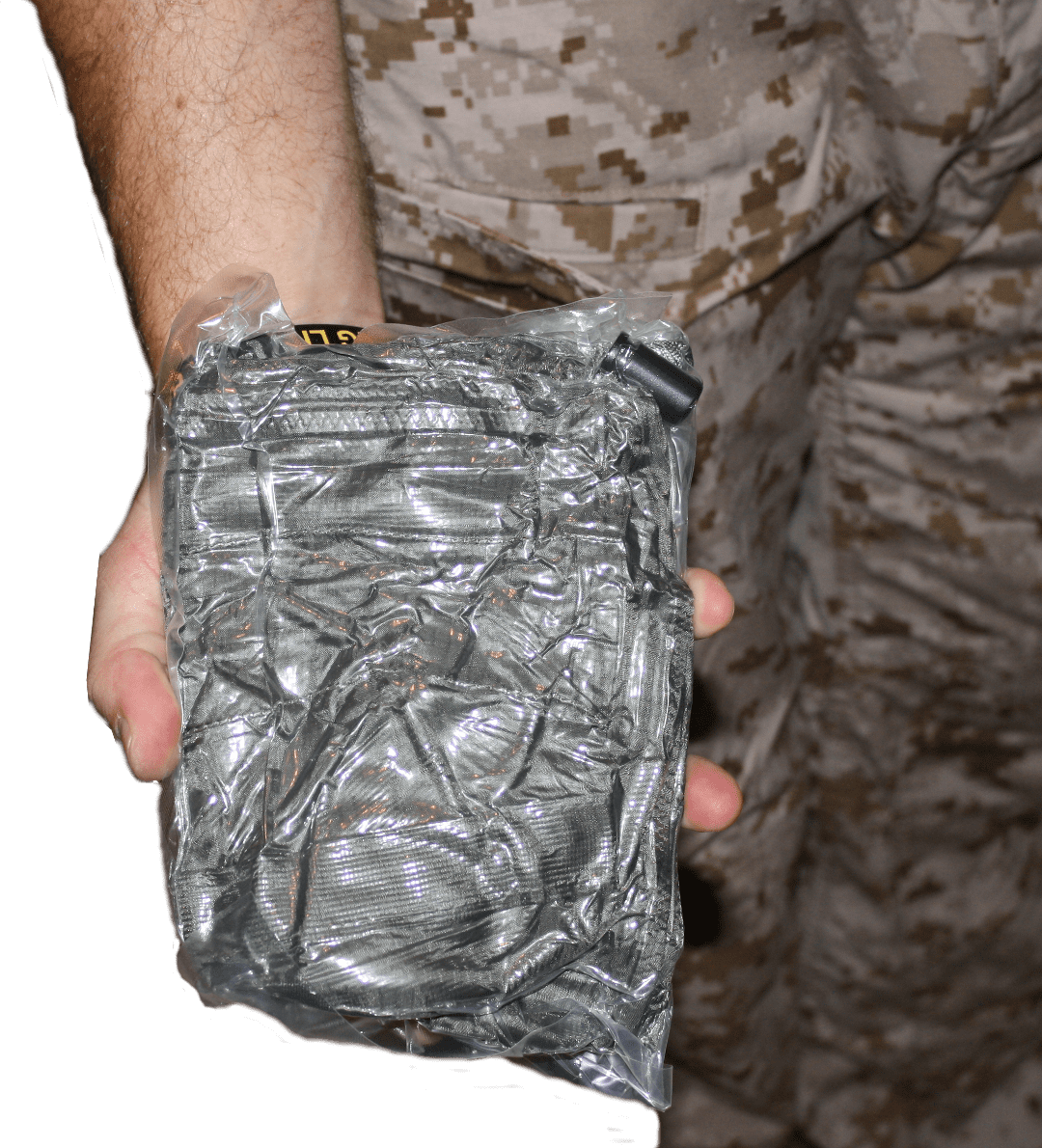
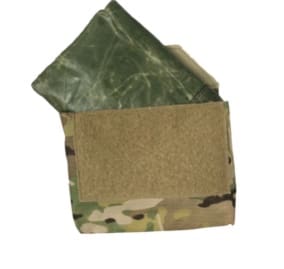
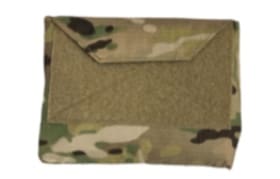
Made from Ultra High-Density Polyethylene, it will not absorb water, biological or chemical hazards and can handle decontamination in all standard chemicals without degradation in strength or abrasion resistance. Additionally, the stretcher is constructed with Kevlar stitching to ensure even the stitching won’t absorb those hazards. The J-LIFT is compatible with the Combat Carbon Poles.

6″ W x 5.5″ L x 1.5″ D in case

26″ W x 78″ L when deployed

Weight: 12 ounces (with carrier)

Weight with poles: 3.3 lbs

R – Lift

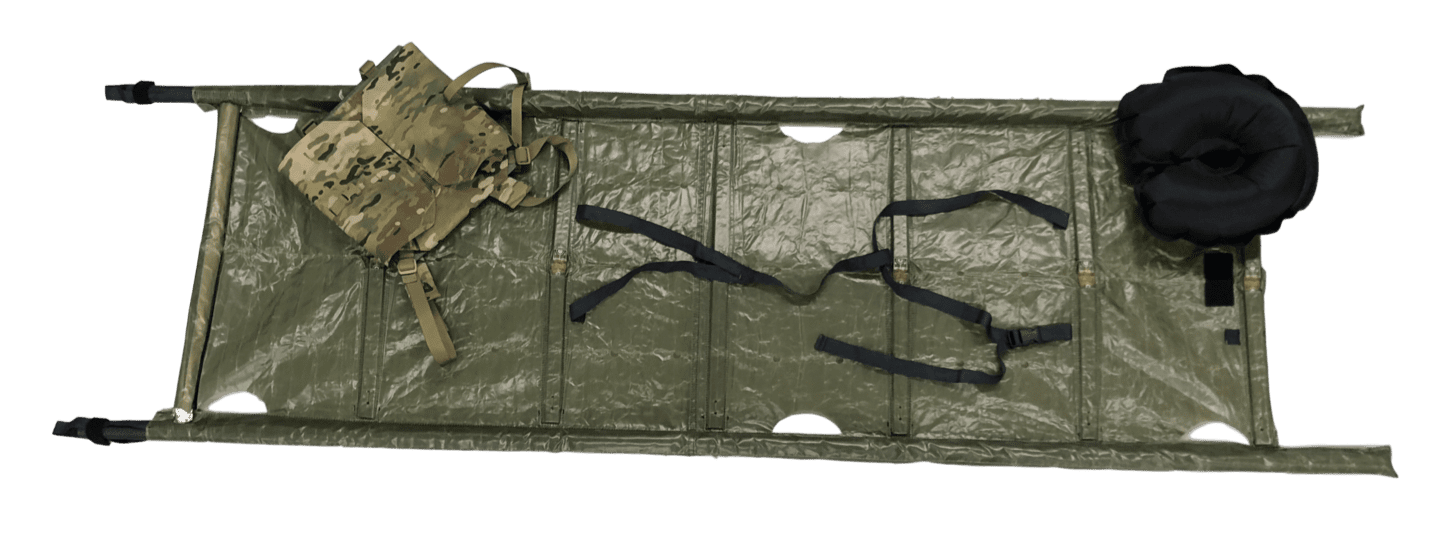
The R-LIFT is a fully rigid litter that deploys in seconds, weighs only 6 lbs on its own and only 6.5 lbs with the carrying pack. It boasts a maximum load carrying capacity of 400 lbs. The litter is constructed from Ultra High-Density Polyethylene and Kevlar stitching, offering extremely high abrasion resistance and strength, inability to absorb blood, pathogens, chemical or biological hazards, and still decrease weight and size. Additionally, The R-LIFT comes with a built-in inflatable air bladder designed to support the head and align the spine. The R-LIFT comes with a replaceable integrated emergency blanket that can be deployed quickly to prevent hypothermia. The R-LIFT is compatible with the Combat Carbon Poles.

Don’t forget to tune in on Monday at 1:00 PM EST as we go live for a demo and answer your questions!

www.matbock.com/collections/medical/LIFT-System

SCUBAPRO Sunday – D420 Regulator

Sunday, October 25th, 2020

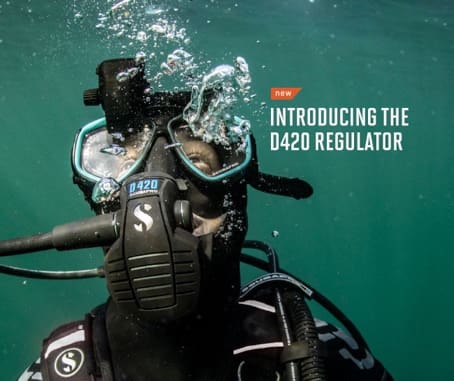
Combining the original D-Series regulators’ iconic design with the latest advances in breathing performance technology, SCUBAPRO engineers have created a 21st-century regulator in terms of quality, reliability, performance, and style.

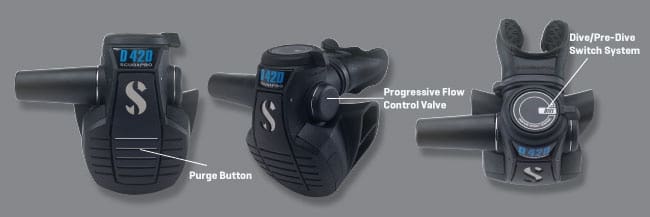
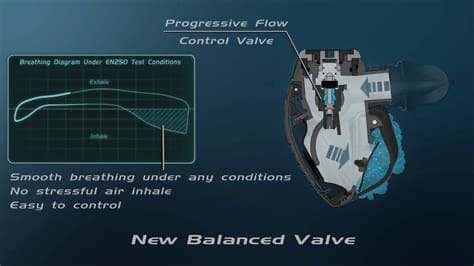
The new D420 features a brand-new balanced valve inside a housing supported by a full metal structure. Called the Progressive Flow Control Valve, it can deliver excellent airflow for the best breathing performance, with a natural smoothness comparable to what you might experience breathing on the surface. The uniquely shaped fiberglass-reinforced nylon casing is ultra-durable and allows the LP hose to be connected on either the right or left side for maximum rigging flexibility. A new dive/pre-dive system includes a switch on the top of the casing with a thumb tab for adjusting the direction of airflow right out of the valve. The highly efficient purge button is a technical jewel based on a new concept that gives the D420 its unique face — teamed with the MK25 EVO balanced piston first stage, a regulator system purpose-designed for avid and professional divers.

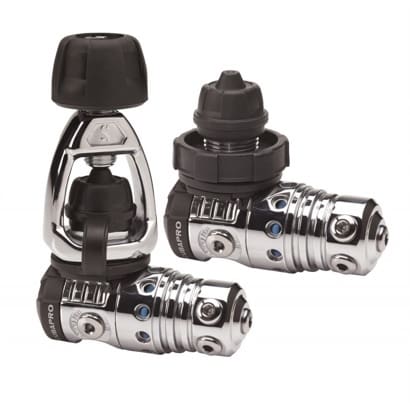
SCUBAPRO has been a Leader in the Evolution of piston controlled first stages since it was started in 1963; the MK25 EVO carries on this heritage with an array of patented features ensuring unfailing performance. The MK25EVO is a balanced piston first stage and is one of the best in its field. It is a superior regulator because of its ultra-stable intermediate pressure (IP), resulting in extraordinarily punctual and constantly high air delivery.

Air balanced, flow-thru-piston first stages with air balanced pistons deliver significantly more air to the second stage than any other first stage. At the same time, their performance is totally unaffected by the changing tank pressure. A balanced piston allows the use of lighter and more sensitive components, resulting in ultra-fast breathing response, instant delivery of air on demand, and extra-high airflow, especially in low tank pressure ranges. This benefits a tired diver giving them a smoother breathing regulator during all stages of the dive, from the descent to the ascent or deco stop. Balanced piston first stages are the first choice of demanding sport divers and professionals. A balanced piston performs equally in warm and cold-water environments.

Cold Water Diving conditions can be different, including extreme cold water and outside temperatures, posing the possibility of a regulator “freezing.” Therefore, resistance to freezing is imperative for the diver. The MK25 EVO regulator uses SCUBAPRO’s new Extended Thermal Insulating System (XTIS). The SCUBAPRO MK25 EVO first stage regulator meets the new EN250-2014 requirements for cold water diving, CE approved for 3360psi (230 bars). This model goes even beyond this super stringent qualification and has successfully been tested in extreme cold diving conditions at less than 36°F (2.2°C). The freezing resistance has been increased by 30% over the previous MK25 regulator first stage. SCUBAPRO has achieved this with some new design features. The new MK25 EVO has a proprietary thermal insulating coating on key internal components and an encapsulating main spring bushing that resists the cooling effect in previous MK25 first stage regulators, also; as a specific anti-freezing measure; our engineers have designed a patented finned cap with additional body fins for the MK25 EVO first stages for optimal-cold water diving. The fins (ribs) of the XTIS act as a radiator to increase the surface area of heat transfer from the water to warm up the internal parts that have been drastically cooled down by the gas pressure drop. The new MK25 EVO has a bigger body cap, a new body with insulating bushing and ribs, a new antifreeze cap patented isolation system with all internal parts fully insulated to improve cold-water performance dramatically.

The MK25 EVO is manufactured from marine grade chrome plated brass and offers a balanced composite/stainless steel flow-thru piston that would make any diver proud. It demonstrates SCUABPRO’s dedication to quality and creating positive diving experiences.

Sec Esper Discusses New Technologies Designed to Give Warfighters the Advantage

Saturday, October 24th, 2020

WASHINGTON — Defense Secretary Dr. Mark T. Esper spoke today about Army modernization efforts that harness new technologies that will benefit the warfighter. His remarks were given during the Association of the United States Army’s annual meeting.

“Today, emerging technologies are expanding the geometry of the battlefield and transforming how we think about, prepare and plan for war,” he said.

The reason for this transformation, he said, is because near-peer rivals China and Russia are seeking to erode America’s long-standing military advantages through cutting edge military innovation such as precision long-range fires, anti-access area denial systems, or A2AD, and other asymmetric capabilities designed to counter U.S. strengths.

“In space, Moscow and Beijing have weaponized a once-peaceful domain with killer satellites, directed energy weapons and more in an effort to seize the high ground and chip away at our military edge,” he said.

They also exploit cyberspace as a means to undermine U.S. advantages without confronting the Defense Department’s conventional strengths, he added.

To remain ahead of these threats, the department must harness new technologies, Esper continued.

In the last several years, the Army has “ruthlessly redirected time, money and manpower to its highest priorities,” he said, noting hypersonic weapons are at the top of that list of priorities.

“As our competitors develop long-range fires to inhibit our freedom of maneuver, we’re increasing our investments in hypersonics over the next five years, so we can ramp up testing and develop these capabilities to the warfighter as quickly as possible,” he said.

In March, the Army and Navy reached an important milestone by jointly launching a successful test of a hypersonics glide body, he noted. The plan is to integrate this technology into an Army battery by 2023.

At the same time, the Army is investing in the interim maneuver, short-range air-defense platform to provide soldiers with 360-degree protection from unmanned aircraft systems and other low-altitude aerial threats, he said.

This system will most likely be integrated into four battalions in Europe in 2023, he added.

To bolster the department’s advantage in the land domain, the armored multi-purpose vehicle, the replacement for the Vietnam-era M113 armored personnel carrier, is currently rolling off the production line, he added, and it is being integrated into the armored brigade combat team.

These and other technologies and developments are building combat credible capabilities, allowing the DOD to target A2AD complexes and enable joint maneuvers across all domains, thanks in large part to industry partners who have persevered during the COVID-19 pandemic and kept supply chains open and delivery of systems on time, he mentioned.

Army Futures Command has been instrumental in helping to develop emerging technologies across all domains, Esper said.

The command recently conducted a live-fire simulation of unmanned to unmanned teaming with drones and satellites relaying target coordinates with ground artillery and artificial intelligence-enabled weapons systems, he said.

Another AFC initiative, Esper said, is Project Convergence 2021. As the name suggests, it is a multiplatform initiative being developed to merge joint force capabilities and keep pace with technological change in order to help the maneuver force operate more efficiently across the land, air, sea, space and cyberspace domains. He added that allies and partners will be included in this effort.

He also added that “Project Convergence will play an integral role in the department’s development of Joint All-Domain Command and Control, which will modernize how the military fights.”

The defense secretary then explained the importance of working with allies and partners by providing some examples.

In 2018, the Army stood up the Multi-Domain Task Force to synchronize modernization efforts of joint assets with partners in the Indo-Pacific region, he said. Next year, its efforts will be centered in Europe.

In Europe, Stryker units will increasingly deploy in continuous rotations in the easternmost edge of Europe, he said.

Plans are also underway to rotate the lead element of the Army’s new V Corps into Poland, once agreements are finalized, he noted.

The Army is strengthening alliances and partnerships, particularly in the Indo-Pacific region, where it is also expanding training exercises that enhance interoperability, he said.

This year, the Army is stationing a company-sized Stryker vehicle training set in Thailand to support the Royal Thai Army as they build their own Stryker program, he said. The Army also plans to expand its International Military Education and Training Program and increase military school slots in support of their Stryker program.

Worldwide, the Army and the other services are employing a concept known as dynamic force employment, he said.

“The Army applied this to build rapid-power projection through dispersed, prepositioned equipment. This has enabled the department to become more nimble and less predictable and better capable of rapidly shifting to combat operations as needed,” he said.

All of these efforts prepare the department “for the high-end fight that we hope we must never have but must be prepared to win,” Esper concluded.

By David Vergun, Defense.gov

FirstSpear Friday Focus – FirstSpear Asset Technical Field Shirt & Field Shirt

Friday, October 23rd, 2020

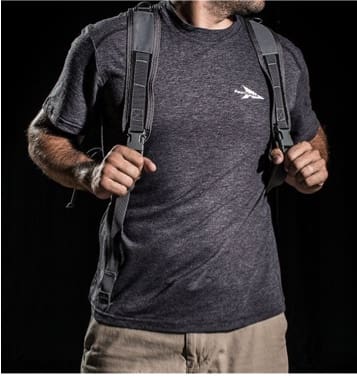
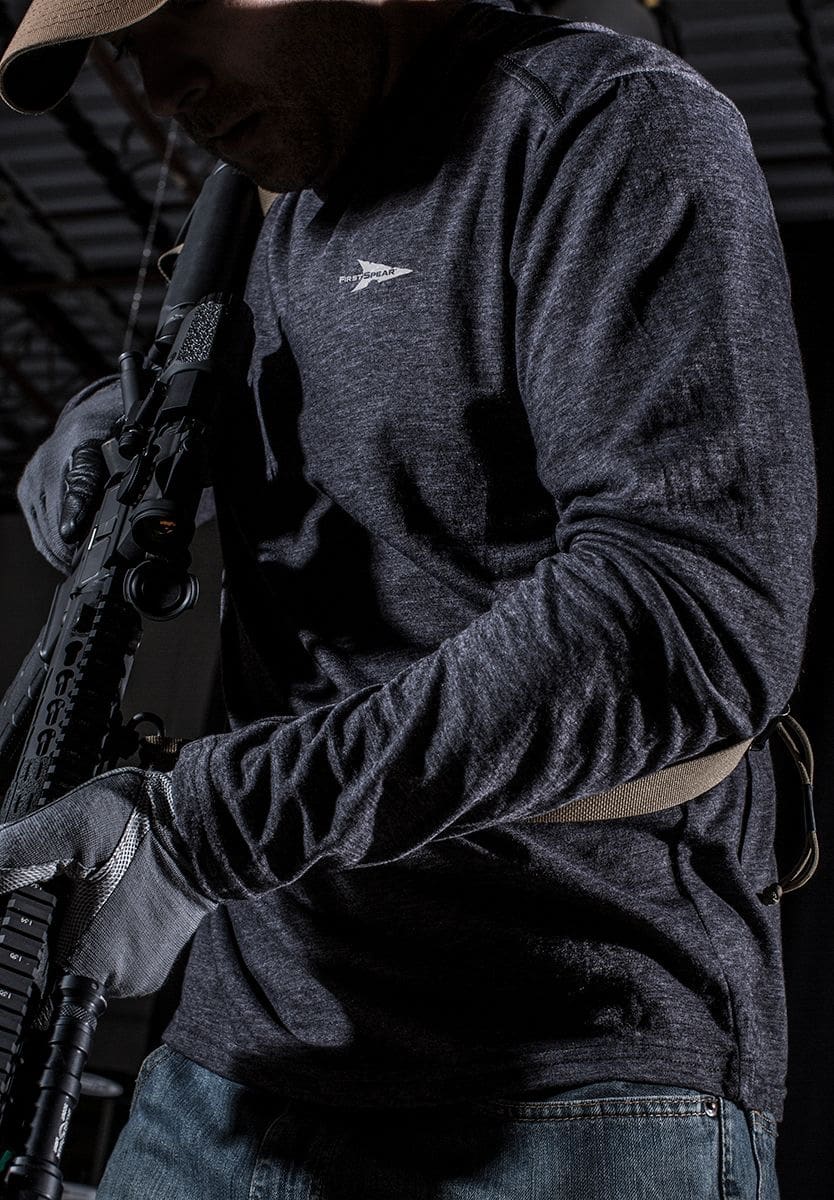
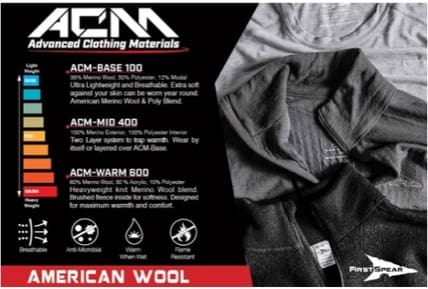
As the fall is underway, it’s time to break out the base layers and prep for cold weather. Cold can be a real killer for those exposed to the elements for long periods of time. Staying warm and dry is imperative. Enter FirstSpear’s American Merino Wool lineup. This week we focus on base layers: the Field Shirt & the Asset Technical Field Shirt.

Designed as a lightweight baselayers that wick moisture from your skin and keeps you dry, our ethically-sourced made in the USA wool Field Shirt and Asset Technical Field Shirt are must-haves. They are breathable and light enough to keep you cool during the heat or help trap warmth when layered with other clothing.

The Field Shirt comes in long sleeve and short sleeve.

SPECS:

Model: Field Shirt

Size: S, M, L, XL, 2XL

Colors: Black, Charcoal, FS Commando, FS Sand

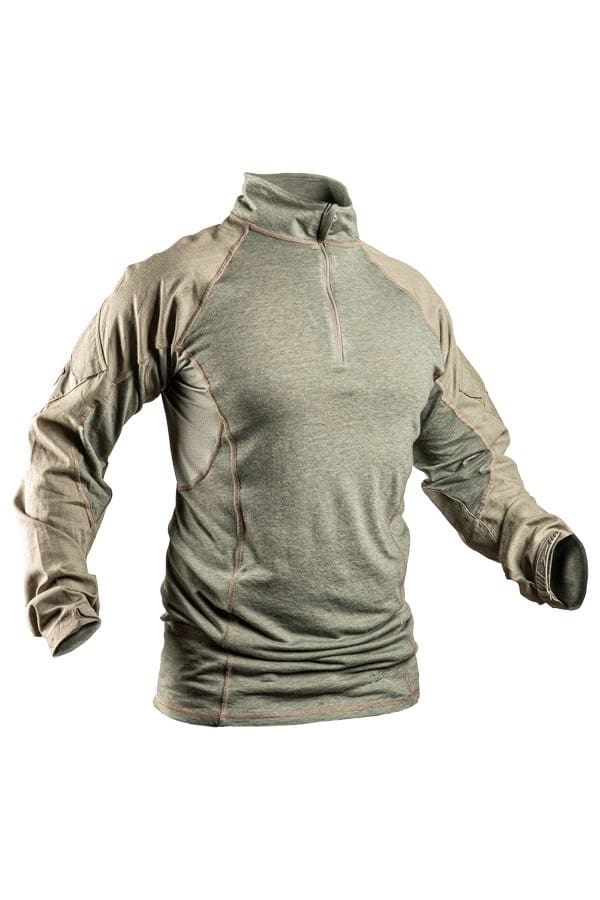
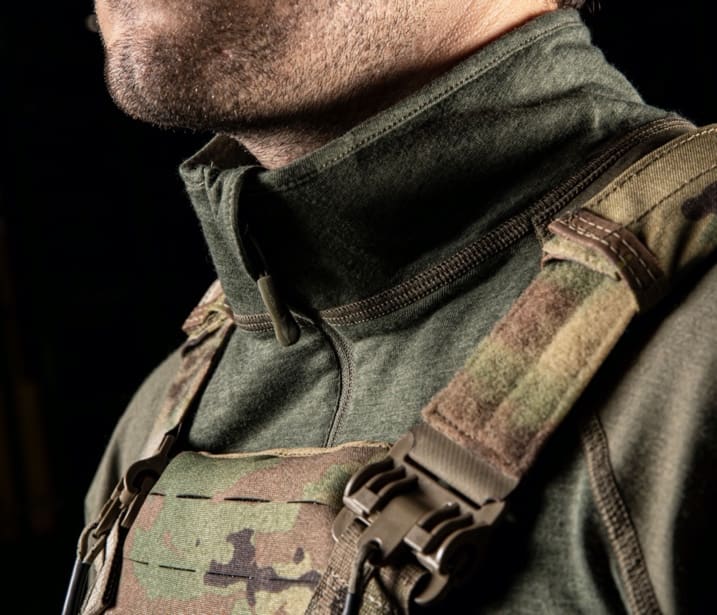
The Asset Technical Field Shirt features FR Rayon, P-Aramid and Nylon plain weave 3-ounce sleeves, anti-friction NanoGlide mesh underarms, inherently heat and flame resistant and features moisture-wicking and anti-microbial properties. The Asset shirt is 100% Berry Compliant and engineered to be a gunfighter’s best friend. Low profile-loop attachment points come standard for FS Cell Tags or IFF.

SPECS:

Model: Asset Technical Field Shirt

Size: S, M, L, XL, 2XL

Colors: Black/heather grey, FS commando, FS sand

Constructed from ACM (Advanced Clothing Materials) BASE 100, it’s the lightest weight Merino Wool package FS offers in its ACM Technical Apparel line. Made from 38% fine Merino American-sourced wool, 50% Polyester and 12% Modal. The ACM Base 100 Line blends comfort, performance and fit to give you the best durability and functionality when you need it most. Combining 100% source verified American Merino Wool with our other quality materials to make ACM. The ACM Base 100 is designed to be extra soft against your skin and to be worn year-round.

Constantly pushing the envelope in technological advances to better serve the warfighter and first responders, check out First-Spear.com. To read more about our technology advancements, go to First-Spear.tech.

First Arctic Survival Kits Installed in Eielson F-35As

Friday, October 23rd, 2020

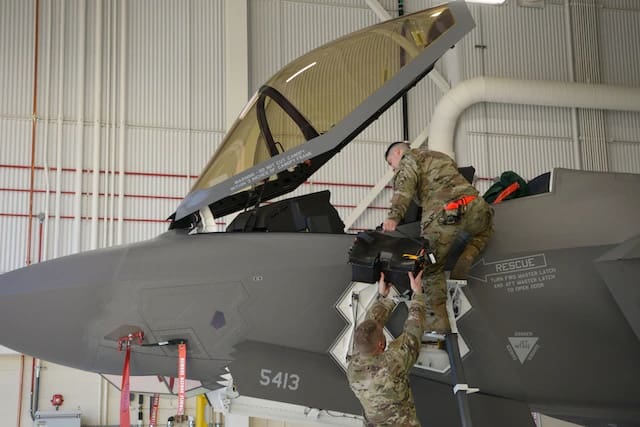
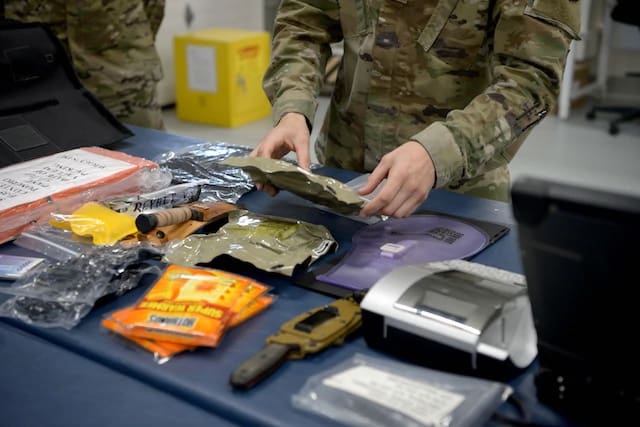
EIELSON AIR FORCE BASE, Alaska — In November of 2019, Airmen from the 354th Fighter Wing developed a new arctic survival kit for the F-35A Lightning II. Now, 11 months later, the first kits are being installed in Eielson’s F-35A fleet.

Eielson’s F-35As are the first of the Air Force’s fleet to be stationed in an arctic climate, which drove the need for a new survival kit. After months of research, development and testing, the design was sent to the 354th Operations Group commander for approval. In April the kit was given the “green light” and aircrew flight equipment Airmen got busy building them for the approaching winter.

“Due to the smaller size of the seat we are limited on how many items we can pack in here,” said U.S. Air Force Staff Sgt. Ross Dugger, a 354th Operations Support Squadron AFE craftsman. “Over the years, we’ve worked with [survival, evasion, resistance and escape specialists] to develop this kit and decided what is the most essential equipment needed to survive.”

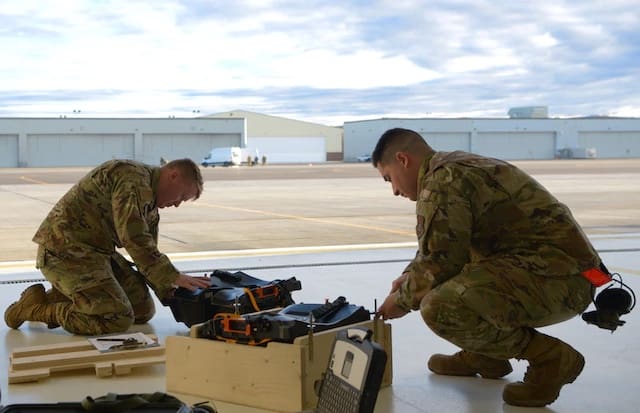
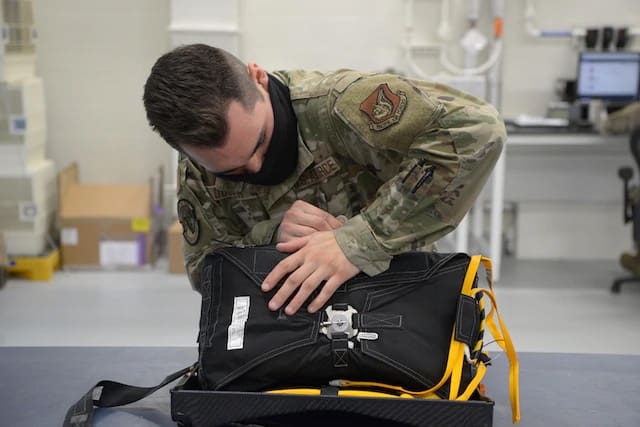
Airmen from AFE are responsible for packing the kit to fit a specific size in the F-35A before it is ready to go into the jet. The kit consists of survival tools and equipment to help pilots in case of an emergency ejection to include a knife for gathering food, a poncho to stay dry, and flares to signal rescue teams.

“It’s been a learning curve, with the seats being so new they are not as easy to pack,” Dugger said. “With time we will become more efficient and continue to ensure our pilots’ safety.”

After the kit has been packed and fitted to the seat, Airmen assigned to the 354th Maintenance Squadron Aircrew Egress Flight bring the kit to the jet and carefully swap the summer kit with the arctic kit. While doing this, Egress also inspects the seat for discrepancies to ensure the pilot will be safe if they eject.

“We are starting from the ground up, setting up systems and learning as we go,” said Staff Sgt. Victor Benitez, a 354th MXS Aircrew Egress specialist. “There’s a lot of components and sometimes it can take a long time to put just one bolt in, but it has to be done so that everything works 100 percent of the time.”

The new arctic seat kits will be installed on all of Eielson’s F-35A fleet and could potentially be used by some partner nations who have F-35s in similar climates.

“Hopefully they never have to use these items but I take a lot of pride in my work, which could potentially save a pilot’s life,” Dugger said.

By Senior Airman Beaux Hebert, 354th Fighter Wing Public Affairs

Brigantes Presents – One Bravo Quadcopter Drones

Wednesday, October 21st, 2020

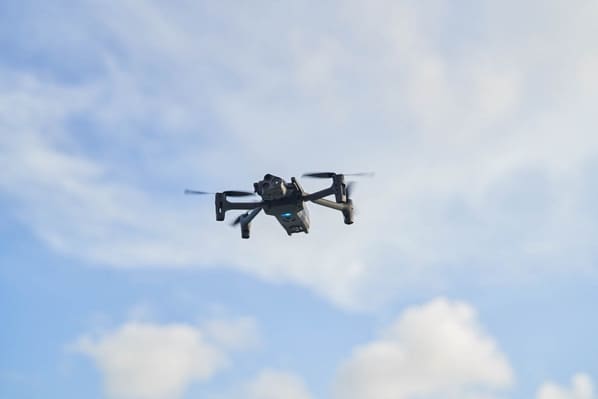
Parrot have long been the European leader in professional consumer drones and the features of these drones are able to translate very successfully within a military environment.

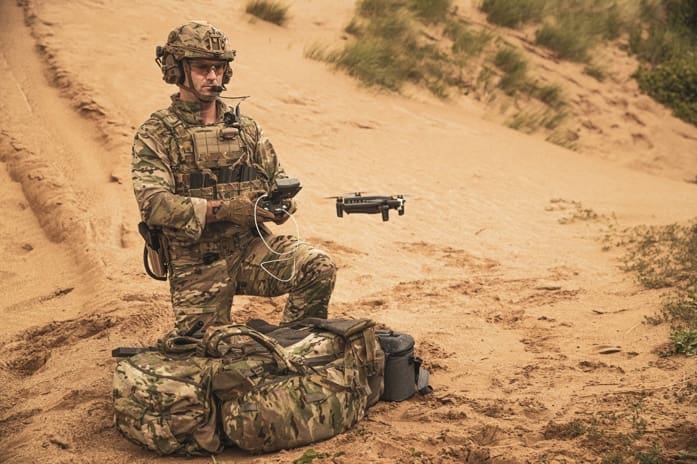
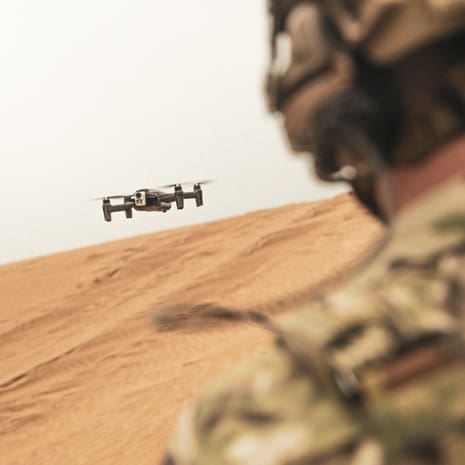
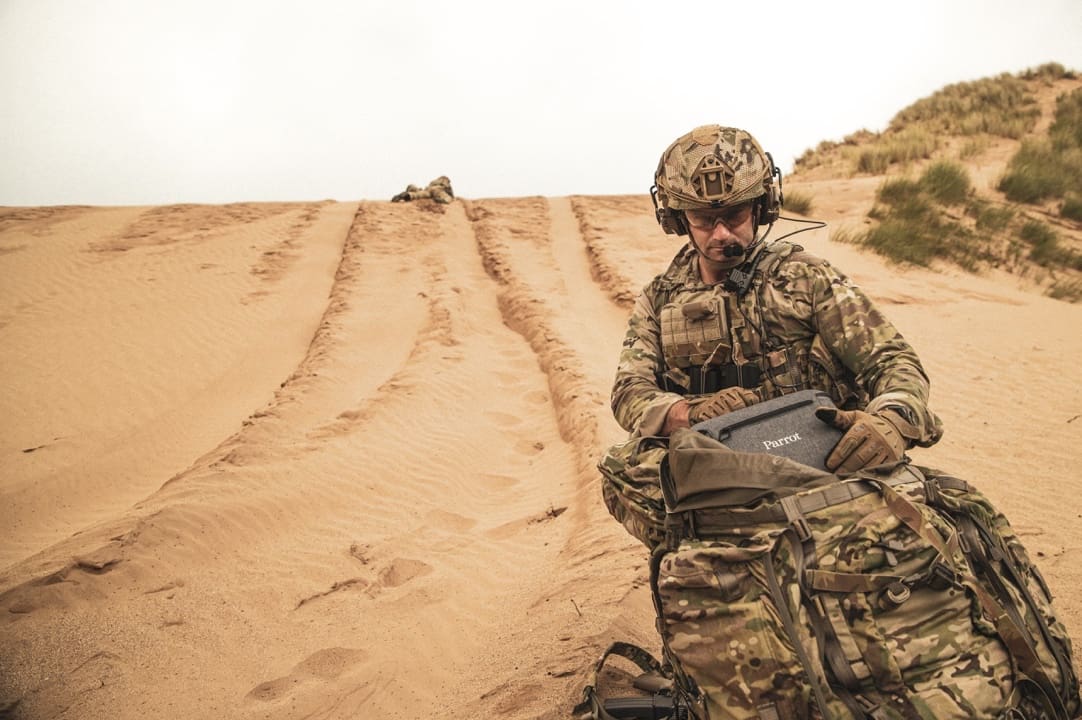
The ANAFI Thermal SE is a French, discreet, micro drone equipped with EO/IR cameras for Scouting & Intelligence, Combat Support & Mobility Support. Ultra compact and lightweight, with 11x zoom, it delivers real-time video and high resolution shooting capabilities from up to 4km away. With 26 minutes of flight time, ANAFI Thermal SE flies at an altitude ensuring total discretion beyond enemy lines and contributes to the conduct of close operations. Close operation requires speed and mobility. Thanks to the small form factor and its compact design, ANAFI Thermal SE can be easily integrated in the soldier’s tactical equipment pack. The camera module provides high quality and precise thermal imaging for urban environment detection and identification of threats and its secure wireless link (AES) transmits images and commands in real time with no data being disseminated.

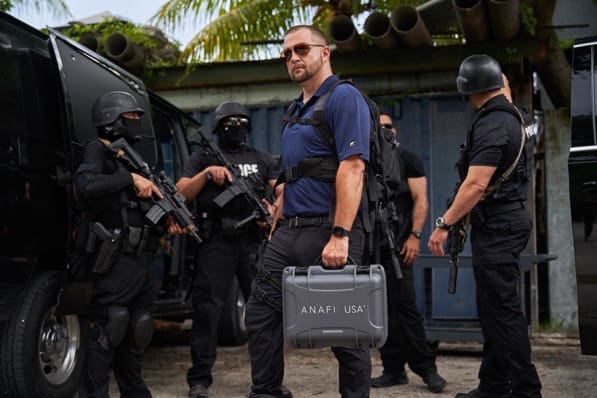
The Anafi USA was originally designed for the US Army and is manufactured in Massachusetts. It is considered a big jump up in capability from the Thermal. The USA has similar features to the Thermal SE with additional features. It is IP rated to IP53, so it is ideal for poorer weather conditions and desert environments. It has a much larger thermal sensor, so the quality is increased, and it has a stabilised 32x zoom, which is a feature usually reserved for much larger, expensive drones in this industry.  

Brigantes have worked with Parrot to provide advise and feedback to make these drones even more suitable to the end user. The additional changes, such as allowing the software to recognise grid referencing in MGRS and measuring angles in mls, make data mapping and surveillance in many deployments much easier to accomplish.

These drones are powerful, lightweight and can pack away easily in a Burgan whilst on exercise or deployments.

For more information:

UK – tribe@brigantes.com

International – international@brigantes.com

For visit our website Brigantes.com to set up an account. Procurement accounts are available.