SIG SAUER - Never Settle

Archive for the ‘Guest Post’ Category

Soldiers Test New Integrated Visual Augmentation System

Friday, November 22nd, 2019

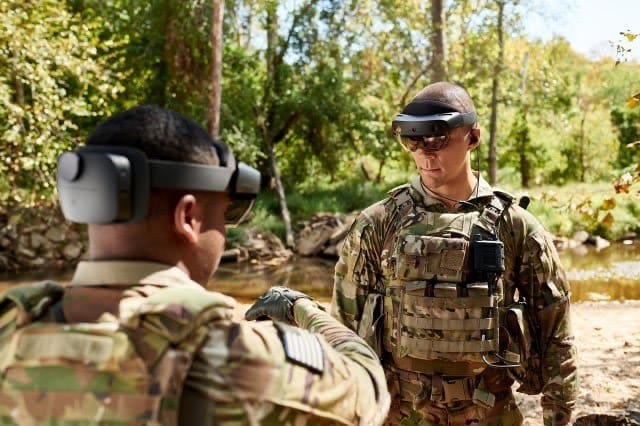
FORT BENNING, Ga. — Soldiers at Fort Pickett, Va. are testing a Microsoft-designed prototype goggle, the Integrated Visual Augmentation System (IVAS), that offers the capabilities they need to regain and maintain overmatch in multi-domain operations on battlefields that are increasingly urban, congested, dark and unpredictable.
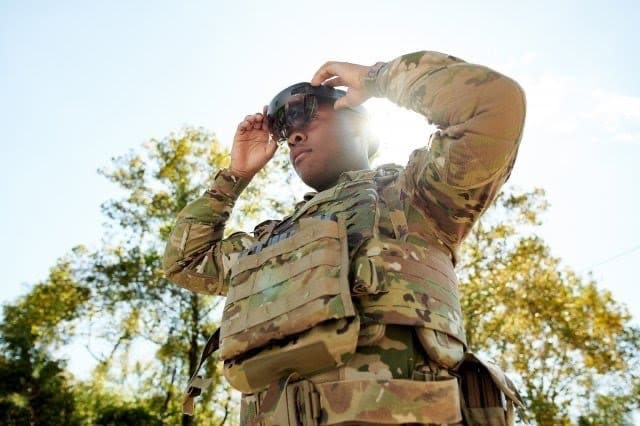
The event is called a Soldier touch point, or STP, and it is fast becoming the standard for the new Army Futures Command’s (AFC) rapid acquisitions methodology. STPs allow industry partners to field test system prototypes repeatedly throughout the research and development process to ensure the final product, in this case the multi-functional IVAS goggle, is met with enthusiasm and truly useful when its fielded to the force.

The Soldier Lethality Cross Functional Team (SL CFT) and their partners in military and industry are hosting the STP at Fort Pickett, a National Guard post known for relevant training sites, like the urban village used to replicate combat scenarios that have become commonplace in Middle Eastern operations. The object is to make sure the warfighter drives the design and development based on need and utility. The concept is called Soldier Centered Design, and though it’s not a new concept, it is the first time it has been institutionalized, the first time it has been applied systemically to increase speed and efficiency.

In the spring, Soldier and Marines from various line and special forces units tested an early IVAS prototype based on Microsoft’s heads up display which was designed using Microsoft’s HoloLens 2. That first STP was geared toward proving concept and utility.

The STP underway today at Pickett, the second of four STPs in the 24-month development schedule, is a tougher test designed to assess new capabilities at the platoon level and increase demands on the system in more complex training environments. At this point, about half-way through STP 2, Microsoft has gathered feedback from more than 3,200 hours of user experience.
The SL CFT is one of AFC’s eight CFTs tasked with modernizing the Army after the 2018 National Defense Strategy identified an erosion in close combat capabilities relative to pacing threats around the world. The SL CFT focuses on developing weapons for the Close Combat Force — those who close with and destroy the enemy — to make them more successful in battle. Success is defined in terms of survivability, lethality, situational awareness and maneuverability.

Of all the products and programs in the SL CFT portfolio, IVAS is arguably the most intriguing, as it is the result of complex, non-traditional partnerships and unconventional funding methods (contracts with Microsoft funded through Other Transaction Agreements), and it harnesses a variety of next generation technologies unlike anything the American Soldier has employed ever before.

The final product — officials say it will likely be fielded in the fourth quarter of FY21 — will include a variety of features: a color see-through digital display that makes it possible for the user to access information without taking his eye off the battlefield; thermal and low-light sensors that make it possible to see in the dark, literally; rapid target acquisition and aided target identification; augmented reality and artificial intelligence, to name just a few. IVAS is billed as a fight-rehearse-train system, meaning its function on the battlefield is priority, but its augmented reality capabilities, like real-time mapping, will make it useful for training and rehearsing operations anywhere at any time. And though it’s said to “enhance the survivability” of combatants, its target identification technology will save civilian lives, too.

“When terms like ‘situational awareness’ get thrown around time after time, it’s easy to lose sight of what it really means,” said MAJ Brad Winn, the CFT’s lead action officer for IVAS. “In this case, one of the greatest capabilities of IVAS is Aided Target Recognition, a feature that gives users the ability to quickly identify anything or anyone in sight, which means they can tell the difference between a threat and a civilian non-combatant.”

Winn is one of many members of Team IVAS, a diverse group of Soldiers, civilian employees, academics and industry partners who leverage their respective organizations’ expertise to expedite the development and fielding process. Aside from the SL CFT, Team IVAS includes experts from Microsoft, other CFTs, PEO Soldier, ATEC, the Army’s Combat Capabilities Development Command Research Lab and Soldier Center, and a half dozen other members of that complex integrated network of mostly military command-level organizations known as the Futures Force Modernization Enterprise.

Microsoft “deployed” a team from the west coast to live at Fort Pickett for the duration of this STP, more than a month, to gather feedback and make changes to the goggle every day. They’ll repeat the process next summer, when they put the next iteration of IVAS, the all-weather, ruggedized and militarized, form-fitting prototype to the test in company level operations.

STP 4 will follow in 2021.

By Bridgett Siter
FirstSpear Friday Focus – USA Merino Wool Socks

Friday, November 22nd, 2019

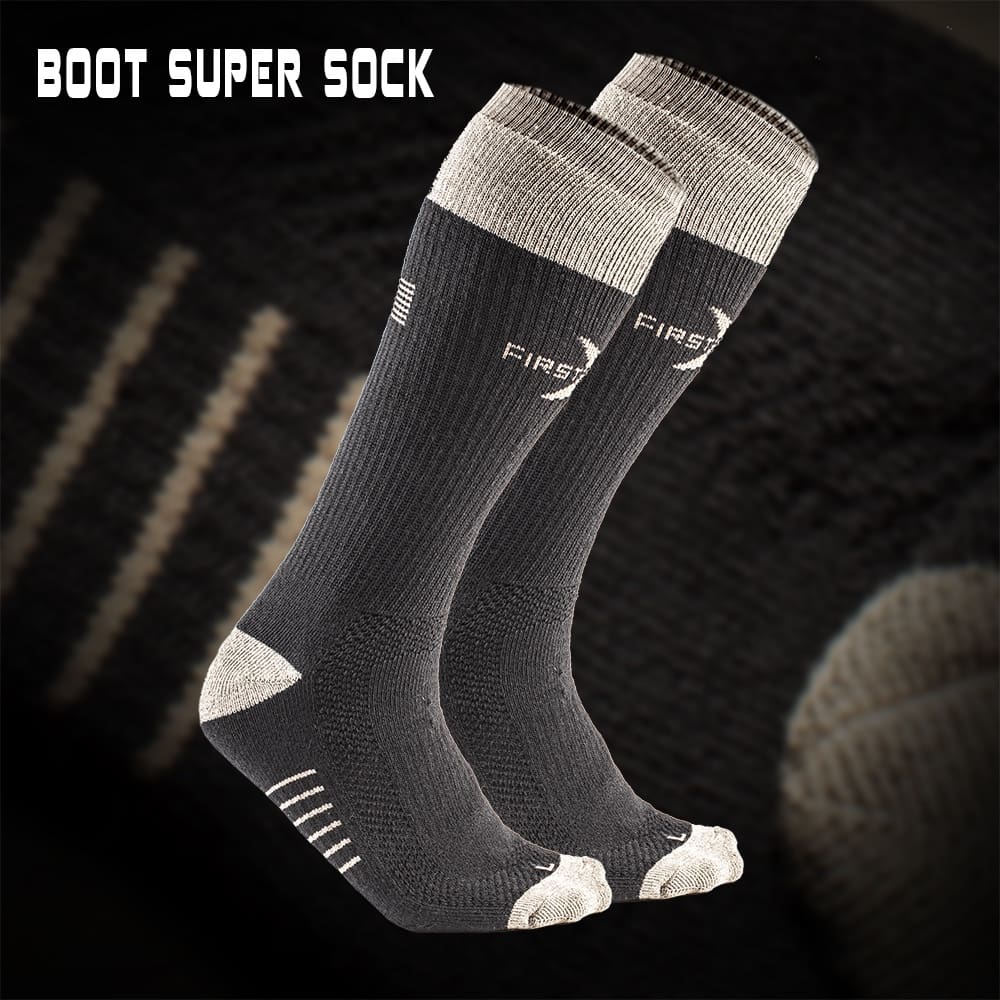
FirstSpear is at it again with all new additions to the USA Merino Wool line.

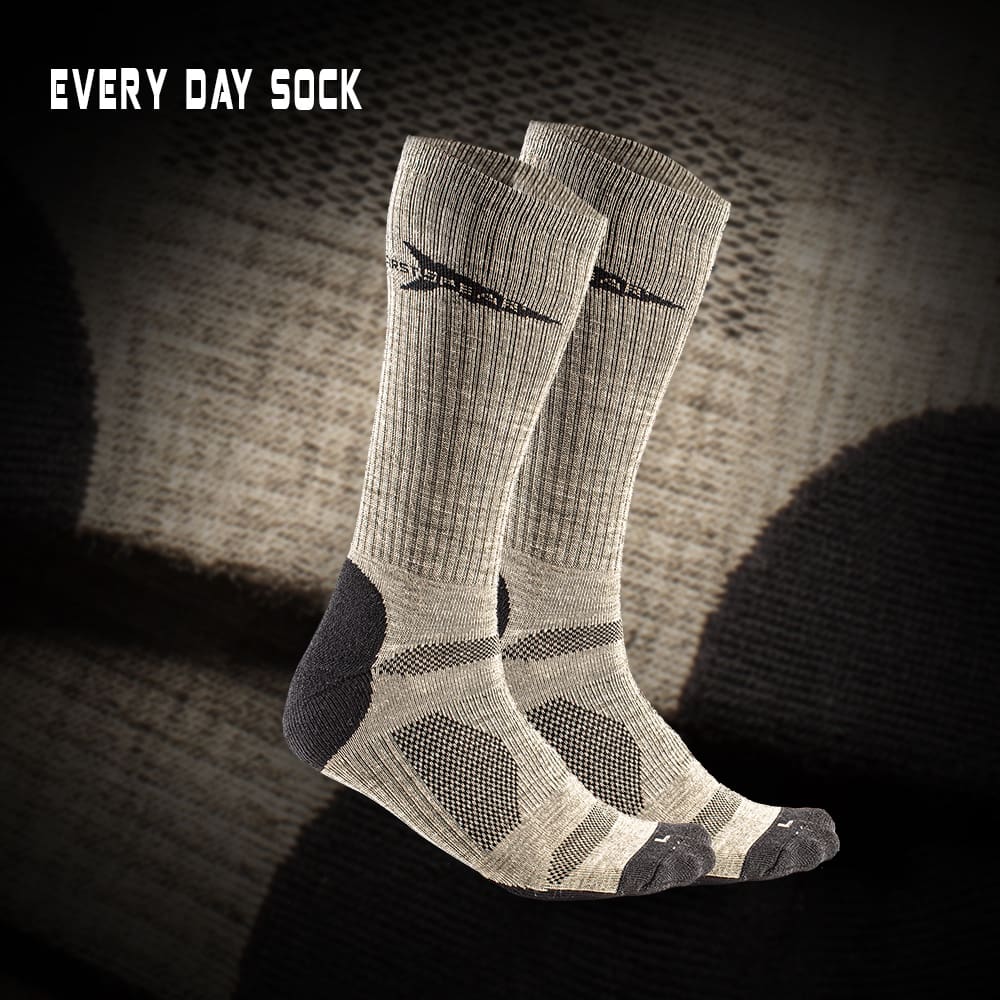
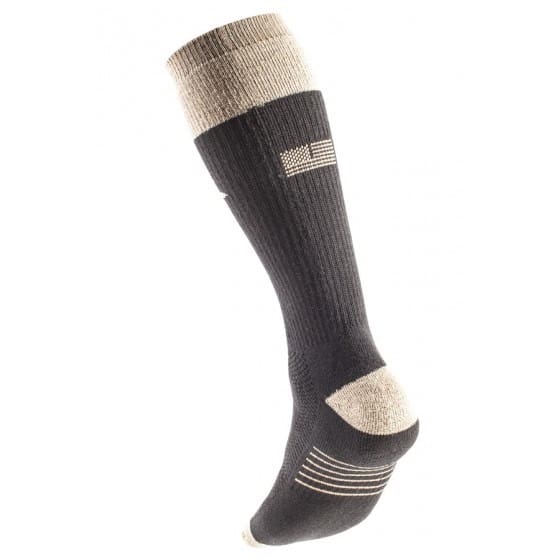
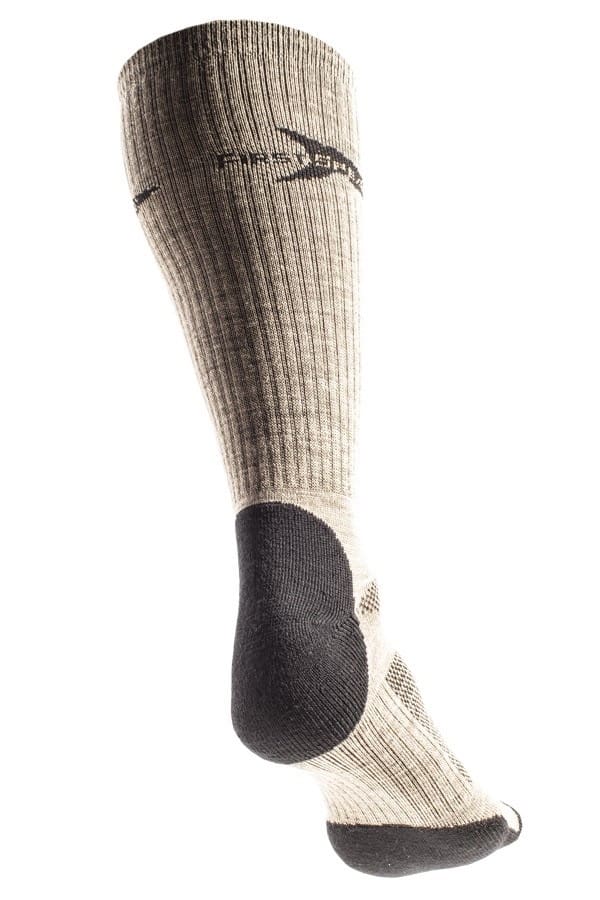
Like most FirstSpear products the all new Boot Super Sock and Every Day Sock are 100% American made with USA materials. Both the EDS and BSS are constructed from a tubular knit for enhanced support and all day comfort.

The all new EDS features a reinforced heel and toe box, support ribbing through the arch, as well as light and thin across the top to help dissipate heat.

Exceptional moisture wicking and antimicrobial properties will keep your feet dry and comfortable throughout the day.

EDS: 82% Merino Wool, 12% Nylon, 6% Lycra

BSS: 86% Merino Wool, 8% Nylon, 6% Spandex blend

Available and shipping now in sizes small through XL.

BSS: www.first-spear.com/technical-apparel/american-merino-wool/boot-super-sock-bss

EDS: www.first-spear.com/technical-apparel/american-merino-wool/every-day-sock-eds

Innovative Hearing Protection May Protect Military Working Dogs Like The One Who Helped In The al-Baghdadi Raid

Wednesday, November 20th, 2019

RESEARCH TRIANGLE PARK, N.C. (Nov. 20, 2019) — Military working dogs played a vital role in the recent raid and death of ISIS leader Abu Bakr al-Baghdadi; however, temporary and permanent hearing loss due to high-decibel noise in training, transport and operations put these animals at risk. Now, thanks to an Army small business innovation program, canines may have new gear to protect their ears.

Zeteo Tech, Inc., in partnership with Pete “Skip” Scheifele M.D., Ph.D., a retired Navy lieutenant commander, professor at the University of Cincinnati and leading animal audiology expert, developed the Canine Auditory Protection System, known as CAPS, to prevent short-term hearing loss in military working dogs.

“Even a short helicopter flight can affect a dog’s hearing, resulting in impaired performance and inability to hear the handler’s commands, which can hinder the mission,” said Dr. Stephen Lee, senior scientist at Army Research Office. “This new technology protects the canine while on missions and can extend the dog’s working life.”

The U.S. Army Medical Research and Development Command supported the program as a part of a Small Business Innovation Research grant managed by ARO — an element of U.S. Army Combat Capabilities Development Command’s Army Research Laboratory.

Military workings dogs are used for a variety of roles, including tactical operations, patrol, detection and specialized search. Until now hearing protection systems available were rigid, cumbersome and hard to put on the dog, with limited effectiveness in testing for the protection of canine hearing.

The CAPS uses lightweight, high-quality acoustic absorption materials to block unwanted sounds. Unlike conventional canine hearing protection, this solution is constructed of flexible materials that conform to the unique shape of a dog’s head. This flexibility ensures proper sealing around the ear and maximum sound reduction.

The snood-style headgear, resembling a close-fitting hood, uniformly distributes the pressure required to hold the hearing protection in place, while avoiding challenges associated with straps. At a little more than an inch thick, the device’s low profile will not be a hindrance for dogs working in tight spaces. It is also compatible with other gear used by working dogs, such as goggles.

The research team tested the headgear extensively with military working dogs, as well as federal law enforcement working dogs, for wearability, usability and comfort. The team also measured the hearing protection effectiveness during helicopter operations and found a significant reduction in short-term hearing loss.

“This new technology will extend canines ability to work in a wide range of environments in combination with the Soldier and autonomous systems that could greatly enhance situational awareness of the individual Soldier in the future and empower a broader use for military working dogs in operations,” Lee said.

“Zeteo Tech is excited to provide CAPS in response to a critical need for effective canine hearing protection in demanding environments,” said Michael McLoughlin, vice president of Zeteo Tech, Inc.

McLoughlin said Zeteo Tech is a Maryland-based small business founded in 2013 and dedicated to “developing and delivering solutions to address the health and welfare of the military and others who serve the nation.”

By U.S. Army CCDC Army Research Laboratory Public Affairs

National Guard Disrupts Cyberattacks Across US

Wednesday, November 20th, 2019

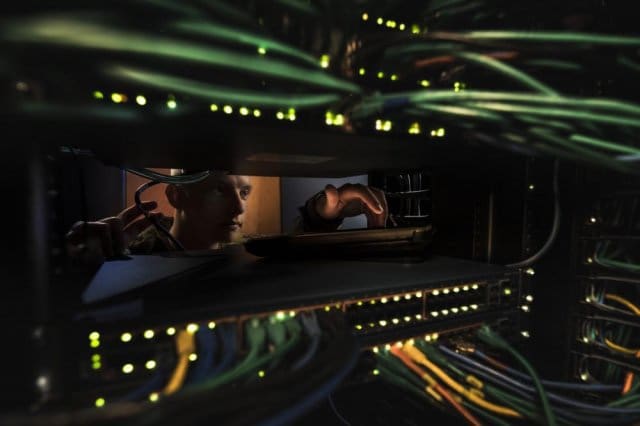
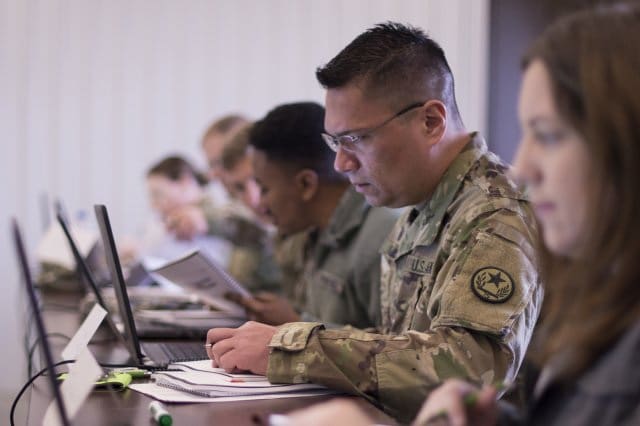
WASHINGTON — The National Guard is ready to mobilize its cyberdefenses in case of a potentially devastating domestic attack.

“When I first joined the National Guard, cyber was not part of our vocabulary, but certainly now it is one of our daily battlegrounds,” said Air Force Gen. Joseph L. Lengyel. “Our adversaries and non-state actors use cyber activity to target personnel, commercial and government infrastructure and the effects can be devastating.”

Lengyel, chief of the National Guard Bureau, talked about the Guard’s cybermissions and capabilities during a media roundtable on Nov. 5 at the Pentagon.

Lengyel said cyberattacks have occurred at both the federal and state levels.

Earlier this year, a number of school districts and agencies in Louisiana and Texas suffered ransomware attacks. Ransomware is a type of malicious software designed to block access to a computer system until a ransom is paid.

With the help of the Guard, schools opened on time and agencies were able to get back to work, Lengyel said.

“[Ransomware] is obviously a new and emerging kind of enterprise. We are able to access superb civilians and skill sets, and they can bring capabilities that the military sometimes does not have,” Lengyel noted.

In Texas, 22 counties were attacked with ransomware during June, disrupting local service, said Army Maj. Gen. Tracy R. Norris of the Texas National Guard.

Norris said Texas’ department of emergency management called the Guard, and officials assessed the attacks with a team of Guard soldiers and airmen.

“It was a joint team that went out to assess [the damage],” she said. “From there, they picked different places to go [in] the counties for the recovery process. We thought it was bad in the beginning, and it couldn’t have been much worse.”

“We already had a team in place and sent them out to assess, and we then aligned the team [based on] what the assessment showed,” Norris said.

Lengyel said the Illinois Guard is forming a cyber task force to assist the state of Illinois, as the need arises.

The Illinois task force will involve Guard soldiers and airmen performing cyber, information technology and other military functions.

Indiana recently started a cyber battalion, and personnel will be trained to military standards for use in a domestic response capacity if they need to be, Lengyel said.

“So, this will be part of the cyber mission force that will be part of the Army mission that, if needed, can be federalized and mobilized to do cyber activity for the U.S. Army or the U.S. Cyber Command,” Lengyel said. “And when they’re not mobilized, we can do our homeland mission.”

Lengyel said many of these Guard members have cyber-related civilian jobs. He said it’s an example of how the varied skill sets of Guard members contribute to national defense.

“They can do things working in national defense they can’t do in their civilian careers,” he said of Guard members.

Other attendees included vice director of domestic operations, National Guard Bureau; National Guard adjutant generals from Washington and Illinois; and the National Guard advisor to the commander of U.S. Cyber Command.

Story by Terri Moon Cronk, Defense.gov

Photos by U.S. Air Force Staff Sgt. Jonathon Alderman, Wyoming Air National Guard and U.S. Army National Guard Staff Sgt. Brendan Stephens, North Carolina National Guard

Army Project May Lead To New Class Of High-Performance Materials

Tuesday, November 19th, 2019

RESEARCH TRIANGLE PARK, N.C. — Synthetic biologists working on a U.S. Army project have developed a process that could lead to a new class of synthetic polymers that may create new high-performance materials and therapeutics for Soldiers.

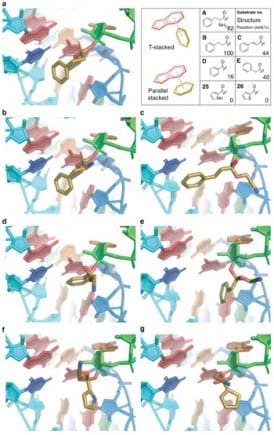
Nature Communications published research conducted by Army-funded researchers at Northwestern University, who developed a set of design rules to guide how ribosomes, a cell structure that makes protein, can incorporate new kinds of monomers, which can be bonded with identical molecules to form polymers.

“These findings are an exciting step forward to achieving sequence-defined synthetic polymers, which has been a grand challenge in the field of polymer chemistry,” said Dr. Dawanne Poree, program manager, polymer chemistry at the Army Research Office. “The ability to harness and adapt cellular machinery to produce non-biological polymers would, in essence, bring synthetic materials into the realm of biological functions. This could render advanced, high-performance materials such as nanoelectronics, self-healing materials, and other materials of interest for the Army.”

Biological polymers such as DNA, have precise building block sequences that provide for a variety of advanced functions such as information storage and self-replication. This project looked at how to re-engineer biological machinery to allow it to work with non-biological building blocks that would offer a route to creating synthetic polymers with the precision of biology.

“These new synthetic polymers may enable the development of advanced personal protective gear, sophisticated electronics, fuel cells, advanced solar cells and nanofabrication, which are all key to the protection and performance of Soldiers,” Poree said.

“We set out to expand the range of ribosomal monomers for protein synthesis to enable new directions in biomanufacturing,” said Michael Jewett, the Charles Deering McCormick Professor of Teaching Excellence, professor of chemical and biological engineering, and director of the Center for Synthetic Biology at Northwestern’s McCormick School of Engineering. “What’s so exciting is that we learned the ribosome can accommodate more kinds of monomers than we expected, which sets the stage for using the ribosome as a general machine to create classes of materials and medicines that haven’t been synthesized before.”

Recombinant protein production by the ribosome has transformed the lives of millions of people through the synthesis of biopharmaceuticals, like insulin, and industrial enzymes that are used in laundry detergents. In nature, however, the ribosome only incorporates natural amino acid monomers into protein polymers.

To expand the repertoire of monomers used by the ribosome, Jewett’s team set out to identify design rules for linking monomers to Transfer ribonucleic acid, known as tRNAs. That is because getting the ribosome to use a new monomer is not as simple as introducing a new monomer to the ribosome. The monomers must be attached to tRNAs, which are the molecules that carry them into the ribosome. Many current processes for attaching monomers to tRNAs are difficult and time-consuming, but a relatively new process called flexizyme enables easier and more flexible attachment of monomers.

To develop the design rules for using flexizyme, the researchers created 37 monomers that were new to the ribosome from a diverse repertoire of scaffolds. Then, they showed that the monomers that could be attached to tRNAs could be used to make tens of new peptide hybrids. Finally, they validated their design rules by predictably guiding the search for even more new monomers.

“With the new design rules, we show that we can avoid the trial-and-error approaches that have been historically associated with developing new monomers for use by the ribosome,” Jewett said.

These new design rules should accelerate the pace in which researchers can incorporate new monomers, which ultimately will lead to new bioproducts synthesized by the ribosome. For example, materials made of protease-resistant monomers could lead to antimicrobial drugs that combat rising antibiotic resistance.

The research is part of the Department of Defense’s Multidisciplinary University Research Initiatives program, supported by ARO, in which Jewett is working with researchers from three other universities to reengineer the ribosome as a biological catalyst to make novel chemical polymers. ARO is an element of the U.S. Army Combat Capabilities Development Command’s Army Research Laboratory.

“It’s amazing that the ribosome can accommodate the breadth of monomers we showed,” Jewett said. “That’s really encouraging for future efforts to repurpose ribosomes.”

Researchers at the University of Texas at Austin are working on a similar technology to develop adhesion and adaptive and responsive materials as part of a cooperative agreement with ARL and Army Futures Command.

Story by U.S. Army CCDC Army Research Laboratory Public Affairs

Photo courtesy of Northwestern University

Infantry Officer Achieves Perfect Score, “True Blue” Status In EIB Competition

Sunday, November 17th, 2019

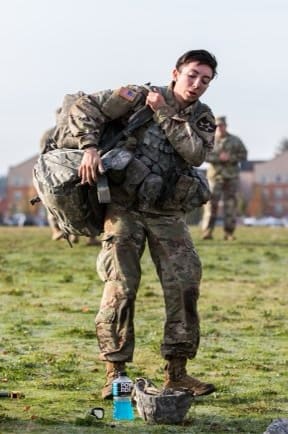
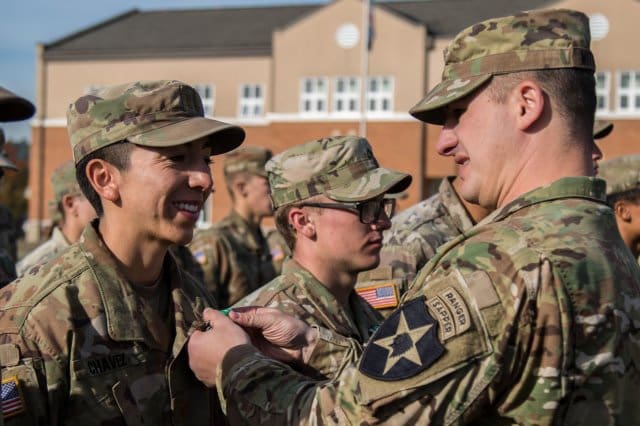
JOINT BASE LEWIS-MCCHORD, Wash. — “I was so nervous in the morning,” said 2nd Lt. Elena Chavez, shaking her head. “You train for an entire month, so you don’t want to mess it up in the final hours.”

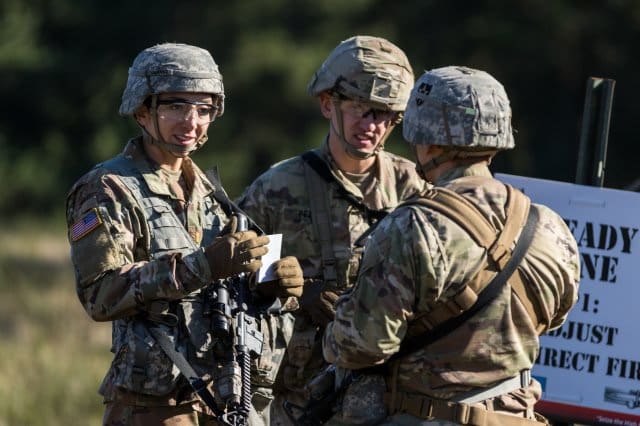
Chavez, an infantry officer from Kansas City, Missouri, assigned to Charlie Company, 1st Battalion, 17th Infantry Regiment, 2nd Stryker Brigade Combat Team, 2nd Infantry Division, had spent the last four weeks training and testing for her Expert Infantryman Badge.

Now, as she approached the morning’s final two events for 2-2’s EIB testing, it wasn’t just her badge on the line – it was also her perfect score and coveted status as “True Blue.”

“It really had to be right on – everything had to be perfect, the stars had to align,” Chavez said. “It’s the small things that get people on the lanes.”

During the three weeks of train-up, her squad was one of the first out on the lanes and last to leave, drilling through the rain and cold to ensure they had each task down.

It was through working as a squad that Chavez had come so far, a fact she kept in mind going into the final 12-mile road march and weapons disassembly and functions check.

“We’re Buffaloes – we’re a herd and we keep each other accountable,” she said. “I got out there and saw my guys and it was just like any other day when we were training. I lost all my nerves, gained my composure, and it was just another day.”

All those days of training certainly paid off, as Chavez soared through the morning’s final events, earning her EIB and an Army Commendation Medal for clearing all 34 EIB events with a perfect score and achieving “True Blue” status.

Of the 151 infantry Soldiers earning their EIB, only 59 were designated as a “True Blue.” Chavez was one of two female infantry Soldiers to earn the coveted status, along with 1-17 Inf. Reg.’s 2nd Lt. Natalie Bulick-Sullivan.

Sgt. Tracker Sines, Chavez’s squad leader, knew that getting out on the lanes and drilling together would prove instrumental for his young team’s success during testing week.

“I wanted them to train as much as possible, but not burn themselves out,” Sines said. “It’s as simple as going back, going over it again and again. Having your peers watch you, having (your squad leader) watch you, training each other, walking somebody else through the task and reinforcing what you know – that’s a big thing.”

Sines felt confident that Chavez was “True Blue” material after watching her in the weeks leading up to testing.

“She doesn’t waste her time out here,” he said. “She has her own system of talking herself through it. Whatever she needs to do to help learn it.”

2nd Lt. Benjamin Hinkle, Chavez’s squad mate who also earned his EIB, agreed.

“She’s definitely been the workhorse of the group,” Hinkle said. “She arrived straight after NTC, was assigned a platoon, and then came straight here for her EIB.”

Chavez said now that the EIB is done, she looks forward to getting back to her platoon and getting to know them better.

“I’ve learned so much by training and participating, and can take it all back to my Soldiers,” she said.

It might be a bit before she gets the chance, though.

“I’ll be leaving on Wednesday for Yakima Training Center,” she said, shaking her head and laughing. “I’m really going to try to enjoy this weekend.”

By Spc. John Weaver

Intellectual Property 101 Shared with the Knife Industry

Sunday, November 17th, 2019

The American Knife & Tool Institute Announces the First in a Series of Expert Articles on Intellectual Property and Brand Protection to Help Knife Businesses

Cody, Wyoming (November 14, 2019) – The American Knife & Tool Institute (AKTI) is very pleased to announce that the first in a series of articles to provide a useful toolkit for knife businesses has been published on its website. Authored by two experts in the fields of intellectual property and brand protection, Denise Mosteller and Jeremiah Pastrick, as guest contributors on the nonprofit’s website, the article is titled “Intellectual Property 101.” 

Mark Schreiber President CRKT

“We are pleased to share valuable information on intellectual property with our members and the entire sporting knife industry,” said Mark Schreiber, President of CRKT and chair of AKTI’s Anti-Counterfeiting Committee. “Helping our industry thrive and grow is part of our mission as a nonprofit trade association representing the entire knife community.”

“When it comes to the basic types of intellectual property (IP) the ‘Big Three’ include patents, copyrights and trademarks,” said Jeremiah Pastrick, who has served as both vice president of a consulting firm specializing in international intellectual property (IP) development, protection and anti-counterfeiting as well as IP counsel to a wide range of global IP owners. “By and large, each of these forms of IP differ in what they provide protection for, what they don’t provide protection for, how they are created, how they are ‘secured’, and what public policy interest they are meant to serve.”

Denise Mosteller, who has had over 22 years of investigation, brand management and intellectual property experience, explained, “Intellectual property is ‘intangible,’ meaning that all forms of it are recognized as ‘creations of the mind.’ The knife industry is very innovative with different knife designs and mechanisms and makers need to protect those unique aspects to ensure financial success and protect their own individual brands.”

The first “Brand Protection” article on the website “Intellectual Property 101” can be viewed at  www.AKTI.org.

SCUBAPRO Sunday – Ryan’s Orphans

Sunday, November 17th, 2019

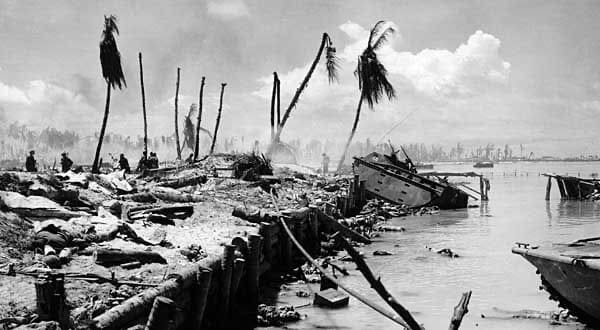
For Frogmen, the battle of Tarawa marks the birth of the UDT and the start of a very long history for Naval Special Warfare. Because the Higgins boats that were taking the Marines to shore got stuck on coral reefs, the Marines would have to jump out in some case far from shore. More Marines drowned or died in the water from enemy fire then killed in the next two days of fighting. So, the Navy came up with the Underwater Demolition Teams to recon landing sights to make sure the Marines could land. 

 But for the Marines, it was another day in an already long history. The Battle of Tarawa was fought on 20–23 November 1943. It took place at the Tarawa Atoll in the Gilbert Islands, in the Pacific Theater of WW2 and was part of Operation Galvanic, the U.S. invasion of the Gilberts. Nearly 6,400 Japanese, Koreans (forced labor by the japenese), and Americans died in the fighting, mostly on and around the small island of Betio, in the extreme southwest of Tarawa Atoll. The U.S. had similar casualties in previous campaigns, like the six months of the Guadalcanal Campaign, but the losses on Tarawa happened in 76 hours.

The Battle of Tarawa was the first American offensive in the critical central Pacific region. It was also the first time in the Pacific War that the United States had faced severe japanese opposition while conducting an amphibious landing. Previous landings met little or no initial resistance. As the Japanese strategy was to let them land and attack after they let their guard down. (but that didn’t work against the USMC). On Tarawa, the 4,500 Japanese defenders were well-supplied and well-prepared, and they fought almost to the last man, exacting a heavy toll. The Japanese said it would take the U.S. “one million men 100 years to take Tarawa.” That is saying a lot for a piece of land that was only 3 miles long and about 800m wide. The Japs had fortified the island with about 500 pillboxes, four eight-inch gun turrets, and numerous artillery and machine-gun emplacements. A coral and log seawall ringed most of the island, and 13mm dual-purpose anti-boat/antiaircraft machine guns protected the beaches.  

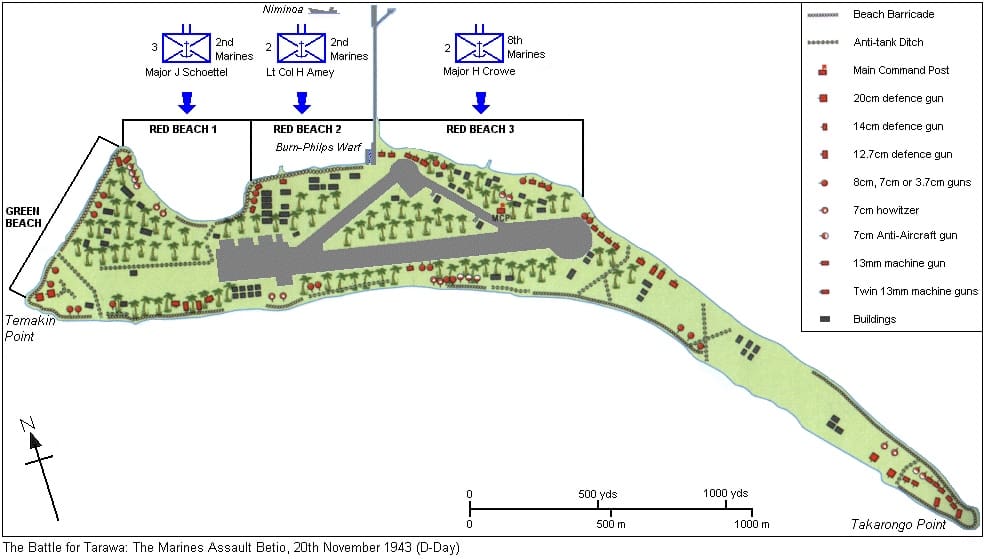
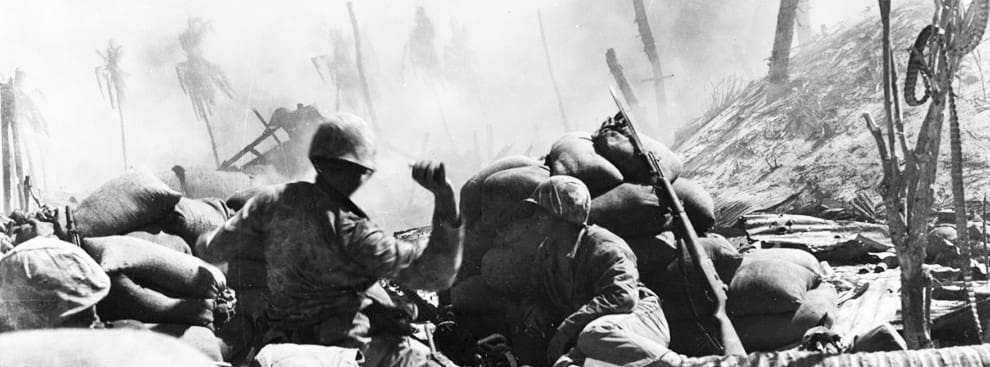
On the morning of November 20, following a naval bombardment, the first wave of Marines approached Betio’s northern shore in Higgins boats. The men encountered lower tides than expected and were forced to abandon their Higgins Boats on the reef that surrounded Betio and wade hundreds of yards to shore under intense enemy fire. When the Marines reached the Red beach, they struggled to move past the sea walls and establish a secure beachhead. By the end of the day, the Marines held the extreme western tip of the island, as well as a small beachhead in the center of the northern beach. In total, it amounted to less than a quarter of a mile.

There were immediate issues from the start. The naval gunfire stopped at 0900, while the Marines in their Landing Vehicles, Tracked (LVT), were still 4,000 yards offshore. Because of the lower than expected tide, the Higgins boats carrying later waves would not be able to make it over the reefs in the bay. As the Marines approached the shore, they realized the naval bombardment had been rather ineffective. They started taking heavy fire from the Japanese as they made their way across the lagoon.

The first two assault companies, K and L, suffered over 50 percent casualties in the first two hours of the assault. The following waves were in even more trouble. Embarked in Higgins Boats, they had no choice but to unload at the reef due to the low tide. They had to wade ashore over 500 yards under heavy fire.


This was how the men of L company under Major Mike Ryan made it ashore. Rather than leading his men directly into the carnage of Red Beach 1, Ryan followed a lone Marine he had seen breach the seawall at the edge of Red Beach 1 and Green Beach, the designated landing area that comprised the western end of the island. Ryan’s landing point caught the eye of other Marines coming ashore they headed towards Ryan’s position.

As more Marines from successive waves and other survivors worked their way to the west end of the island, Ryan took command and began to form a composite battalion from the troops he had. These men would come to be known as “Ryan’s Orphans.”

On the beach, the Marines of 3/2 continued to fight for their lives. After managing to wrangle two anti-tank guns onto the beach, they realized they were too short to fire over the seawall. As japanese tanks approached their positions, cries went up to “lift them over!” Men raced to get the guns atop the seawall just in time for the gunners to drive off the Japanese tanks. Maj. Ryan’s Orphans and others had acquired a pair of Sherman tanks. Learning as they went, the Marines coordinated assaults on pillboxes with infantry and tank fire. This gave the Marines on Betio their most significant advance of the day as Ryan’s orphans were able to advance 500 meters inland.

3rd Battalion was severely mauled in the initial assault on Betio. Surrounded by strong Japanese fortifications, the survivors on Red Beach 1 would fight for their lives for the remainder of the battle. Ryan’s orphans made a significant contribution to the battle in opening up Green Beach, so men of the 6th Marine Regiment could come ashore to reinforce the battered survivors. Now reformed, 3/2 would take part in one of the final assaults to secure the island, helping to reduce the dedicated Japanese fortification at the confluence of Red Beaches 1 and 2.


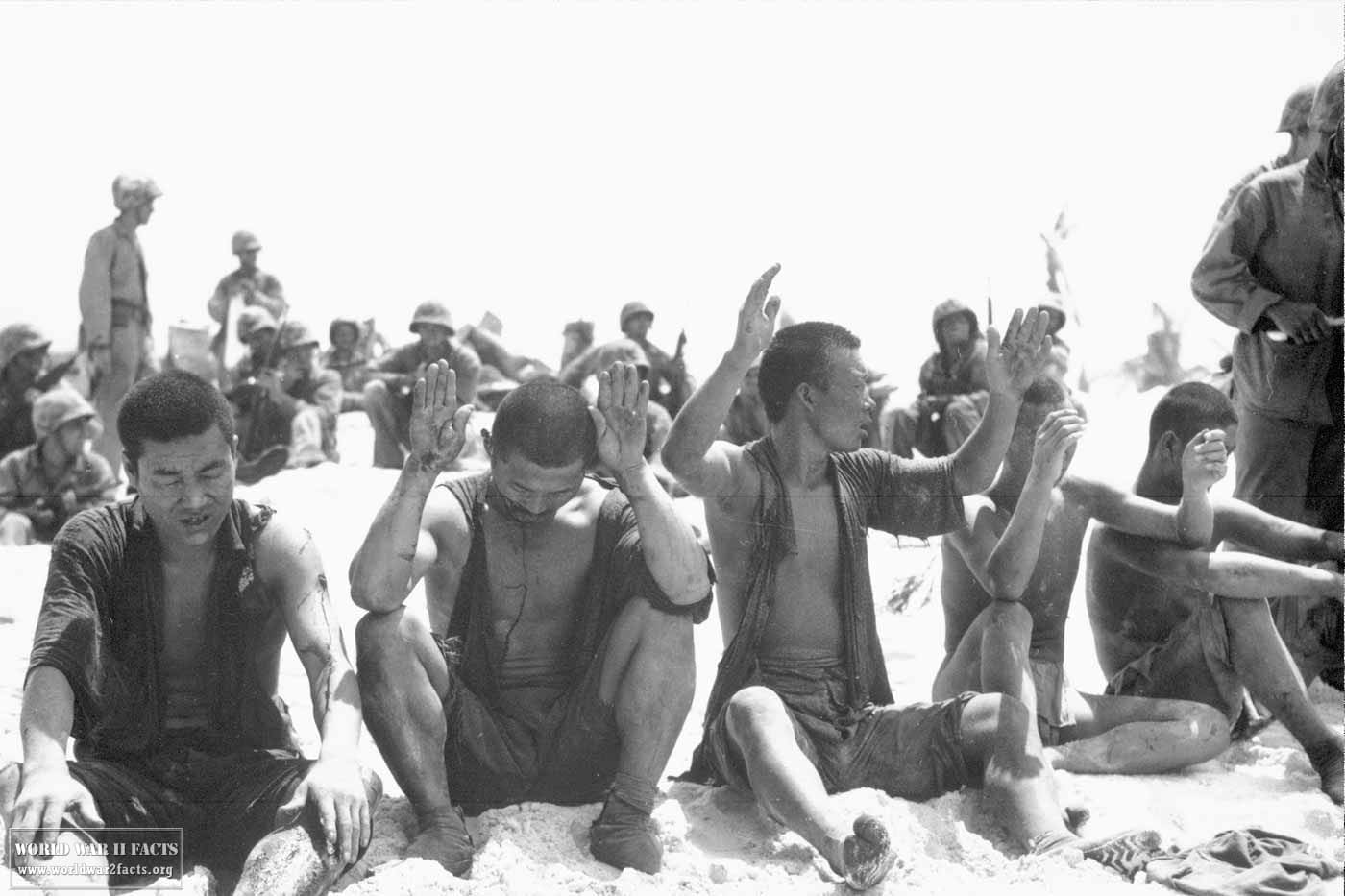
By November 23, 1943, after 76 hours of fighting, the battle for Betio was over. More than 1,000 Marines and sailors had been killed, and nearly 2,300 were wounded. Of the roughly 4,800 Japanese defenders, about 97% were thought to have been killed. Only 146 prisoners were captured — all but 17 of the Korean laborers.

Maj Ryan was awarded a Navy Cross. Four Marines would be awarded the Medal of Honor for their actions during the battle — three of them posthumously.

The military learned vital lessons from the invasion of Tarawa. The organization of amphibious landings was changed, and by D-Day, they would be far more effective. The tactics techniques and procedures of using tanks and infantry together to fight a well-intrenched enemy and other lessons learned would be used for the rest of the war. To this day, the lesson learned on Tarawa is used for a base for all amphibious operations.


For more information, visit www.marines.mil.