Celebrate 20 years of the TLR-1

Cannon AFB First to Test New AFSOC Combat Readiness Inspection

September 24th, 2024

CANNON AIR FORCE BASE, N.M. —  

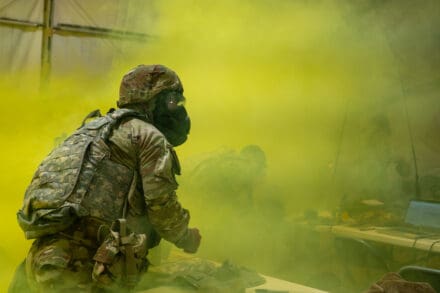
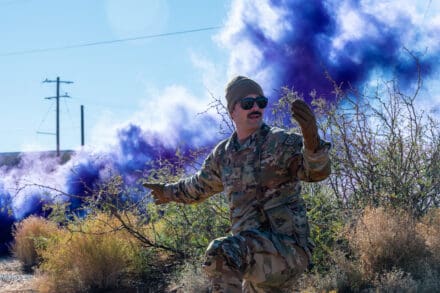
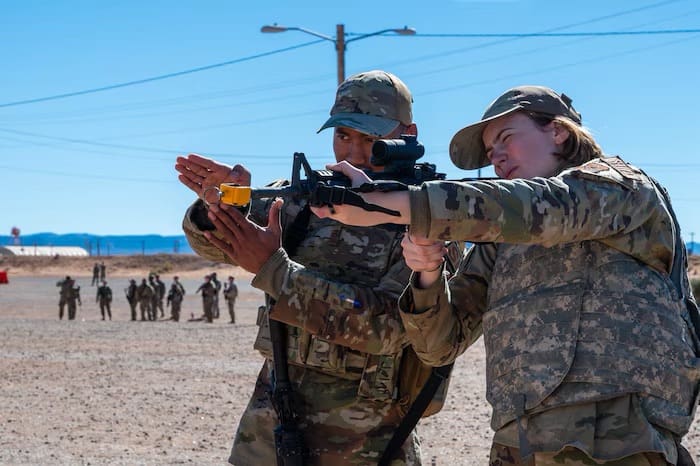
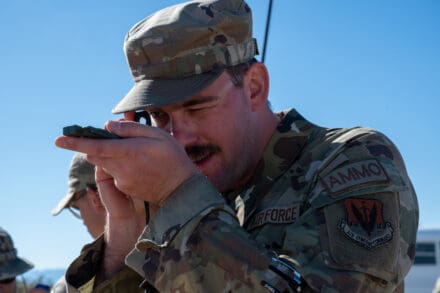
The 27th Special Operations Wing conducted its first Combat Readiness Inspection as a part of Emerald Warrior 24 FTX II in various locations throughout the western United States, Aug. 4 to Aug. 9, 2024.

The CRI is a new Air Force Special Operations Command assessment method designed to better evaluate a wing’s combat readiness for high-end operations. AFSOC’s pivot toward Great Power Competition requires its units to be pushed to their limits, encouraging them to boldly take risks and try new tactics and techniques. The CRI provides units the “freedom to fail” in a controlled exercise environment, ensuring any failures are viewed as opportunities for learning and growth, rather than punishments or setbacks.

A key element of the CRI is focusing on the performance of mission-essential tasks in a robust threat environment, helping units better prepare for the complexities inherent to real-world operations against pacing challenges.

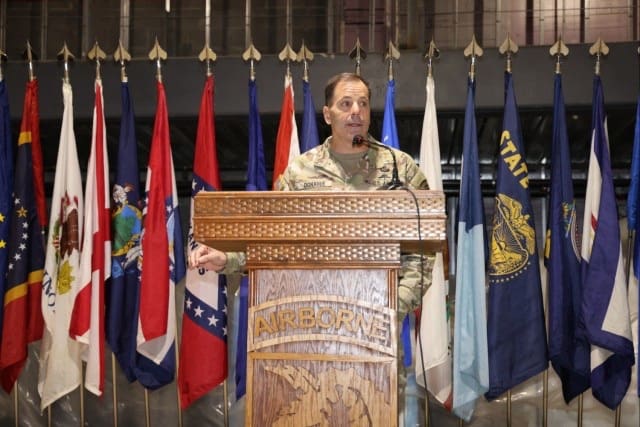
“Overall, the 27th Special Operations Wing set the benchmark for the future of Combat Readiness Inspections” said Lt. Gen. Mike Conley, AFSOC commander. “The goal for this event was never perfection.  We wanted the Wing to be all in, face tough challenges, discover areas for improvement, and work together to problem solve for the future…and they did just that.   The CRI was a true reflection of AFSOC culture – a willingness to take on challenges that others may shy away from, even when success isn’t guaranteed. This mindset is key as we learn, grow, and continuously improve our readiness for current and future conflicts.”

The 27th SOW implemented the CRI as a part of an already existing high-end readiness exercise, Emerald Warrior, to identify opportunities for improvement, innovate training approaches and align its programs with the latest advancements in technology, tactics and strategic objectives.

The CRI brought U.S. Air Force Lt. Gen. Stephen Davis, Department of the Air Force Inspector General, to Cannon AFB to observe AFSOC’s premier readiness wing execute the CRI. While at Cannon AFB, Davis attended several battle staff events to ensure the inspection was as realistic as possible, highlighting the focus on combat readiness and accurately assessing the readiness required to succeed against pacing challenges across the spectrum of competition, including conflict.

“We were the first to do this new type of exercise, pathfinding for AFSOC,” said Col. Cary Mittelmark, 27th SOW deputy commander for operations. “We were able to validate some of the Agile Combat Employment concepts that AFSOC has been working hard at for the last couple years.”

During the CRI, inspectors evaluated the capabilities of a 27th SOW Special Operations Task Group, comprised of multiple aviation, Special Tactics and Mission Sustainment Team Special Operations Task Units.

Throughout the inspection, the 27th SOW MST established and secured one primary forward operating base and two geographically separated forward operating locations across Idaho and Nevada, sustaining 200 personnel while providing the placement, access and survivability required to conduct a variety of air and ground operations.

After a base of operations was established, Special Tactics Airmen from the 24th Special Operations Wing worked with the 27th SOW MST, AC-130JGhostrider, MC-130J Commando II and U-28 Draco crews to execute a variety of AFSOC core missions, including SOF mobility, strike Intelligence, Surveillance and Reconnaissance (ISR) and air to ground integration. 

Prioritizing readiness based on overall mission effectiveness rather than functional competence will ensure AFSOC’s continued ability to rapidly project unconventional airpower for the joint force globally, a task The Steadfast Line executes day-in and day-out.

Throughout the inspection, the 27th SOW MST established and secured one primary forward operating base and two geographically separated forward operating locations across Idaho and Nevada, sustaining 200 personnel while providing the placement, access and survivability required to conduct a variety of air and ground operations.

After a base of operations was established, Special Tactics Airmen from the 24th Special Operations Wing worked with the 27th SOW MST, AC-130JGhostrider, MC-130J Commando II and U-28 Draco crews to execute a variety of AFSOC core missions, including SOF mobility, strike Intelligence, Surveillance and Reconnaissance (ISR) and air to ground integration. 

Prioritizing readiness based on overall mission effectiveness rather than functional competence will ensure AFSOC’s continued ability to rapidly project unconventional airpower for the joint force globally, a task The Steadfast Line executes day-in and day-out.

By Staff Sergeant Kevin Williams

27th Special Operations Wing Public Affairs

Eonix Awarded Air Force Phase II STTR to Unlock Next-Gen Warfare with Scalable Ultra-High-Power Batteries

September 23rd, 2024

Leveraging the ATLAS platform, Eonix will accelerate battery materials discovery focused on powering Directed Energy, C-sUAS, and e-VTOL systems

Knoxville,TN — [Sept 18th, 2024] — Eonix, a pioneer in next-generation battery technology, has been selected by AFWERX for a PHASE II STTR contract with the University of Tennessee Tickle College of Engineering in the amount of $1.7M focused on ultra-high-power batteries for directed energy, counter drone swarms, and e-VTOL systems. The funds will be used to design high conductivity electrolytes that are drop-in compatible with batteries manufactured today and meet the ambitious DoD energy storage targets for next gen platforms.

“New technologies like Directed Energy, Counter Small Unmanned Aircraft (C-sUAS), and electric Vertical Take Off Landing (e-VTOL) Systems promise to transform modern air defense systems by offering cost-effective engagement, enhanced base resiliency, and advanced surveillance and attack capabilities,” said Eonix Founder Don Derosa. “Our ATLAS materials discovery platform will design a next generation battery chemistry that improves power density, discharge rate, and operational temperature…thus powering the Air Force to respond to a rapid evolution of aerial threats.”

Eonix is revolutionizing battery product development, leveraging their ATLAS platform which is 40x faster and 15x lower cost than traditional R&D methods. This groundbreaking platform, previously harnessed for projects backed by Army/DOE/NSF/Air Force, pairs real-time measurement of material behavior in batteries with quantum mechanics simulations to train AI models, significantly accelerating materials discovery. These models predict material performance and suggest novel material candidates, marking a significant leap forward in the quest for next-gen energy storage solutions.

The Air Force Research Laboratory and AFWERX have partnered to streamline the Small Business Innovation Research (SBIR) and Small Business Technology Transfer (STTR) process by accelerating the small business experience through faster proposal to award timelines, changing the pool of potential applicants by expanding opportunities to small business and eliminating bureaucratic overhead by continually implementing process improvement changes in contract execution. The DAF began offering the Open Topic SBIR/STTR program in 2018 which expanded the range of innovations the DAF funded and now on Eonix will start its journey to create and provide innovative capabilities that will strengthen the national defense of the United States of America.

The views expressed are those of the author and do not necessarily reflect the official policy or position of the Department of the Air Force, the Department of Defense, or the U.S. government.

Smarter Technologies IoT Solutions Support UK Defence Estates to Better Manage On-Base Water Hygiene

September 23rd, 2024

Smarter Technologies, the leading British provider of Internet-of-Things (IoT) solutions, has completed stage one of a rolling programme to support health and safety compliance at His Majesty’s Naval Base (HMNB) Portsmouth. Working closely with the base infrastructure team, the new legionella risk management capability is one of several innovative digital solutions implemented by Smarter Technologies at the dockyard, aimed at improving operational outcomes for the Royal Navy, effectively and efficiently. Across a range of functions, the combination of IoT data capture and cloud computing has made transformative empirical evidence available to Portsmouth’s operational and strategic decision-makers. The team will be at DVD (18/19 September) to discuss this and their other IoT solutions.

The latest capability has revolutionised the management of water hygiene, which is a key factor for health and safety at any organisational premises. Responsibility is governed by statutory legislation and strictly enforced, and it includes the control of water-borne bacteria, such as legionella, which can cause Legionnaires’ disease. Careful and persistent management is required to ensure that water systems function compliantly, and that legionella is controlled. It is particularly important, and made more difficult, in mixed estates with aging infrastructure and spaces that are used irregularly, which are common features of many Defence facilities.

Targeting the historic Wardroom at HMNB Portsmouth as a potential at risk accommodation block, Smarter Technologies has positioned IoT sensors strategically around the building’s water system, to monitor the temperature at which it is stored and distributed, in real-time, and enable HSE- recommended temperatures to be pro-actively maintained. They have also installed automated flushing units at key outlets. These ensure periodic and programmable water flows, to contain the risk of stagnation and the growth of legionella. Data captured by these edge devices is passed to Smarter Technologies’ secure cloud platform via “Orion”, a proprietary LPWAN (low powered wide area communications network), which is optimised for large and complex estates by its combination of range, structural penetration and bandwidth. The captured data is presented back to the user in “SmarterView”, an intuitive, secure, web-based user interface where programmable alerts and notifications can be created, trends can be viewed and reports compiled.

With Smarter Technologies’ IoT solution installed in this potential risk space, HMNB Portsmouth has been able to assure water hygiene much more effectively and far more efficiently. Legionella is consistently suppressed at safe levels, emerging risks are identified and addressed immediately to avoid actionable events, time spent on manual temperature checks and flushes has been slashed, and the automated system provides an auditable record of due diligence.

Fubara Pepple, Head of Strategic Asset Management at Portsmouth, said, “We have worked closely with Smarter Technologies to ensure any potential risk to water supplies is identified at an early stage therefore making it much easier to keep our people safe.”

Mark Read, Chief Executive of Smarter Technologies Group said, “We’ve been delighted to work so closely with the HMNB Portsmouth team. They understand the value that our Orion systems can bring and have embraced the use of targeted technology innovation.”

Laser Weapons: Rheinmetall and MBDA Germany Sign Cooperation Agreement

September 23rd, 2024

Rheinmetall and MBDA Deutschland have decided to continue their successful cooperation in the field of laser weapons.

The aim is to bring a joint maritime product to the market within the next five to six years, which opens up new possibilities, particularly in relation to drone defence on ships. Both companies are convinced that their complementary skills in the field of laser weapon technology will enable them to successfully develop a military laser weapon system. The companies have now concluded a corresponding cooperation agreement.

Most recently, a laser weapon demonstrator from Rheinmetall and MBDA Germany was integrated on the German Navy’s frigate 124 “Sachsen” from June 2022 to September 2023. During this on-board trial, the demonstrator performed impressively in more than 100 test shots.

Clear Armor Forced Entry, Riot Control, and Bullet Resistant Laminate Products

September 23rd, 2024

As the manufacturer, sole supplier and installer of our world-patented, optically clear and aesthetically pleasing security laminates, Clear Armor can transform the existing glass on buildings into one-way armored glass that can stands up to multiple threat levels.

Their products currently protect numerous industries including education, government, banking, police, military, corporations, and other facilities where active threats and security laminates are vital for protection.

Clear-Armor Forced Entry (SL-15), Riot Control (SL-31), and Bullet Resistant (BR) laminate products are sold exclusively by Clear-Armor for residential, professional, and business use only and can be installed anywhere in the world. It works 24-hrs a day and 365 days a year.

SL-15 laminate – Key Features:

15-MIL Protection – Our shatter-resistant entry-level 15-mil laminate is substantially stronger than many glass security laminates available in the market. With a 420-psi breaking strength providing superior protection against intruders.

Fortifies Glass – Our optically clear 15-mil protection uses technology that can be shot and struck without disrupting the integrity of the laminate. Preventing collapse of glass, denial ofentry to intruder. Also, buying you valuable time to get to safety and for help to arrive.

Forced-Entry Protection SL-15 protects against burglaries, smash-and-grabs, forced entry attempts, and other active threats like strong winds and bomb blasts.

Videos

Clear-Armor SL-15 50+ strikes

Clear-Armor Demo video

SL-31 Laminate Key Features:

31-MIL Protection – Our industry-leading 31-mil laminate is one of the thickest laminates available in the market with twice the strength of our 15-mil, featuring an impressive 1,100-psi breaking strength which provides unmatched protection against prolonged threats. High winds, and blast mitigation.

Higher Threat Protection – The impact resistant SL-31 riot control laminate protects against prolonged & targeted attacks,riots and bomb blasts. In addition to offering the same protection you receive with our SL-15.

Delays Attacks – The 31-mil protection will hold the glass in place during an attack, giving occupants time to call first responders and implement any active threat protocols. This proactive measure underscores Clear-Armor’s commitment to ensuring safety.

Videos

Security camera live footage

Clear-Armor Demo video

Bullet Resistant (BR) Laminate Key Features:

Tailored Defense – Our one-way bullet-resistant laminate is custom tailored to your security needs with a minimum breaking strength of 1,500+ psi, providing one of the most comprehensive threat protections available today.

One-Way Protection – BR’s unique one-way protection allows bullets to be fired out but not in, providing extreme security while allowing a response team to mount a defensive attack from within the building.

Optically Clear – BR laminates are discrete and offer enhanced security for glass doors and windows without altering their appearance. Experience the assurance of safe rooms, defensive spaces with our advanced protective solutions.

Videos

Rifle caliber VS Clear-Armor

Clear-Armor one-way bulletproof laminate    

Visit www.CLEAR-ARMOR.com to learn more.

Qore Performance Expands ICEPLATE EXO-SLK Gen 3 Cooling/Heating/Hydration Vest Color offerings

September 23rd, 2024

Knoxville, TN: Qore Performance, Inc. is proud to announce the launch of ICEPLATE® EXO-SLK Gen 3, a state-of-the-art cooling, heating, and hydration vest designed for professionals in industrial, commercial, recreational, and tactical sectors. This versatile vest is ideal for organizations seeking to protect their teams from extreme temperatures while enhancing comfort and productivity—or for carrying body armor in a low-visibility, slick plate carrier capacity.

“We designed ICEPLATE® EXO-SLK Gen 3 in response to the growing demand for a versatile, high-performance cooling vest that keeps users safe in extreme heat across a wide range of activities,” said Doug Burr, Head of Strategic Partnerships for Qore Performance. “Whether you’re working in a warehouse, managing a commercial operation, or enjoying outdoor activities, this vest offers unmatched cooling, heating, and hydration capabilities.”

Key Features of ICEPLATE® EXO-SLK Gen 3

Comprehensive Cooling and Heating: ICEPLATE® EXO-SLK Gen 3 integrates dual ICEPLATE® units, providing effective cooling or heating to regulate body temperature in extreme conditions. This feature is crucial for companies like Dutch Bros Arizona, ensuring their teams stay safe, comfortable, and productive while working in the intense Southwestern heat.

High Visibility and Discreet Options: Available in HiVis for enhanced visibility in critical safety roles, and in Obsidian Black, MultiCam, Ranger Green, and Coyote Brown for a more discreet appearance. These options make ICEPLATE® EXO-SLK Gen 3 highly adaptable to various operational needs in commercial enterprises, military, law enforcement, and civilian settings, from high-visibility work to low-profile missions.

Slick Plate Carrier Functionality: As part of Qore Performance’s all-new Gen 3 product line evolution, ICEPLATE® EXO-SLK Gen 3 incorporates advanced innovations from the ICEPLATE® EXO Gen 3 plate carrier in a streamlined form. With the ability to swap dual ICEPLATE® Curves for armor in the same plate bags, it offers unmatched durability and lightweight performance—perfect for low-vis operations.

Advanced Ergonomics: ICEPLATE® EXO-SLK Gen 3 is designed for superior weight distribution, reducing fatigue during extended wear. Its minimalist structure enhances mobility while maintaining stability, ensuring maximum comfort and ease of movement, even in high-intensity situations.

Durable and Hygienic Construction: Built with hydrophobic and antimicrobial laminate, ICEPLATE® EXO-SLK Gen 3 resists odors and maximizes durability, making it ideal for demanding environments where shared gear must remain clean and reliable.

The ICEPLATE® EXO-SLK Gen 3 Advantage

Engineered for versatility, ICEPLATE® EXO-SLK Gen 3 is ideal for professionals across various sectors, including industrial workers, commercial operators, recreational enthusiasts, and those requiring a slick plate carrier for duty use. Using high-strength laminate materials for incredible lightweight durability, it delivers 140 watts of cooling or 104 watts of heating, along with 100 fluid ounces of hydration via dual ICEPLATES®. This ultralight vest supports high-intensity activities while ensuring all-day comfort.

Qore Performance continues to lead in specialized thermoregulation solutions, bridging the gap between human and machine. The IceAge Ecosystem, including ICEPLATE® EXO-SLK Gen 3, protects thousands of users in diverse fields, enhancing their safety and operational efficiency—with over six and a half million hours worked without a heat incident since 2017.

For more information, visit the ICEPLATE® EXO-SLK Gen 3 Product Page.

Sons of Liberty Gun Works Exports Over $1 Million in Premium Firearms and Parts to Poland, Empowering Citizens and Promoting Shooting Sports

September 23rd, 2024

SAN ANTONIO TEXAS – 20SEPT2024 – Sons of Liberty Gun Works (SOLGW), a leading manufacturer of high-quality firearms and parts, is thrilled to announce a groundbreaking export initiative to Poland, delivering over $1 million USD in cutting-edge rifles and components. SOLGW partnered with Jammas PL as an exclusive premium retailer. This significant shipment underscores SOLGW’s commitment to ensuring the safety and enjoyment of shooting sports for Polish citizens.

As a trusted name in the firearms industry, Sons of Liberty Gun Works has a reputation for excellence and innovation. The latest shipment includes a diverse array of top-tier products, such as the M4-L89 Broadsword Rifle, L89 Short-Barreled Rifles (SBRs), MK10 Heavy Rifles, EXO-3, and Patrol Q. Additionally, SOLGW is providing a comprehensive suite of parts designed for performance and reliability, including Bolt Carrier Groups (BCGs), L2S Triggers, and Quick Safeties.

“We are proud to support the Polish community by providing them with the best firearms and parts available on the market,” said Kyle Grothues, Chief Executive Officer at Sons of Liberty Gun Works. “Our mission is to empower responsible gun ownership and enhance the shooting sports experience for enthusiasts in Poland. This export is a testament to our dedication to quality and safety.”

The export to Poland not only bolsters the local shooting sports community but also reinforces the idea of responsible gun ownership. SOLGW believes that access to high-quality firearms is essential for personal safety and the enjoyment of recreational shooting.

With this substantial investment, Sons of Liberty Gun Works is paving the way for future collaborations and partnerships within Poland, aimed at fostering a safe and thriving community of shooting sports enthusiasts.

For inquiries regarding international sales, please contact:

International Sales Contact:  

Chuck Courtney  

Email: chuck@solgw.com  

Director of Sales and Business Development:  

William Phebus  

Email: william@solgw.com  

For more information about Sons of Liberty Gun Works and their extensive range of products, please visit www.solgw.com

For Polish sales, visit targetzone.eu.

Army Scientists’ Technique for Early Detection of Sepsis in Burn Patients Submitted to FDA

September 23rd, 2024

FORT DETRICK, Md. – A new invention developed at the U.S. Army Medical Research and Development Command uses an artificial intelligence machine learning algorithm to identify whether burn patients are at risk of experiencing life-threatening complications from sepsis. The invention has been submitted to the U.S. Food and Drug Administration for an initial guidance review, a crucial step on the path to readying the device for commercial licensing.

SeptiBurnAlert, invented by Dr. Rasha Hammamieh and Nabarun Chakraborty of the Medical Readiness Systems Biology branch of the Center for Military Psychiatry and Neuroscience at MRDC’s Walter Reed Army Institute of Research, analyzes blood samples taken from a burn victim to identify the presence of specific biomolecular changes, called biomarkers, that are associated with an elevated risk of dangerous inflammation triggered by the body’s attempts to fight infection. By using a combination of rapid biomolecular assay and a specially trained algorithm, the device promises to allow intensive care teams to predict the risk of sepsis onset within the first 24 hours of a patient’s admission to the intensive care unit, greatly improving the patient’s odds of survival.

Although improvements in combat casualty care have made it possible for 95% of burn patients to survive their injuries, over 30% experience sepsis, the leading cause of death among patients with acute burn injuries. That’s because burn patients lose their first and most effective barrier to infection: their skin. As long as the wound remains open, patients are exposed to a wide range of harmful agents that can challenge the body’s immune system and trigger an inflammation response, which in turn increases the risk of sepsis. But diagnosing sepsis in burn patients is difficult and time-consuming.

“Many of the standard indicators that clinicians use to identify sepsis are already present in burn patients,” explains Chakraborty. “High temperature, shortness of breath, low blood pressure and delirium are common to both, which often impedes clinicians’ ability to identify sepsis in burn patients. For burn patients who are at risk of developing sepsis, it may remain undetected for a long time, increasing their risk of mortality. Likewise, for burn patients who are not at risk of developing sepsis, they may be given antibiotics that they don’t need. That is the challenge we are trying to solve.”

SeptiBurnAlert uses a process called polymerase chain reaction to analyze blood samples taken from a burn patient to detect the presence of six genes that are associated with the onset of sepsis. The amounts of those genes in the blood samples are then analyzed by a proprietary machine learning algorithm, developed by Chakraborty and several colleagues, that has been trained on blood samples obtained from a study conducted by Dr. Jeffrey Shupp at MedStar Washington Hospital Center in Washington, DC, one of the country’s leading burn treatment centers. This allows the algorithm to predict the risk of sepsis onset in the patient much more quickly than existing methods, which can require around 100 hours after ICU admission to provide results.


During initial tests, which Hammamieh and Chakraborty conducted with their colleagues Dr. Aarti Gautam and Alexander Lawrence, SeptiBurnAlert accurately assessed sepsis risk in blood samples to a high degree of accuracy. MRDC’s Combat Casualty Care Research Program is currently testing the biomarkers in two ongoing studies to further validate their efficacy. Before SeptiBurnAlert can be used in hospitals, however, it must first meet safety and efficacy criteria developed by the FDA, which regulates all medical devices sold in the U.S.

To ensure that it does, MRDC’s Office of Regulated Activities recently submitted a request to the FDA to review the device and provide feedback on whether additional validation studies are needed, if there are any privacy and security concerns that need to be addressed and whether the device meets all applicable regulatory standards. ORA’s regulatory affairs, compliance and clinical support professionals act as liaisons between MRDC inventors and the FDA to guide them through the review process, helping to mitigate risks and accelerate the delivery of regulated medical devices to market.


Chakraborty says that one advantage of SeptiBurnAlert is that it uses existing off-the-shelf technology and methodologies to analyze the set of six genes, which is called an assay.

“Every lab and clinical facility has PCR devices,” says Chakraborty. “They just need our assay. That will help clinicians gain confidence in the assay. Then, maybe in three or four years, we’ll launch a fully automated version that could be carried to far-forward locations to deliver results before the patient’s ICU admission. This would be an effective step toward achieving customized disease management.”

Hammamieh, Chakraborty and their team have applied for a worldwide patent for the biomarker assay used in the device. They have been working with MRDC’s Small Business Innovation Research and Small Business Technology Transfer Programs, as well as with the MRDC Office of Medical Technology Transfer, on the second-generation model of SeptiBurnAlert, which will be able to analyze a larger assay. SBIR/STTR is currently researching potential sources of developmental funding.

“SeptiBurnAlert has great potential to save the lives of Warfighters and civilians all over the world,” says Dr. Edward Diehl, a commercialization officer with MTT. “We are actively pursuing a license agreement with commercial partners to allow further development of this technology.”

As well as being a potential game-changer in its own right, SeptiBurnAlert is a good example of how MRDC’s multidisciplinary approach drives innovation. The idea for SeptiBurnAlert occurred to Hammamieh and Chakraborty when they were conducting an unrelated study, seeking to identify biomarkers associated with impaired blood coagulation in burn patients.

“As part of this study, we collected blood samples from burn patients shortly after they arrived in the intensive care unit, a number of whom developed sepsis three or four days later,” recalls Hammamieh. “We wondered, ‘Could some of the biomarkers we’re collecting help us predict who will develop sepsis?’ When we completed the coagulopathy study, then it was just a matter of reanalyzing the data we collected for it to look for particular genes, proteins and metabolites that differed between the people who developed sepsis and those who did not.”

ORA submitted the request for a guidance review, called a Q-Submission, to the FDA in late August. Once the FDA reviewers have examined the SeptiBurnAlert device and its supporting data, the ORA team and the inventors will then meet with them to discuss the regulatory pathway forward and any future studies that might be needed to address any unresolved issues.

“We’re looking forward to working with the FDA to ensure that SeptiBurnAlert is safe for use and effective at predicting the risk of sepsis in burn patients,” says Hammamieh. “We are only at the beginning of the review process, but we are excited and hopeful that the device will soon be in use in intensive care units across the U.S., helping to save lives.”

By Paul Lagasse, USAMRDC Public Affairs Office