Atrius Development Group

Archive for the ‘Advertiser’ Category

TacJobs – SITKA: Global Sales Manager – SOF

Wednesday, March 17th, 2021

Role
We are looking for a Global Sales Manager – SOF to join our SITKA team in Bozeman, Montana. In this role, you will be responsible for the development and profitable growth of the SOF global B2B (Business-to-Business) sales & distribution channel.

Responsibilities:
• Managing all aspects of SOF global B2B seasonal sales planning and execution
• Owning the SOF B2B customer profile and be the subject matter expert on MIL-GOV-LE B2B specialty single channel and multi-channel sales and distribution
• Maintaining and executing a sales and distribution roadmap that aligns with company/category growth plans and addresses opportunities for continuous process/systems improvements and scaled growth
• Managing seasonal forecasting, demand planning and in-season “Open To Buy” inventory
• Initiating the seasonal “sell in” of product lines to include being responsible for pricing, pre-season terms, and the external communication of seasonal “Go To Market” tools to support customer marketing efforts
• In collaboration with a global dealer-distributor customer network, initiating a coordinated seasonal “sell-through” of seasonal product lines and be prepared to support key sales accounts at regional and international tradeshows
• In collaboration with an Integrated Sales Team, ensuring that order book management is conducted in an efficient and effective manner
• In collaboration with the Integrated Product Team, ensuring that ongoing customer feedback identifying MIL-GOV-LE consumer trends is provided to shape seasonal product line planning
• Maximizing customer and, when appropriate, consumer relationships in the domestic and international MIL-GOV-LE market space
• Being responsible for tracking sales associated KPI’s to specifically include sales, profitability, and inventory sell-through metrics

Required Qualifications:
• A minimum of 5 years MIL-GOV-LE B2B sales and distribution channel experience in a company or program that has achieved a minimum of $10M USD in sales within a designated fiscal year
• Strong time management skills, strong analytical skills, and excellent communications skills
• Bring proactive in identifying the root cause of an issue and developing a creative solution
• Ability to work independently and collaboratively with a cross-functional team
• Agile and flexible with multiple competing priorities
• Ability to travel domestically and internationally up to 50% (i.e. tradeshows, key account visits, business development)

Desired Qualifications:
• Bachelor’s degree in business
• MIL-GOV-LE service experience, preferably in a specialist capacity (i.e. Special Operations Forces – Hostage Rescue Team – Emergency Response Team)

Link:

www.sitkagear.com/careers#sofsales

Qore Performance Launches All-new IceVents Classic Pontoons, Ventilated Harness Pad Set for Crye Precision AVS

Tuesday, March 16th, 2021

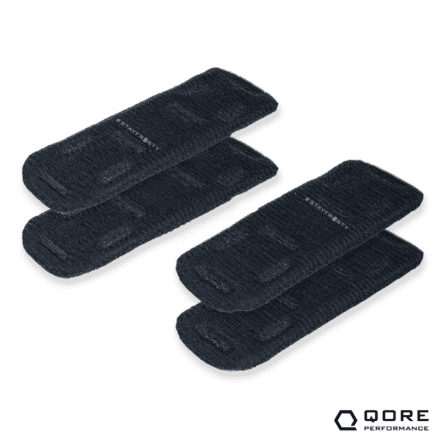
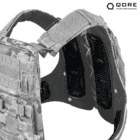
Sterling, VA: Qore Performance, the inventors of specialized and consumable thermoregulation for military and occupational safety PPE, is proud to introduce the two newest members of their cutting-edge IceVents family of ultralight ventilated load-bearing pads: IceVents Classic Pontoons and IceVents Classic Ventilated AVS Harness Pad Set.

The updated IceVents Classic Pontoons and the IceVents Classic Ventilated AVS Harness Pad Set feature a new, permanently bonded hook Velcro backing, differentiating them from regular IceVents Classic Plate Carrier Shoulder Pads. This allows IceVents Classic Pontoons and IceVents Classic Ventilated AVS Harness Pad Sets to attach directly to the hook-receptive loop liner of the AVS or any other plate carrier with internal loop fields out of the box. No modifications are required.

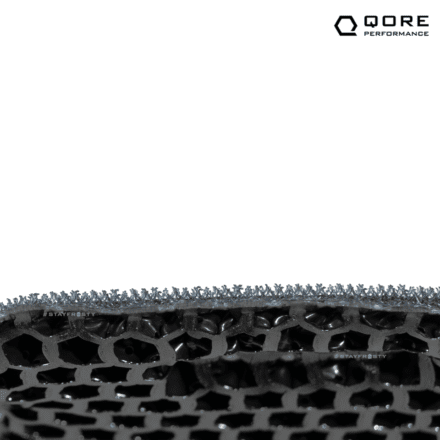
Configured specifically for the Crye Precision Adaptive Vest System, the IceVents Classic Ventilated AVS Harness Pad Set is a direct replacement for the stock foam pads that come with the Crye Precision AVS. Foam insulates heat while absorbing and retaining moisture. By comparison, IceVents are 90% air by volume, anti-microbial at the molecular level and do not retain water (hydrolysis resistance). Their unique Anisotropic Architecture features three different degrees of flexibility in the length, width and vertically against the surface, allowing IceVents to absorb energy or impact from different angles while contouring the body perfectly, making for the most comfortable, most capable and most advanced load bearing pads on the market today.

The IceVents Classic Pontoons and IceVents Classic Ventilated AVS Harness Pad Set both build on Qore Performance’s patented IceVents technology to enhance airflow and ventilation for plate carrier and AVS end-users. Both packages feature all of the same technology that have made IceVents Classic and IceVents Aero the standard for best-in-class plate carrier ventilation:
– 90% air by volume
– Omni-directional venting keeps you dry and comfortable
– Plush hexagonal honeycomb for unmatched load-bearing comfort
– Load distribution architecture that outperforms foams, reducing fatigue
– Anti-microbial at the molecular level
– Abrasion resistant
– Washable (if needed)
– Stimulates superficial blood flow to improve circulation
– Hydrolysis Resistance: does not retain water
– Stimulite honeycomb TPE technology
– Operating Temperature Range: -40 to 198 degrees Fahrenheit
– Dimensions: 10.25″ x 3.125″ x 0.25″

IceVents Classic Pontoons and IceVents Classic Ventilated AVS Harness Pad Sets are available now, exclusively from the Qore Performance website:
IceVents Classic Pontoons
IceVents Classic Ventilated AVS Harness Pad Set

For sales inquiries, contact:

Doug Burr
Director of Sales and Business Development

Qore Performance, Inc.
22311 Shaw Rd, STE A2
Sterling, VA 20166

www.qoreperformance.com
info@qoreperformance.com
703.755.0724
@qoreperformance

For International Sales in Europe and Southeast Asia, contact Terrang, ATS Ascensio, Brownells Europe or BAD International:

www.qoreperformance.com/blogs/running-the-business/international

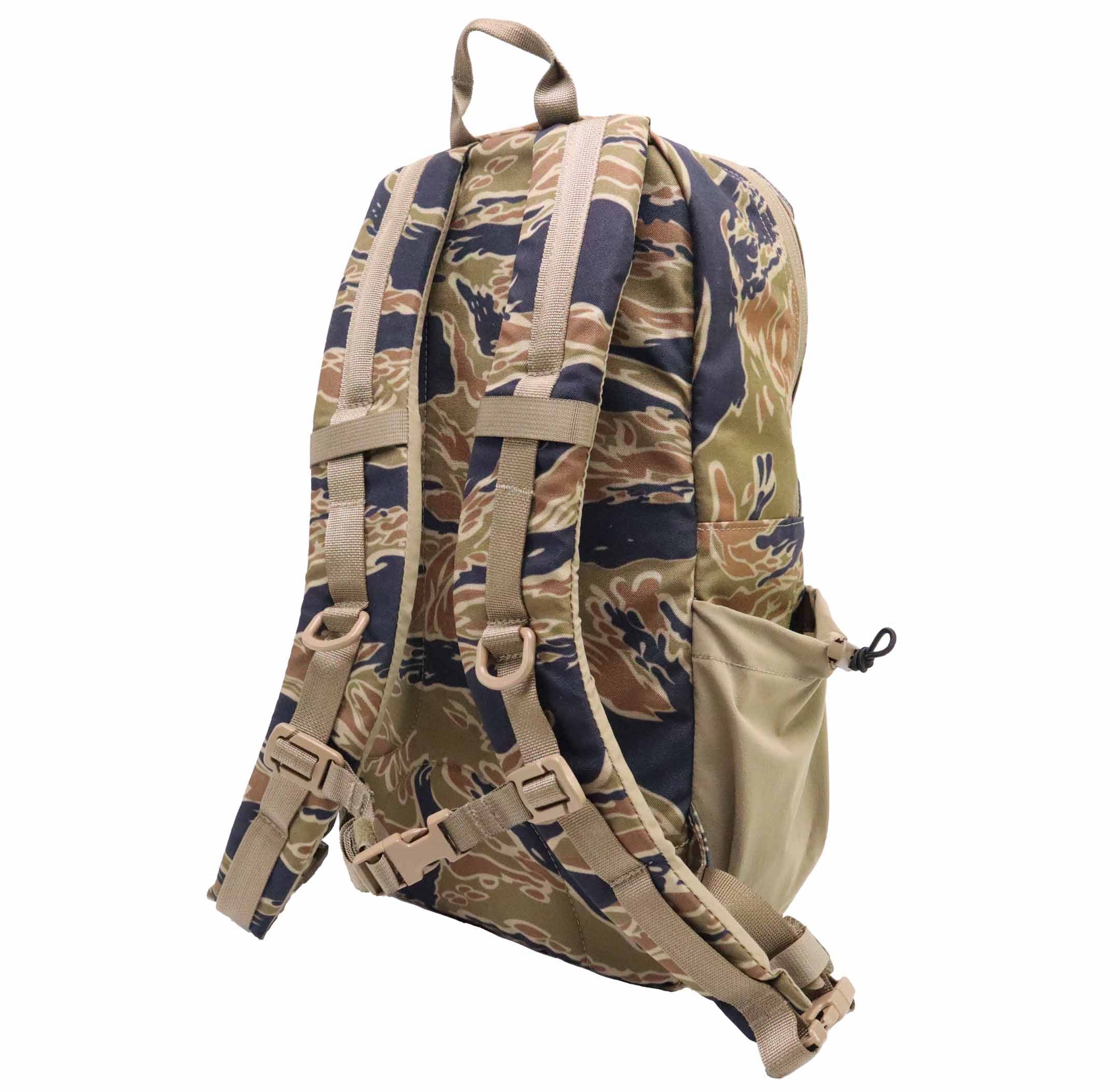
Legit Kit x London Bridge LBT-8005A in Legit Tiger

Tuesday, March 16th, 2021

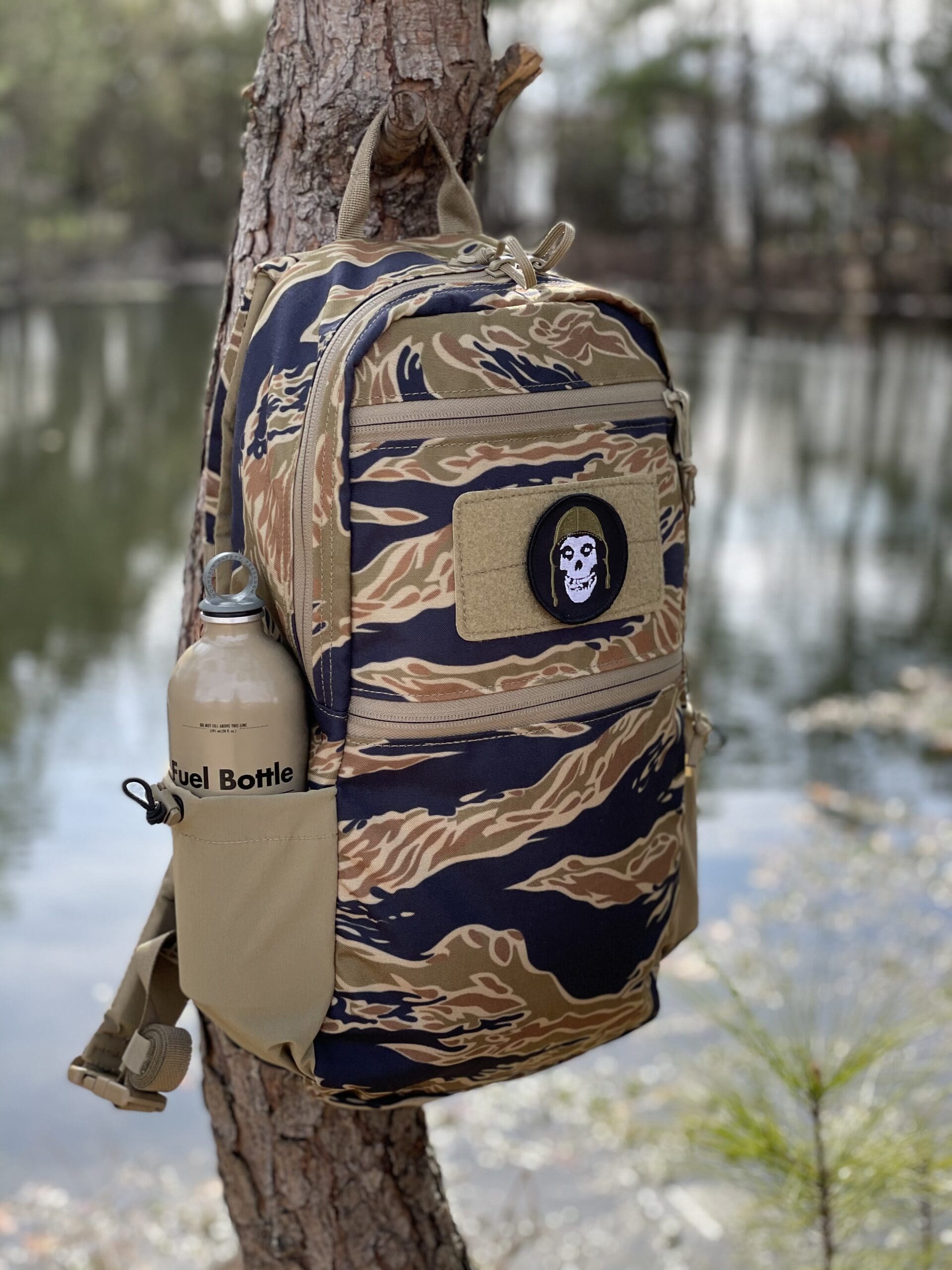
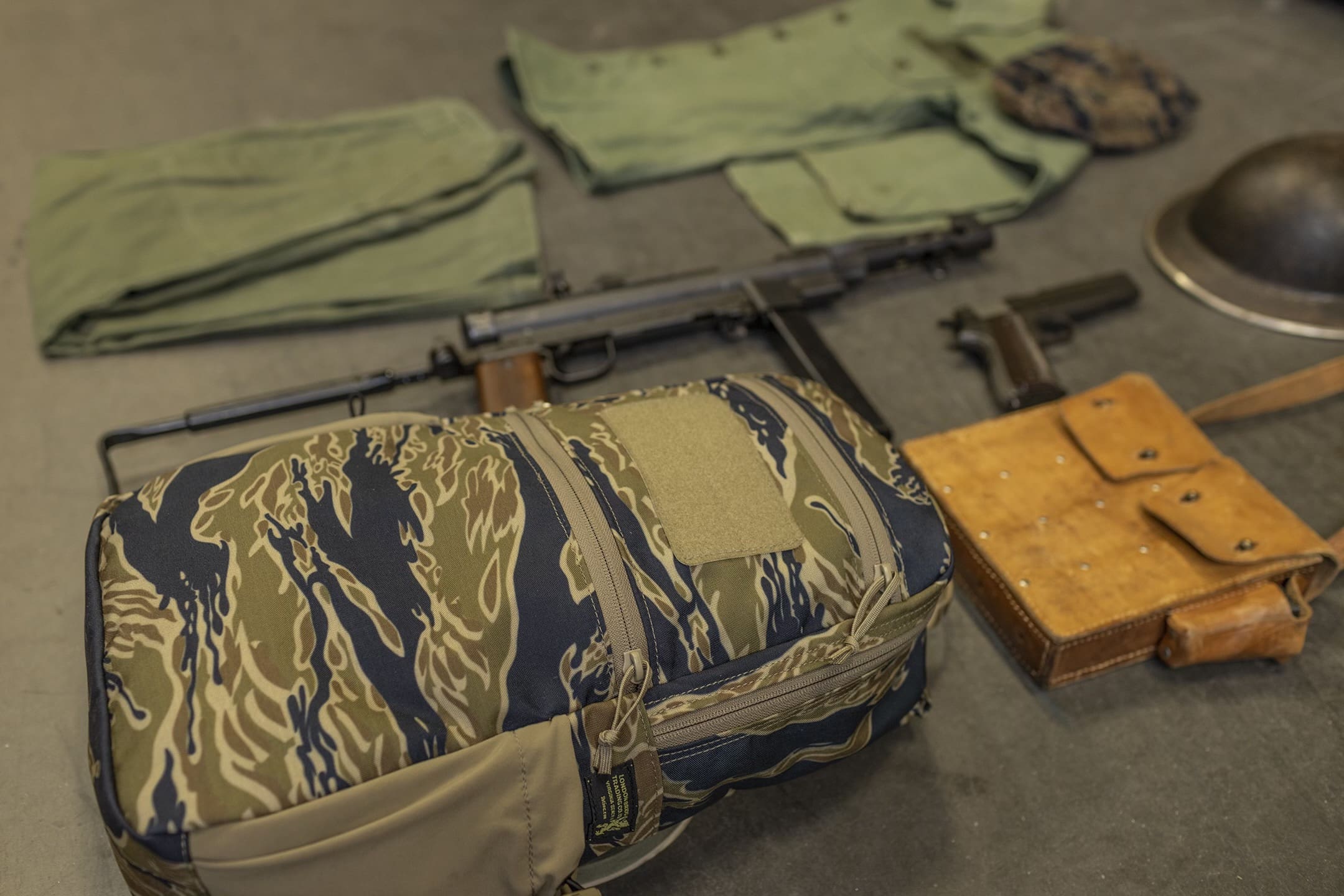
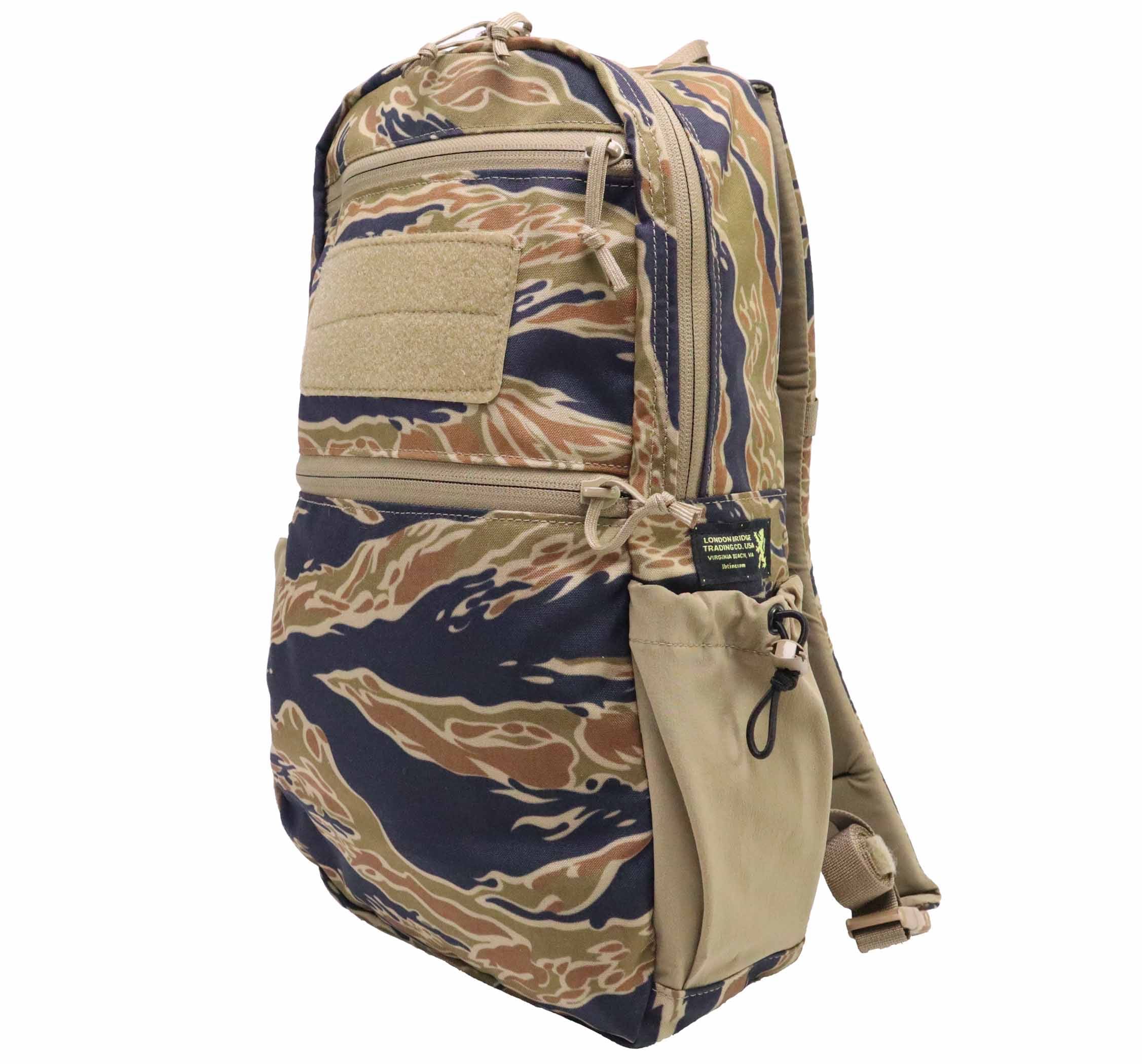
Exclusively at Legit Kit, our custom Legit Tiger meets the London Bridge LBT-8005A. This daypack won’t be sold anywhere else, you can only find it here.

The print is based on a genuine Vietnam-era Gold Tiger uniform.

Features:
-(2) Zippered front pockets
Top: 5.5H x 9.75W
Bottom: 10H x 10.5W
-2.5H x 5.7W loop field for ID/morale patch
-(2) 4-way stretch water bottle pockets w/ barrel lock/cinch closure
-1/4″ foam backed bungee cinch laptop sleeve

Specifications:
Size: 18.5H x 10W x 4.75D
Capacity: 14.4 L
Weight: 1.25 lbs

The pack will be available starting Friday at 1400 EDT from legitkit.com/products/london-bridge-trading-lbt-8005a-day-pack-14l-tigerstripe but will show out of stock until then.

2021 TYR Tactical Catalog

Tuesday, March 16th, 2021

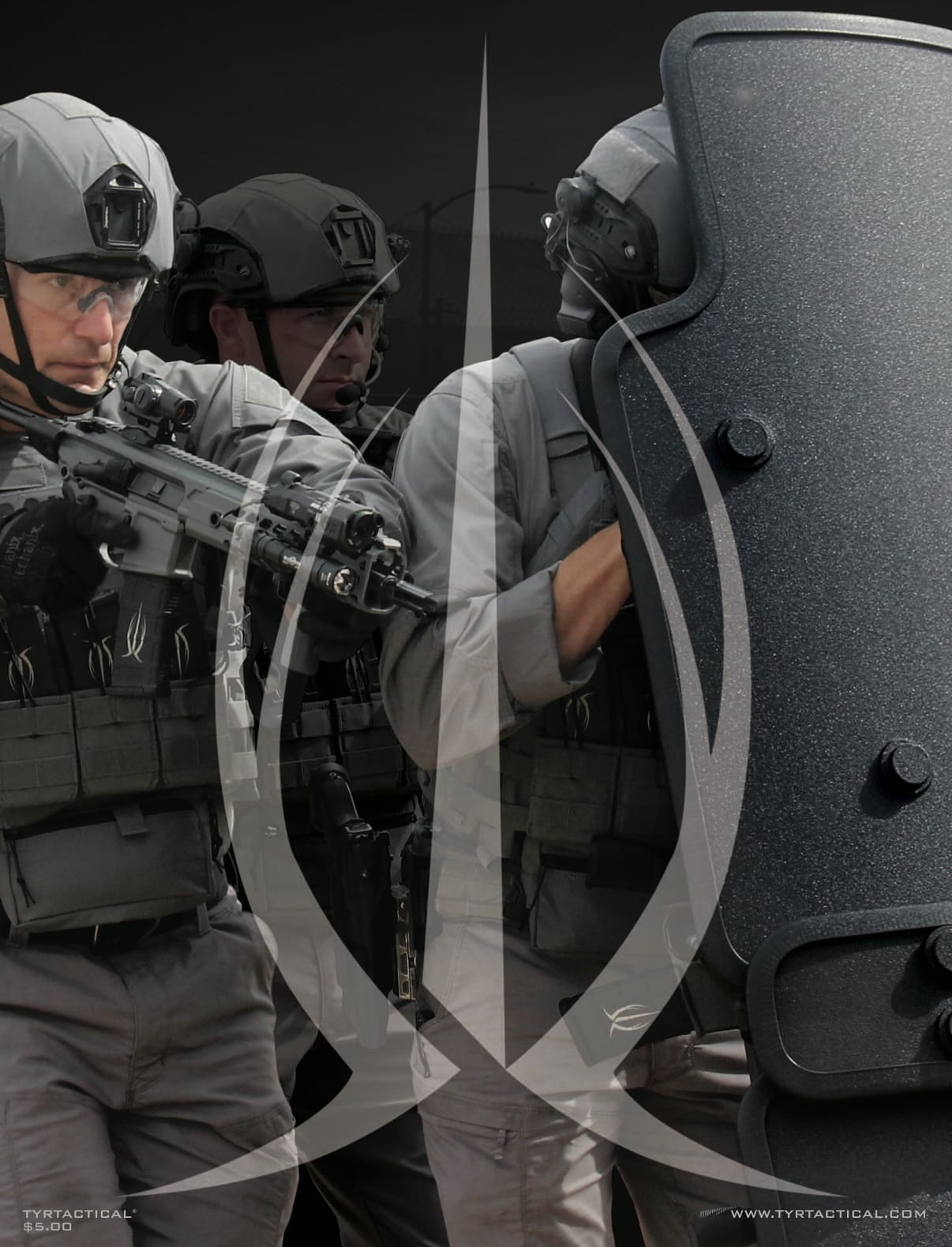
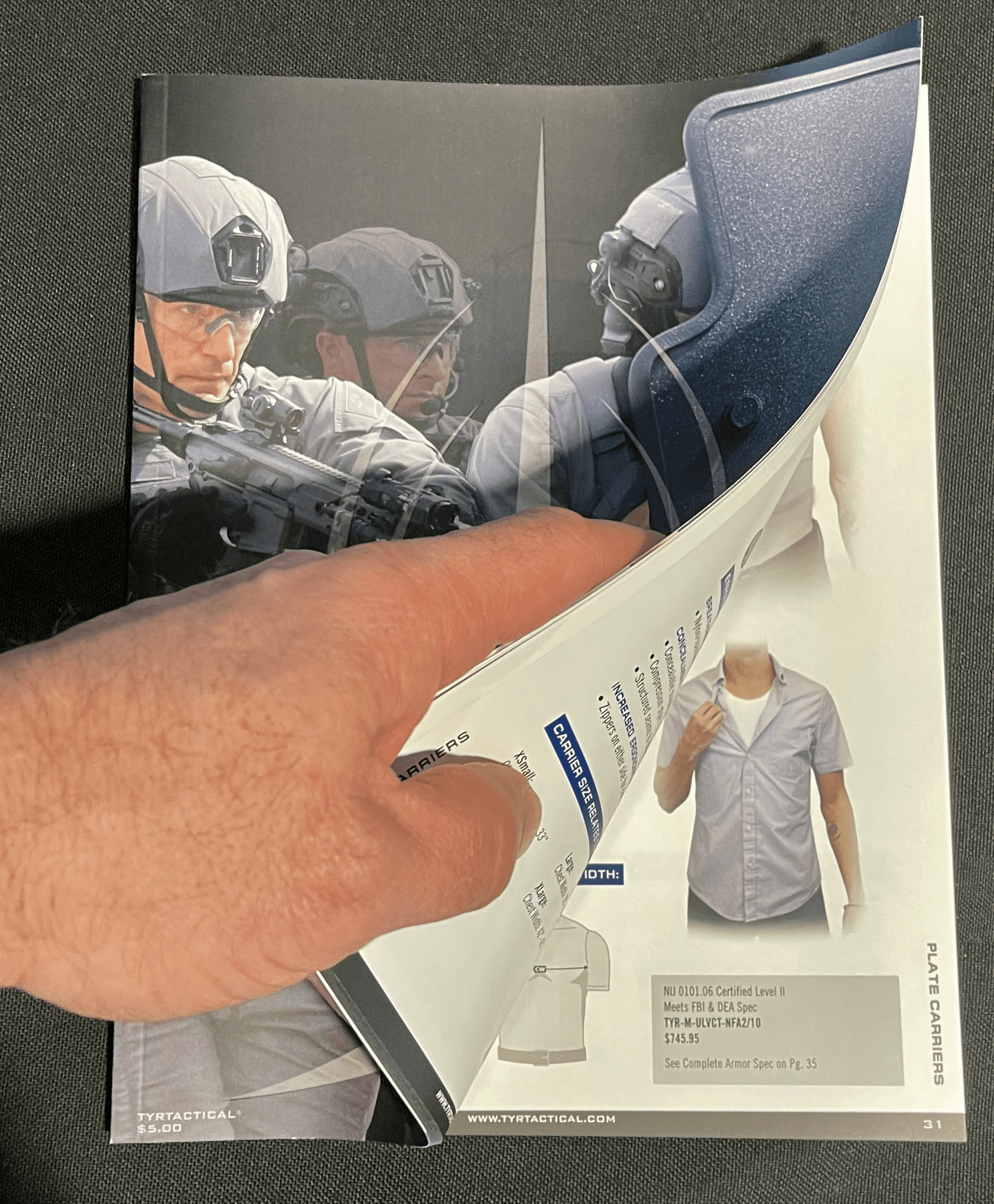
TYR Tactical’s catalogs have always been awesome and this year is no different.

You can view it online here.

It’s also right here:

Request your own copy of the 2021 Catalog here.

TYR Tactical Awarded Multi-Million Dollar Concealable Body Armor Contract by the Federal Bureau of Investigation

Monday, March 15th, 2021

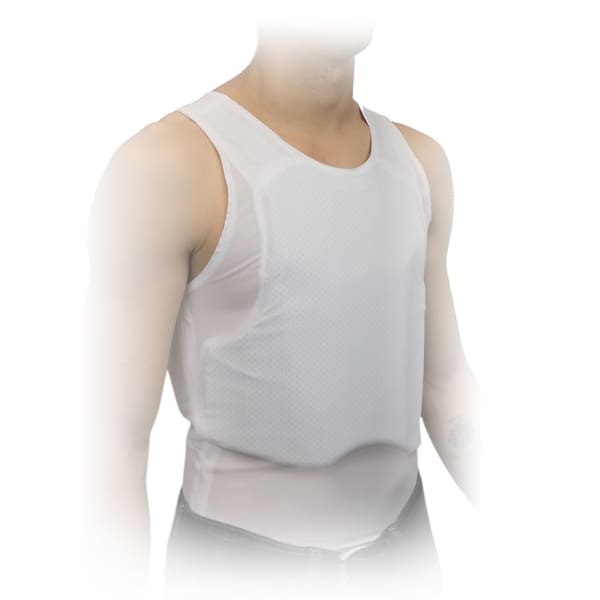
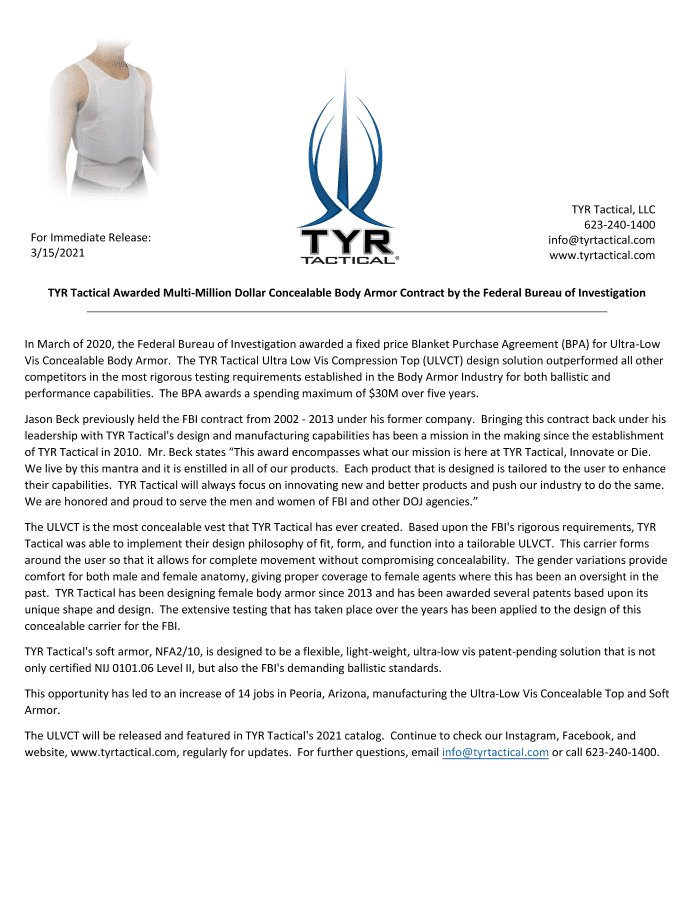
In March of 2020, the Federal Bureau of Investigation awarded a fixed price Blanket Purchase Agreement (BPA) for Ultra-Low Vis Concealable Body Armor. The TYR Tactical Ultra Low Vis Compression Top (ULVCT) design solution outperformed all other competitors in the most rigorous testing requirements established in the Body Armor Industry for both ballistic and performance capabilities. The BPA awards a spending maximum of $30M over five years.

Jason Beck previously held the FBI contract from 2002 – 2013 under his former company. Bringing this contract back under his leadership with TYR Tactical’s design and manufacturing capabilities has been a mission in the making since the establishment of TYR Tactical in 2010. Mr. Beck states “This award encompasses what our mission is here at TYR Tactical, Innovate or Die. We live by this mantra and it is enstilled in all of our products. Each product that is designed is tailored to the user to enhance their capabilities. TYR Tactical will always focus on innovating new and better products and push our industry to do the same. We are honored and proud to serve the men and women of FBI and other DOJ agencies.”

The ULVCT is the most concealable vest that TYR Tactical has ever created. Based upon the FBI’s rigorous requirements, TYR Tactical was able to implement their design philosophy of fit, form, and function into a tailorable ULVCT. This carrier forms around the user so that it allows for complete movement without compromising concealability. The gender variations provide comfort for both male and female anatomy, giving proper coverage to female agents where this has been an oversight in the past. TYR Tactical has been designing female body armor since 2013 and has been awarded several patents based upon its unique shape and design. The extensive testing that has taken place over the years has been applied to the design of this concealable carrier for the FBI.

TYR Tactical’s soft armor, NFA2/10, is designed to be a flexible, light-weight, ultra-low vis patent-pending solution that is not only certified NIJ 0101.06 Level II, but also the FBI’s demanding ballistic standards.

This opportunity has led to an increase of 14 jobs in Peoria, Arizona, manufacturing the Ultra-Low Vis Concealable Top and Soft Armor.

The ULVCT will be released and featured in TYR Tactical’s 2021 catalog. Continue to check our Instagram, Facebook, and website, www.tyrtactical.com, regularly for updates. For further questions, email info@tyrtactical.com or call 623-240-1400.

SCUBAPRO SUNDAY – The Battle of Hampton Roads

Sunday, March 14th, 2021

The Battle of Hampton Roads took place in March 1862 in Virginia during the American Civil War. The battle is considered historically significant, although it did not yield a definitive outcome, as it was the first time that ironclad warships met head-to-head. This battle effectively made all wooden naval ships obsolete, especially those of Great Britain and France, and forced them to shift towards an all-ironclad fleet.
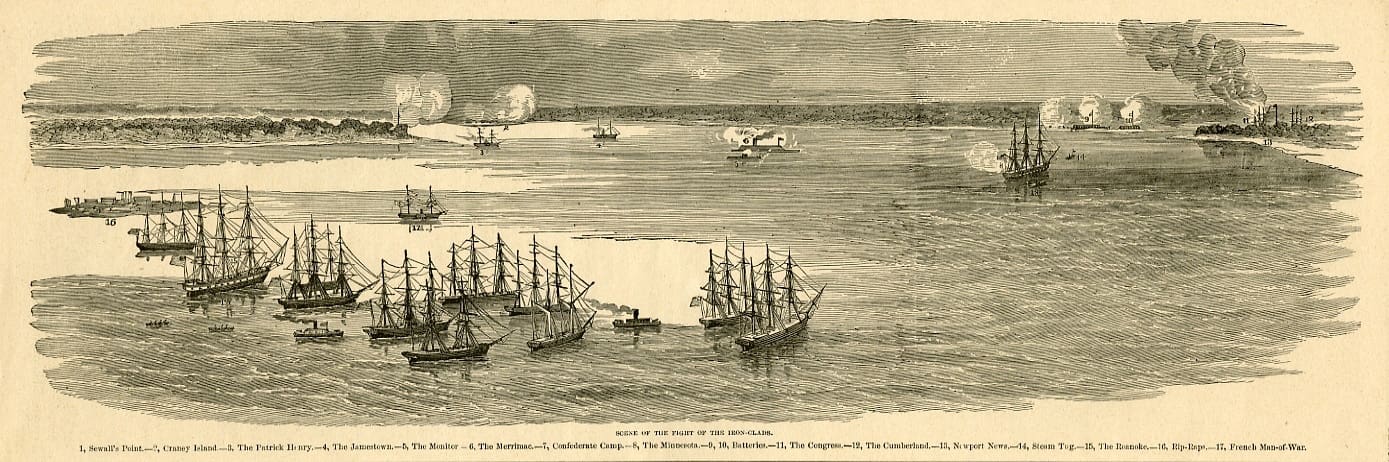
President Lincoln ordered a blockade in the spring of 1861, shortly after the war outbreak, of the ports of those states that had declared their secession from the Union. By the end of April, the blockade had been extended to the anchorage near the Chesapeake Bay at Hampton Roads in Virginia. This was of great strategic significance because it marked the Nansemond and Elizabeth Rivers’ confluence with the James River. Due to their base at Norfolk and the Portsmouth navy yard, Confederate forces occupied the south side of the river.

To protect the navy yard, the Confederacy installed two batteries at Craney Island and Sewell’s Point. However, Fort Monroe, and thus the closest part of the Virginia Peninsula, remained in the Union’s hands. The Confederate forces were almost entirely stopped from traveling between Richmond and Norfolk and the ocean until the blockade began to be enforced. The siege was strengthened by the strong ships of the Union, strategically put beyond the range of the Confederate batteries but under the protection of those of the Union. This standstill when on for almost a year
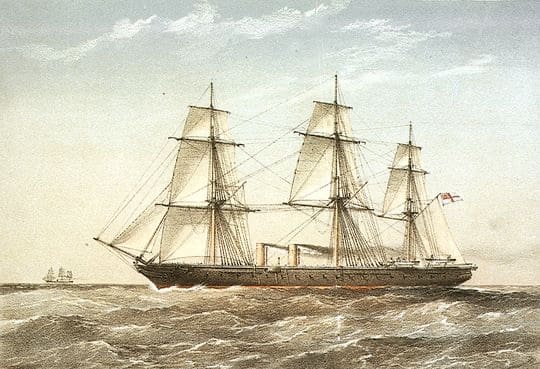
The US was far behind other countries when it came to updating their Navy. Several ironclads were built during the Crimean War, primarily designed to fight forts. In 1859 the French made an “ironclad frigate” called La Gloire. It was 250 feet long, carried 38 cannons, was covered in over 4 inches of iron, and could travel 12 knots. To keep up with France, Britain built the HMS Warrior (picture above) in 1860, the largest Ironclad. By 1862 Britain and France had 16 ironclads completed or under construction, and Austria, Italy, Russia, and Spain were building them. It was generally recognized that ironclad warships would be the future of naval warfare.

While France and Britain already had ironclad warships, the United States Navy was unconvinced of the armored ships’ value. Therefore, the Confederacy was the first to begin construction on their Ironclad (CSS Virginia). It was not designed from scratch, which would have taken almost a year because of the need to operate quickly, but instead made up from the ruined hull of the sunken USS Merrimack. The ship’s bow was mounted with an iron ram, while it was armed with ten guns. Two-inch thick armor plates, an improvement from the initial one-inch specification, were introduced. Called CSS Virginia, in February 1862, the vessel was eventually commissioned.
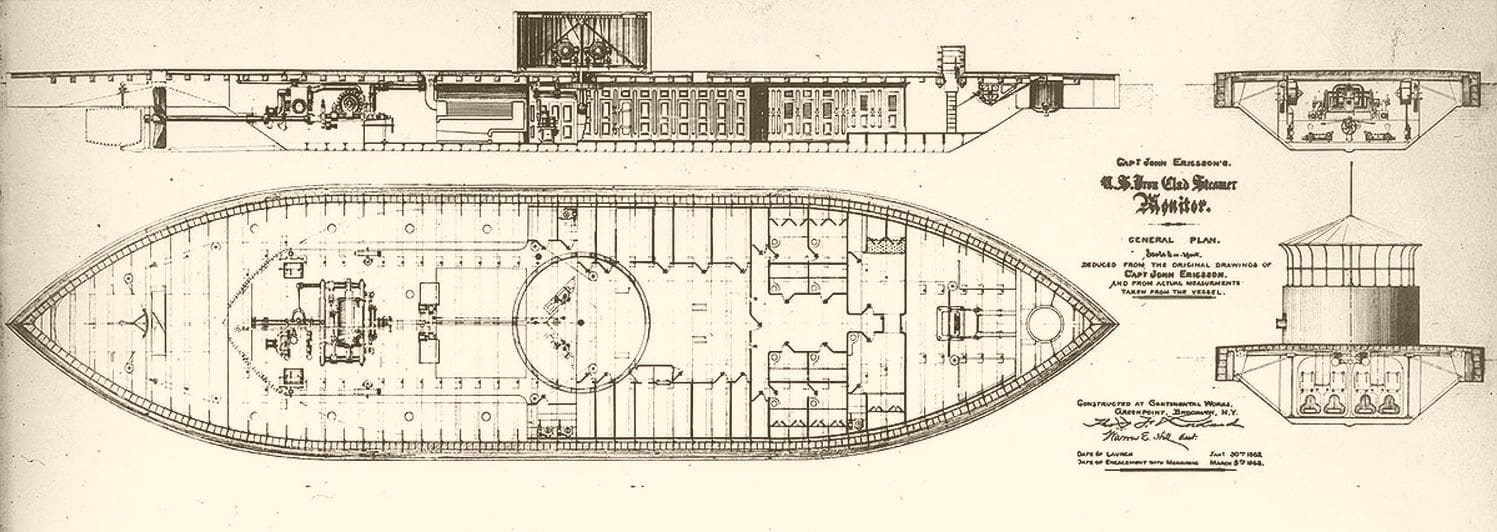
Meanwhile, the Union command had received news that the Confederacy wanted to build an ironclad ship. This caused serious concern, and the Union’s Ironclad’s construction, the USS Monitor, was approved by Congress. The most noteworthy feature of this vessel was that it had only two large-caliber guns, mounted in a large cylindrical turret that could rotate thanks to a steam engine’s control. This greatly reduced the manpower required for the armaments of the ship.   Eight-inch-thick iron plates coated the entire turret. The USS Monitor was commissioned just a few days after the CSS Virginia. 

The battle of Hampton roads lasted two days, with Virginia commanded by Franklin Buchanan and Monitor captain John L. Worden, although neither man was officially in overall command. Intending to mount a direct assault, Buchanan sent Virginia into Hampton Roads early on March 8. Five more ships followed the ship’s route. In the meantime, the Union also had five ships, accompanied by some support vessels, into the bay. Near Fort Monroe, several other ships were moored; one of these was the Roanoke, which ran aground as the USS Virginia approached and two additional vessels. Two of the three were taken out of the battle; the third, Minnesota’s frigate, later returned to action.

Virginia struck the USS Cumberland after a very small skirmish early in the day, ramming the ship and creating a hole below the waterline. With the loss of more than 120 lives, the ship sank rapidly. However, despite this success, Virginia herself was lucky not to go down because the ram of the ship had been stuck in the Cumberland hull. Virginia then advanced on the USS Congress, whose captain had told her to run aground to prevent the Cumberland’s fate from being repeated. The condition of the USS Congress, however, was hopeless after an hour, and Smith surrendered. Buchanan, who wanted to fire on the USS Congress with red-hot cannonballs, was enraged by Union shore guns. The ship caught fire, burning fiercely until it blew up that night as the flames entered its gunpowder store.
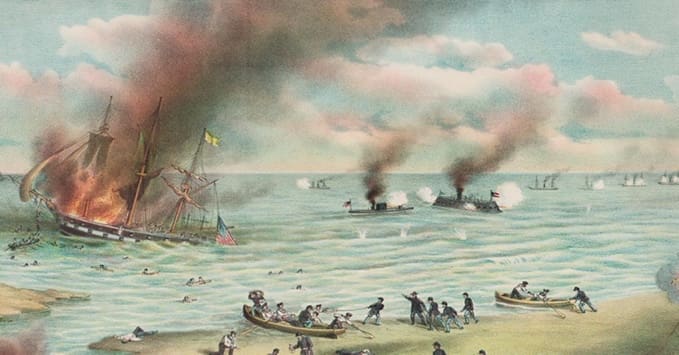
By now, Virginia herself had suffered some damage, making the already slow ship even more sluggish, while Buchanan was injured when a rifle shot hit his thigh. Meanwhile, the James River Squadron invaded Minnesota, and now Virginia joined the assault, but its deep draft made it difficult to get near, and as night fell, the attack was called off. Virginia instead returned to the Confederacy-controlled waters, hoping to return the next morning. The Union forces had lost 400 men and two ships at this point, with three more on the ground; the Confederacy had suffered two casualties and had maintained all its ships.

This was the worst loss the United States ever experienced. Before the Second World War, the Navy Secretary of War Edwin Stanton warned that Virginia could even manage to fire shells at the White House, but he was told that this would not happen because the ship was too huge for the river Potomac. Nevertheless, to secure Union ships and avoid Monitor from attacking its towns, Monitor was transferred to Hampton Roads as soon as possible. Captain Worden was ordered to defend Minnesota, and he took over the nearby station. On March 9, Virginia arrived at daybreak and assaulted the Monitor.

The Confederate commanders, who initially thought the ship was simply a boiler being towed down the river for repairs, were startled by the peculiar nature of the Monitor. However, once the ship’s true nature became apparent, a long war began, lasting several hours. Virginia opened with a shot toward Monitor; Minnesota was missing and struck, causing the ship to fire in response to a broadside. Since both ironclad ships were more robust in their defense than they were offensively and were capable of completely piercing the armor plating of the opposing ship without ammunition, neither side could make a decisive breakthrough.
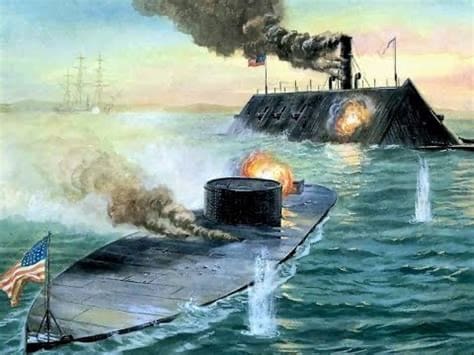
After a few hours, a freak occurrence ended the battle: a wayward shell from Virginia hit the pilothouse of the Monitor, exploding. Worden was temporarily blinded by the debris, which forced Monitor to draw back before the executive officer, Lieutenant Samuel Dana Greene, could take over command. While Monitor returned to the fray then, Virginia’s crew was under the impression that she had withdrawn entirely. Jones chose to take her back to Norfolk because of this, along with the fact that Virginia herself had suffered considerable damage. To find her opponent going away, Monitor returned to the scene, and Greene misinterpreted the move as a retreat.
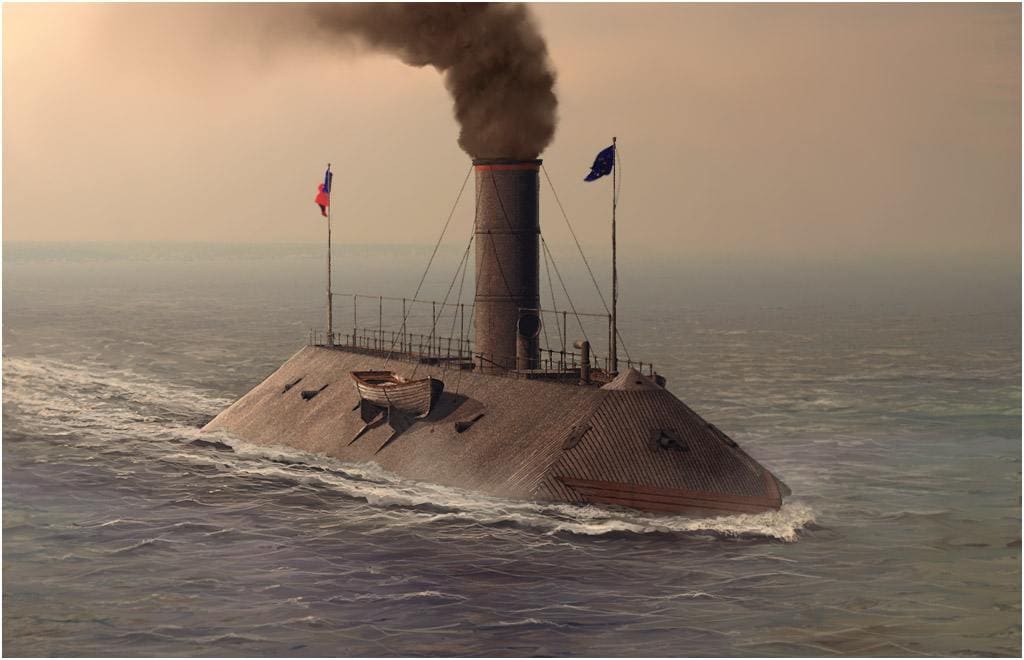
Virginia spent several weeks doing repairs to a dry dock. The blockade of the Union, meanwhile, was strengthened, with some new ironclads taking part. There was a standoff in which both the CSS Virginia captains and the USS Monitor refused to engage the other ship in action. The decision to leave Norfolk was made by Major General Benjamin Huger of the Confederacy on May 9, as it is now of limited strategic significance. Since Virginia was too big to travel upriver, she was intentionally sunk on her side to avoid causing her to be captured. The fate of the Monitor was different: she sank in a storm in December after being sent to North Carolina.
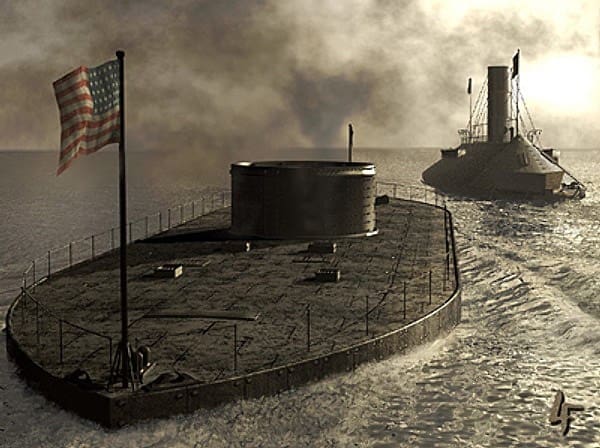
The fight, overall, was a draw. There were considerably more men and ships lost by the Union, but the vital blockade remained intact. The war of the Ironclads captured the attention of many other navies on a global scale. In particular, Russia, Britain, and France hurried to build ironclads, many of which were highly inspired by the USS Monitor in their designs. Rams were also used in several such ships. However, this innovation was something of a dead-end, as naval guns were sufficiently powerful by 1900 to make it almost impossible for close encounters between ships.


Fort Bragg Warfighter 21 – Therm-a-rest Neoair Micro Pump

Friday, March 12th, 2021

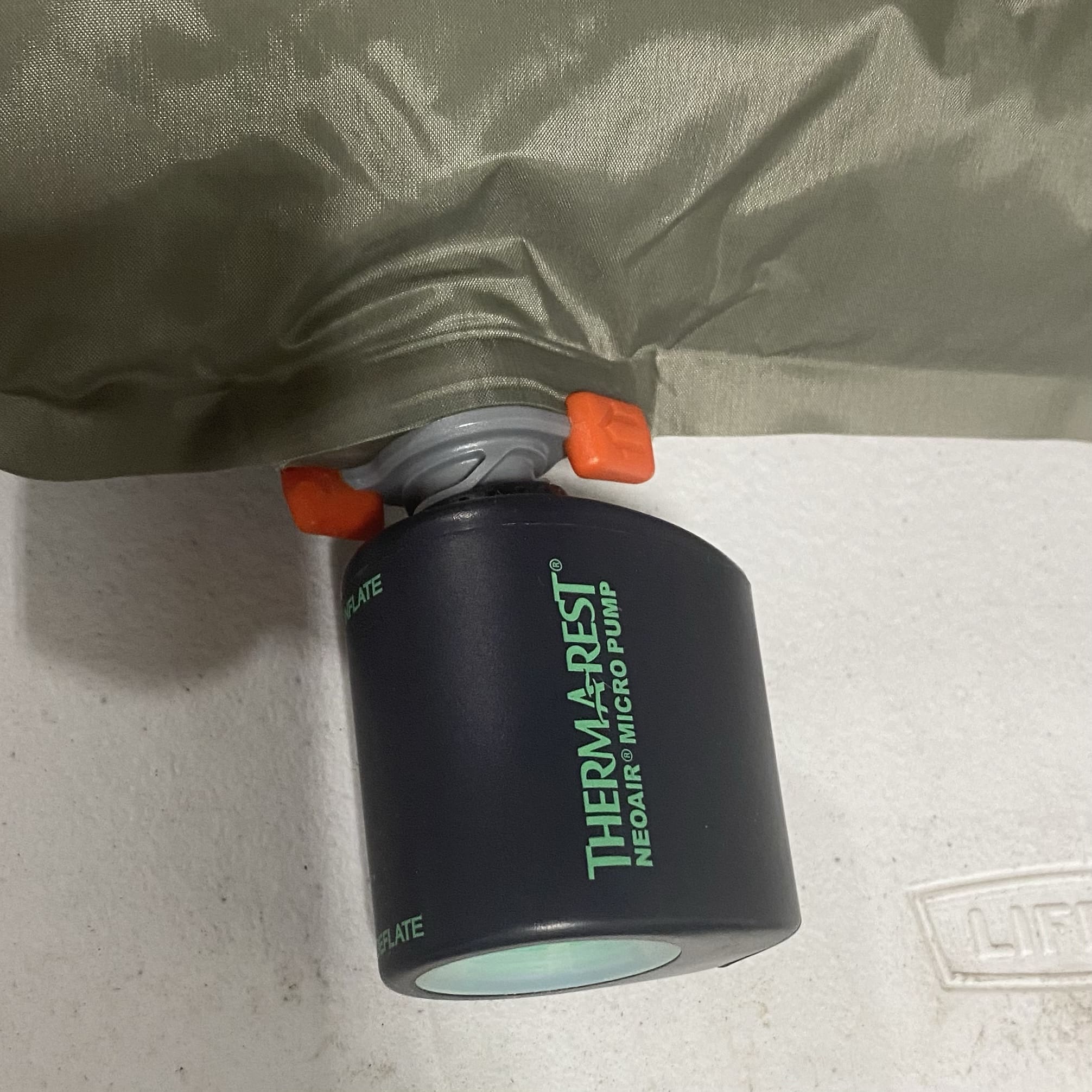
The Neoair Micro Pump is a pocket sized battery powered air pump to inflate a Therm-a-rest pad. It will also deflate the pad when you’re done using it. It weighs just 2.3 oz and that’s with two AAA batteries.

Units and agencies can procure Therm-a-rest products by contacting Atlantic Diving Supply.

Fort Bragg Warfighter 21 – Quick Tube Medical

Friday, March 12th, 2021

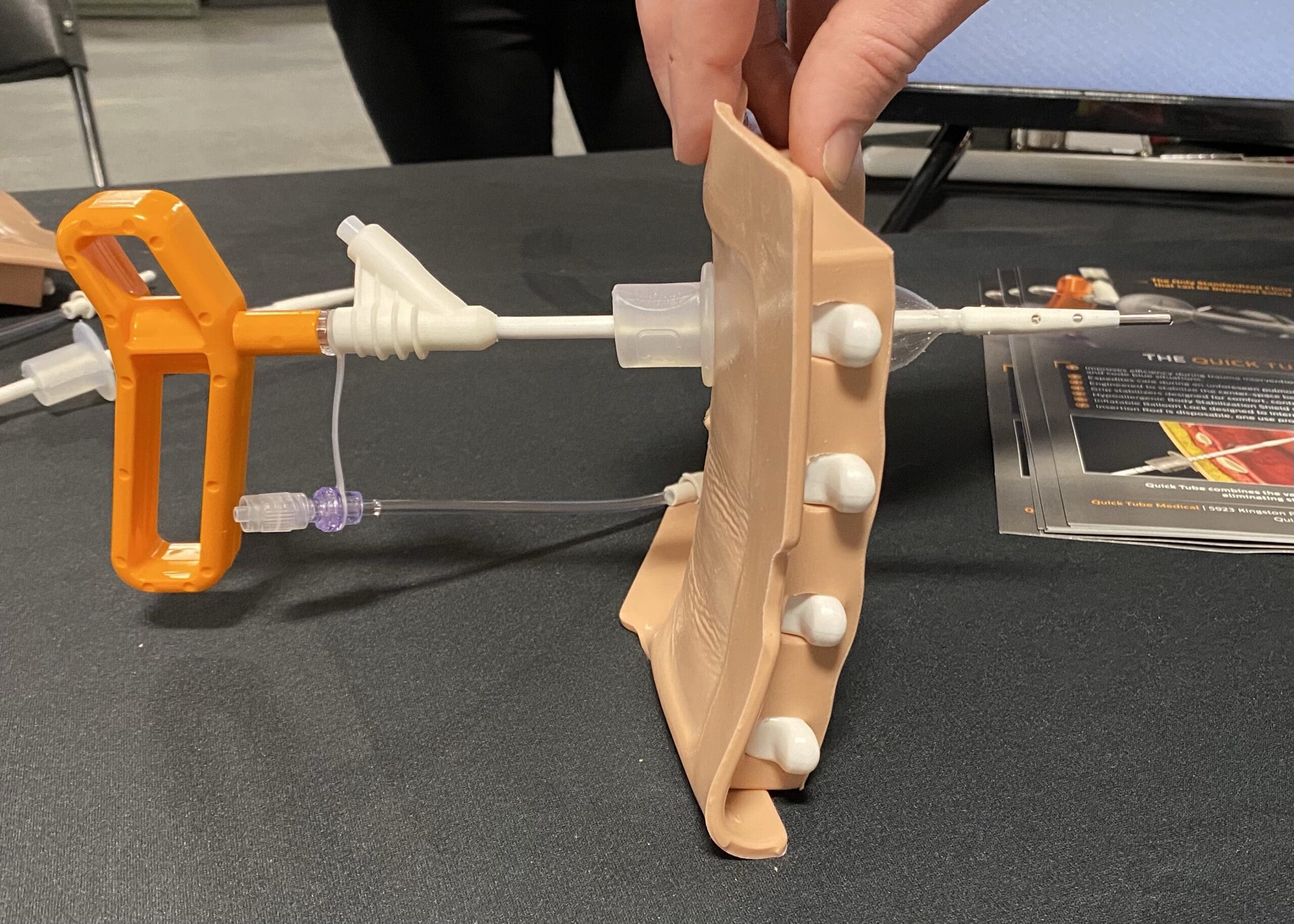
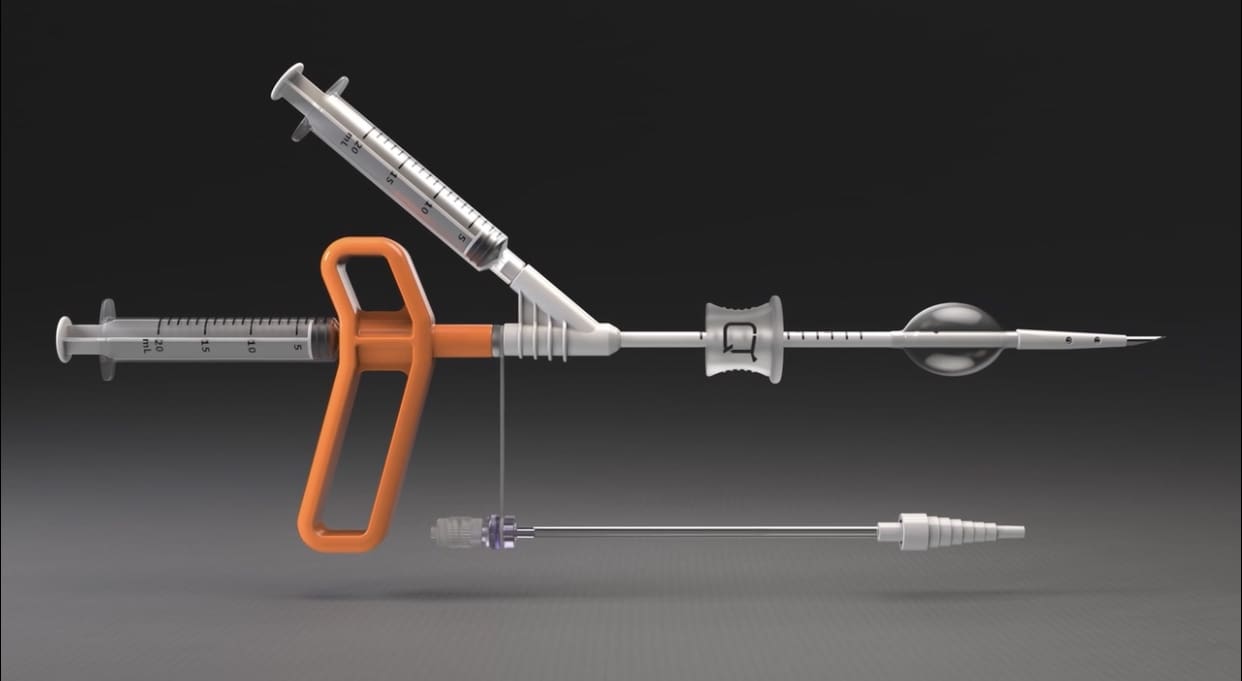
What you’re looking at is the Quick Tube applied to a cross section of simulated chest cavity. It is an integrated chest tube and needle system.

There’s no incision and no sutures and it even rolls over ribs during insertion. It features a grip which eases application and and inflatable balloon lock to keep it in place once inserted.

Units and agencies can procure the Quick Tube by contacting Atlantic Diving Supply.