Atrius Development Group

Archive for the ‘Contracts’ Category

US Army Seeks Direct View Optics for M4 Carbines

Wednesday, July 3rd, 2019

The US Army has issued a Prototype Project Opportunity Notice (PPON) for a Direct View Optic. This is a Mid-Tier Acquisition effort to quickly identify, test and procure a 1-6x variable power optic for use with the M4A1 Carbine.

The DVO will be capable of variable power magnification with minimum magnification of 1.0x with no rounding and maximum magnification greater than or equal to 6.0 power.

Rationale: Variable power magnification optics combine the capabilities of the non-magnified optic’s ability to engage close quarter targets with a fixed-magnification optic’s ability to detect, recognize, identify, and precisely engage targets at extended ranges. This allows the Soldier to have both critical capabilities without the limitations of either non magnified or fixed magnification optics.

The Government intends to award up to four independent fixed amount Other Transactional Agreements for DVO prototyping, with the goal of delivering 15 Direct View Optic (DVO) Systems with operator manual, MIL-STD-1913 rail compatible mounting hardware, battery, and cleaning items per awardee to be delivered within 30 calendar days after OTA award date. The Government intends to evaluate and award, based on a trade-off process, up to four fixed amount, stand-alone OTAs.

Based on the results of the prototype testing and updated proposals, the Government intends to conduct an evaluation of successfully completed prototype OTAs and, select one prototype OTA awardee for award of a follow-on production Agreement or contract for a known quantity of 50 DVOs. Although, the Army currently has no requirements beyond the known quantity of 50 DVO systems, the maximum quantity of the follow-on Agreement or contact may be up to 120,000 DVO Systems. The follow-on production Agreement or contract will be for five years and will have Line Item Number (LIN) Range Pricing.

Based on source selection, the Army plans to purchase up to 120,000 optics for use by its close combat forces as well as some room in the contract for other agencies interested in purchasing them as well.

Close Combat Forces are those are most likely to conduct direct combat with the enemy and include Infantry, Cavalry Scouts, and Combat Engineers as well as those who provide them embedded support, such as Combat Medics.

Due to the DVO magnification, one potential threat is that an incoming laser could be magnified to essentially make a safe laser unsafe. Every production contract DVO will be equipped with a Laser Filter Unit (LFU) to mitigate this threat. The LFU is an objective lens end mounted filter produced to a Government specification. Other than that, and the mount requirement, the PPON leaves everything pretty open, allowing the Army to evaluate a wide variety of scopes.

Although the Army is focused on procuring a Next Generation Automatic Rifle and Carbine for these Forces, it will take several years to select these weapons and field them. The DVO will be placed quickly into service to enhance the Soldier’s ability to detect, recognize, identify, and accurately engage targets at extended ranges. The want to increase not only lethality but selectivity as well.
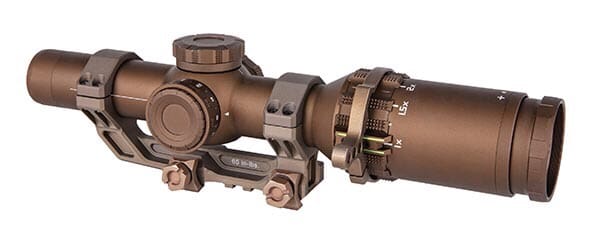
This isn’t the first time the Army has procured a 1-6x Optic. Last year, they selected the SIG Optics TANGO6T for use with the Squad Designated Marksman Rifle variant of H&K’s G28 in 7.62mm NATO. However, there are a lot of great optics on the market. With the Army being pretty open to looking at different options, this could very well come down to production capacity.

Closing date for this PPON is Aug 05, 2019 at 5:00 pm Eastern.

For full details, visit www.fbo.gov.

Point Blank Enterprises, Inc. Awarded Lightweight Body Armor Insert Contract by the United States Marine Corps Systems Command

Tuesday, June 25th, 2019

POMPANO BEACH, Fla., June 24, 2019 (GLOBE NEWSWIRE) — Point Blank Enterprises, Inc. has been awarded a $215.9 million USD body armor contract by the United States Marine Corps Systems Command (MARCORSYSCOM). The Marine Corps Low Intensity Threat Environment (LITE) body armor insert is a new small arms protective insert that is designed to improve the survivability and mobility of Marines by maximizing ballistic protection at a reduced weight.

“We are honored to be selected by the United State Marine Corps to provide this new lightweight body armor solution. Reducing Marine burden by providing innovative and lightweight armor solutions along with our high quality manufacturing capabilities is our expertise.” said Brian Kopan, Senior Vice President of Engineering and Technology. “Whether we are designing armor systems for vehicles or individual protection equipment, our mission is always focused on saving the life of those that protect us.”

For over 43 years, Point Blank Enterprises, Inc. has been the industry’s leading innovator of advanced products and designs engineered to maximize ballistic protection. The Company has shipped millions of body armor solutions to America’s service men and women, law enforcement professionals, corrections officers, Federal agents, and other key national and international customers. Point Blank will be exhibiting the full range of armor systems at this year’s AUSA Annual Meeting and Symposium in Washington, D.C. 14-16 October 2019.

www.pointblankenterprises.com

US Marine Corps Adoption of M18 Underscores Success of SIG SAUER Modular Handgun System Program

Monday, June 17th, 2019

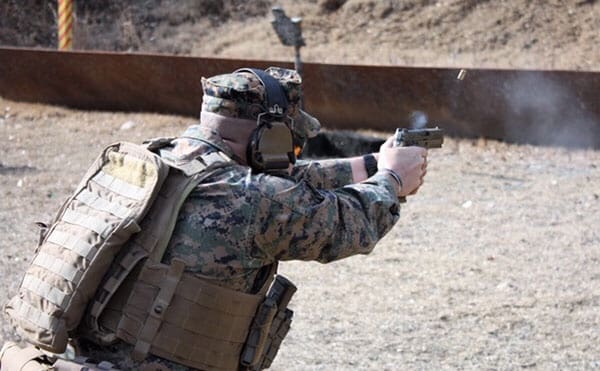
NEWINGTON, N.H., (June 17, 2019) –SIG SAUER, Inc. is honored to announce that the United States Marine Corps (USMC) is set to adopt the M18, the compact variant of the U.S. Army’s Modular Handgun System (MHS), as their official duty pistol.

“The Marine Corps announcement to put the M18 in service with the Marines is a very exciting development for SIG SAUER, and a true testament to the success of the MHS program,” began Ron Cohen, President & CEO, SIG SAUER, Inc. “The Marine’s procurement of the M18 brings the adoption of our Modular Handgun System full circle, as this means, beginning in 2020, either the M17 or the M18 will be officially in service with every branch of the U.S. Military.”


The M18 is a 9mm, striker-fired pistol featuring a coyote-tan PVD coated stainless steel slide with black controls.  The pistol is equipped with SIGLITE front night sights and removable night sight rear plate, and manual safety. 

Recently, the M18 successfully completed a MHS Material Reliability Test that consisted of firing three M18 pistols to 12,000 rounds each for a total of 36,000 rounds in accordance with the MHS requirements.  Comparatively, the U.S. Army’s legacy pistol was only tested to 5,000 rounds making the test duration for the M18 pistol 2.4 times greater than that of the legacy pistol.  In this testing, the M18 experienced zero stoppages despite being allowed up to twelve stoppages.  Additionally, the M18 passed a parts interchange test, and met stringent accuracy and dispersion requirements.

“The success of the MHS program is the direct result of the indisputable performance and superior quality of the M17 and M18 pistols, and the commitment and dedication of the men and women of SIG SAUER to those that serve in the defense of freedom,” continued Cohen. “We are very proud, and humbled, to have earned the trust of every branch of the U.S. Military through their acceptance of the MHS program and adoption of the M17 and M18 pistols.”

Currently, the M17 and M18 are in service with the U.S. Army, Navy, Air Force, and Coast Guard.  The USMC will begin their acquisition of the M18 pistol in 2020. 

US Army Ground Robots to Integrate Persistent Systems Network

Thursday, June 13th, 2019

Wave Relay® MANET to serve as communication network on QinetiQ robot for CRS(I) program of record

For Immediate Release

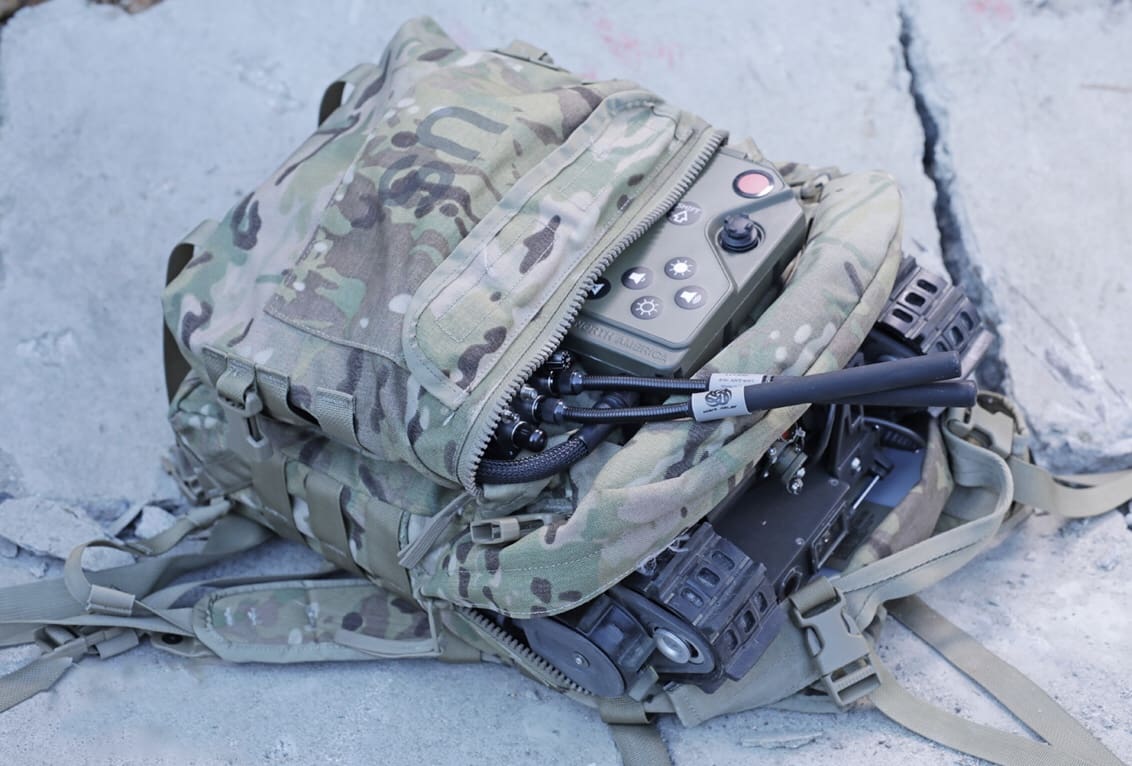
NEW YORK, New York. – June 12, 2019 – Persistent Systems, LLC (“Persistent”) announced today that it will be supplying its Wave Relay® mobile ad hoc networking technology to the QinetiQ North America (“QNA”) team chosen for the U.S. Army’s Common Robotic System-Individual (CRS(I)) program of record.

CRS(I) is a backpackable robot, less than 25 pounds, that dismount users can carry with sensor suites for viewing and detecting threats, providing greater situational awareness in the field.

In March, QNA won the Indefinite Delivery Indefinite Quantity (IDIQ) contract, valued at up to $164 million. And the company has already begun placing Low Rate Initial Production orders for Persistent’s Wave Relay®-enabling Embedded Module, which will be fitted into each new ground robot.

“We’re excited to, once again, deliver the Wave Relay® MANET to the U.S. Army and help lead the drive towards networking the battlefield,” said Leslie Hulser, Director of Programs for Persistent. “We are also very proud of our partnership with QinetiQ and congratulate them on this award.”

QNA was one of the first members of the Wave Relay® Ecosystem, an industry alliance of unmanned system and sensor companies putting their platforms on a common Wave Relay network—with the ultimate goal of giving the warfighter easy access to every unmanned vehicle, sensor and camera.

The Persistent Systems Embedded Module form-factor is QNA’s MANET radio of choice for CRS(I), providing secure, long-range data communication for the small ground robots.

For information on the Wave Relay® Ecosystem, visit www.persistentsystems.com/ecosystem

US Army Seeks New Cold Weather Glove System

Wednesday, June 12th, 2019

Earlier today, Product Manager for Soldier Clothing and Individual Equipment (PdM-SCIE), issued a pre-solicitation to Industry, announcing their intent to procure, on a full and open basis, a new modular and scalable hand wear protection system for extreme cold weather operating environments. Expect the actual Request for Proposal (RFP) for an Indefinite Delivery / Indefinite Quantity Contract to be released on or about 1 July 2019, with proposals due 30 days after RFP release. The proposal solicitation number is W911QY-19-R-0026.

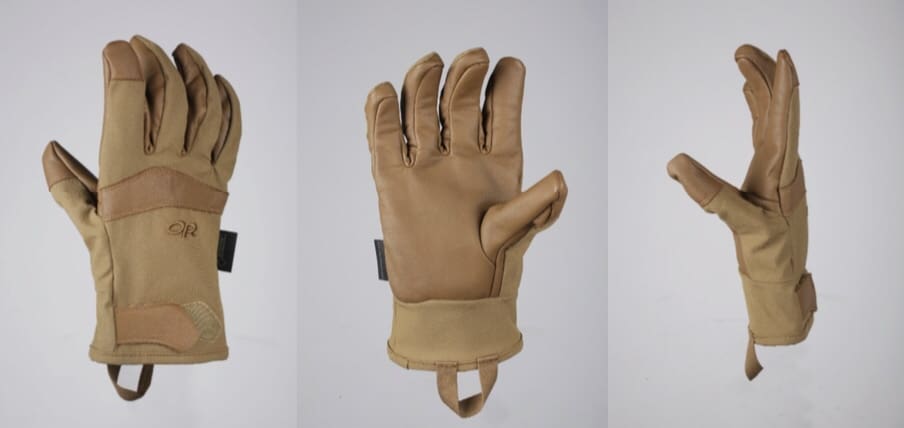
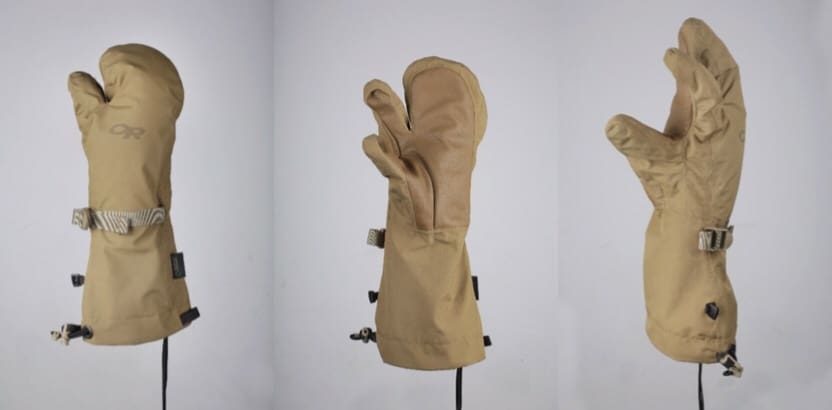
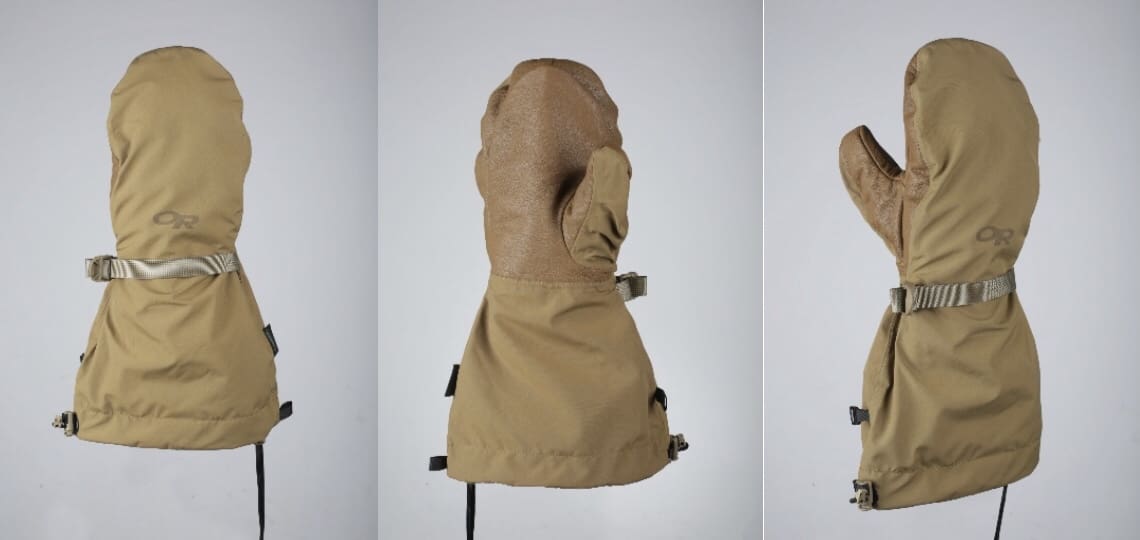
For the past few years, the US Army has issued an interim Army Glove System, manufactured by Outdoor Research and based on protective handwear used by Special Operations Forces. This new Cold Weather Glove System will replace it along with other legacy cold weather handwear.

The new CWGS must meet the following requirements:

1) Environmental Protection in the temperature ranges of 40oF to -40oF Threshold (T), 40oF to -60oF or below Objective (O).

2) The CWGS shall provide flame resistance and not melt or drip when exposed to heat or flame at the next to skin level (O).

3) Hand Dexterity to allow the Soldier to write clearly, easily adjust or use radios and other equipment (optics) with small knobs or levers in temperatures 40oF to 14oF (T), 40oF to -20oF (O). Gloves must not restrict the ability to place the trigger finger cleanly inside the trigger guard at 40oF to -20oF (T), 40oF to -60oF or below (O) of individual issued or crew served weapon systems.

4) Capacitive Touch that is compatible with capacitive touchscreens or resistive screens in temperatures 40oF to 14oF (T), 40oF to -40oF (O).

5) Made of materials that contain no health hazards or Toxic Industrial Chemicals/Toxic Industrial Materials (TICs/TIMs) Threshold=Objective (T=O).

6) Don & Doff of any component of the CWGS in less than 8 seconds.

7) A camouflage pattern or solid color “over-white” capability to potentially replace the current Army over-white mitten shells (NSN 8415-01-481-3434).

8) Back of the hand comfort fabric that is a flexible pile-like fabric, which remains soft in cold conditions and shall not generate electrical static charge when rubbed. The comfort fabric will not freeze with ice and readily shed frost when shaken, and will not ignite, melt or drip in proximity to open flame. The comfort fabric shall contribute to the insulation of the cold weather glove system to protect against cold conditions and be dimensionally stable to laundering.

9) System durability for a minimum of 270 (T), 365 (O) days of operational use, in the systems intended environments/conditions without weakening of inner and outer components or separation of any parts of the CWGS.

10) Suspension & adjustability feature at the wrist that is capable of being adjusted using the free hand wearing the other glove and the capability to secure the hand wear within close proximity to the hands after removal (T=O).

11) Constructed of quick-drying materials to allow for drying time within 4 hours (T), 1 hour (O) under standard lab conditions in a heated environment.

12) Provide a slip-free grip palm and fingers, while affording sensitivity during delicate tasks in the temperature range 40oF to 14oF (T), secure grip for tools and weapons during extreme weather conditions in the temperature range 14oF to -20oF (O).

13) Compatible with all equipment and items issued to the Soldier as individual equipment or PPE (T=O).

14) Accommodate unisex hand sizes XX-Small, X-Small, Small, Medium, Large, X-Large and XX-Large.

15) Resistance to water, wind, petroleum, oils, lubricants, and detergents at a level equal to existing cold weather gloves.

16) Moisture Vapor Transmission Rate (MVTR) rate of greater than 7.0 grams/hour (T), greater than 10.0 grams/hour (O).

Based on drafts of these requirements, industry has developed quite a few new handwear concepts. Regardless of what the Army procured, we will all benefit from the development that has gone into this effort through new product offerings.

Cubic Awarded Contract to Develop Small Form Factor Radio for US Air Force

Tuesday, June 11th, 2019

Cubic Mission Solutions to deliver and demonstrate low-risk solution for Data Link Enterprise small form factor radio capability 

SAN DIEGO – June 10, 2019 – Cubic Corporation (NYSE: CUB) today announced its Cubic Mission Solutions (CMS) business division was awarded a delivery order from the U.S. Air Force (USAF) for the development and demonstration of a Small Form Factor (SFF) Radio prototype for the Data Link Enterprise (DLE). The system is composed of one ground and one air component for improved communications capability, providing ground-to-air and air-to-ground real-time communications.

Cubic’s state-of-the-art solution is a lightweight, airborne and ground radio system delivering SFF capability in the most compact tactical radio prototype. In addition to a number of standard waveforms, Cubic’s system will demonstrate an internally developed, protected waveform known as “Boomslang.”

“We are very pleased to have been competitively selected by the USAF to develop and demonstrate our cutting-edge small form factor radio solution for the DLE,” said Mike Twyman, president, Cubic Mission Solutions. “Our system design is based on proven and mature technologies which we have implemented for a number of successful Department of Defense programs. We look forward to leveraging our expertise to provide the lowest risk and most capable solution for the DLE.”

Cubic’s SFF technical approach focuses on an architecture maximizing functionality and performance while minimizing the system’s size, weight, power and cost (SWaP-C) for both the ground and airborne systems. Cubic’s offering is modular, scalable and affordable with plug and play, open standard interfaces meeting Modular Open Systems Approach (MOSA) requirements.

“With decades of experience in developing systems for airborne and ground platforms, we are able to deliver a cost-effective solution, leveraging enhanced off-the-shelf technologies to build a prototype that will be ready for fielding in future follow on efforts,” said James Parys, program director, Cubic Mission Solutions.

SOFWERX – SOAR Helmet System Capability Assessment Event

Monday, June 10th, 2019

SOFWERX is holding a SOAR Helmet System
Capability Assessment Event
, 13-14 August 2019. The goal is to identify a new, lightweight, low profile Rotary Wing aircrew helmet for use by the 160th Special Operations Aviation Regiment which solves the capability gaps below.

2D1AA2C7-5B5F-4BF0-9406-A34CE350EF6C

Helmet system capability gaps include, but are not limited to:
• The proposed helmet system must meet the performance requirements of Section 3.7 of the Purchase Description Aircrew Integrated Helmet System, HGU-56/P (AIHS) dated 1 November 1996, with the updated modifications identified in the Improved Rotary Wing Helmet Technology Readiness Test (TRT) Protocol dated 29 March 2019.
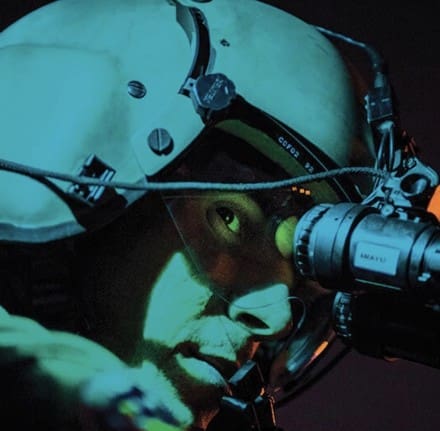
• The helmet system must provide significantly improved head mobility and field of view compared to the existing HGU-56/P. The helmet system must allow the AH/MH-6 Little Bird pilot the ability to visually see the pilot-side skids without having to position his upper body outside of the cockpit.
• In the opinion of the operator, the helmet system must remain comfortable and stable for a minimum of 8 hours of continuous use. This includes when being used in conjunction with a Night Vision Device (NVD), oxygen delivery system, and CBRN mask.
• The helmet system must integrate and still meet the performance requirements when used with the following items
o Aircraft Internal Communications System (ICS) of the AH/MH-6 Little Bird, MH- 60M Blackhawk, and MH-47G Chinook; Objective of a digital headset that is compatible with the digital output of the ICS, and does not require an inner-ear solution (e.g. ear bud)
o AN/PRC-148 Multiband Inter/Intra Team Radio (MBITR), AN/PRC-152A Multiband Handheld Radio (MBHHR), and AN/PRC-163 Multi-Channel Handheld Radio (MCHHR)
oAquaLung Portable Helmet Oxygen Delivery System (PHODS) with nasal cannula and full mask option
o M45 Aircrew CBRN mask,Joint Service Aircrew Mask–Rotary Wing (JSAMRW) MPU-5
o Aviator’s Night Vision Imaging System – 6 (ANVIS-6) with up to 640 grams of total weight
o FirstSpear Aviation Body Armor Vest
o Elbit Common Helmet Mounted Display(CHMD)
• The helmet system should have the option of an easily attachable/detachable
maxillofacial system that provides environmental and impact protection.
• The system must be designed with snag-free cabling for all items requiring cables.
Cabling and connectors shall be durable and designed for repeated use and flexing.
• The helmet system must be maintainable at the unit level with readily available
replacement parts.

Successful demonstrations may be considered for follow on production awards to replace ~1300 helmets.

Interested parties have until to submit. Visit www.sofwerx.org/helmet for full details.

USMC Canvases Industry For Integrated Helmet System

Friday, June 7th, 2019

This week, the Marine Corps Systems Command issued a Request for Information to Industry, seeking a Berry Amendment compliant Integrated Helmet System.

Just last year, the Marines evaluated mid and high cut helmets during Urban Advanced Naval Technology Exercise 2018 (Urban ANTX-18) at Camp Pendleton, California and purchased a small number of Enhanced Combat Helmets in these shapes for further testing.

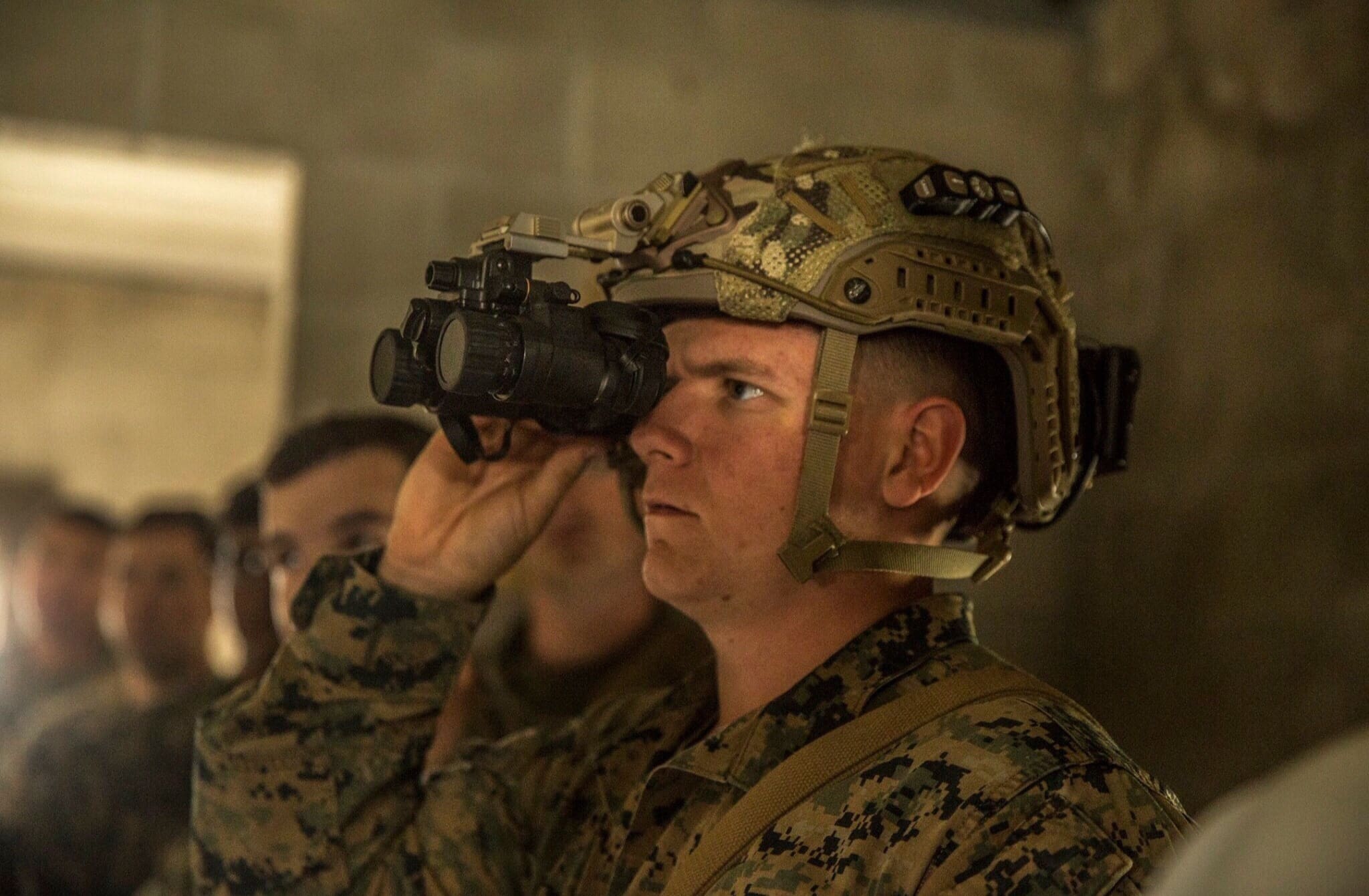
The Marine Corps envisions IHS as a lightweight helmet system (includes shell, suspension, retention system, and other mounting devices) that will provide an integrated head protection platform for infantry and infantry-like Marines. The IHS will be employed by male and female Marines under various environmental conditions for long durations in conjunction with other gear and equipment. With the increased number of battery powered optics and other attachments to the helmet, the amount of exposed/unsecure wires and battery packs are increasing. The Marine Corps is looking for an optimized configuration to allow power and/or data to flow to the attachments while minimizing bulk.

In addition to a universal, modular mounting system for all components that allows for compatibility with legacy and future capabilities, IHS must be compatible with the following:
– Communications/hearing protection
– Night Vision Devices including external battery components
– Power cable management or power transfer
– Eye protection
– CBRN Equipment (mask and cover)
– Standard Marine Corps clothing
– Oxygen mask
– Rail system to mount ancillary devices
– Body armor
– USMC Pack

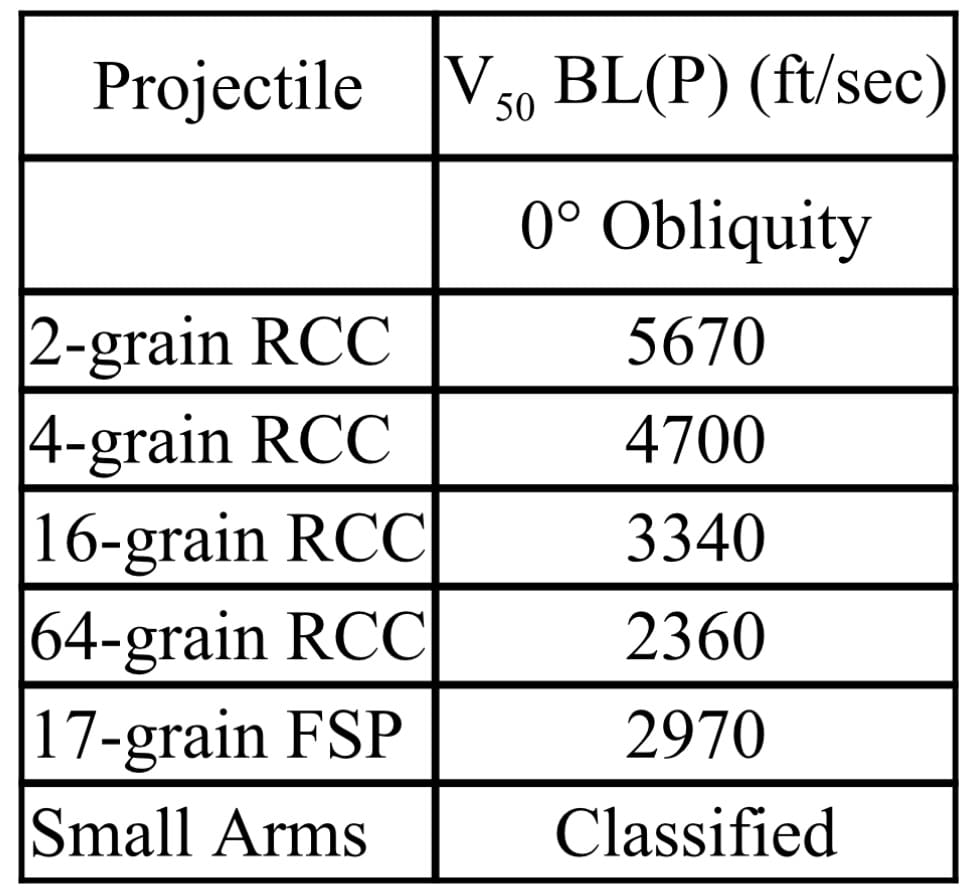
Here are the desired ballistic capabilities of IHS:

Minimum V50 BL(P)s

Additionally, the finished helmet, including any hardware exposed on the outside of the shell (if hardware is used for any attachments), shall be resistant to penetration from a 9 mm FMJ RN bullet at 1400 (+50, –0)ft/sec at 0° obliquity.

IHS must also protect from bump or blunt impacts. At a minimum, no individual acceleration shall exceed 150 G (gravitational constant) at 10ft/s. Greater impact protection (i.e., fewer G) is desired.

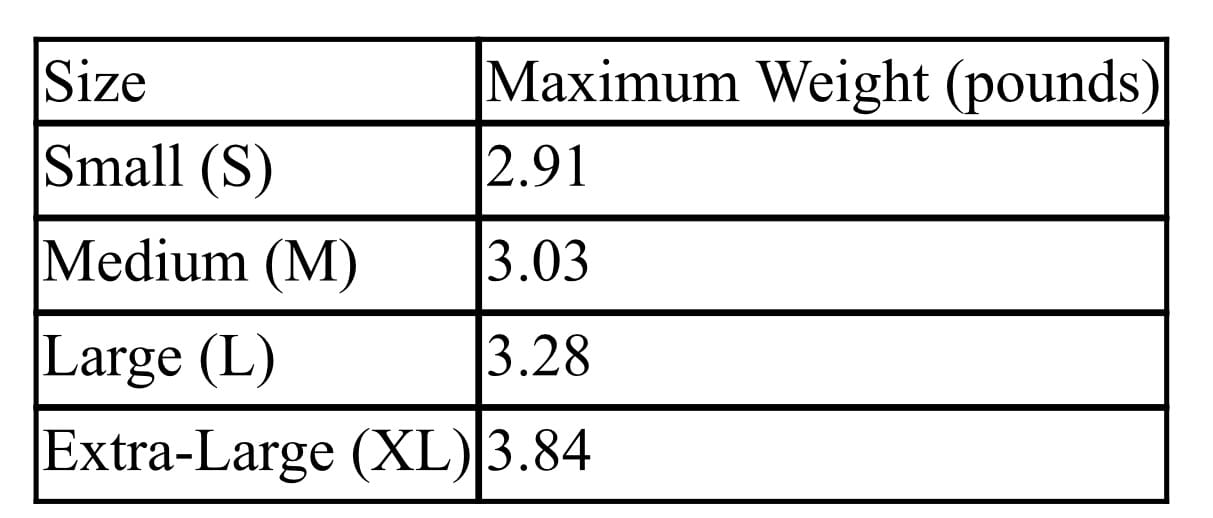
Below are the maximum weights by size.

Once again, the Marines plan to use Mid Tear Acquisition to conduct an “Other Transaction Agreement (OTA)” a process which is being used more and more to quickly test and field mature technologies and equipment. In the event a contract is awarded, the minimum order will be 24,000 IHS, delivered within one year of First Article approval.

Those interested have until 5 July, 2019, at 11:59 Eastern to submit.