Atrius Development Group

Archive for the ‘Guest Post’ Category

Air Force Basic Military Training Replaces Four-Day Field Exercise With 36-Hour Event

Thursday, December 1st, 2022

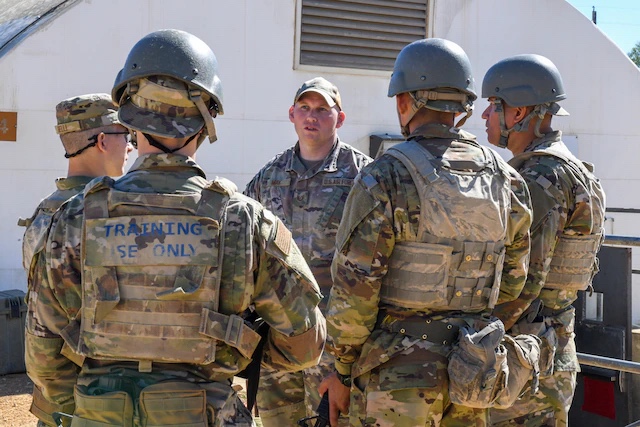
The Air Force recently replaced the four-day BEAST field exercise during Basic Military Training with a 36-hour experience. The old event was woefully inadequate to actually prepare a new Airman for a deployment, but it was designed around a FOB-centric deployment model.

The new reality the Air Force finds itself in is an environment of constant threats and movement, little rest, and high stress. So what does the Air Force do in light of this threat? They dumb down preparation for it. Not only that, but they’re proud of it.

Air Force leaders at all levels should be required to read the accounts of the opening days if the Korean War, the fate of ill-prepared Airmen in particular, and see the images of what happened to our troops when they were overwhelmed by North Koreans. Add in a bit of history on the attacks on sapper attacks on airfields in South East Asia.

Here’s the Air Force’s story about their new toy.

Forging the next generation: BMT leads the way

JOINT BASE SAN ANTONIO-LACKLAND, Texas (AFNS) —

Following a 16-year run, Basic Expeditionary Airman Skills Training, or BEAST, has come to an end.

With an eye toward the future fight, Air Force basic military training is implementing a revised training exercise – PACER FORGE – where Agile Combat Employment and the concept of multi-capable Airmen are the beating heart.

Primary Agile Combat Employment Range, Forward Operations Readiness Generation Exercise, or PACER FORGE, is a fast-paced, two-day scenario-based deployment that mirrors the Air Force’s force generation process and reinforces concepts introduced at BMT.

“The move toward PACER FORGE is not just a renaming or re-branding of BEAST,” said Col. Jeff Pixley, 737th Training Group commander. “This was a year-long effort to reimagine BEAST.”

BMT has had dedicated training days to instill the warrior mindset, initially called “Warrior Week,” since 1999. In 2004, that training was expanded and in 2006, the four-day BEAST exercise stood up and had largely remained unchanged, until now.

Pixley assumed command of BMT in 2021, and assessed that BEAST was more centered around just-in-time pre-deployment training which led to the re-engineering and birth of PACER FORGE.

“The creation of the PACER FORGE program is an opportunity for students to prepare for their roles as multi-capable Airmen and for instructors to hone their leadership skills to mentor the new generation,” he said.

PACER FORGE is executed in the sixth week of BMT. During a 36-hour window, military training instructors and trainees, will deploy to the former BEAST site where they will be organized into smaller dispersed teams. Here, they will be put to the test with scenarios that are built to provide flexibility, promote information seeking, teamwork, decision making and are results focused.

Pixley said the PACER FORGE curriculum is designed to enhance force packaging with teams tailored for mission generation, command and control, and base operating support functions to help meet the vision of the 2030 Enlisted Force Airman. It is also a change in that cadre are now in a mentorship and facilitation role, versus giving direction and instruction.
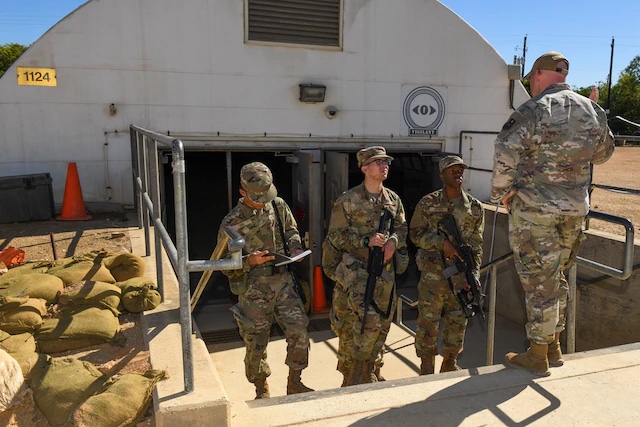
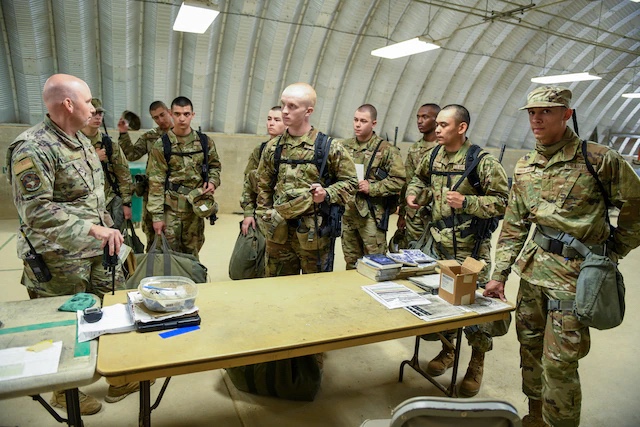
“The most important thing we do at BMT is plant the seeds of personal discipline, wingmanship, teamwork, and embrace our core values,” Pixley said. “This culminating event for BMT does just that while focused on the future fight. We are providing basic trainees with their first opportunity to put their teamwork, discipline, and problem-solving skills to the test in a scenario-based deployment that is physically demanding and based on real-world operations.”

Pixley added that trainees can put into practice the basic war fighting skills learned in earlier weeks of training. Skills such as tactical combat casualty care and weapons handling.

“Agile Combat Employment is about building foundational skills and problem-solving behaviors in an increasingly challenged threat environment to codify repeatable and understandable processes,” said Lt. Col. Jeff Parrish, 319th Training Squadron commander, whose squadron is responsible for the oversight of PACER FORGE.

He added that instructors also love that the new curriculum affords them the freedom of creativity to adjust and adapt in real-time based on trainee actions, skill level, and capability.

“What we are doing is making them [trainees] ready to join any team, to work well together, to solve tough problems, to be good wingmen and teammates, and to innovate,” Pixley said. “If we get it right, it will be the highlight of their BMT experience, despite only being 36-hours in length. Early feedback suggests we are absolutely on the right track.”

PACER FORGE is operational, but officials are purposely keeping the scenarios close to the vest, “We want it to be something trainees consider so important and formative that they don’t spoil it for those that follow,” Pixley stated. “This is not the end of an era but rather a symbolic change to develop capable and ready Airmen and Guardians … anytime, anywhere.”

Story by Joe Gangemi, 37th Training Wing Public Affairs

Photos by Thomas Coney
War Hero Recounts Lives Saved in Afghanistan

Wednesday, November 30th, 2022

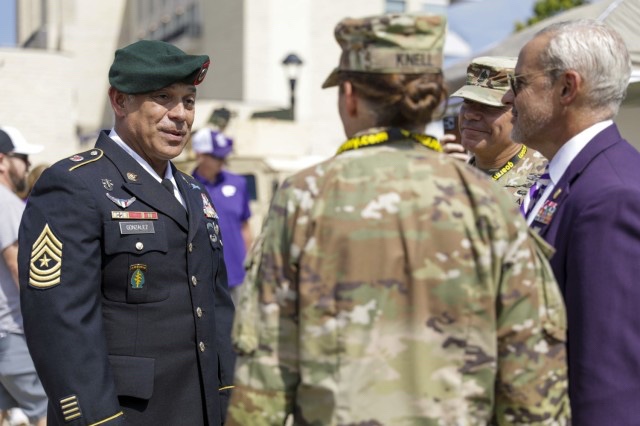
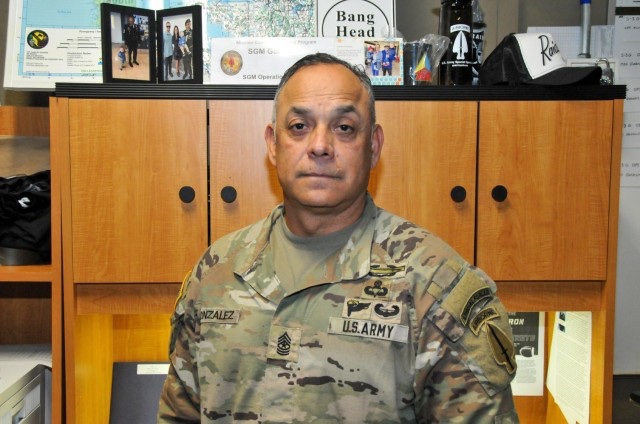
FORT LEAVENWORTH, Kan. — Sitting inside one of the many buildings around Fort Leavenworth that belong to the Mission Command Training Program, is Sgt. Maj. Antonio Gonzalez. He an ardent believer in the Army values and by all definition, a war hero. His actions in Afghanistan in 2007 would result in the Silver Star, the third-highest award for valor in the U.S. Army.

Gonzalez grew up in Boyel Heights in East Los Angeles, an area known for drug and gang wars and also high unemployment.

“Despite what was happening where I grew up, I met some outstanding friends at Bishop Mora Salesian High School,” said Gonzalez. “I graduated in 1987 and to this day, I still keep in touch with them. That’s the loyalty we have within that bond.”

Sports were also an escape for him.

“I grew up loving the Raiders, Dodgers, Magic Johnson and the [Showtime-era] Lakers, Kirk Gibson hitting that home run in the World Series, all of that,” he said.

His passion and skill in sports eventually led him to a football scholarship at Kansas State University playing for Bill Snyder, who won more than 200 games in his college football coaching career.

After his playing days ended and he earned his college degree in 1994, Gonzalez walked into an Army recruiter’s office in 1996, following through on his desire since childhood to serve in the military.

“The recruiter was a little surprised when I walked in,” said Gonzalez. “I was like ‘you don’t have to give me a whole speech, you don’t have to sell me on anything, I want to be an infantryman, where do I sign?’ I wanted to serve my country. I wanted to be out there in the woods, shooting guns and all that good stuff that comes with being an infantryman in the Army.”

Gonzalez said he came into the recruiter’s office so abruptly they asked if he was running from the police.

“I had grown up in a community where a lot of folks joined the military and it was something I had always wanted to do, I just wanted to get my education first,” said Gonzalez.

In 1996, Gonzalez arrived at Fort Campbell, Kentucky, his first duty station. Six years later he went to try out for Special Forces, eventually joined the 7th Special Forces Group out of Fort Bragg, North Carolina. Now a member of the Green Berets, Gonzalez trained, advised and assisted numerous times in South and Central America.

Like many in the combat arms and special forces community, there were multiple deployments to Afghanistan during two decades of war. The events of June 11, 2007, remain clear in Gonzalez’s head like it just happened.

At the time, Gonzalez was part of the Special Forces Operational Detachment Alpha 732. He and the others were ambushed by Taliban fighters following a routine patrol in the Uruzgan Province. Throughout the fight, he exposed himself to Taliban snipers and machine gunners three times, eventually saving the lives of four Afghan security forces that had been trapped. Gonzalez almost died in the process.

“A sniper bullet just whispered right by my head,” he said. “I could have kissed it, that’s how close it was. But if I had to do it again, I would. That’s just the type of person I am. Loyalty is one of the Army values. You have that in sports as well, the whole team concept. You don’t want to be the reason why the other team scored a touchdown and you lost the game. In war or combat, you don’t want to be the reason why your teammates are shot or killed.”

The Special Forces motto is “De Oppreso Liber” which translates from Latin as “to free the oppressed.”

“That’s truly what I felt we were doing over there,” said Gonzalez. “They were being oppressed by the Taliban and all these enemy folks and you just know innocent people are being killed when they were just trying to live their lives. In the states, you see kids running around and you see the kids in Afghanistan, they can’t even be kids because they’re being oppressed. It makes you appreciate it more when you come back to the states, so you hug your kids a little tighter and a little longer and you tell them you love them.”


Gonzalez had another brush with death in 2013 when he received news that his son, serving in the Army himself as a combat medic specialist, has been injured in combat and almost died in Afghanistan.

“I literally could not move when I received that call, “said Gonzalez. “I was paralyzed and scared for my son but thank God he eventually recovered.”

As he approaches 30 years in uniform, there is another event in his career that continues to shape him to this day. One he must hold back tears when talking about.

“There was a guy, Travis, who was on my team, just a good person and his parents are beautiful human beings, and Travis was killed in Afghanistan by an improvised explosive device on a deployment before the one I received the Silver Star for,” he said. “When I made the rank of master sergeant and then I was a team sergeant, I told myself that if you’re on my team, no one is going to die on my watch. When we came back from Afghanistan, the wives thanked me for bringing their husbands home.”

Gonzalez added that Travis Hunsberger was an “18E,” a Special Forces Communications Sergeant on ODA 732, and he is the real hero.

“He sacrificed it all,” said Gonzalez. “Some gave some, but he gave all. He is the hero along with all of our fallen heroes. I’m no hero compared to them.”

Gonzalez’s two-decade-plus military career has gone full circle as he finished out his undergraduate degree serving an internship at the United States Penitentiary, Leavenworth. These days, Gonzalez is the operations sergeant major for Mission Command Training Program. He oversees administrative requirements for Soldiers in the unit, not a combat role but still making sure Soldiers and their families are taken care of.

“I met a lot of great people in this business and if I was to change any of it, I would never have met those great people because the good people that I have met outweigh the bad.”

He credits his parents and his wife Alyson for supporting him through the highs and lows.

“I have to thank my parents for sacrificing everything for us and raising us with love and discipline,” said Gonzalez. “They encouraged us to always strive to do better and give it 100% every time. Always respect others and especially your elders. I’m the oldest of four boys and we all are doing well because of our parents.”

“My wife Alyson has been my bedrock and support pillar. She is a school counselor at Edgerton Elementary and I guess she tends to give me some counseling from time to time. We both graduated from Kansas State and love being alumni and continuing to support the school.”

Gonzalez was honored before a September 2022 football game at the university. He was awarded the Medal of Military Excellence and a President Emeritus Myers coin. The university’s president, Dr. Richard Linton, presented the awards to Gonzalez to recognize his Army career.

“I’ve been most proud of what Tony has done since leaving Kansas State University and getting invested in the service, and it just goes along with his nature and wanting to do what is right and provide guidance for his fellow teammates and his country,” said coach Snyder in an interview before the game.

By Russell Toof, Fort Leavenworth

Crye Precision HALFJAK 2.0 Now Available in MultiCam Alpine

Tuesday, November 29th, 2022

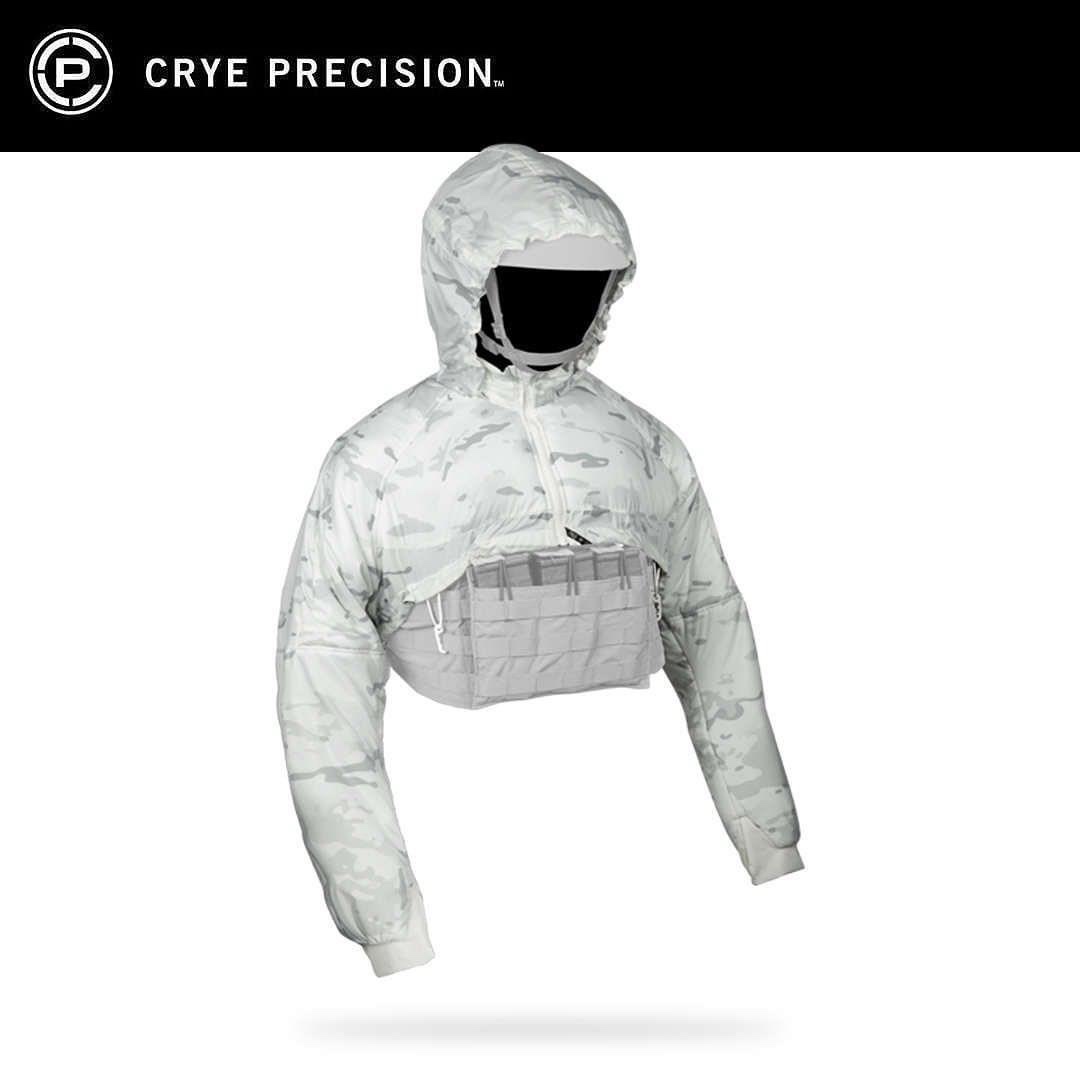
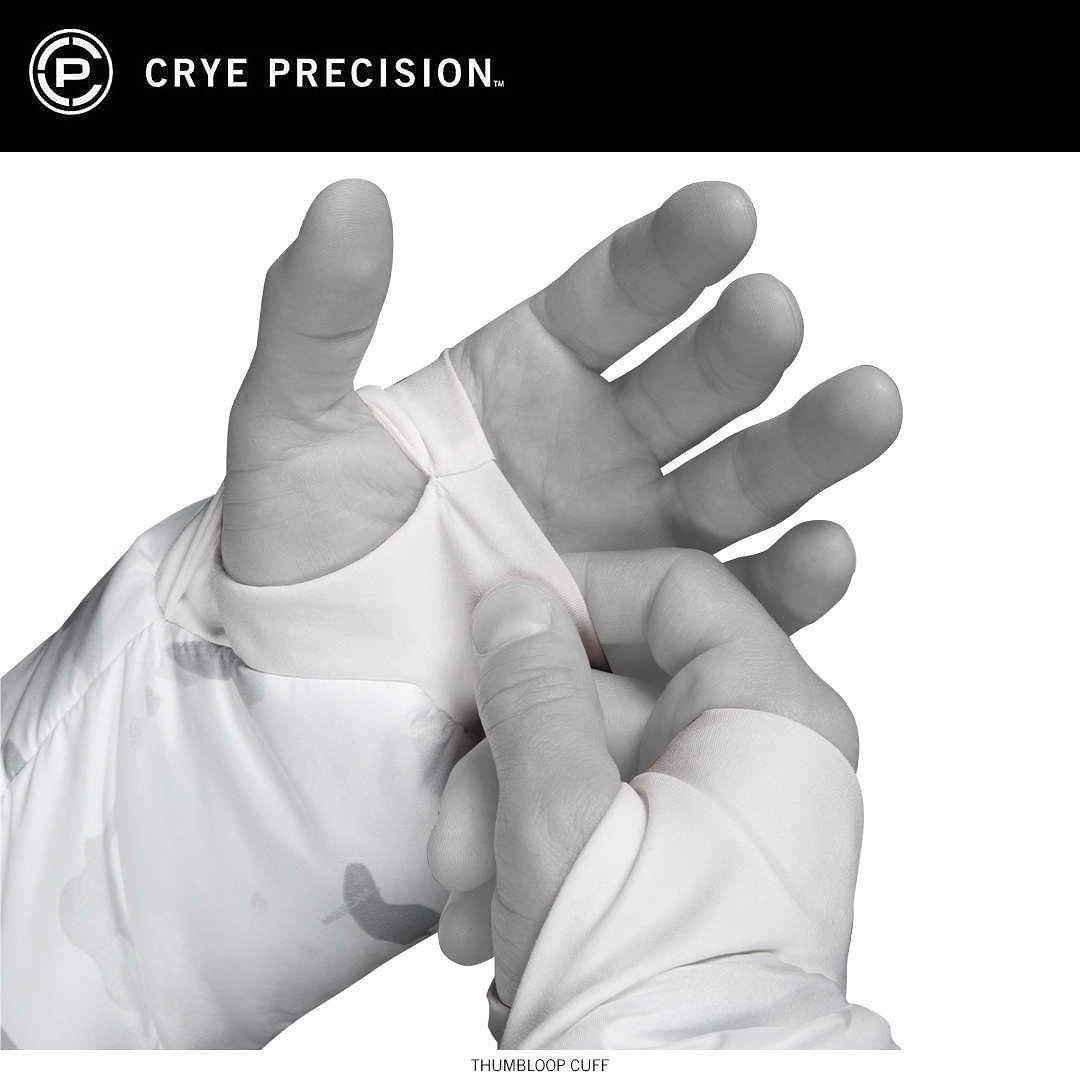
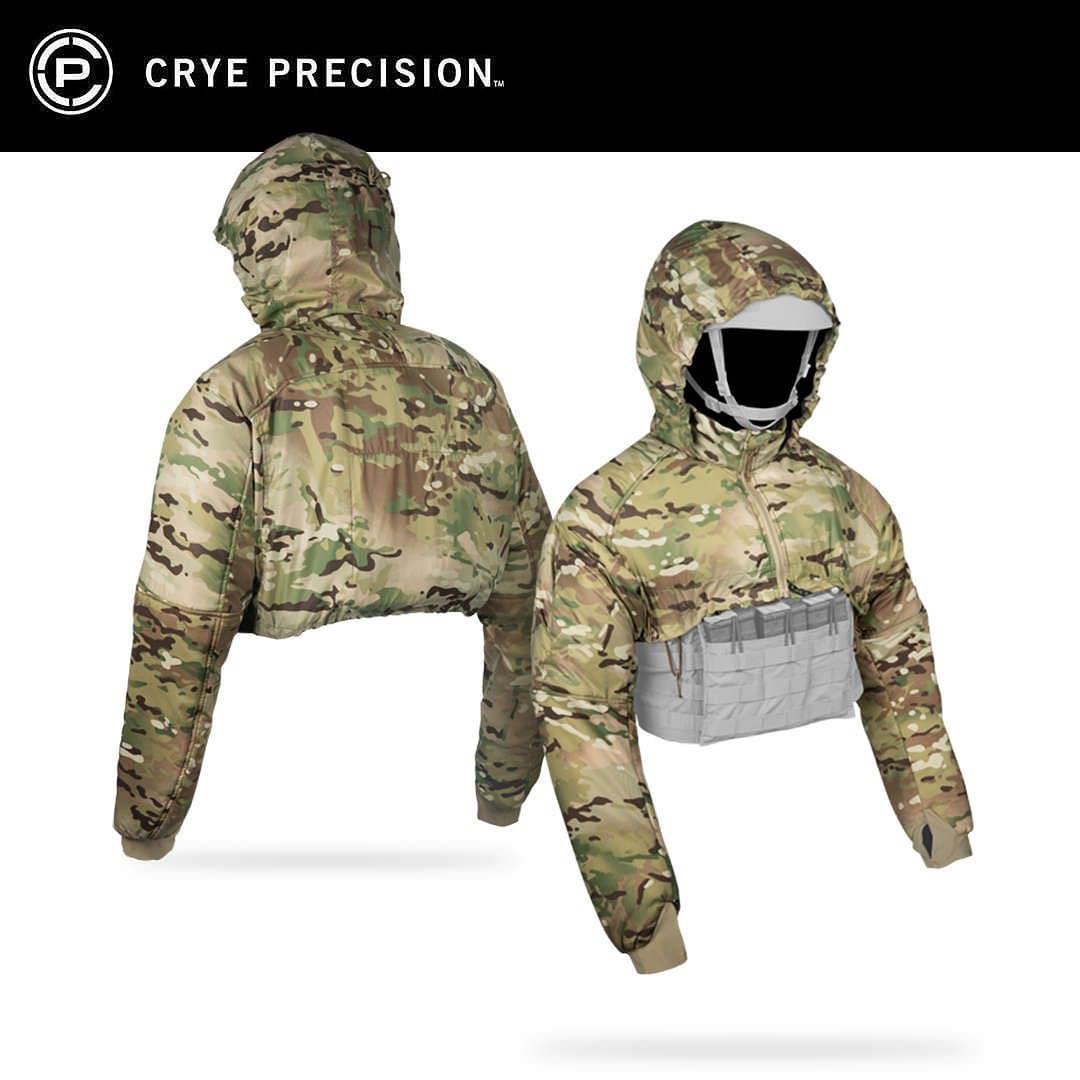
The new HALFJAK 2.0 combines your favorite features from its predecessor and some upgrades, to deliver a tried and true design concept that helps you stay warm and dry while granting access to critical gear on the plate carrier.

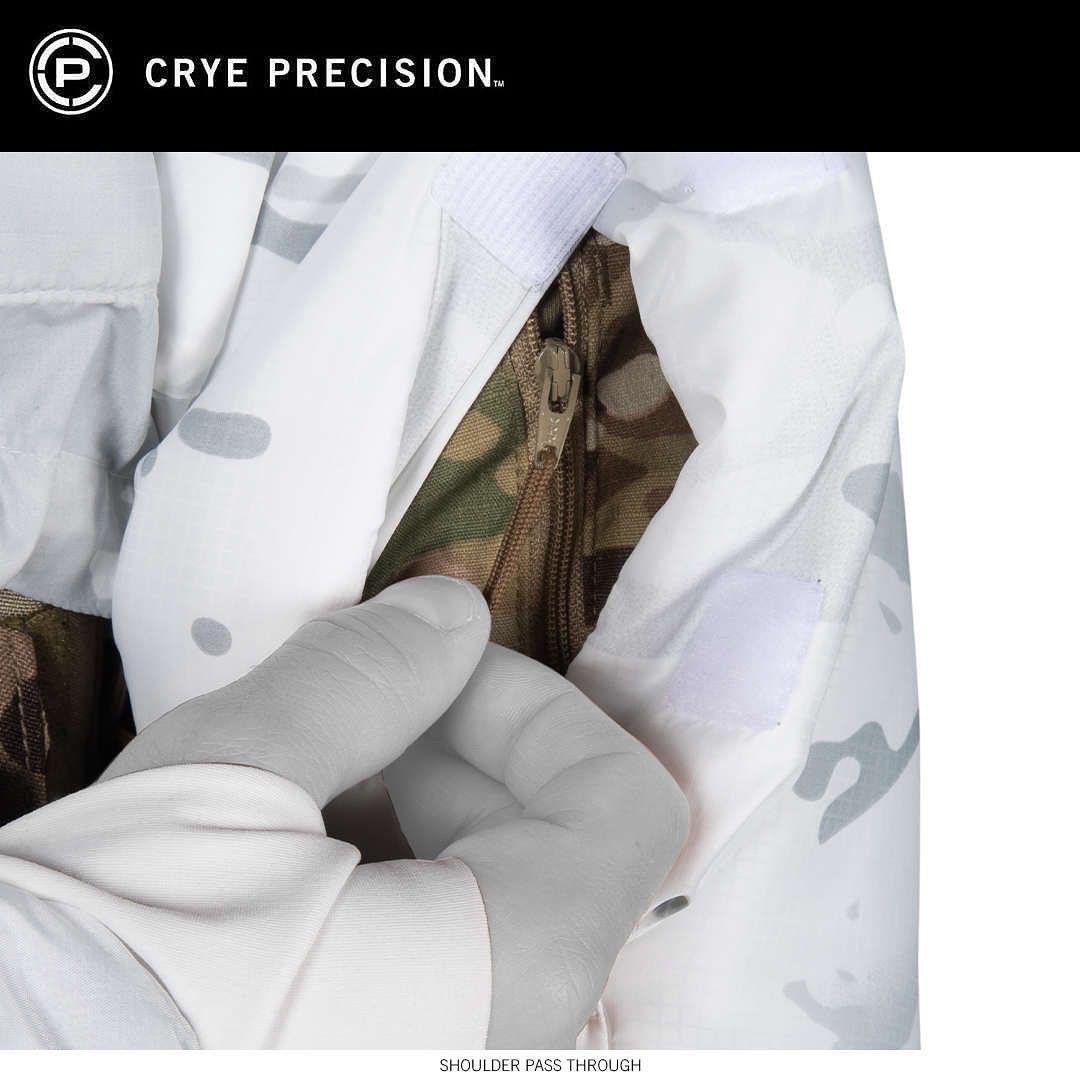
Enhancements include jump-tested shoulder pass through pockets that give access to underlayers and thumb loop cuffs that keep sleeves in place and fit over and under gloves.

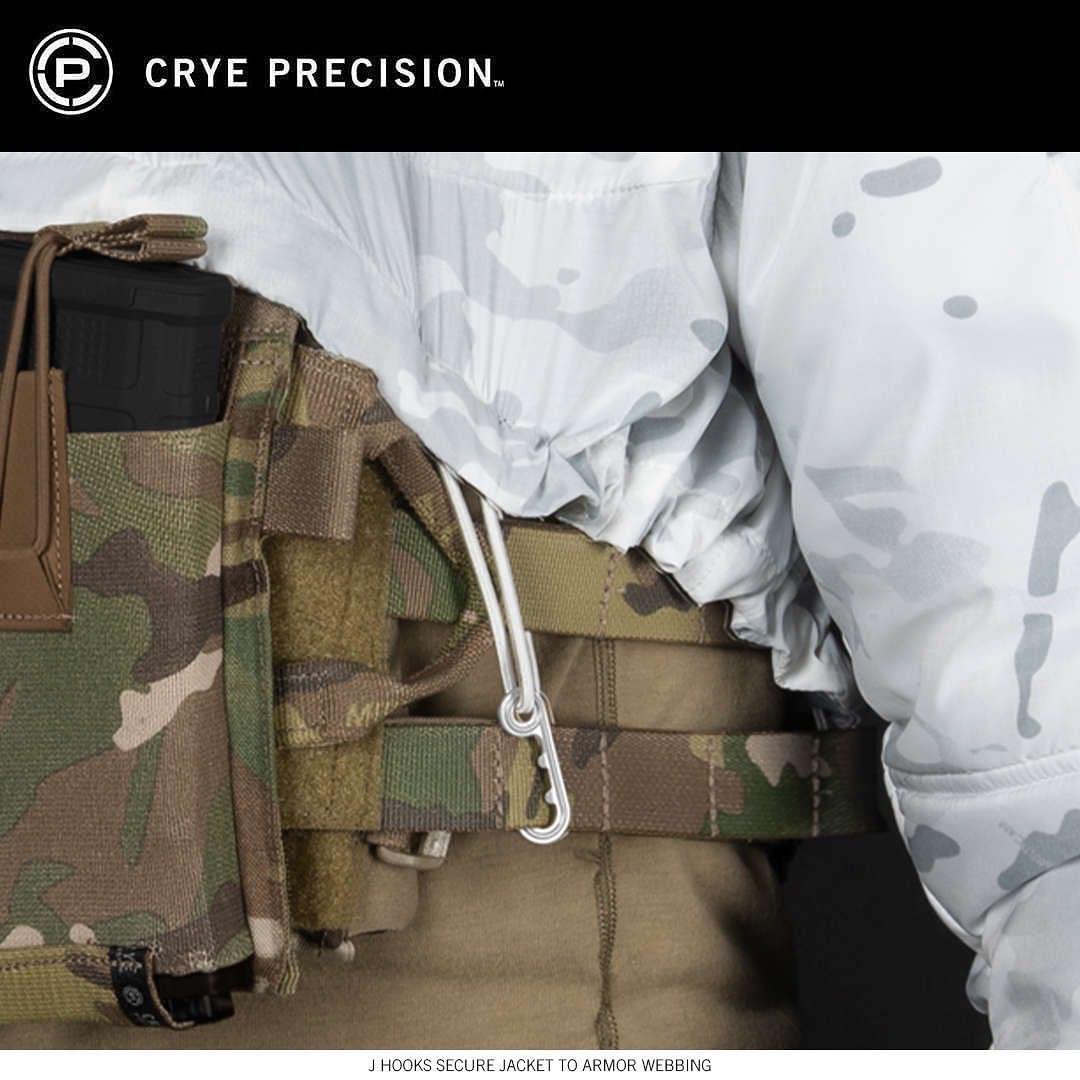
A new J Hook offers secure attachment to plate carriers and chest rigs.

The HALFJAK 2.0 is available in MultiCam, MultiCam Alpine, Black, and Ranger Green.

www.cryeprecision.com

Fall 2022 Special Operations Center for Medical Integration and Development

Tuesday, November 29th, 2022

BIRMINGHAM, Ala. —  

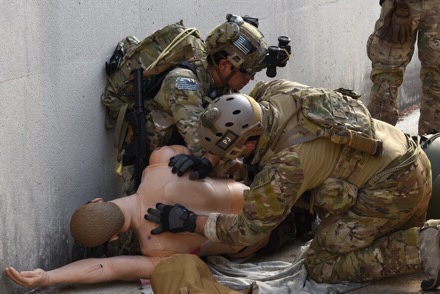
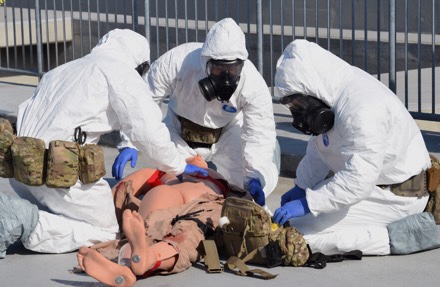
U.S. Air Force Pararescuemen executed the Fall 2022 Special Operations Center for Medical Integration and Development culminating field training exercise in Birmingham, Alabama, Nov. 17, 2022. 

Training provided the pararescuemen various controlled scenarios to enhance medical readiness, whether in day-to-day operations or in austere, resource-limited locations.

The culminating FTX was the capstone to a two-week-long certification course where students applied skills learned in civilian hospital care to tactical scenarios.

SOCMID is embedded with the University of Alabama at Birmingham Hospital. Their vision is to establish the premier trauma skills, sustainment and recertification platform for pararescuemen and Special Operations Independent Duty Medical Technicians. 

The partnership with UAB Hospital is beneficial to students as it is a level one trauma center, allowing them to conduct clinical rotations in operating and emergency rooms. 

“The civilian-military partnerships are important to our sustainment program,” said U.S. Air Force Col. Clayton Rabens, 24th Special Operations Wing command surgeon. “Some of these skills are perishable, so having partnerships like we do with UAB allows us to replicate scenarios and solve problems hands-on, then apply them to tactical scenarios for students to practice.” 

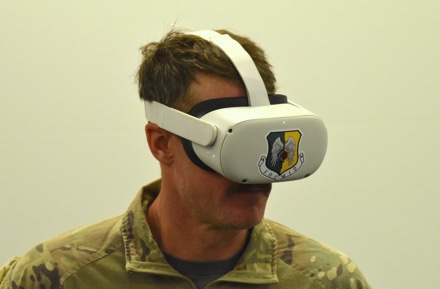
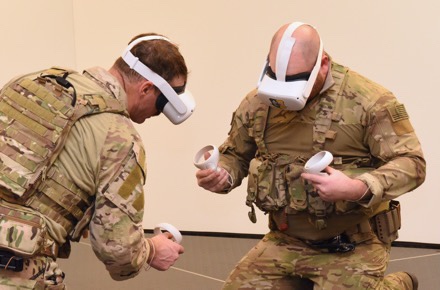
Some of the other training was completed with virtual reality headsets. Specific VR training helps students refine cognitive skills in approaching medical problem sets.

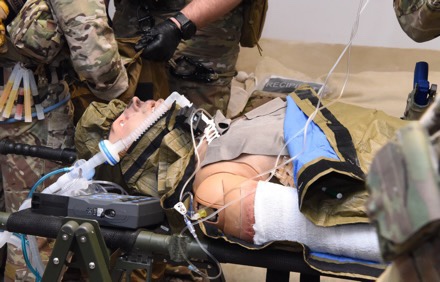
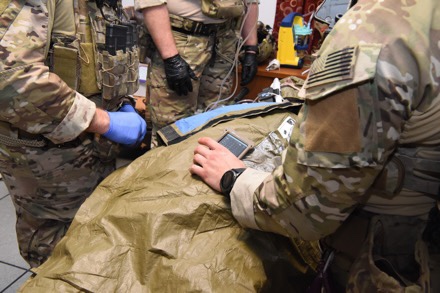
Additionally, prolonged casualty care scenarios allowed pararescue teams to work through casualty care with new skillsets learned while attending SOCMID real-time with wounded mannequins. 

“We want to ensure they’re prepared to meet real-world missions,” added Rabens. “The high stress environment they encounter during the FTX ensures we are able to meet that goal.” 

By 1st Lt Victor Reyes, 24 SOW Public Affairs

SCUBAPRO Sunday – The Seawing Supernova

Sunday, November 27th, 2022

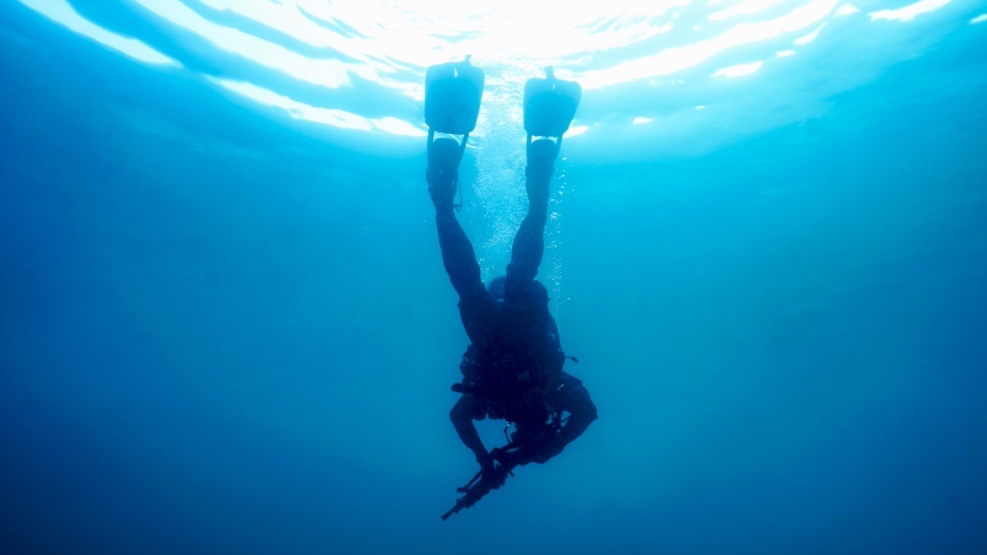
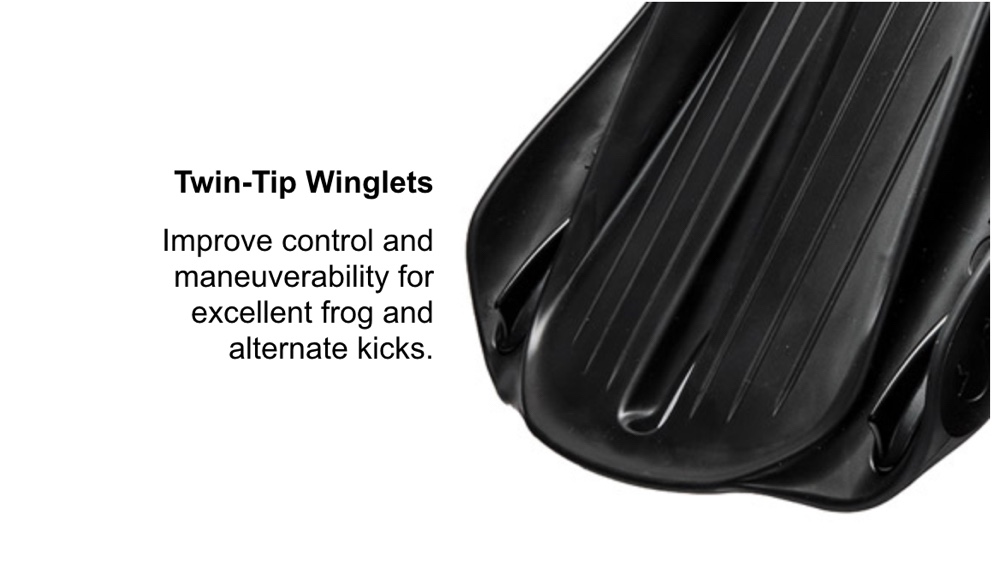
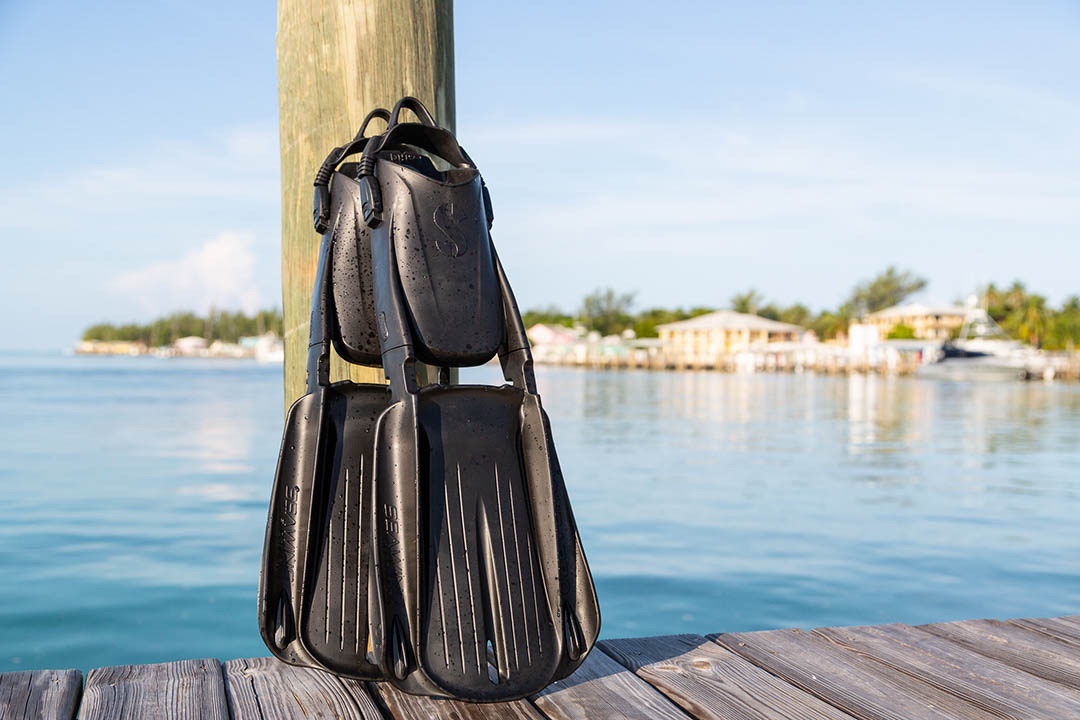
The Seawing Supernova are like the MultiCam of fins. If you understand camo, you know that MultiCam is a camouflage pattern developed for usage in a variety of settings. It is said it can be used in 70% of the world. When it comes to frog and alternate kicks, the new twin-tip winglets increase control and markedly improve maneuverability. I started using the Supernovas a couple of months ago and noticed a difference immediately. I felt like I had a lot more maneuverability than with conventional fins. It also feels like what you expect a great dive fin to feel, but without the weight and, honestly, a lot more flexibility on the kicks, Frog, Reverse, Scissor or Flutter.

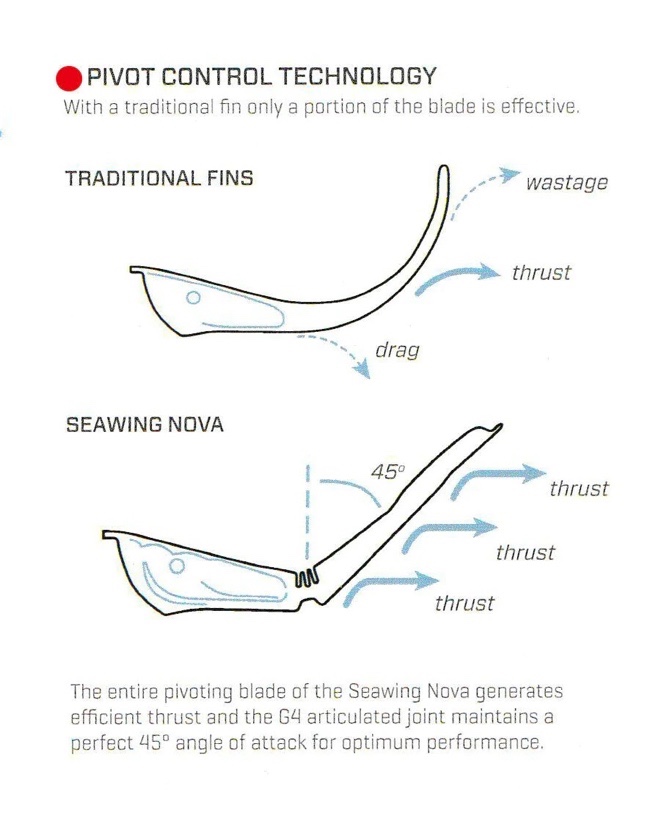
A diving fin needs power, and the Seawing Supernova has it. The fins are designed with Pivot Control Technology. The blade is pre-set in the 40º to 50º range, which is the appropriate angle of attack for the blade and ideal for translating kicks into forward propulsion.

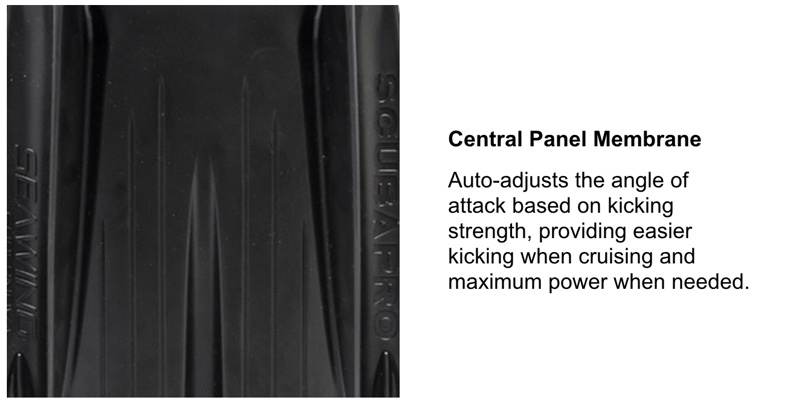
The blade’s revolutionary flexible Auto-Adjust center panel coordinates with this hinge mechanism to adjust the angle of attack by counter-pivoting in response to the force of the kick. So, what does that all mean? On a traditional paddle fin, the harder you kick, the more the blade bends. That means a soft fin will achieve the ideal 45-degree angle when kicked gently but will over-bend and lose thrust when kicked hard. On the other hand, stiffer fins achieve that ideal 45-degree angle when kicked hard but remain too flat to be efficient when kicked gently.

Consequently, both types require the diver to compromise their kicking style to get any efficiency out of the fin.

When you are fining, you can kick so hard that it will bend the blade so far back that it can “technical” pull you backward; this offers a softer angle of attack for comfort while lightly kicking, a more aggressive angle of attack when powerfully kicking, and anything in between. New twin-tip winglets improve control and maneuverability when doing frog and alternating kicks.

The Seawing Supernova, winner of the prestigious Red Dot Award for product design, is a remarkable improvement over the Seawing Nova in terms of performance, construction, fit, and versatility. It also features a cutting-edge blade shape that generates significantly more power, speed, and maneuverability.

The Seawing Supernova also has a novel two-piece design, with the blade and foot pocket molded separately, is made of quality Monprene® for maximum durability, and breaks down effortlessly for transport. This will also allow you two change your blades as SCUBAPRO designed more. The Seawing Supernova’s open heel foot pocket has an updated heavy-duty bungee strap that enables micro-adjustments to accommodate various boot types and extended grip pads that improve non-skid traction on wet surfaces. It is sold as an open heel set with a foot pocket and blade already built.

Additionally, the two-piece construction enables the option of a full foot pocket in place of the usual open heel foot pocket for barefoot diving. You may quickly get ready to hit the water by disassembling the fin’s Socket-Lock Connecting System, replacing the open heel foot pocket with a complete foot pocket, and then reassembling. The entire foot pocket also has a re-profiled heel-retention cup to reduce slippage and chafing and is made of superior Monprene®

“Force Plate Vertical Jump Scans are Not a Valid Proxy for Physical Fitness in US Special Warfare Trainees”

Sunday, November 27th, 2022

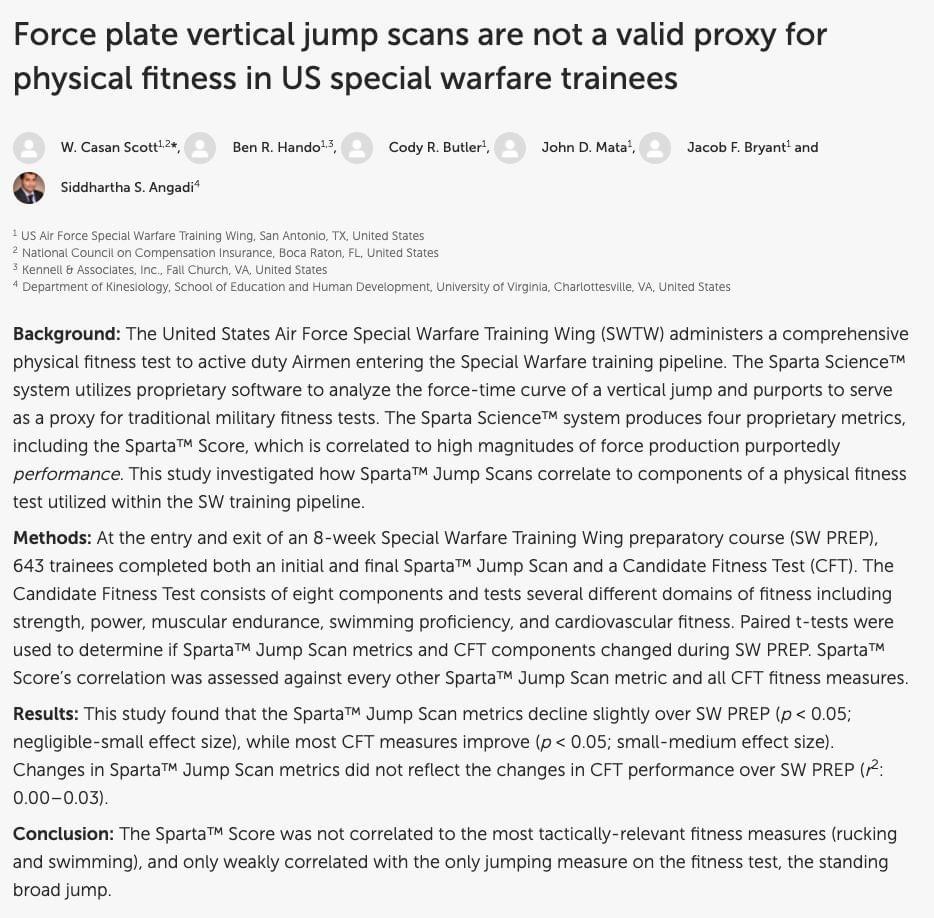
Members of the Air Force Special Warfare Human Performance Support Group’s Research Flight recently published an article in a peer-reviewed journal, “Force plate vertical jump scans are not a valid proxy for physical fitness in US special warfare trainees.”

The Research Flight is the only embedded research team in the DoD, tasked with supporting the Special Warfare Training Wing with data driven decisions to identify trends, maximize the effectiveness and reduce injuries within the pipeline.

Read the full article here.

Unit Profile – US Army Indian Scouts

Saturday, November 26th, 2022

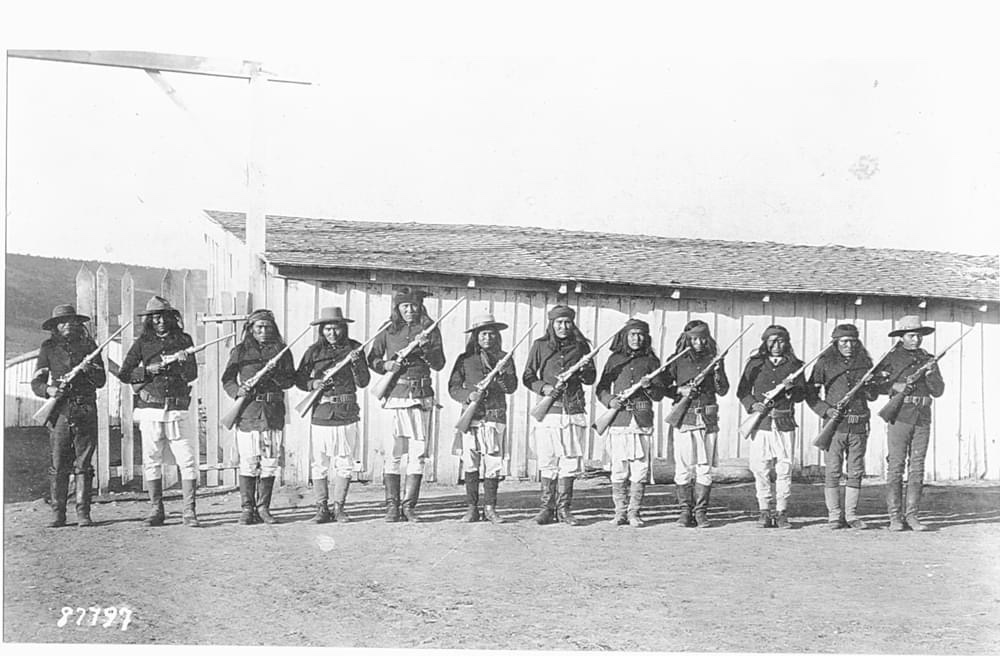
During the nation’s westward expansion after the Civil War, the U.S. Army fought a series of Indian Wars against the Native American Nations with whom white settlers had come into conflict.

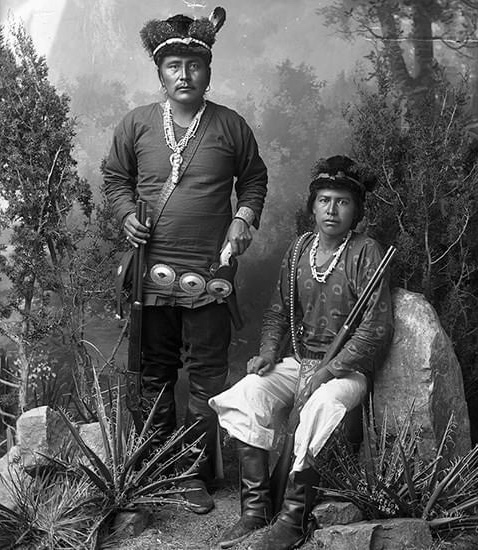
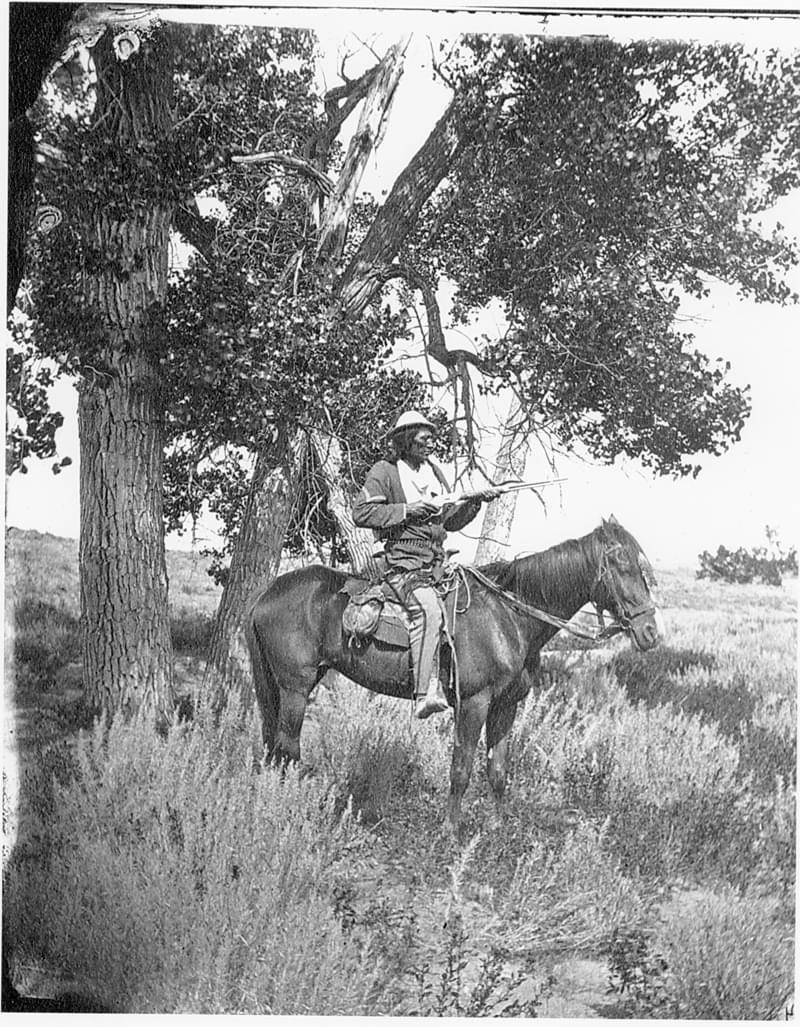
Instrumental to Army success in the post-bellum Indian Wars were the Indian Scouts, an enlisted cadre of Native American scouts often drawn from Nations with longstanding antagonisms toward the Nations at war with the United States.

First formed in 1866, the Indian Scouts were a force of up to 1,000 men (although this slowly declined as the years passed) whose members were be compensated the same as a white cavalryman.

The Indian Scouts supplied desperately needed knowledge of the terrain and enemy belligerents to an Army short on expertise and struggling to accomplish its mission. Indian Scouts were essential to Army’s efforts across the greater frontier and played crucial roles in iconic conflicts like the Great Sioux War and the Apache Wars.

The settlement of the frontier by the close of the 19th century spelled the end for the Indian Scouts and their unique place in Army history; the service slowly declined until coming to a practical end by the beginning of World War One.

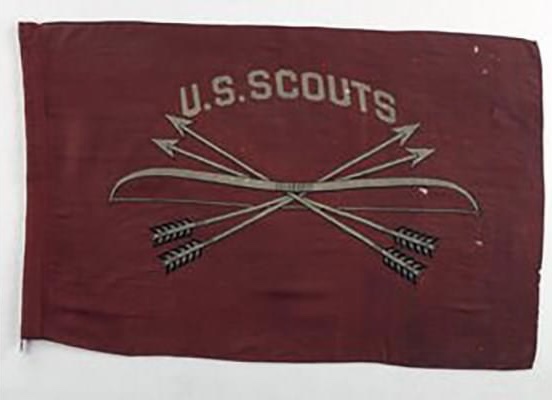
During their time in Army service, Indian Scouts earned 16 Medals of Honor; a small part of their legacy has been carried into the present day by U.S. Army Special Forces, whose crossed arrows insignia was originally designated for use by the Indian Scouts in 1890.

US Army Center of Military History

FirstSpear Friday Focus: NSNS Carrier Systems

Friday, November 25th, 2022

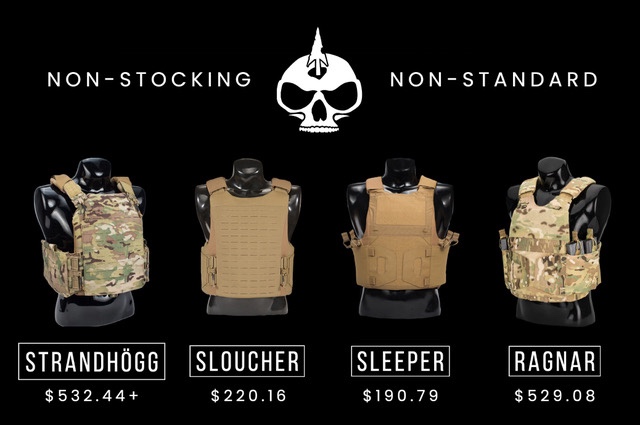
This week, we’re showcasing our best selling Non-Stocking Non-Standard (NSNS) carrier systems.

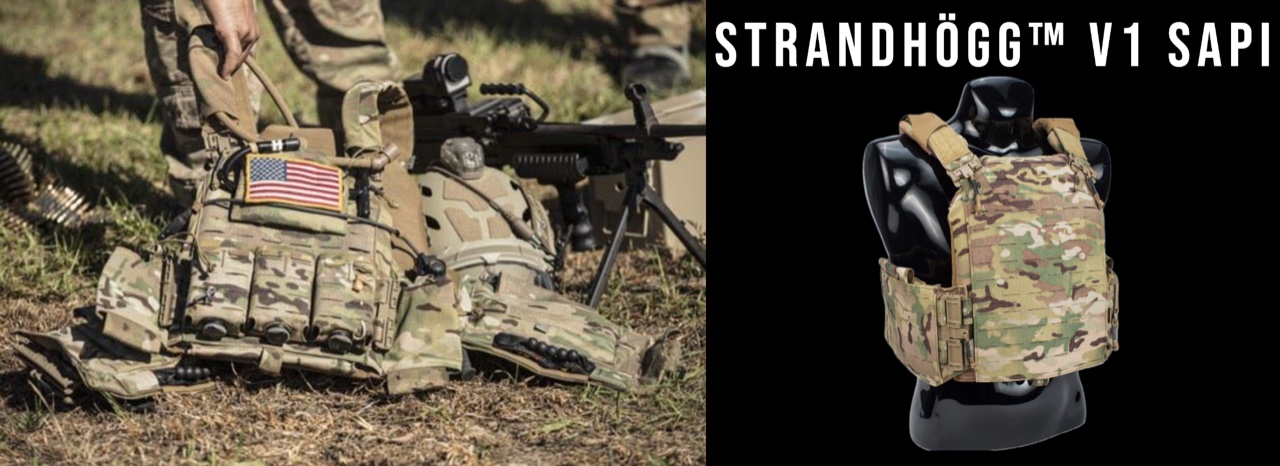
Taking its name from an old Norse Viking term for a lightning raid, Strandhögg was one of the first formalized battle tactics to use covert infiltrators in advance of an actual raiding operation. Strandhögg was a tactical game changer in its time, just like the technological advances FirstSpear brings forward in this line of plate carriers.

Cut edge-to-edge to specifically fit SAPI / ESAPI / SPEAR plate sizes, the Strandhögg can be worn with or without soft armor panels, depending on ballistic requirements, threat conditions and type of plates used. Maximizing lightweight 6/12 technology and rapid Tubes® Closure Systems, this carrier can be rapidly donned and doffed. The Strandhögg is a streamlined fit and is easily tailored for comfort and ventilation.

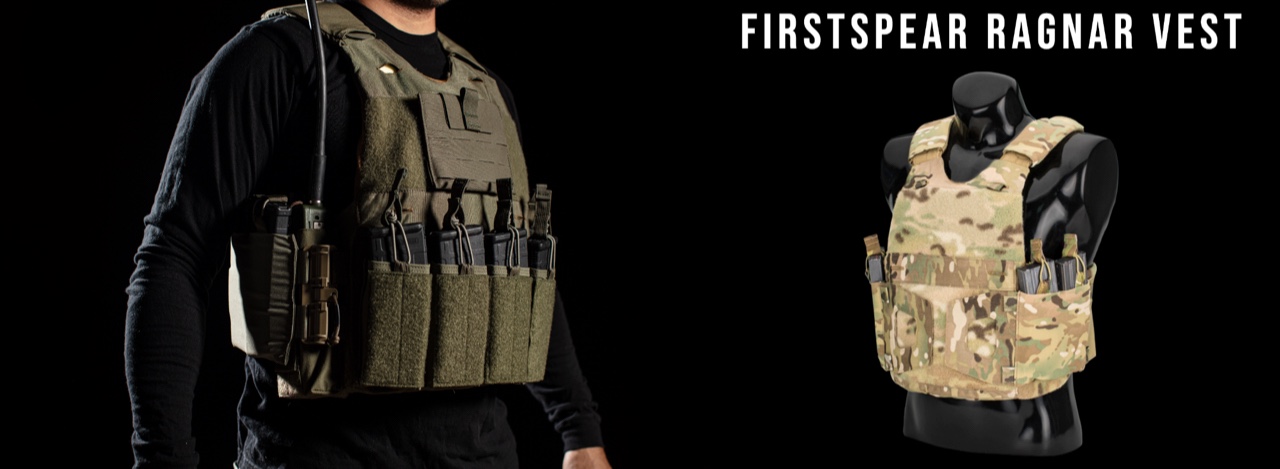
Named for the intrepid explorer and cunning warrior Ragnar Lodbrok, the Ragnar Vest and its accessories are suited for a wide variety of roles and circumstances. The Ragnar Vest is covered in loop fabric and can be altered with different cummerbunds. Four special built-in pockets with retention tabs allow for storage of accessories based on situational requirements. This is a multi-mission vest with the flexibility to cover a variety of profiles.

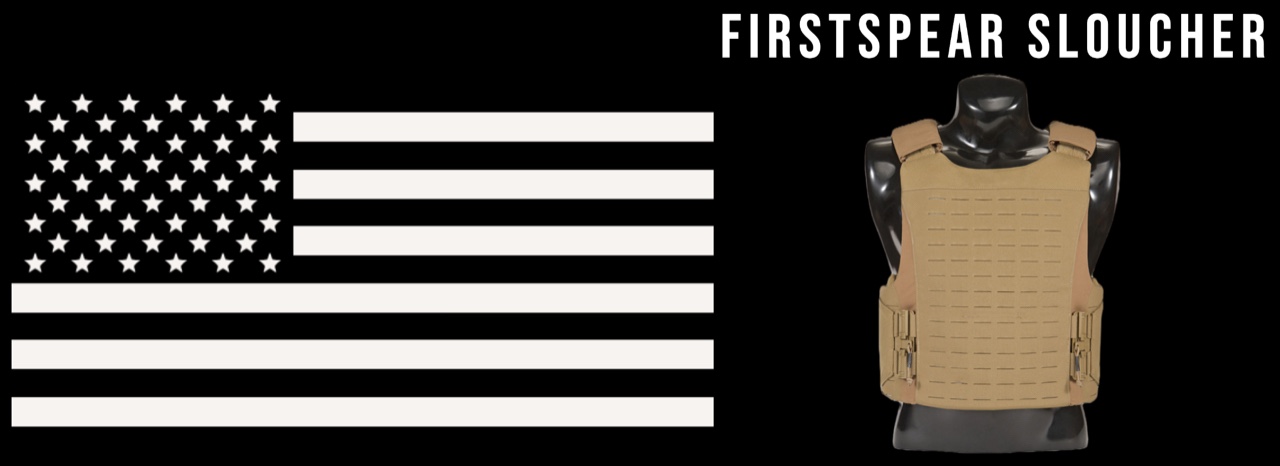
The Sloucher combines many of the most desirable features of both the Siege-R and the Sleeper. Stretch panels on the cummerbund and Tubes closures keep the fit tight and allow for quick donning and doffing. The 6/12 Pocket Attachment System provides a low profile. This carrier accepts front, back and side plates SPEAR / BALCS cut soft armor (not included), MASS accessories and pockets using 6/12, 6/9 and MOLLE / PALS. The sloucher provides state of the art capability to support a full spectrum of operations.

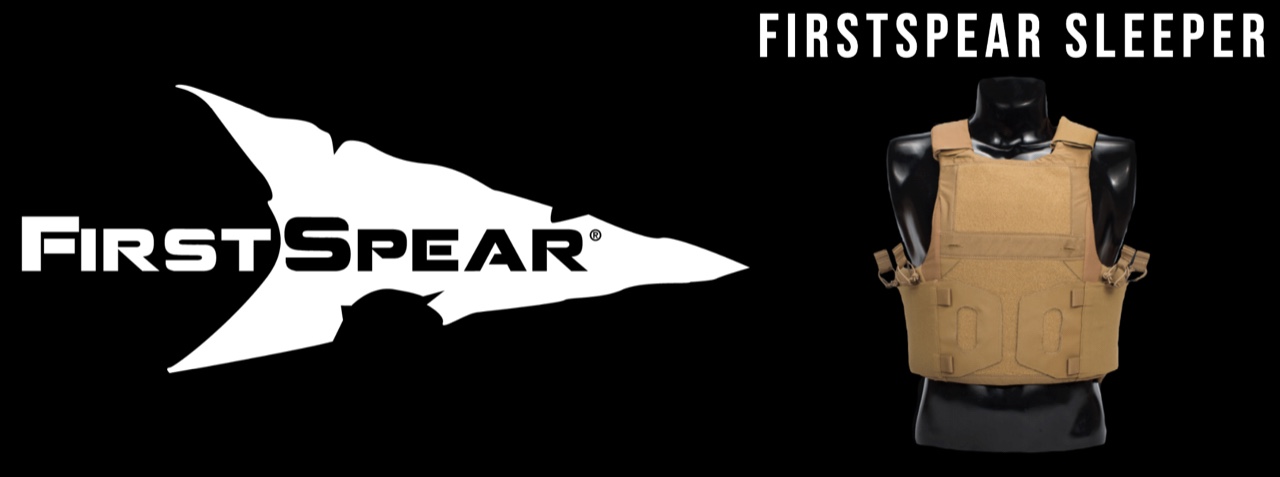
The Sleeper is a stay behind asset and a less visible alternative to more overt style tactical vests. This carrier is designed to be worn over or under garments, as a stand alone vest or in conjunction with other FirstSpear carrier systems. The Sleeper fits US SOCOM SPEAR / BALCS soft armor and SAPI / ESAPI / SPEAR plates, including swimmer cut.

Visit FirstSpear to find other NSNS deals and all of our gear and apparel.