Phantom Lights

Archive for the ‘Guest Post’ Category

Integrated Visual Augmentation System Update

Friday, June 19th, 2020

Here one of the latest photos of the US Army’s Integrated Visual Augmentation System, a which fuses image intensification and thermal imaging with Augmented Reality overlays. It’s built by Microsoft.
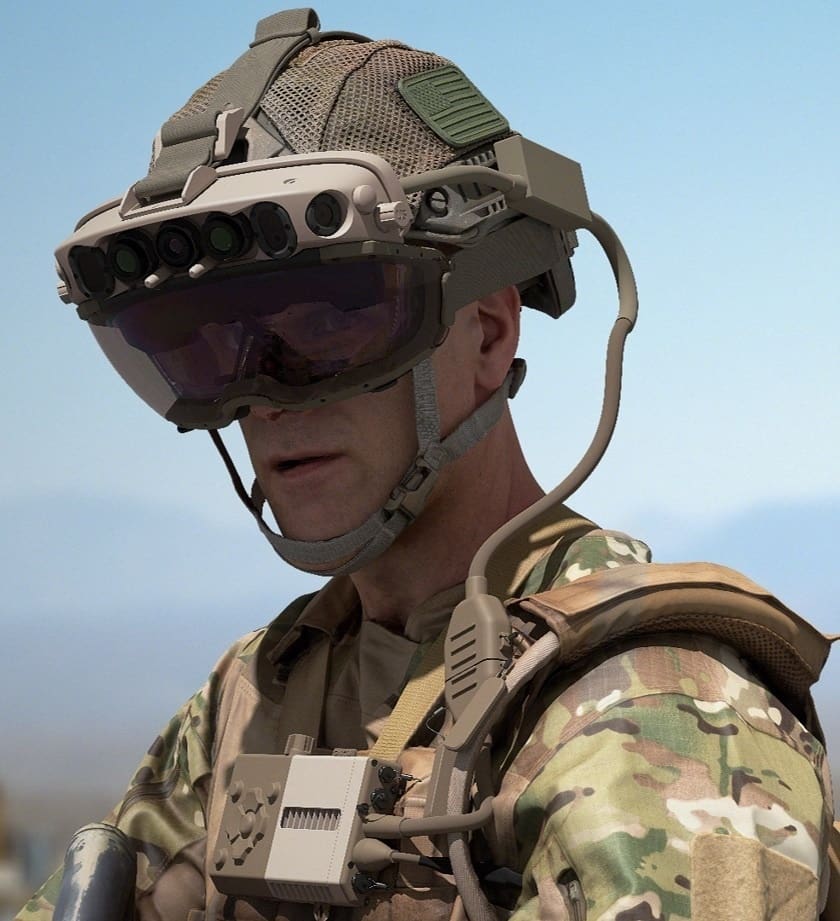
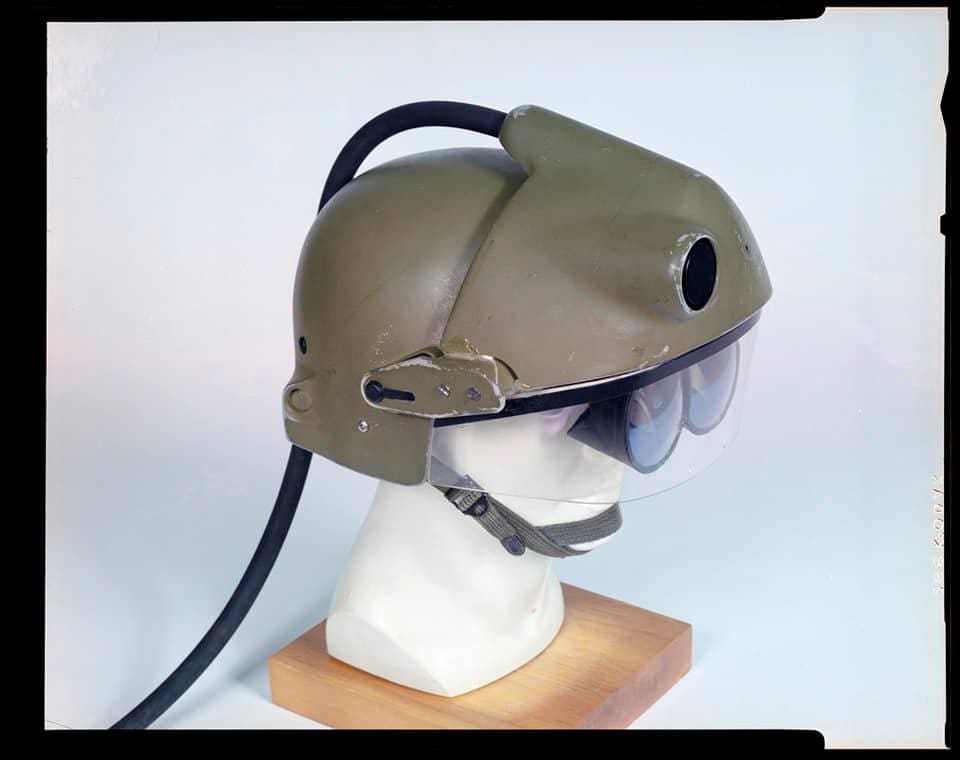
Interestingly, the form factor is pretty similar to the Soldier Integrated Protective Ensemble headborne subsystem from the early 90s.
Here’s an update from the Program Office.

Team IVAS Continues to Deliver Despite COVID Obstacles
“I can absolutely say that today we are on track to meet a fourth quarter ‘21 delivery for our first unit equipped.”
– COL. Chris Schneider, PM IVAS

FORT BELVOIR, Va.– Cutting-edge modernization efforts come with their own set of challenges, and COVID-19 has ensured that there are no exceptions.

Program Executive Office (PEO) Soldier’s Project Manager Integrated Visual Augmentation System (PM IVAS) continues to leverage the team’s unique structure, talents, and culture to contribute to the force’s readiness, even with the additional challenges presented by COVID-19.
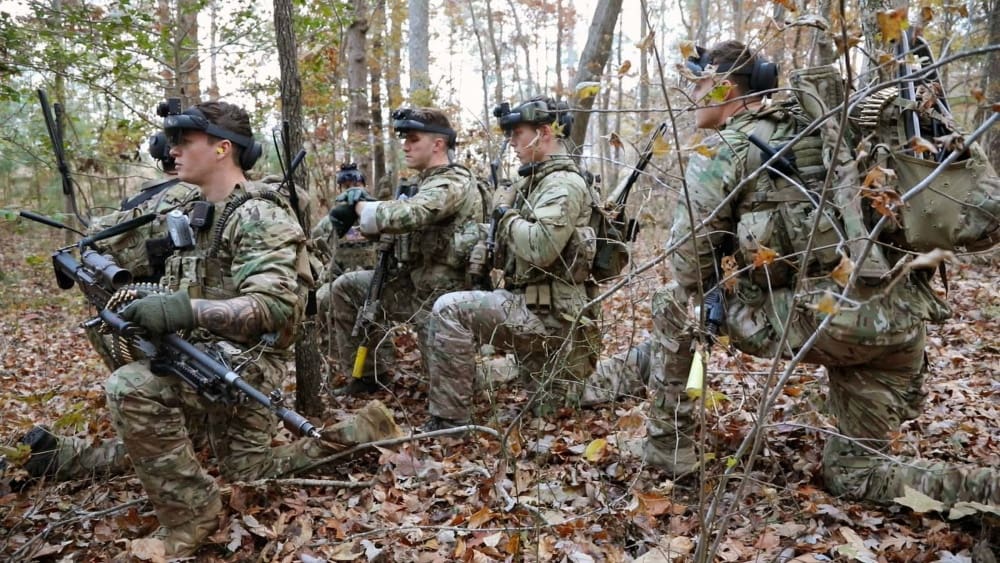
Mark Stephens, PM IVAS Director of Acquisition and Operations, and Jared Walega, PM IVAS Test Director, highlighted how problem solving, routine distributed work solutions, modular architecture design, Soldier Centered Design (SCD), and Supply Chain Risk Management (SCRM) have allowed the project flexibility during the COVID pandemic.

Stephens emphasized how Team IVAS has applied efficient problem-solving skills from the project’s inception.

“Senior defense officials recognized the erosion in close combat capabilities and saw an immediate need to ensure overmatch for our dismounted force,” said Stephens. “Congress recognized the requirement and reprogrammed funds to start IVAS in FY19. Within six months from the Secretary of Defense’s approval in late May, Team IVAS awarded multiple Other Transaction Agreements to industry and kicked off IVAS before Christmas 2018.”

Team IVAS has rapidly solved problems ever since. This includes the successful integration of partners from around the country. Because the team overcame this initial obstacle, remote work is now routine.

The distributed team has built and relied on a digital infrastructure to manage the mission from any physical location. Therefore, they are able to maintain the mission even with the obstacles COVID has presented.

“When COVID hit we had already established a solid Integrated Product Team [IPT] Battle Rhythm using long distance collaboration methods like SharePoint, TEAMs, and Power BI,” Stephens said. “Using TEAMs over the past 18 months allowed video teleconferencing, sharing document collaboration, and reviewing our program management dashboards, so all our leaders were battle tested”.

Secure remote tools have allowed for continued IVAS prototyping through Army Enabled Tests (AET) even while team members are quarantined at home.

“We also implemented a practice of what we call Army Enabled Testing that allows us to get updates from our partners, test the updates in a safe environment, and provide feedback. This methodology helps us manage our performance risks, and not have to wait until Soldier Touchpoint 3 [STP 3] to discover problems,” said Stephens.

Team IVAS’ dynamic problem solving and reliable remote infrastructure guaranteed that aspects of testing continued to ensure minimal overall impacts to the program’s timeline.

“As COVID-19 impacted the organization, the Test Directorate determined we could still conduct a thorough AET with focus on Rapid Target Acquisition (RTA), Tactical Assault Kit (TAK), Synthetic Training Environment (STE), and other necessary capabilities while maintaining requisite social distance and implementing COVID-approved decontamination procedures for the Heads Up Displays (HUD),” said Walega.
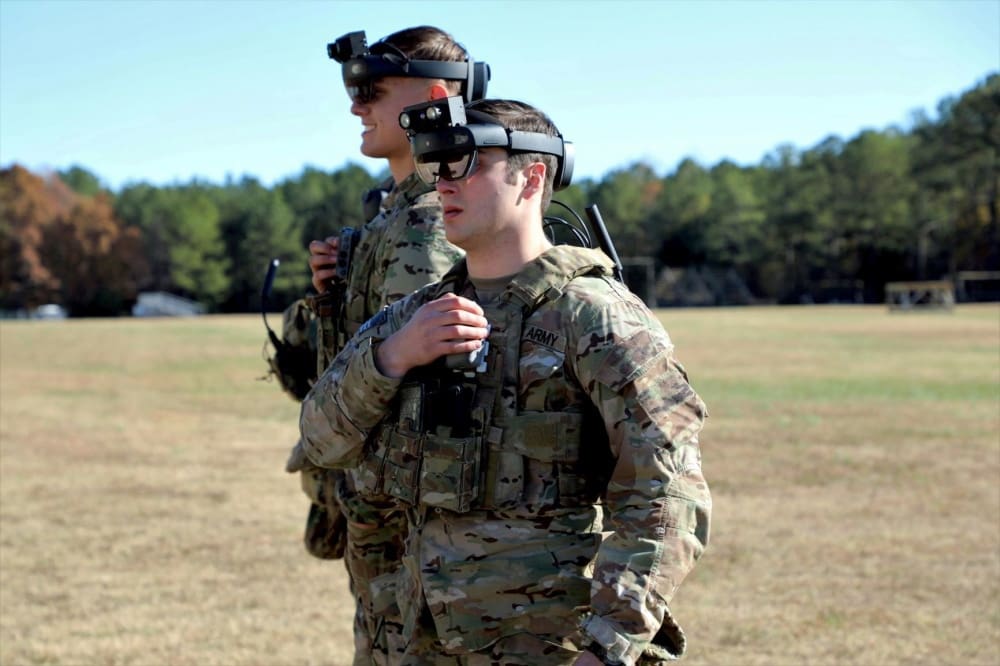
“We have a dispersed team that is capable of downloading the latest software build and loading it onto their HUDs. This process has enabled remote testing of software builds and the ability to provide rapid feedback to Microsoft to include live fire video, data, and assessments,” Walega added.

The continued AET testing and iteration of specific IVAS capabilities through the COVID pandemic has been largely based on the Soldier feedback collected at every stage in development over the last 18 months.

“Soldier Centered Design (SCD) was developed in IVAS as a combination of Human Centered Design and tailored acquisition best practices,” said Walega. “SCD focuses on current Soldier and Marine input throughout the entire development process to prevent engineers and developers from building a product that does not meet the priorities of our warfighters.”

The process puts emphasis on making a product that Soldiers will enjoy using to increase their lethality in training and on the battlefield.

According to Walega, “If a Soldier loves and uses IVAS, then we have provided a system that has much greater capability than the current kit.”

In order to ensure that IVAS will truly maximize Soldier lethality, intentional Soldier feedback at every design and decision point has been a program priority.

“We have collected over 23,000 hours of Soldier feedback,” said COL. Christopher Schneider, Program Manager IVAS. “Because we’ve got so much feedback, we’re highly confident in the current design and STP 3.”

The Soldier-centric approach has turned out to be a key asset to the program during the change in normal operations. Though large scale events such as the IVAS STP 3 will shift due to COVID restrictions, the team has reorganized the internal program schedule so that IVAS is not delayed in deploying to the warfighter.

The team is reordering the intensive hardware and software design reviews that were initially planned for after STP 3, and is leveraging their ingenuity, remote tool infrastructure, and plethora of Soldier feedback to expedite the hardware design review to before the October event. This will allow the formal software design sprint to be completed after STP 3, and both designs to be finalized during Capability Set 4 iterations.

“We wouldn’t have the flexibility that we do, frankly, if we hadn’t been doing Soldier Touchpoints, user juries, user studies, and human factors engineering excursions throughout the last 18 months of the program,” said Schneider.

Though the pandemic has impacted every aspect of the program, including supply chain logistics, industry partners have continued to support with solutions.

“With the advent of the Coronavirus, the supply chain risk management strategy has taken on a new level of importance,” said Nicholas Pate, PM IVAS Manufacturing Engineer.

“IVAS vendors have worked tirelessly to assess, analyze, and make quick decisions to avert imminent delays. Luckily, the PM IVAS supply chain strategy, from the very start of the program, has always been to mitigate risk by avoiding sole sources of supply, cultivating multiple sensor vendors, and ensuring parallel paths of supply,” said Pate.

To date, IVAS vendors have been able to react quickly to minimize negative impacts from the Coronavirus.

“Microsoft, as well as the low light and thermal sensor vendors, delivered preliminary supply chain information on critical components for early risk mitigation assessment on the IVAS supply chain,” Pate added. “This information ensures that quality and security controls are implemented to ensure a stable and sustainable supply chain.”

As Team IVAS continues to overcome COVID’s obstacles, leadership is unwavering in its dedication to the safety of both Soldiers and the team.

“We really took a deliberate thought process and approach to moving the Soldier Touchpoint into October,” said Schneider. “We wanted to make sure that we had the opportunity to get it right.”

Overall, every decision has been made with the safety of the team and readiness of Soldiers as top priorities. Though STP 3 is now taking place in October at Fort Pickett, Va., the rest of the program deliverables remain on track.

“I can absolutely say that today we are on track to meet a fourth quarter ‘21 delivery for our first unit equipped,” said Schneider.

Story by Courtney Bacon.
AFRL, AFSOC Launch Palletized Weapons from Cargo Plane

Wednesday, June 17th, 2020

WRIGHT-PATTERSON AIR FORCE BASE, Ohio (AFNS) —

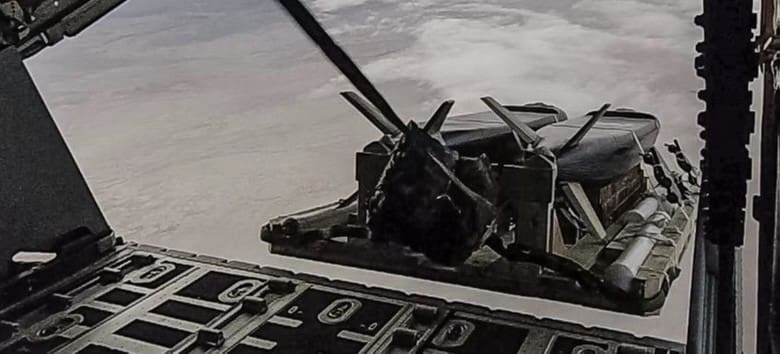
Through a partnership with the Air Force Research Laboratory, the Air Force Special Operations Command successfully released simulated palletized munitions in three airdrops at Dugway Proving Ground, Utah, Jan. 28 from an MC-130J Commando II, a multi-mission, combat, transport and special operations tanker.

This successful Phase I operational demonstration represents a milestone in executing a palletized munitions airdrop, which refers to the delivery of a large volume of air-launched weapons at any given time.

In this case, munitions stacked upon wooden pallets, or Combat Expendable Platforms, deployed via a roller system. AFSOC used an MC-130J Commando II since its cargo area supported the release of multiple, relatively large munitions.

AFSOC aircrew released five CEPs rigged with six simulated munitions, the same mass as the actual weapons, including four Cargo Launch Expendable Air Vehicles with Extended Range across a spectrum of low and high altitude airdrops. These long-range, high precision weapons destroy moving and non-moving targets.

“In the end, the demonstration accomplished all objectives,” said Jerry Provenza, AFRL CLEAVER program manager. In the three airdrops, all five CEPs separated cleanly from the aircraft, and the munitions separated from the CEPs.

“This successful (demo) is evidence of our commitment to evolve innovative weapons concepts and enhance our partnership with AFSOC to meet the needs of the National Defense Strategy,” said Col. Garry Haase, director of AFRL’s Munitions Directorate. “CLEAVER represents a different approach to launching large numbers of long-range weapons, which will bring a new dynamic to the high-end fight.”

The employment of these weapons directly advances the Air Force palletized munition experimentation effort, an innovative concept in which a multi-engine platform carrying large quantities of network-enabled, semi-autonomous weapons accompanies remotely piloted aircraft and fighter jets in combat missions. 

The CLEAVER, while first envisioned by AFRL’s Center for Rapid Innovation, is now led by program managers from AFRL’s Munitions Directorate at Eglin Air Force Base. Dr. Alok Das, AFRL senior scientist and CRI director, leads a rapid reaction team that provides solutions to the warfighter’s highest priority urgent needs.

Das explains that the CRI is “in the business of innovation” by developing non-traditional solutions that address operational challenges. After assembling the subject matter experts and forming a collaborative team, the CRI developed the prototype CLEAVER.

For this Phase I demonstration, an AFSOC 27th Special Operations Wing MC-130J aircraft flew to the range from Hill AFB, accompanied by an Air National Guard 137th SOW MC-12W Liberty chase aircraft flying from Salt Lake City International Airport. This turbo prop plane with intelligence, surveillance and reconnaissance, made real-time observations, capturing photos and video during three airdrops.

In future demonstrations, AFSOC will release CLEAVER glider vehicles, powered vehicles, and full-up vehicles with optional Warhead and terminal guidance. Provenza said AFRL’s Munitions Directorate will provide vehicles and SMEs in Phase II and beyond. He asserts that AFRL is committed to this strategic partnership with AFSOC.

By Whitney Wetsig, Air Force Research Laboratory Public Affairs

TYR Tuesday – IDTOUR VTS |Virtual Trade Show| PICO-DS & DSX Plate Carriers

Tuesday, June 16th, 2020

Our mission has always been about protecting those who run towards the threat.  To that end, we created the Innovate or Die® Tour and Mobile Showroom. Over the past couple years it has allowed us to meet you face-to-face, gather your feedback and answer your questions.

Life has been put on hold for many people around the world, but you have not stopped risking your safety and health against all the threats we face today.

We can’t wait to meet you on the road again.

Thank you to the men and women of the armed forces, first responders and health care professionals who continue to put their lives on the line. You haven’t stopped working and neither will we.

Introducing the Innovate or Die® Tour Virtual Trade Show #IDTOURVTS. New episode launching every Tuesday.

Episode One:

IDTOUR VTS |Virtual Trade Show| PICO-DS & DSX Plate Carriers

IDTOUR VTS |Virtual Trade Show| Preview

Black Box Sheds Light on Night Vision Challenges for USAF Aircrew Students

Tuesday, June 16th, 2020

JOINT BASE SAN ANTONIO-RANDOLPH, Texas (AFNS) — A device that was developed at Joint Base San Antonio-Randolph to help aircrew and paratrooper students understand night vision threats during initial aerospace physiology training will soon become a standard trainer across the Air Force.

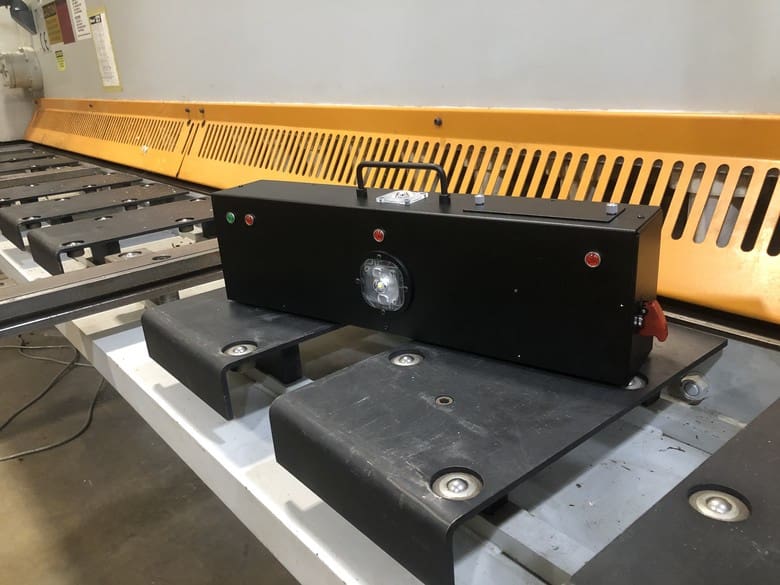
A collaborative effort of the 502nd Trainer Development Squadron and Air Education and Training Command Aerospace Physiology Lead Command, the unaided night vision trainer, also known as an NV light bar, demonstrates how dark adaptation and various types of lighting enhance unaided night vision.
The Air Force has been working with a night vision box/light bar for more than 30 years, but these devices were permanently affixed to classrooms and over time have broken or no longer work, said Senior Master Sgt. Ismael Paez Jr., AETC aerospace physiology functional manager.

“The device the 502nd TDS is developing for us is bringing us into the 21st century,” he said. “This device will be mobile, can be controlled via remote and can operate on batteries.”

The aerospace physiology career field has a waiver in place to forgo the requirement to use the night vision device while ensuring training objectives are met, Paez said, but that will change with the new device.

“Once the new night vision light bar is produced, we’ll go from having a handful of legacy devices to more than 40 devices across the Air Force,” he said.

Work on the unaided NV trainer began a few years ago in response to a request from an aerospace physiology technician and aerospace physiology training systems program manager, said Josh Chesney, 502nd TDS program manager.

“The current training is done in a classroom setting with a projector and PowerPoint presentation,” he said. “This device will provide more realistic training.”

The training teaches students about the limitations of the human visual system under low lighting conditions and the illusions they may experience under those conditions.

A rectangular black box that works in tandem with a remote control, the NV light bar demonstrates a variety of anomalies that challenge aircrews.

One of these is autokinesis, a nighttime visual illusion that causes a stationary light to appear to move.

The demonstration of this illusion helps fliers recognize the causes, effects and appropriate prevention of autokinesis during flight, free fall and while under canopy.

The instructor turns on a single red light in the middle of the NV trainer and students stare at a single, fixed light for a minimum of eight to 10 seconds to experience the illusion of an erratically moving light, which is the autokinetic phenomenon.

Next, the instructor turns off the single red light and turns on the outer two red lights of the trainer, and students stare between the two lights for eight to 10 seconds, causing the movement of light to increase. When there are up to four lights with little to no visual references, the illusion increases.

Students learn to avoid autokinesis illusions by concentrating on a single light while maintaining it in their peripheral vision, a technique called nighttime scanning.

Other anomalies the NV trainer addresses are the Purkinje shift, which is the tendency of the eye to shift toward the blue end of the color spectrum at low illumination levels as part of dark adaptation, and flash blindness.

During the flash-blindness demonstration, instructors explain to aircrew and parachutists that their eyes perceive afterimages following glare exposure, which affect their vision for different lengths of time, and tell them how to compensate for these “whiteout” afterimages.

Use of the unaided NV trainer in aerospace physiology classes helps aircrew and parachutists develop their inherent visual abilities to the greatest possible degree, Paez said.

“Although the ability to see at night varies from person to person, experience shows that most people never learn to use their night vision efficiently,” he said. “However, proper training can markedly improve night vision ability. Night vision training improves aircrew attentiveness, scanning techniques and mental interpretation of the images within their eyes.”

The training is intended for aircrews with normal but untrained night vision and is not a method of testing night vision abilities, Paez said.

“A trained person with fair vision may see more at night than an untrained person with superior vision,” he said.

By Robert Goetz, 502nd Air Base Wing Public Affairs

MATBOCK Monday – Medical Backdraft

Monday, June 15th, 2020

Good morning and Happy MATBOCK Monday,

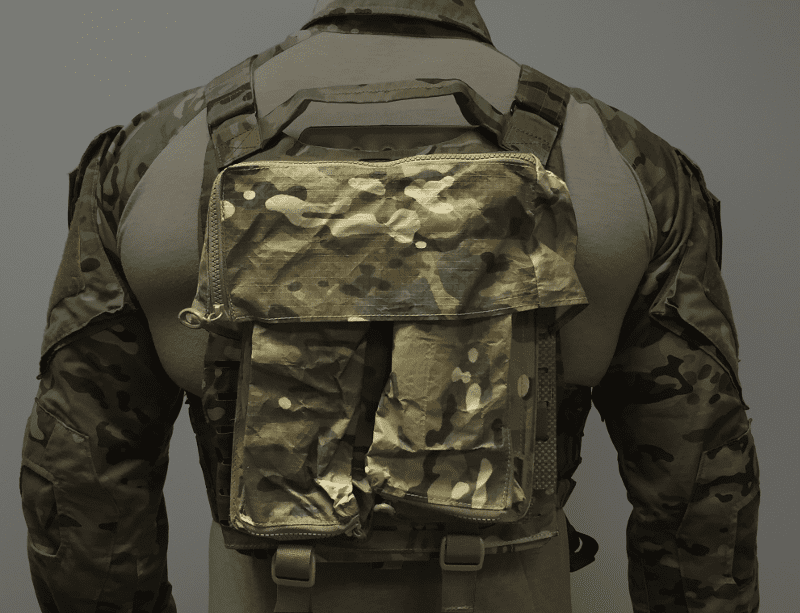
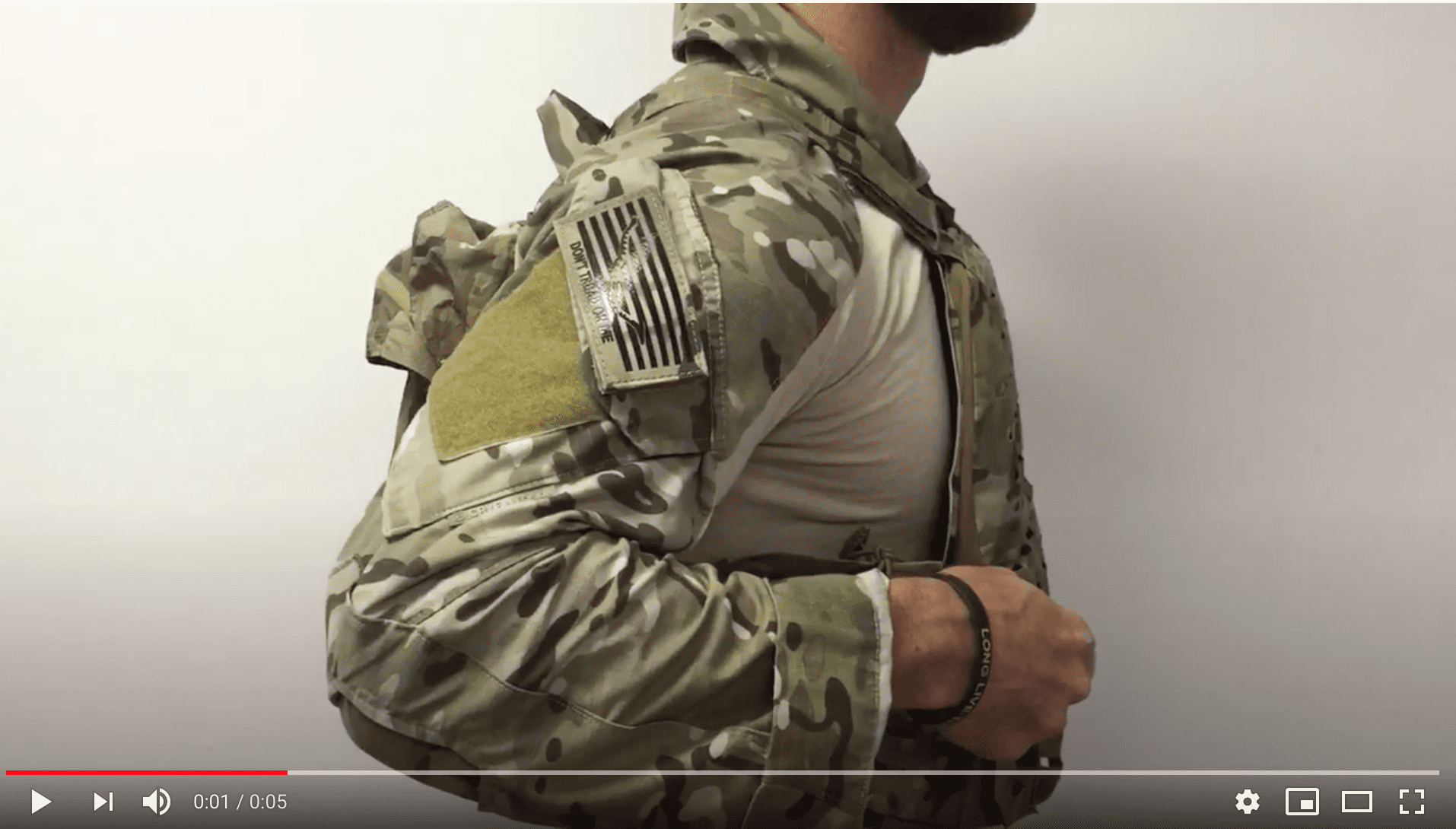
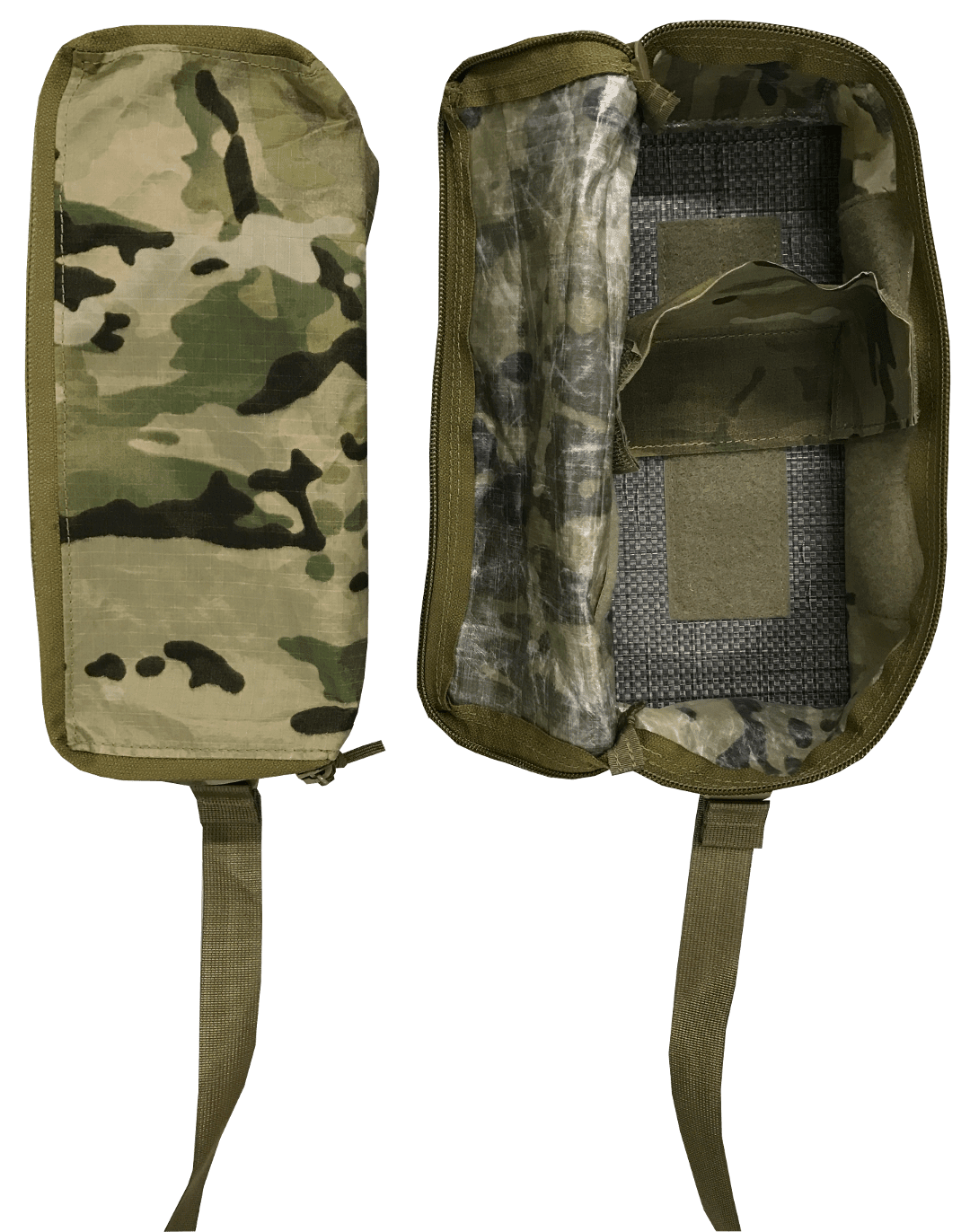
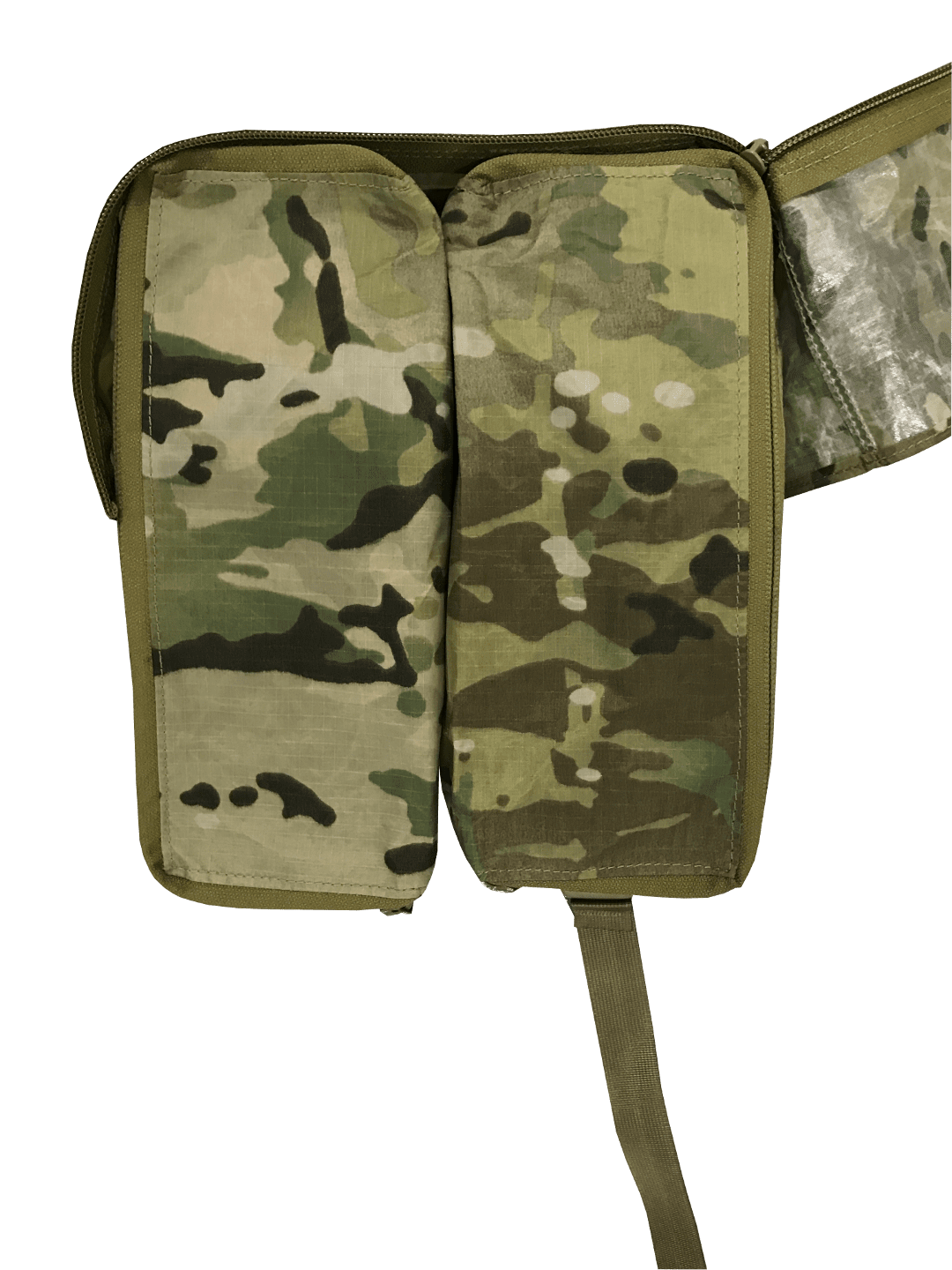
Developed in coordination with some of the leading medics and combat first responders, the MATBOCK Backdraft is for small teams with relatively quick access to higher levels of care. The unit mounts on the back of the plate carrier via MATBOCK Ghost Tabs and is split into 2 separate removable pouches that are held in place via Velcro. The unit was designed to split medical equipment between bleeding and airway and is run in this setup by different units.

The bottom of each pouch is attached to an adjustable lanyard that connects to the side panel of the plate carrier. When the operator requires the contents of one of the pouches, he or she simply pulls the lanyard, releasing that pouch.

Don’t forget to tune in on Monday at 4:30 PM EST as Jim and Casey conduct a live demonstration of the Medical Backdraft and answer all of your questions.

SCUBAPRO Sunday – Heart Rate Monitor/ Body Temperature  

Sunday, June 14th, 2020

Why monitor your heart rate when you are diving? Measuring your heart rate using a heart rate monitor (HRM) is an excellent way to gauge the effectiveness of your workload because as you strengthen your body through exercise, you also strengthen your heart. Today just about every watch has an HRM to analyze and evaluate everything you do. Whether you are in the military, public service, or a working diver, you should be at a certain level of fitness so you can do your job.

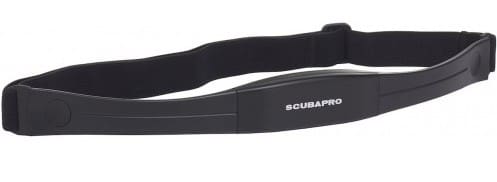
So why not use this technology in diving as well? With the help of a heart rate monitor, you can keep an eye on the heart rate underwater and make your dives safer. By monitoring your heart rate, you can assess your workload. Furthermore, by measuring your heart rate, you can specifically train to increase your endurance in advance, and also you can use it to measure your output so you know how fast you are swimming and help track the distance you are covering. With the SCUBAPRO HRM, you can monitor your body temperature also. It is also great for diving in the winter, during long-duration dives, or even open ocean swims in the winter.

Increased exertion, while diving in deep water, improves circulation, which, in turn, increases the nitrogen uptake. The heart rate can also be used to calculate decompression times even more accurately and make diving even safer. That’s why the SCUBAPRO computers don’t just show depth, no-stop times, and the decompression schedule but also continuously inform the underwater athlete about his or her heart rate, i.e., his or her stress, which in turn is factored in when calculating other dive parameters. Exclusive to SCUBAPRO dive computers, the heart rate monitor, jointly developed with Polar (the world leader in the field of heart rate monitors), measures your heartbeat and body temperature during the dive that can then be factored into the decompression calculation along with your workload. This can results in safer diving because each diver is unique, and each dive location and situation are different. The HRM is also ideal for freedivers, measuring heart rate, and sounding an alarm if the heart rate drops below the set level.

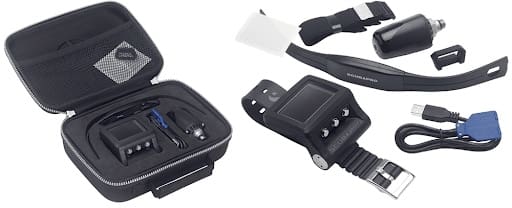
Factoring your heart rate into your decompression calculations makes diving safer and a lot more fun. A lightweight waterproof ECG (electrocardiogram) transmitter is built into an elastic belt that straps around the chest, directly against the skin. This belt wirelessly transmits your heart rate data to your SCUBAPRO personal dive computer. Data is displayed on the screen, plus it is factored into your decompression calculations to create a more personalized dive plan and improve the quality of your diving. 

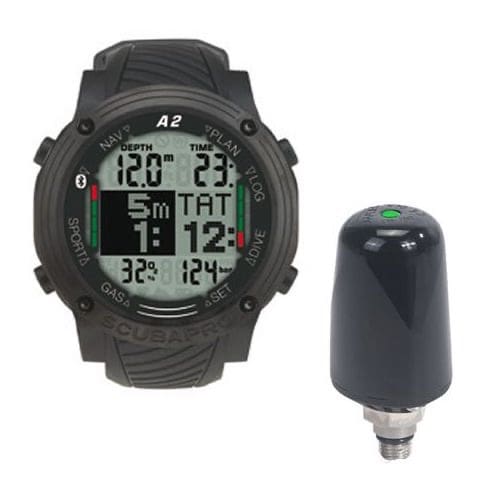
Engineered by divers for divers, the SCUBAPRO Aladdin 2 (A2) watch performs advanced functions in the timeless style above and below the surface. Galileo 2 is everything you need for an extraordinary underwater experience.

The unique integrated Heart Rate Monitor senses your effort, incorporates it into the workload calculation, and adapts the decompression algorithm. The result is safer diving, because the diver’s physiology reports it, and because each dive location and situation is different. The HRM is also ideal for Apnea divers, measuring heart rate, and sounding an alarm if the heart rate drops below the set level.

SCUBAPRO’s line of “smart” personal dive computers, including the Galileo 2 (G2), Galileo Sol, Galileo Luna, M2, Mantis 1, the Mantis, the Meridian, and the new A2 Dive computer are all designed with Human Factor DivingTM. All enable you to better track your time underwater and improve your diving by continually calculating and adjusting to new data based on your personal biometrics.  

SCUBAPRO and Human Factor Diving bring the world of biometrics and wearable technology to diving. SCUBAPRO’s personal dive computers are indispensable tools for divers of all skill levels, providing personalized data not available on any other dive computer.

Jolly Green II, Apache Complete Joint Test Mission

Sunday, June 14th, 2020

EGLIN AIR FORCE BASE, Fla. (AFNS) —

Those common, vibrating “thwip” helicopter sounds arrived well before they showed up, as 413th Flight Test Squadron personnel turned to look to the north at Eglin Air Force Base, May 19.

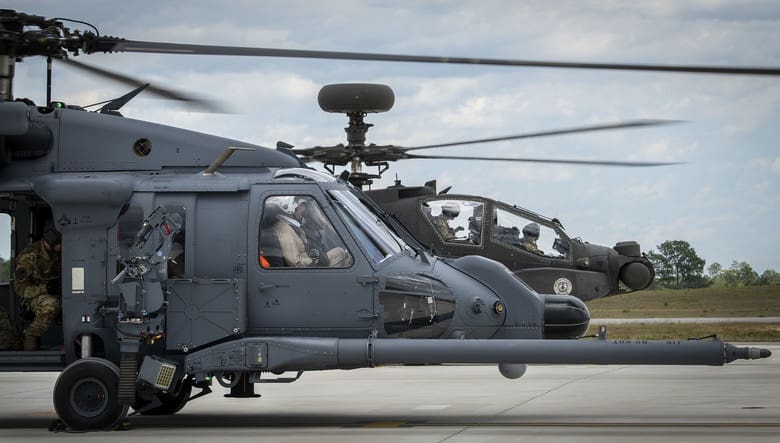
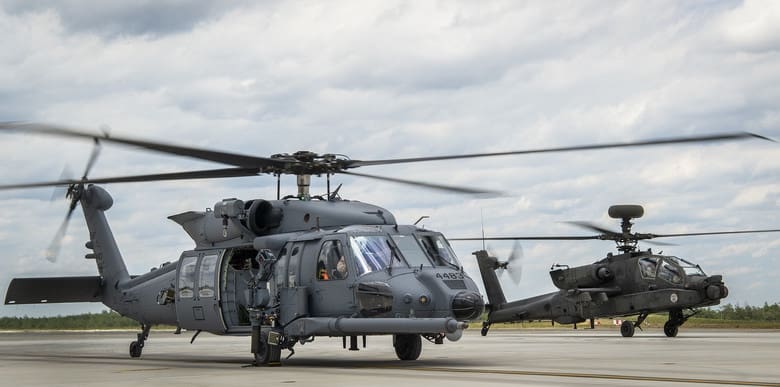
Seconds later, two helicopters appeared and the sounds and vibrations intensified. The Air Force’s newest combat search and rescue helicopter, the HH-60W Jolly Green II, led the way down the Duke Field runway. It was followed by the Army’s multi-role combat helicopter, the AH-64 Apache.

The two aircraft landed at Eglin AFB completing their first flight and combined test mission together.

The Apache, from Redstone Army Test Center, Alabama, flew in for system testing with the HH-60W.

“The unique configuration of the AH-64 Apache gave our team the opportunity to test capabilities of the HH-60W in ways normally not possible here,” said Christopher Martin, 413th FLTS HH-60W lead test engineer “Tests like these will ensure the Jolly Green II will be able to perform its critical combat search and rescue mission when fielded in the joint warfighting environment.”

The joint service test-effort marks another milestone in Jolly Green II’s development. This year, the new helicopter has completed extreme environment, communications and defense system testing just to name a few.

The 413th FLTS leads the HH-60W integrated test team along with members of Sikorsky Aircraft Corporation, 88th Test and Evaluation Squadron, Detachment 2, and Air Force Operational Test Center.

“We are very proud of the work our integrated test team accomplished in 2020 despite a myriad of operational restrictions due to COVID-19,” said Shawn Hammond, HH-60W test program manager. “The team’s success is due to a mission-focused mindset to ensure the crews flying the Jolly Green II into combat have the most reliable and capable helicopter for the job.”

By Samuel King Jr., Eglin Air Force Base Public Affairs

SPARTANAT – PHOTO FILE: PHANTOMLEAF WASP II Z4 Field Test

Saturday, June 13th, 2020

PHOTO FILE: PHANTOMLEAF WASP II Z4 im Feldtest

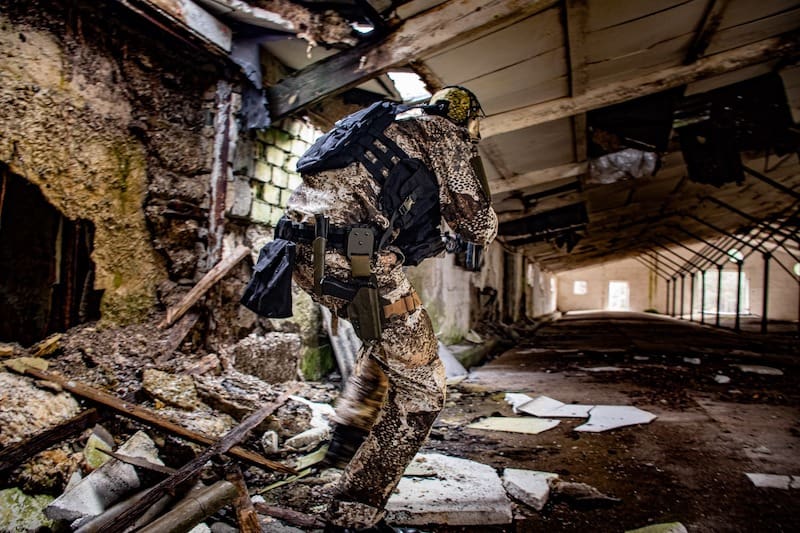
The ideal environment, the camouflage suit sits great and fully camouflaged, he storms the building.

Does it really work that way? With good patterns, yes, sure. But it’s not just a matter of patterns. Each camouflage only works well in the right background. And we wanted to figure out the limits of this one for you: PHANTOMLEAF WASP II Z4 is presented as an originally urban pattern. We wanted to know how it works where and what are ist limitations to give you ideas to use it wisely: Good camouflage products work best with a skilled operator.

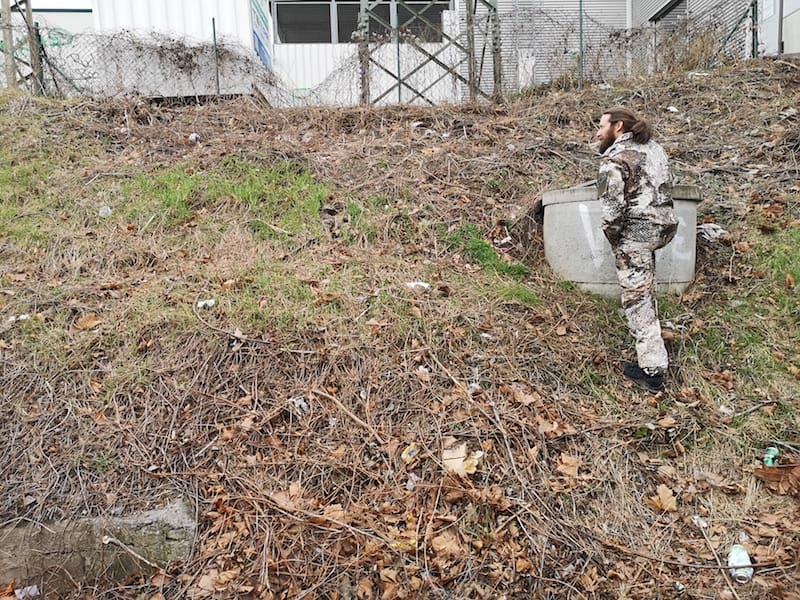
The uniform is from Leo Leo Köhler and we presented it HERE in the SPARTANAT review. It is autumn, we are outdoors. And Z4 doesn’t come too bad even at this location.

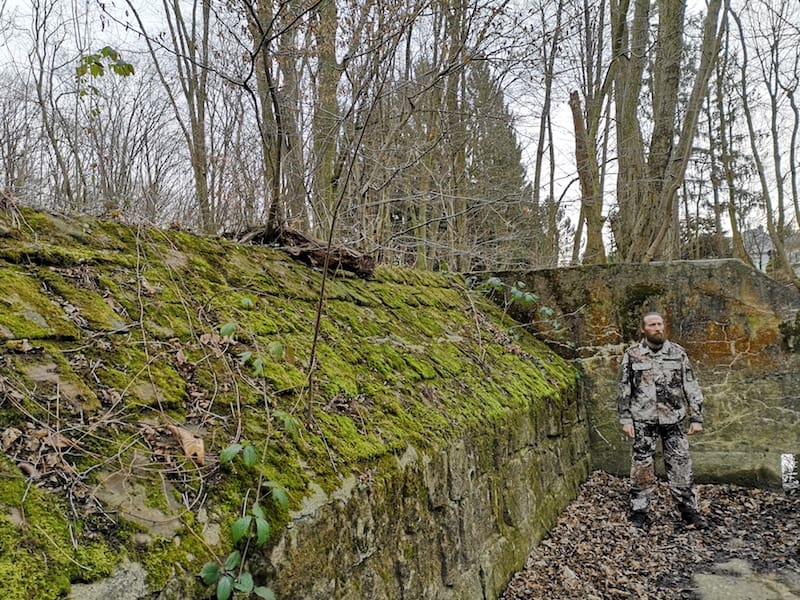
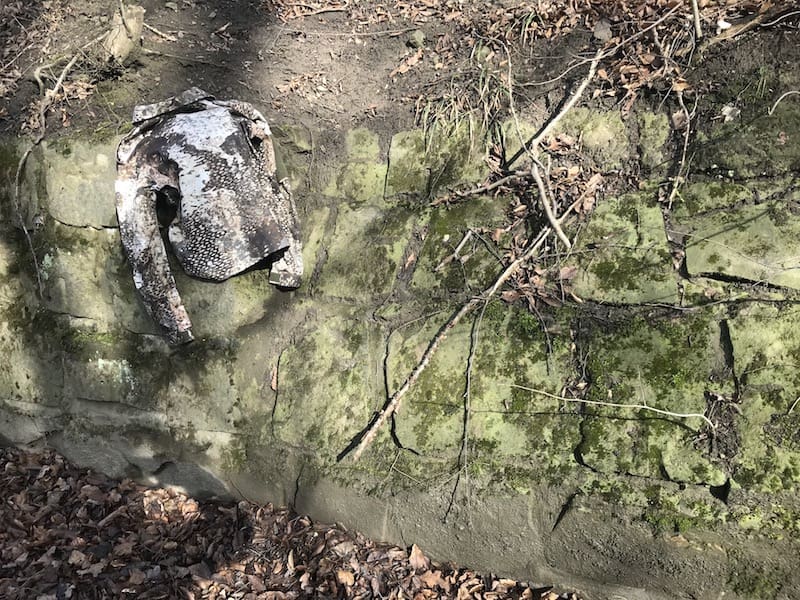
Where the pattern reaches its limits, which is why we do not want to export it to spring, is green. The moss alone kicks it out.


Who likes to compare. We photographed the green Z3A from PHANTOMLEAF at a different time of the year in the same place and in the same position: we could hardly be found. HERE is the field test with the green WASP II Z3A from PAHANTOMLEAF.

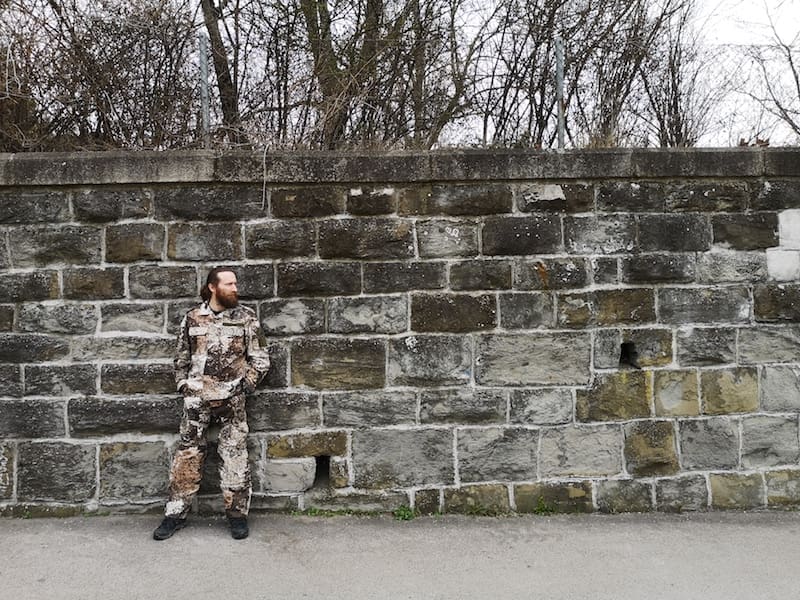
This pattern by PHANTOMLEAF likes what is stone and has shades.

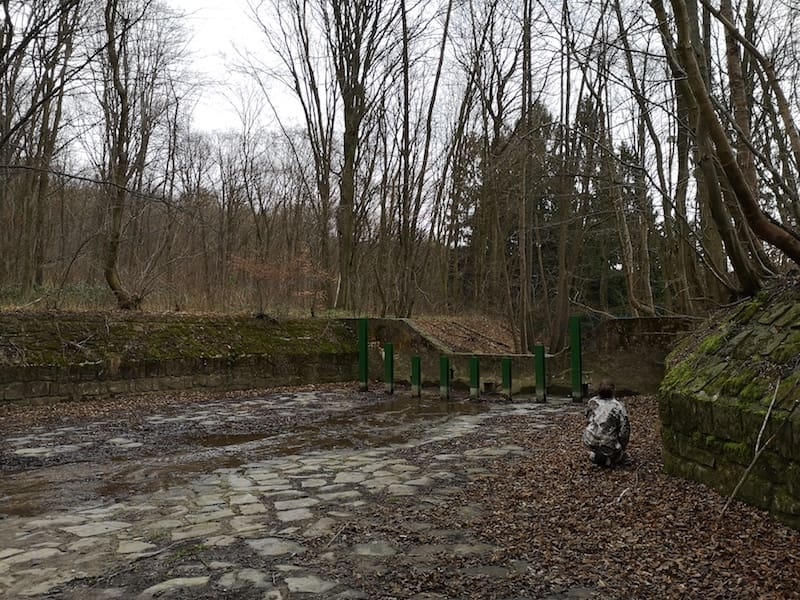
This wall was not built after Z4 was built. Nevertheless, the pattern fits in fine.

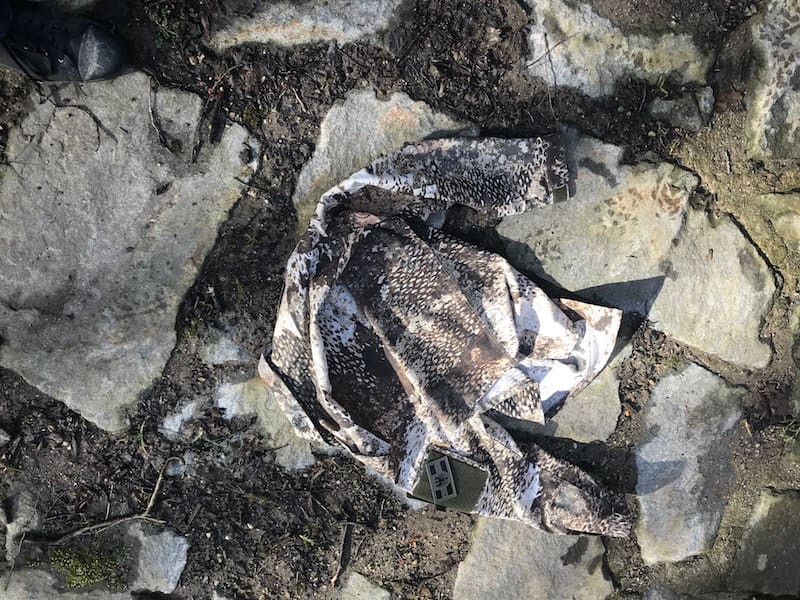
Broken stones, soil in between, all of these come very well in line with the strongly structured patterns in gray and brown tones.

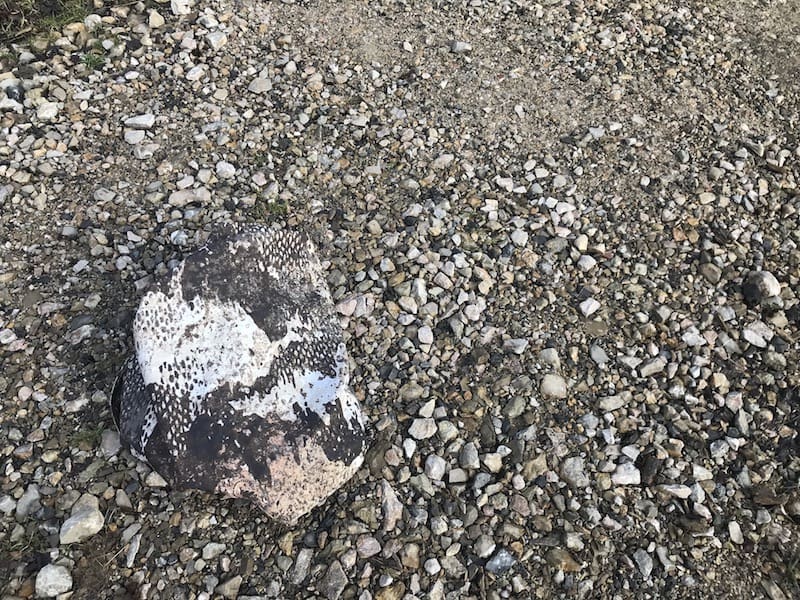
Gravel substrates are also ideal for using PHANTOMLEAF Z4. The strong structure fits here too.

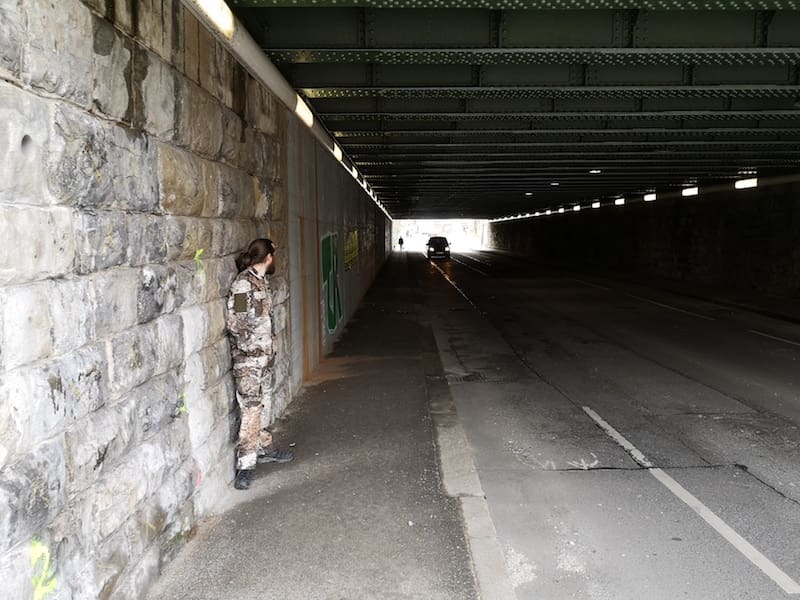
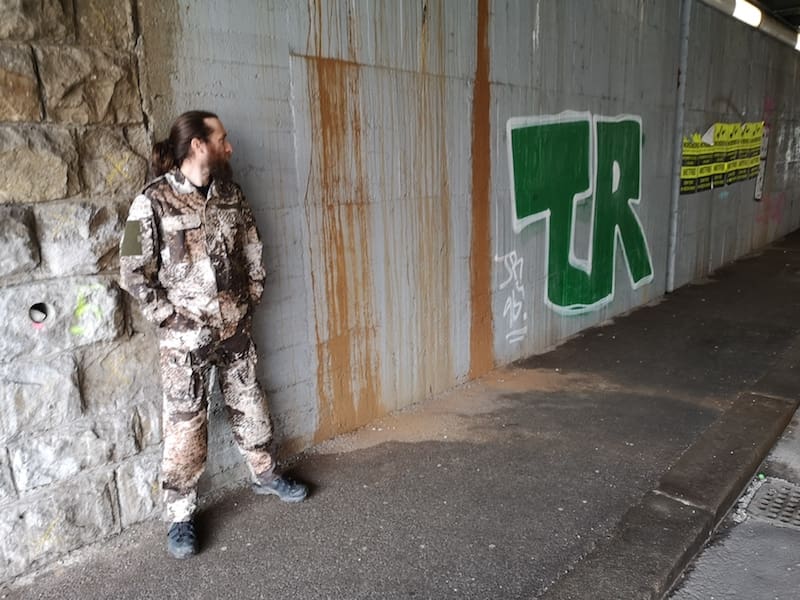
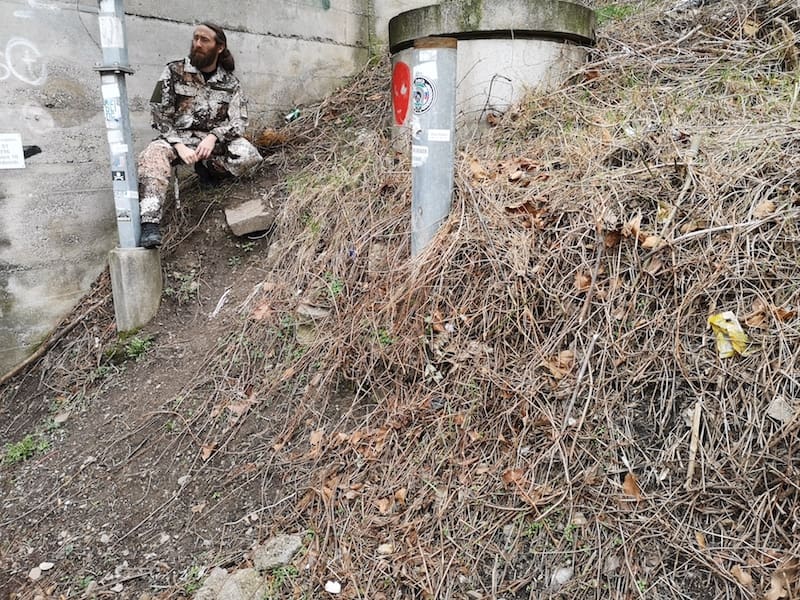
The stone wall in the tunnel underneath literally “soaks up” the pattern.

The topic is more difficult with smooth concrete.

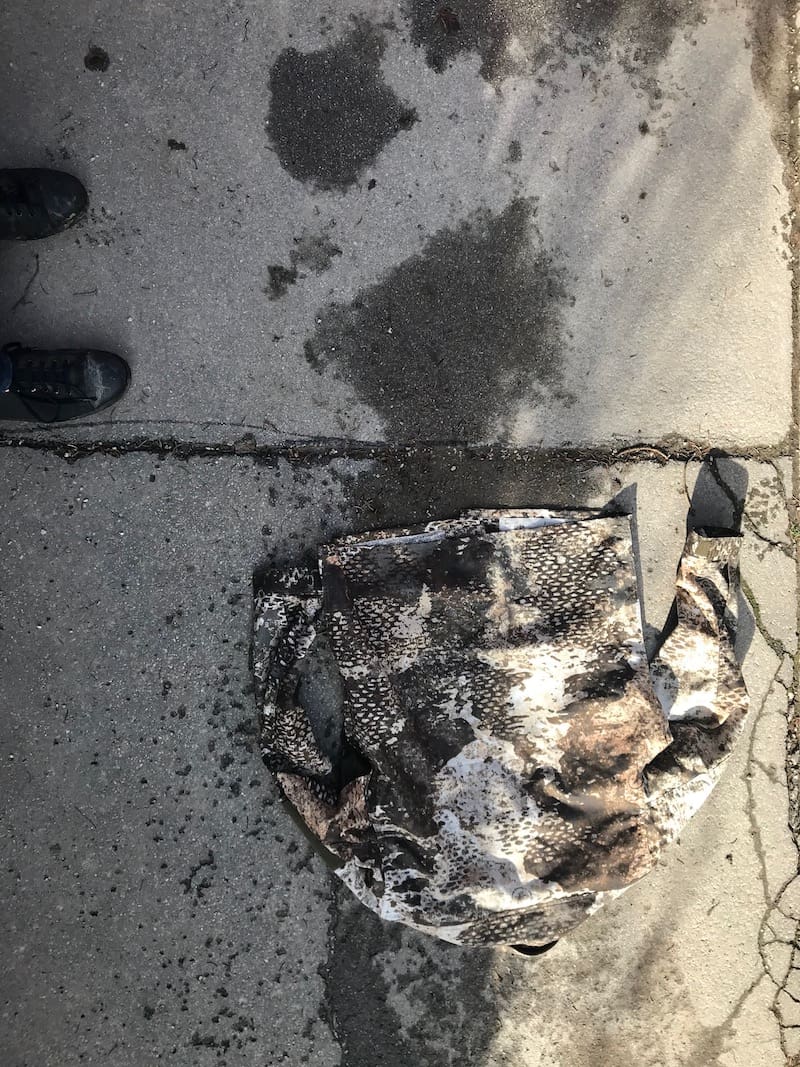
But as soon as there are any structures – it is wet on the ground, plus broken lines – this pattern from PHANTOMLEAF is immediately at home again.

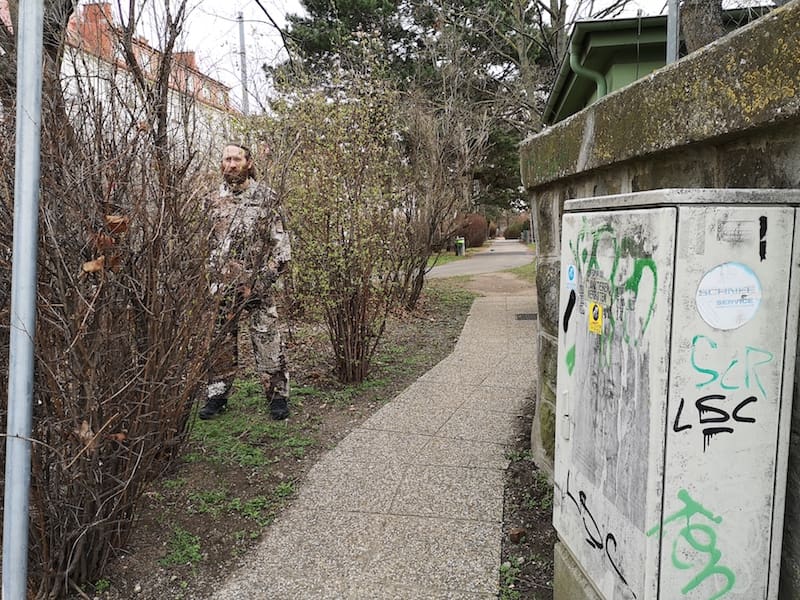
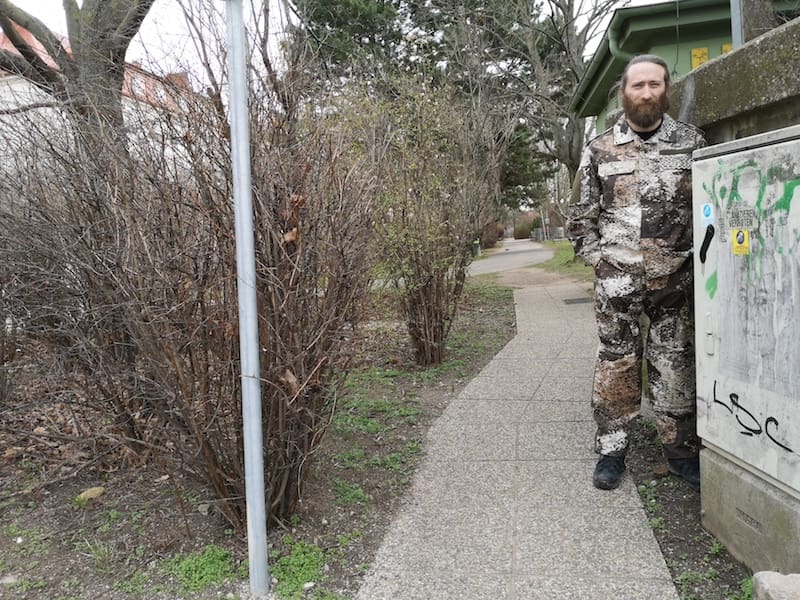
You don’t always have to be in the foreground. Tree branches from a bush, urban environment. Good camouflage.

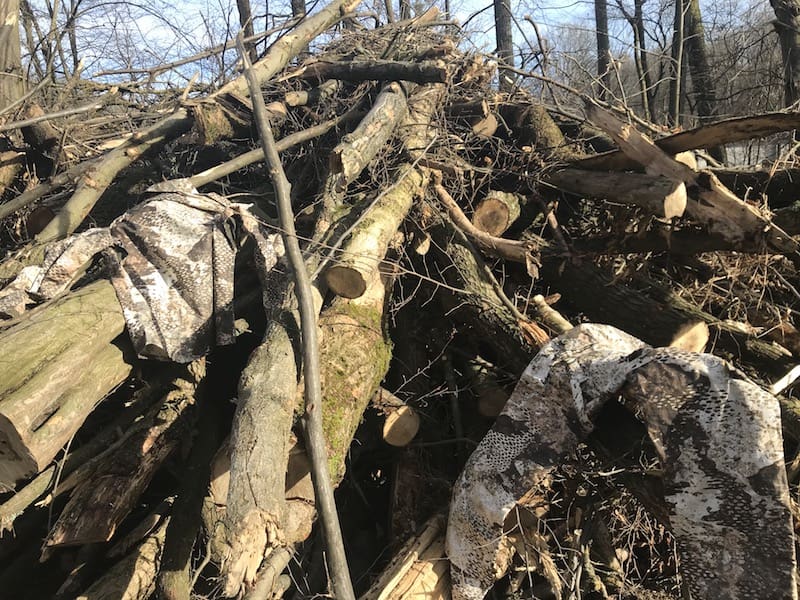
Let’s go out into nature with the pattern. Stack of wood, all wildly mixed up and many colors. We could hide well with Z4.

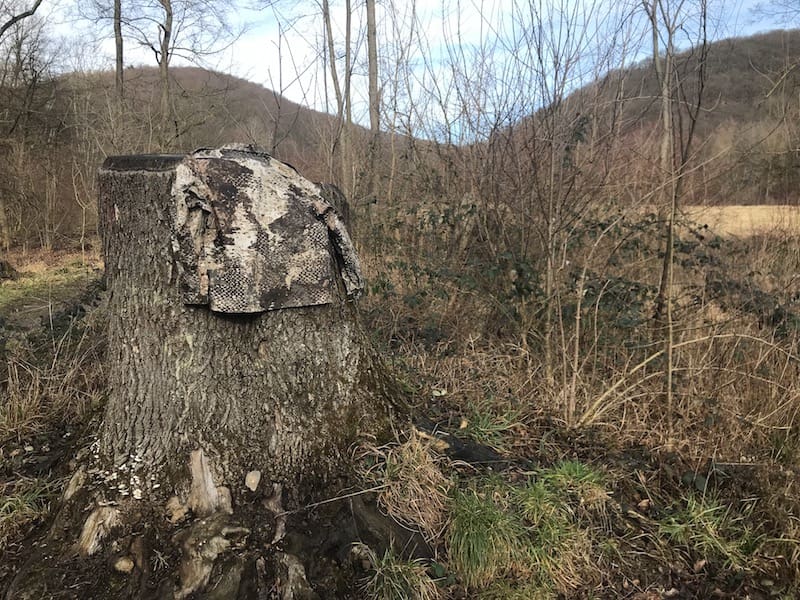
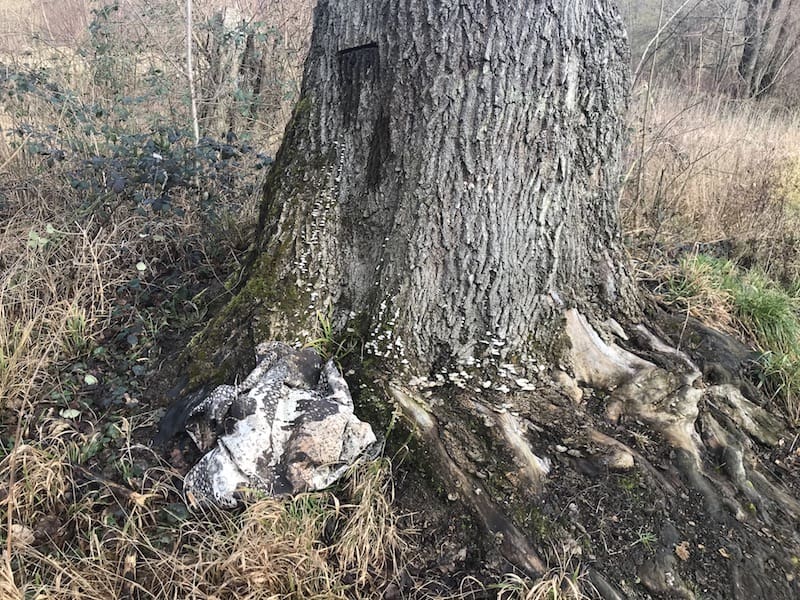
The tree trunk is the example where Z4 surprised us the most. It fits in perfectly despite it originally being intended for urban use.

It even disappears …

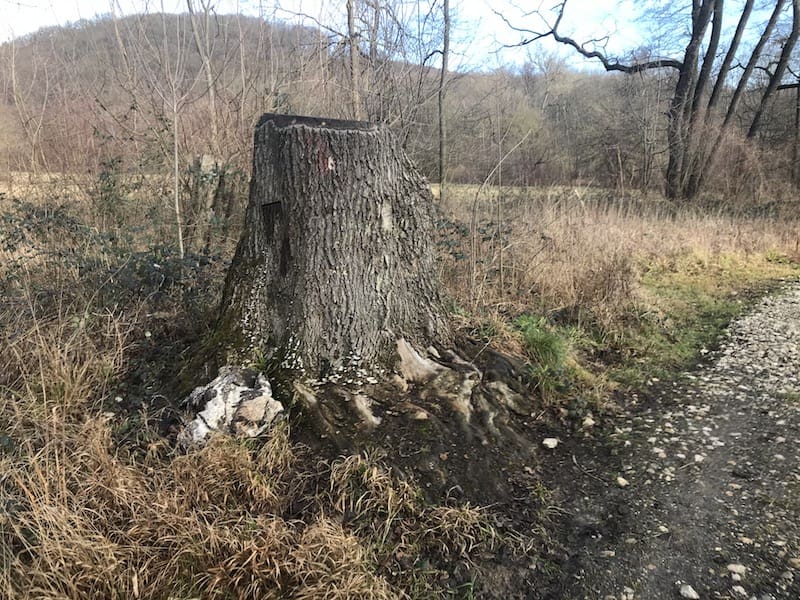
… because it is now placed at the foot of the tree and matches the light gray wood structure.

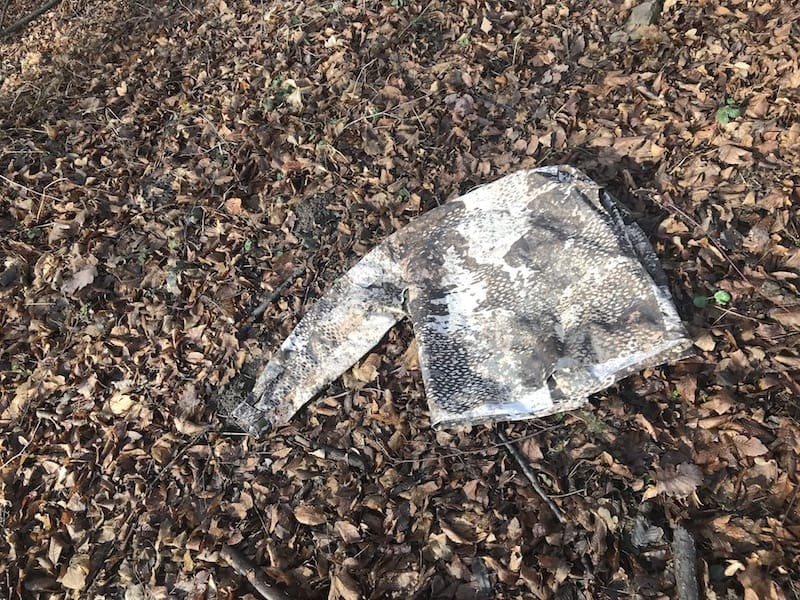
Autumn forest, lots of brown tones …

where the background becomes “monocolor”, the pattern does not feel comfortable. Here it suddenly looks pale because the leaves are so lively.

Urban without cover looks fine, because PHANTOMLEAF fits in well here.

Even if it sometimes appears bright, it “adopts” the surroundings well.

Taking cover in a gray-brown environment, Z4 likes that.

Where there is fighting, a lot is broken, which gives more cover. Here is a disappeared old building as a test site for the PHANTOMLEAF field test.

Plaster, brick, earth – the camouflage pattern disappears.

That is the main area the pattern is intended for.

If the surface becomes too dark, the pattern is again noticeable. On the other side: In real combat situation the suit will be covered in dust and will be wet and will become more adopted tot he surroundings by this. Just to mention: To make a suit more dark to adopt in the field is much easier to lighten it up.

Old house wall: put on the camouflage suit, sit down, nobody will recognize you.

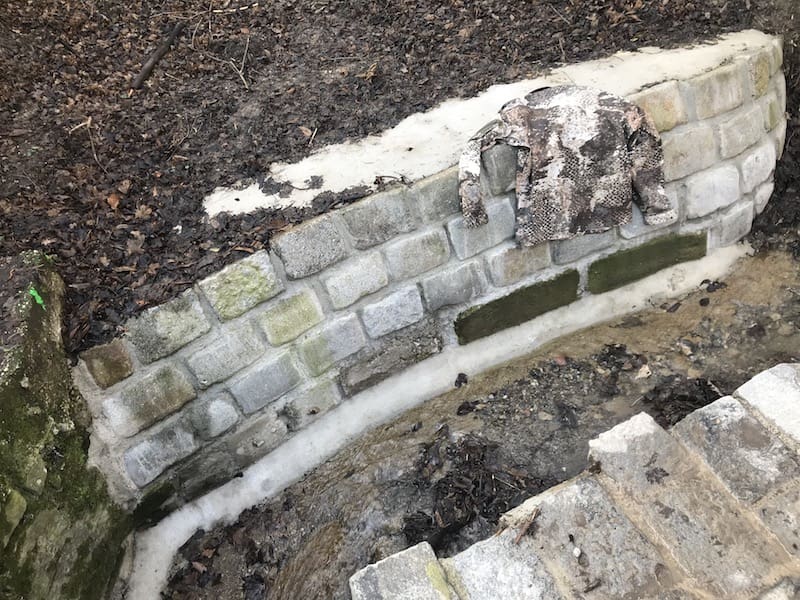
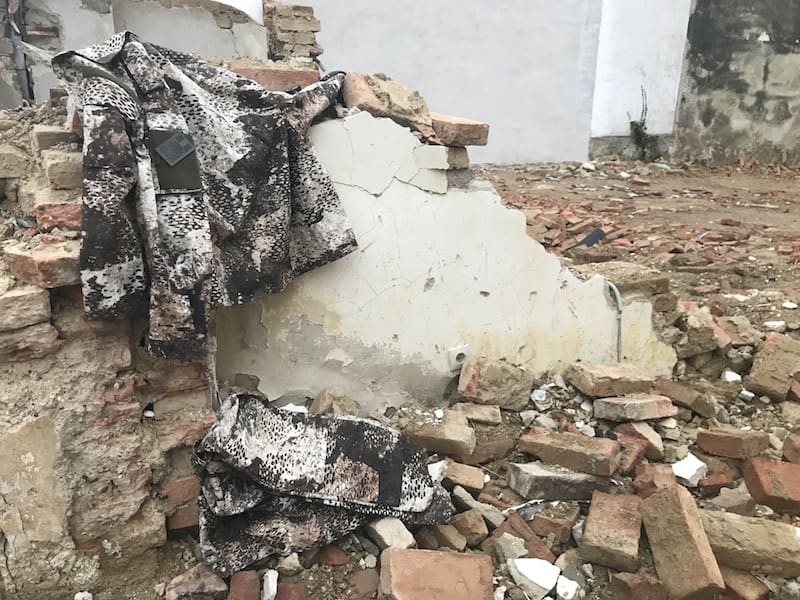
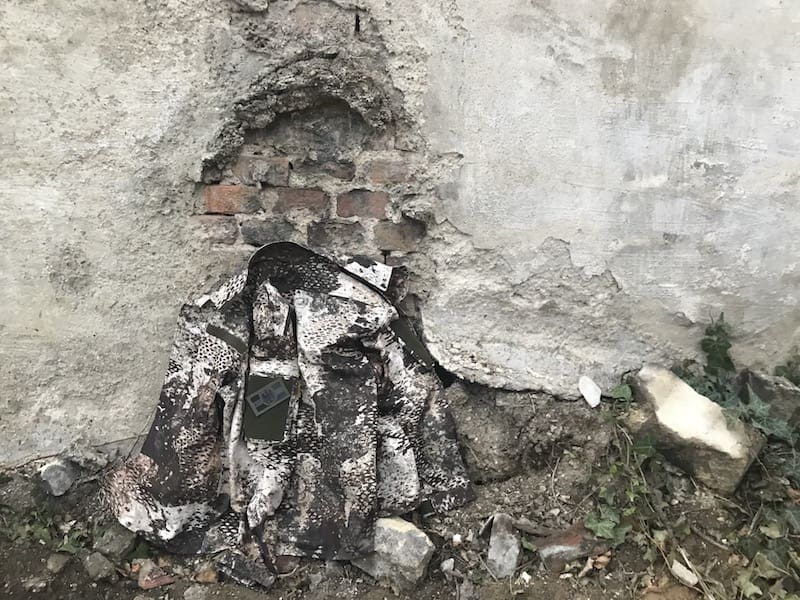
Then someone left his jacket hanging and ran away. Must be cold: Z4 and winter is a hot topic. Especially where there is no closed snow cover.

Now a search picture: Find Z4! A little tip: in the front left. That is very impressive for an “urban pattern”.

CONCLUSION: At first glance an extreme camouflage pattern, which turns out to be very versatile if you pay attention to the surroundings. In addition to the urban environment and autumn forest areas, the pattern also plays a great role in a landscape with some snow and rock.

More pictures of the various PHANTOMLEAF patterns in the field can be found on Instagram at PHANTOMLEAFOFFICIAL.

HERE we interviewed the creators of PHANTOMLEAF.

The field blouse and combat trousers in PHANTOMLEAF by Leo Köhler are available from RECON COMPANY. The command field blouse costs 89.95, the combat trousers 109.95. The matching cap is available at 14.95.

PHANTOMLEAF on the Internet: www.phantomleaf.de

LEO KÖHLER on the Internet: www.leokoehler.com

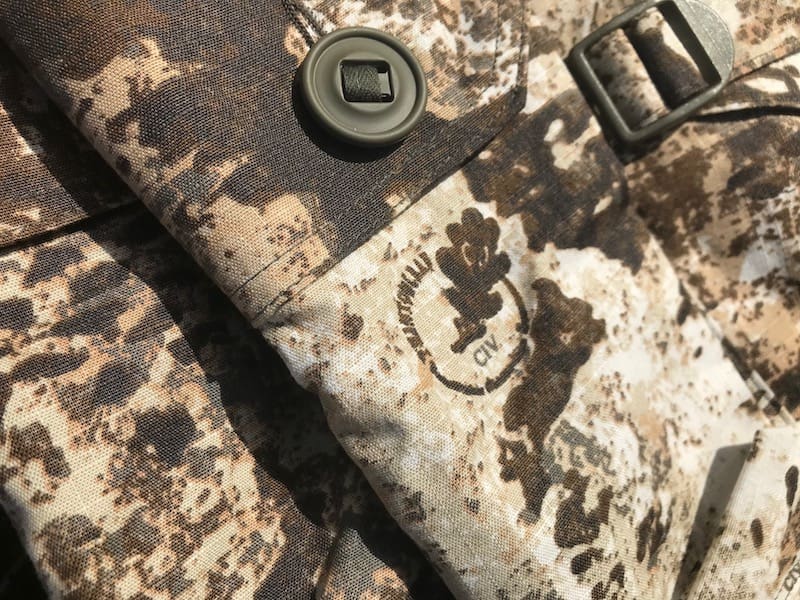
The small leaf is the PHANTOMLEAF logo.