Phantom Lights

Archive for the ‘Guest Post’ Category

MATBOCK Monday Skeeter Patch Kit

Monday, August 17th, 2020

Skeeter Patch Kit

Good morning and Happy MATBOCK Monday!

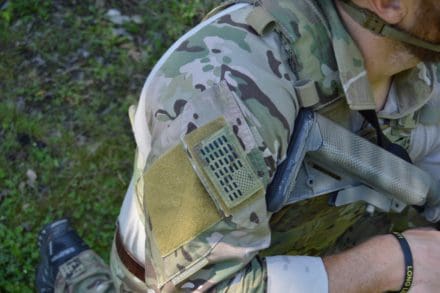
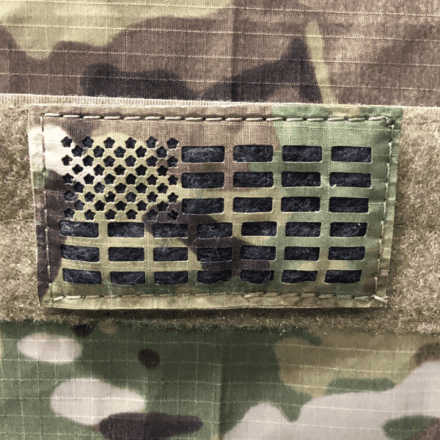
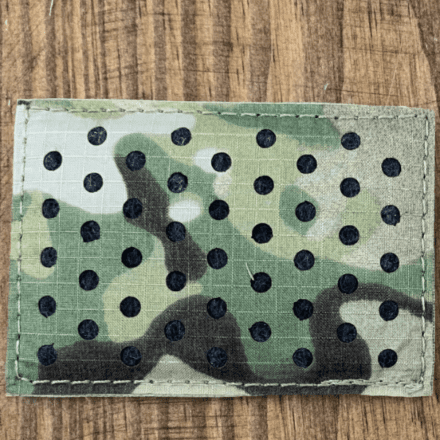
The internal of each patch is a super absorbent anti-microbial lining for deet or any other anti-bug spray. The absorbent liner will hold the bug spray for hours to prevent insects from bother you or from you spraying some of these very harmful chemicals onto your body directly.

Each kit comes with your choice of 2 American Flag patches or 2 Dot and 2 smaller patches. The 2 smaller patches are perfect to place around the ankles or below the knee. The larger patches are great to wear on your shoulders or hat.

Don’t forget to tune in this week at our new time 1:00 PM EST as we go live to show how to use the Skeeter Patch Kit and its many uses from jungle missions to weekend hikes.

www.matbock.com/products/skeeter-patch-kit

Drill Sergeants to Start Receiving Army Greens This Month

Monday, August 17th, 2020

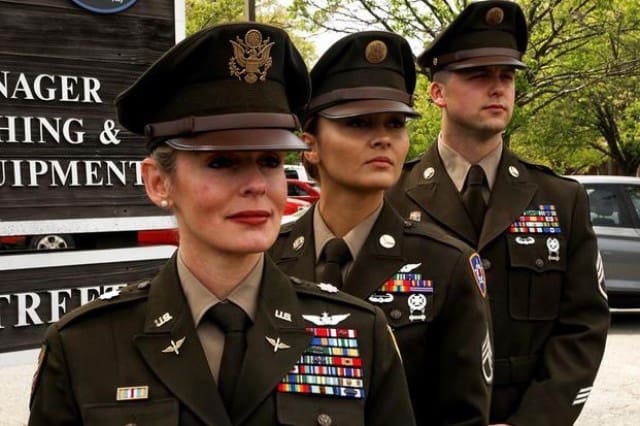
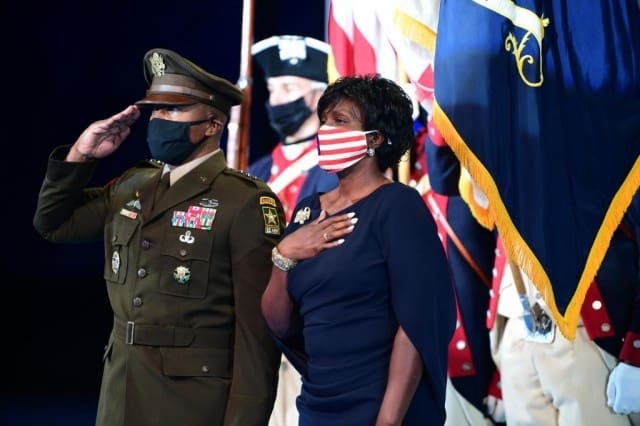
WASHINGTON — Along with their iconic round brown hats, drill sergeants will soon be donning the Army’s new, long-awaited everyday business uniform, a project manager confirmed Tuesday.

The Army Green Service Uniform, which is based on the dress uniform worn by Soldiers during World War II, will be delivered to basic combat training drill sergeants at Fort Sill, Oklahoma; Fort Benning, Georgia; Fort Leonard Wood, Missouri; and Fort Jackson, South Carolina, later this month with general sales at those installations’ post exchanges beginning this fall.

The full wave of AGSU sales throughout the Army is slated to be implemented by March 2021.

Trainees in basic training and one-station unit training are scheduled to begin receiving the new uniform starting from October through December. Soldiers must fully transition to the new uniform by Oct. 1, 2027.

“The everyday professional look of the AGSU will complement Soldiers of today and in the future,” said Col. Stephen Thomas, project manager of Soldier survivability for Program Executive Office Soldier, during a media event Tuesday.

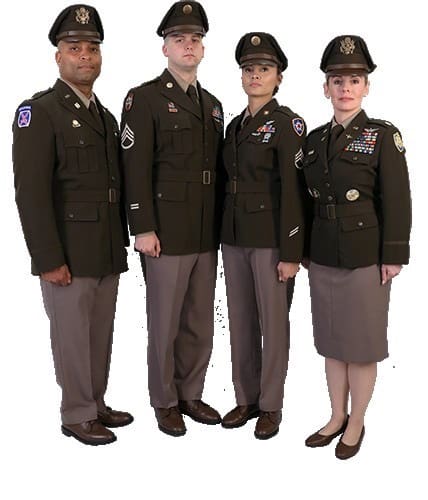
With its olive-colored top and light brown trousers, a similar dress uniform gave Soldiers a unique look during WWII. Army senior leaders pushed for a revamped design to connect today’s Soldiers with the service’s past.

Former Army Chief of Staff Gen. Mark A. Milley met with designers at the Army Combat Capabilities Development Command Soldier Center in Natick, Massachusetts, in 2017 to discuss possibilities for a new service uniform. The command’s design team fashioned uniform options for Milley and made recommendations to PEO Soldier.

“[Milley] spoke of the pride and heritage of that uniform in our Army’s history and wanting to bring it back,” said Annette LaFleur, design team lead at CCDC Soldier Center. “He wasn’t very specific in terms of the exact design detail. He just spoke about the fit, the aesthetic, and the look of it and uniting everybody together with this uniform.”

Extensive testing followed with as many as 1,200 test uniforms worn by Army recruiters and 700 prototype models used during a limited-user test last year. For nearly two years, Milley and former Sgt. Maj. of the Army Daniel A. Dailey campaigned for the new uniform, even donning the AGSU at nationally-televised events such as the annual Army-Navy game.

The updated service uniform is intended for all Army ranks, while the WWII-era uniform was only authorized for officers to wear. The average cost varies depending on the combination of clothing, but the standard price hovers around $500 per uniform. The yearly clothing allowance, which officers do not receive, will help cover the cost of the uniform for enlisted Soldiers.

The shelf life of the clothing will span six years — two years longer than the Army Service Uniform, or commonly known as Dress Blues.

LaFleur added that designers adjusted the original WWII design for everyday wear. The uniform is made from a high quality, wool blend designed to make it last longer.

“Designers put together illustrations of different design options for various coat styles. These were early concepts where we started thinking about how we could actually modernize the designs,” LaFleur said. “The current configuration of the uniform really is very close to what you would have seen during the World War II-era. It really speaks back to that heritage and we haven’t changed that much in terms of the aesthetics of the uniform.”

Brown jump boots will eventually be added as options and prototypes are still being tested, Thomas said. Like its predecessors, the uniforms will have options for women, who can choose between trousers and knee-length skirts. An all-female board helped design the intricacies of the female AGSU.

In addition to a different color scheme, the AGSU has curved pocket flaps and a more rugged look than the Army Service Uniform, which the AGSU will eventually replace.

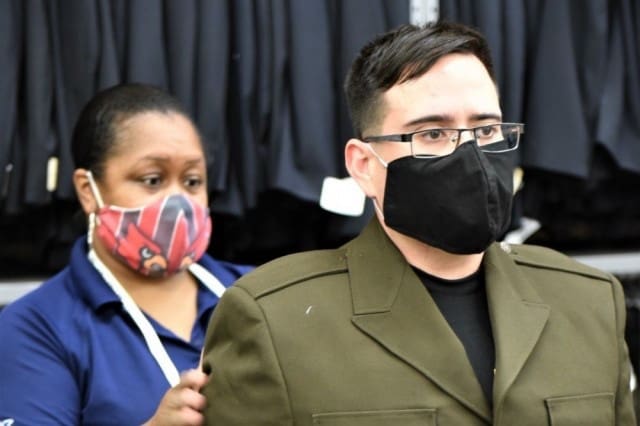
To accelerate delivery, Army & Air Force Exchange Service, or AAFES, used Army funds to directly procure the initial run of the new uniform at the Army’s request. In July, AGSUs were issued to about 70 Army Recruiting and Retention College students at Fort Knox, Tennessee.

“The Exchange procurement office was able to speed up the traditionally longer process typically required for the procurement of new uniforms,” said Daniel Koglin, AAFES divisional merchandise manager.

By Joseph Lacdan, Army News Service

SCUBAPRO Sunday – The D-Mask

Sunday, August 16th, 2020

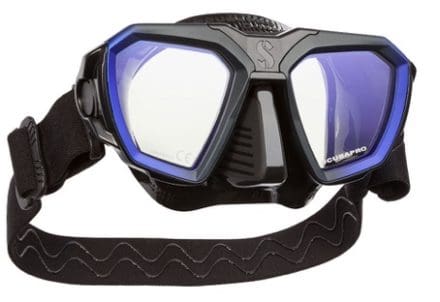
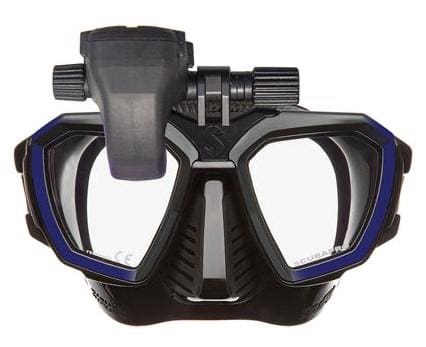
The new SCUBAPRO D-Mask is a, premium mask designed for all types of diving. It is equipped with UV+420cutTM lenses that filter out high-energy visible (HEV) light and UV light without affecting how colors appear underwater. It is the only premium mask that features an interchangeable lens system for optional optical lenses.

Mask has rotating buckles that work with a new black-on-black Comfort Strap to optimize range of motion and achieve a comfortable, watertight fit. The D-Mask has all the standard features you would expect in a quality mask, such as a double feathered edge silicone skirt, wide strap design, easy to reach nose pocket for ear equalization, dual tempered glass lenses for safety and ribbed skirt and nose pocket for sure grip even when wearing thick gloves.

The lenses of the mask are made from an ultra-clear glass. Standard glass has a green tint. The green tint you see is the result of iron impurities left over in lower quality float or window type glass. That green tint distorts true colors and blocks-out some of the light that reaches the eye. Ultra-clear is a new and exciting optical quality tempered glass with exceptional clarity and high light transmission, with no color distortion. The exceptionally high light transmittance and lack of distortion in the ultra-clear lens maximize the light available for improved visual acuity, especially underwater in low light conditions. Better vision and more accurate colors are what you get with SCUBAPRO ultra-clear lenses. 

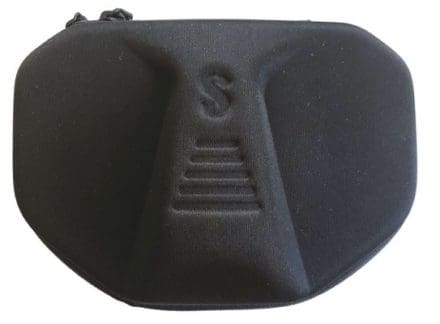
The mask comes in a durable molded fabric protective box, a HUD hands-free dive computer mount, and an all-black Comfort Strap.

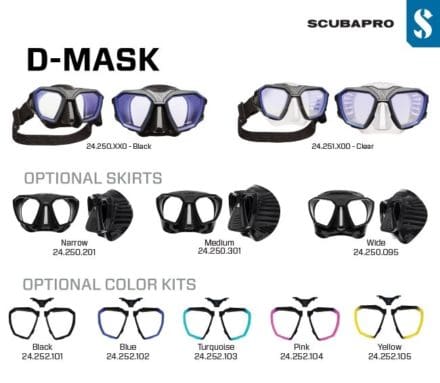
CHOICE OF SKIRTS Three skirt sizes – Small (Narrow), Medium, and Wide – ensure a perfect fit for a range of divers and face shapes.

COLOR KITS Are available to match perfectly to SCUBAPRO suits, masks, HYDROS BCDs, and Seawing Nova fins.

UNRIVALED LENS CLARITY
True color UV protective lenses offer protection from UV light on the surface without affecting colors underwater.

OPTICAL ENHANCEMENT
Interchangeable lens system makes it easy to install optional optical lenses (ranging from -1.5 to -5.0 or +1.5 to +4.0 in .5 diopter increments).

ADD-ON BI-FOCUS
Optional magnifiers can be bonded to standard lenses with a range of +1.0 to +3.0.

www.scubapro.com

Special Tactics Airman Awarded Silver Star Medal

Sunday, August 16th, 2020

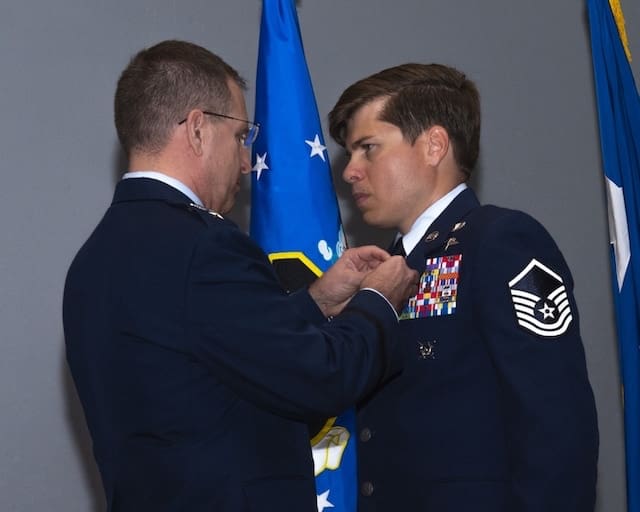
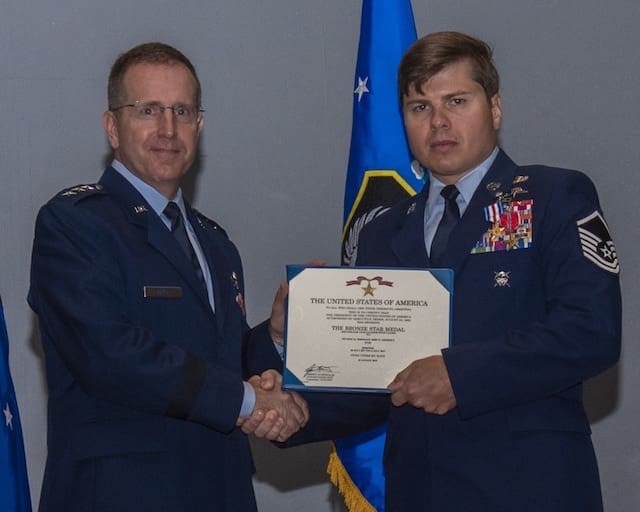
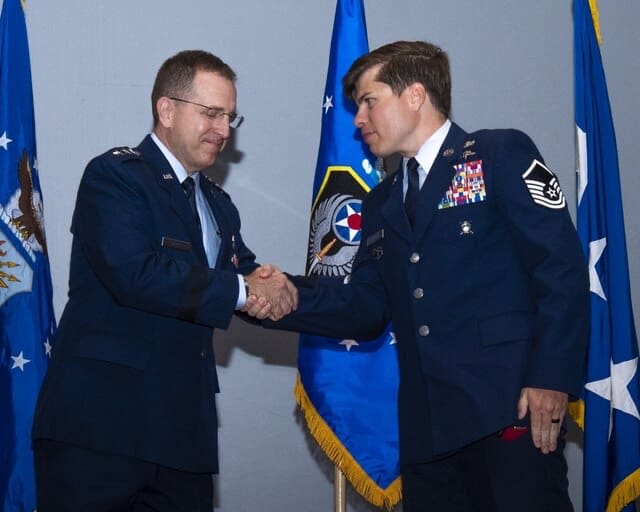
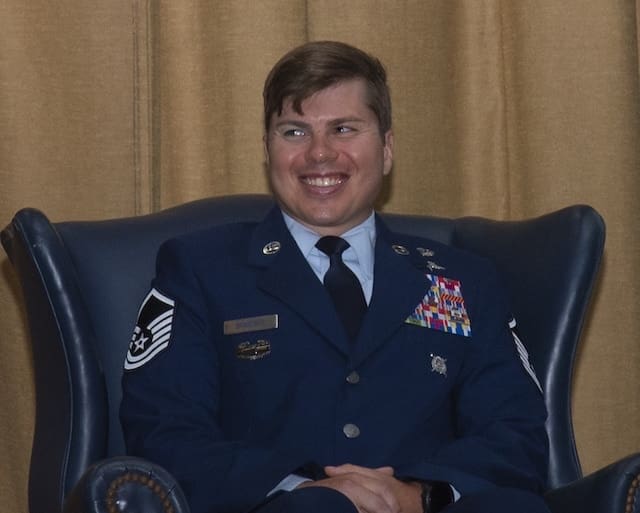
POPE FIELD, N.C. – A Special Tactics Airman was awarded the nation’s third highest award for valor, the Silver Star Medal, during a ceremony at Pope Field, N.C., Aug. 14, 2020.

Master Sgt. John Grimesey, a Special Tactics combat controller with the 21st Special Tactics Squadron, 24th Special Operations Wing, was recognized for his efforts in Afghanistan in 2013. He not only saved the life of a fellow special operations troop, but called in multiple airstrikes while being under attack by the enemy.

It was supposed to be a routine mission. Then again, no mission in Afghanistan in 2013 was “routine.” The objective was to clear and secure a village in Ghazni Provence to establish local Afghan police presence without the threat of opposition forces. Grimesey and his team partnered with the local Afghan police and together they set out to clear the area. Until one of the teams encountered a large band of Taliban fighters.

“Our Afghan team got separated and started to take on enemy fire,” said Grimesey. “Myself and an Army Special Forces Solider maneuvered to provide assistance and quickly found ourselves engaged with the Taliban.”

When Grimesey peered around the wall to gain situational awareness, he noticed the wounded and dead Afghan police officers, to include the police chief. It was then Grimesey was struck by a rocket propelled grenade. “I remember the ringing in my ears,” recalled Grimesey. “I knew I was concussed from the blast because of the ringing, my vision was blurry and I was fatigued.”

Despite suffering a concussion and shrapnel wounds, Grimesey was able to drag his Army Special Forces teammate away from the immediate danger zone and assess the situation. “I snapped into a problem solving mode,” he said. “The situation was dire and the only way to solve it was to rely on my extensive training and attempt to break down the large problem into small chunks. I had to prioritize with what I was being faced with.”

The Special Tactics combat controller was able to call in additional support from other Army Special Forces units, and from aircraft for close-air-support; all the while engaging in a fire fight with opposition forces. “Eventually we were able to gain control and eliminate the Taliban resistance while also finishing the mission to secure the village,” he said.

Grimesey said it was later discovered there was a Taliban training team who had made their way to the village thus drastically increasing the number of fighters they encountered.

Lt. Gen. James Slife, commander, Air Force Special Operations Command, presided over the ceremony and remarked on Grimesey’s actions.

“You may not call yourself a hero Master Sgt. Grimesey, but I do,” said Slife. “Because of your actions that day, families and friends did not experience loss. The men whose lives you saved will continue to positively impact those around them creating a chain of reaction that ripples across generations.”

“I think about it every day. I even dream about it,” reflected Grimesey. “It’s an event that left an impression on me. While it was a harrowing experience, I look back with great pride and believe that my team and I were able to save lives and help ensure the security of the village.”

Grimesey’s Silver Star Medal was upgraded from an Army Achievement Medal. During the ceremony he also received the Bronze Star Medal, second oak leaf cluster with Valor for another battle in the Middle East in 2017.

As Grimesey looks ahead to start his medical retirement process, he remembers his time in the Special Tactics community fondly, “If there are any other young men and women out there looking for a community with a sense of purpose and opportunity to make a positive impact on the world at large, they don’t have to look any further than Air Force Special Tactics.”

Special Tactics Airmen are U.S. Special Operations Command’s tactical air to ground integration force, and AFSOC’s special operations ground force, leading global access, precision strike, personnel recovery and battlefield surgery operations. Since 9/11, Special Tactics Airmen have received one Medal of Honor, 11 Air Force Crosses and 49 Silver Star Medals making Grimesey’s the 50th.

By Capt Katie Spencer

Hide and Seek: Stalking With US Marine Scout Sniper Course Students

Saturday, August 15th, 2020

CAMP PENDLETON, Calif. —

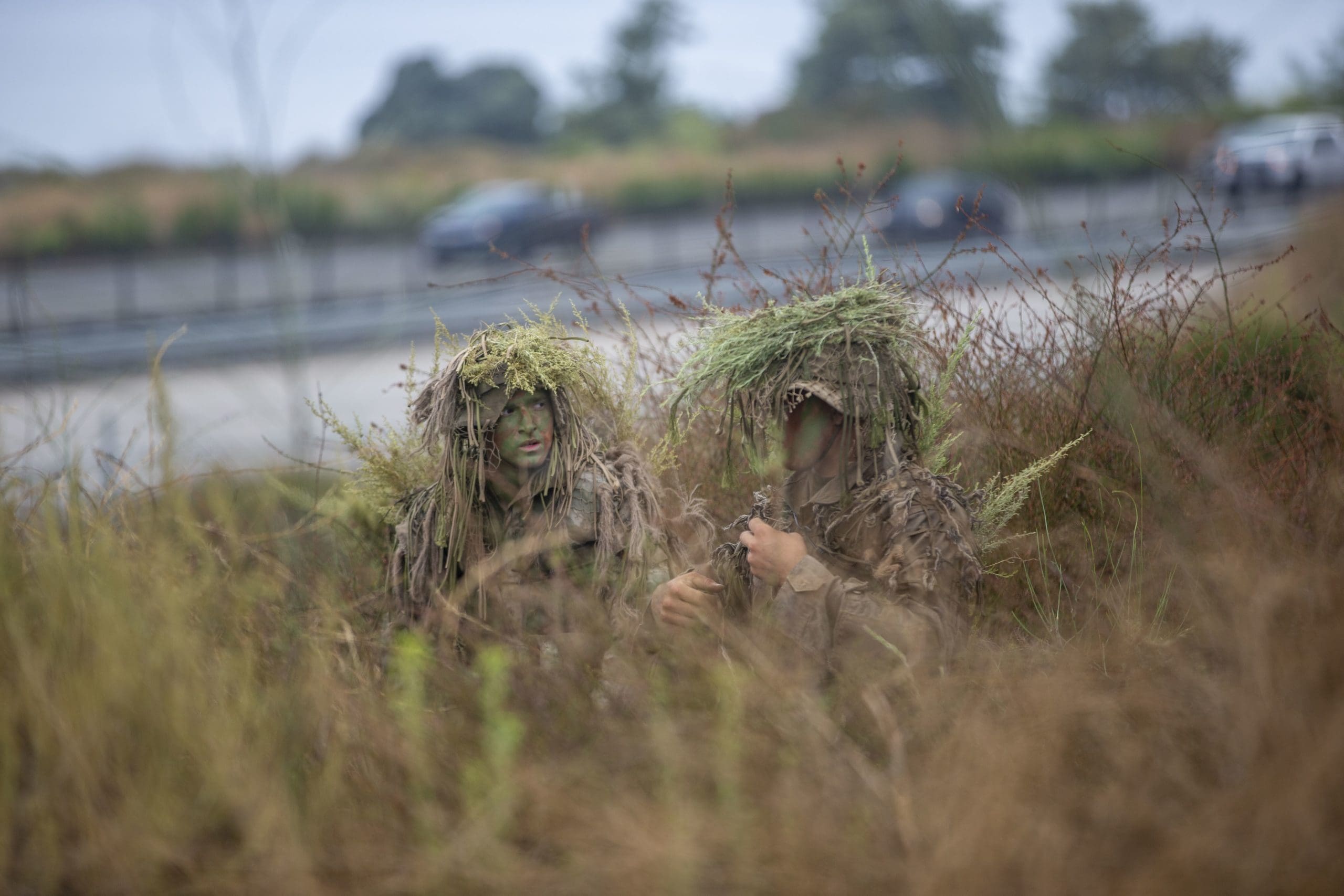
U.S. Marines with the Scout Sniper Course 2-20, Reconnaissance Training Company, Advanced Infantry Battalion, School of Infantry – West, participated in a stalking and infiltration course in the Romeo Training Area on Marine Corps Base Camp Pendleton, July 26.

The Marines started at a designated grid point then moved forward by various means toward two observers. The objective was to close with a target, fire two shots and then exfiltrate from the training area. The trick is the Marines had to do it all without being detected by the observers. To help them in that, the Marines applied camouflage paint and built their own ghillie suits.

“The most important part of this exercise, in my opinion, is learning how to properly utilize camouflage,” said U.S. Marine Staff Sgt. Steven O’keefe, an instructor with the Scout Sniper Course. “The Marines must also learn to utilize the things in front and around them.”

Some challenges that add to the difficulty of stalking exercises are the different types and height of vegetation in the area, route selection, size of the area and the time of day.

 “The most important part of this exercise, in my opinion, is learning how to properly utilize camouflage.”

Staff Sgt. Steven O’keefe, Scout Sniper Course instructor

Camp Pendleton has over 25 stalking lanes for sniper training. The training areas differ by vegetation, size of the area and terrain.

Prior to this training the students participated in land navigation, classes on the basic infantry skills, live-fire exercises and other stalking lanes.

“The hardest part for me was moving to the final firing point without being detected,” said Lance Cpl. Norman Ballard a student with the Scout Sniper Course. “The vegetation in this lane is also taller, so that makes the final firing point difficult to find in this lane.”

The class started with over 20 Marines and is now expecting to graduate 14 when the 12-week course ends in late August. Between now and then, the Marines will conduct more ranges and stalking lanes, before finally ending with a culminating event that puts all the skills and knowledge they’ve gained from the course to the test.

By LCpl Drake Nickels

Marine Corps Base Camp Pendleton

SOLGW – Loyal 9 – Leave Your Ego At Home. Train.

Friday, August 14th, 2020

Leave your ego at home. Train. Drills with Sage Dynamics (Aaron Cowan), Green Ops Inc (Michael Green), and Veil Solutions (Chris Woomer).

www.SOLGW.com

FirstSpear Friday Focus – Strandhogg MBAV Cut

Friday, August 14th, 2020

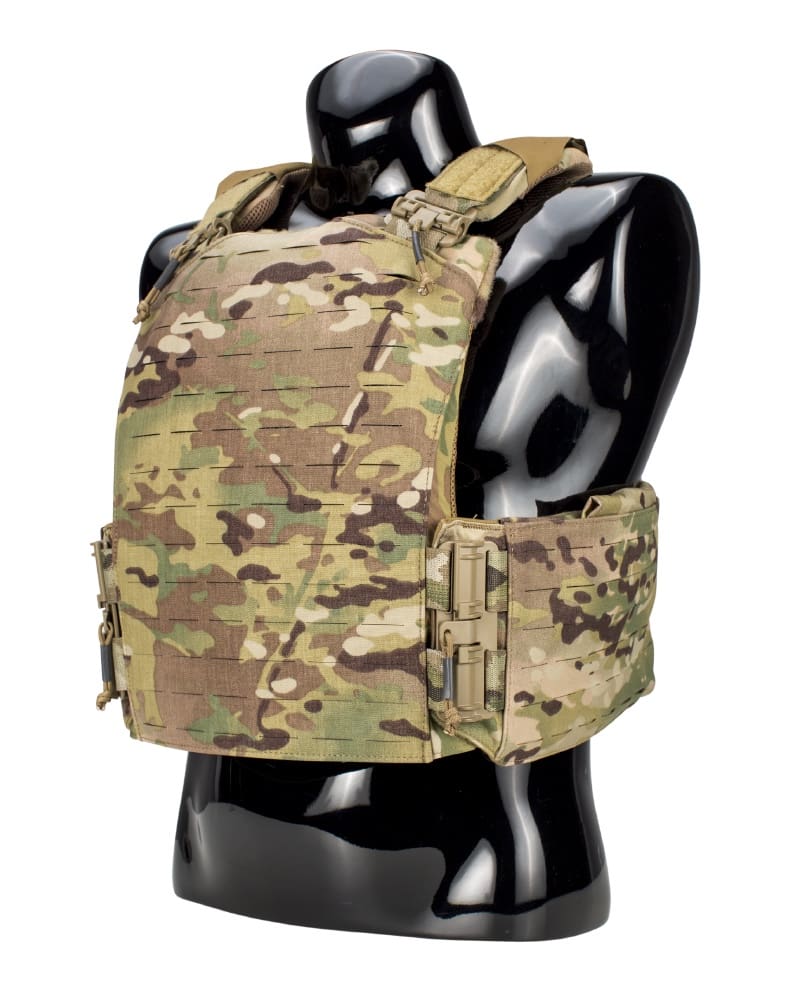
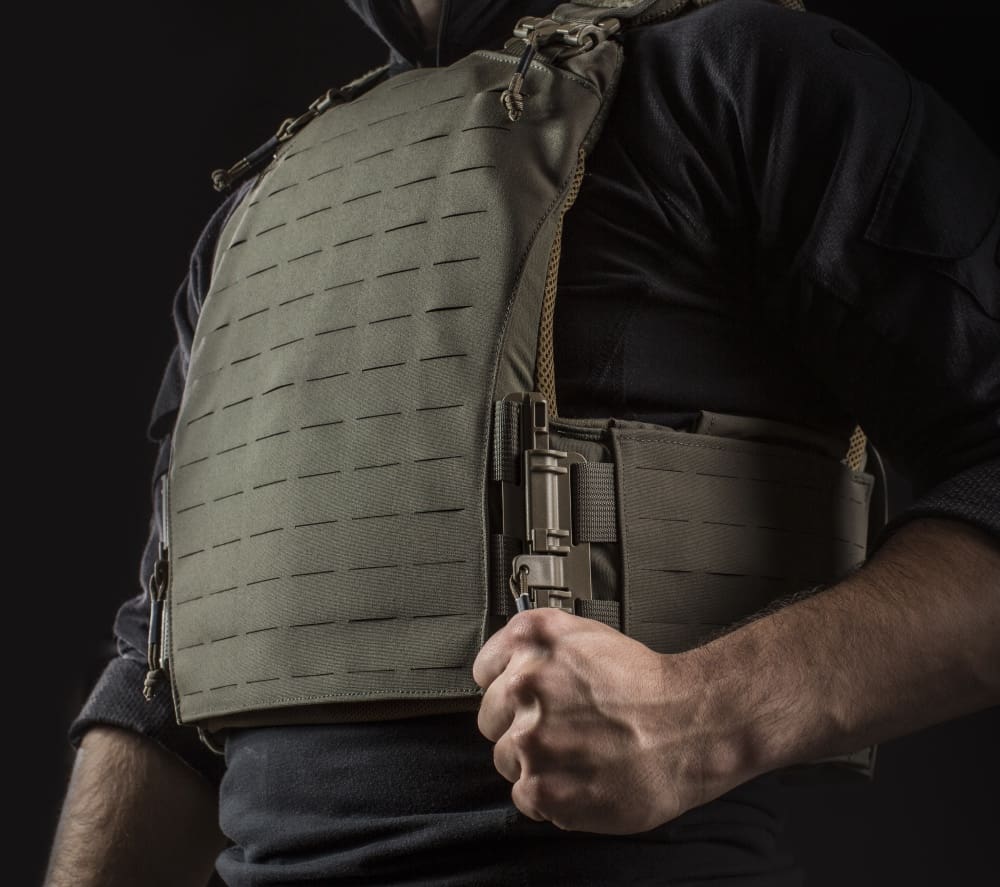
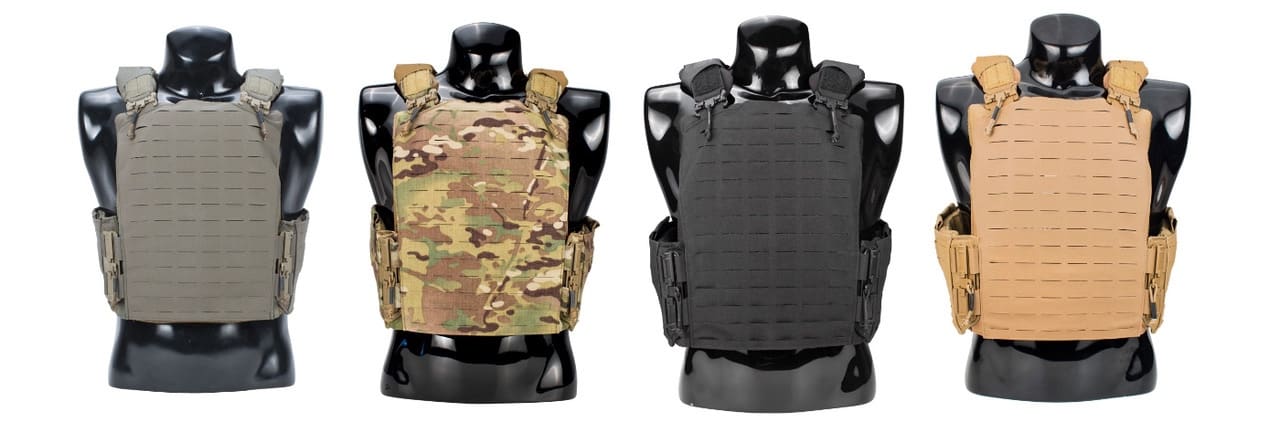
Today we are getting a closer look at one of FirstSpear’s flag ship body armor systems, the Strandhögg MBAV cut plate carrier. The Strandhögg is a full featured vest that incorporates FirstSpear patented 6/12™ Laser Fused Platform and patented Tubes™ Rapid-Release buckle system. The MBAV cut is identical to the SAPI cut Strandhögg except for the top part of the plate bag was designed to accommodate a wider variety of ballistic plates and soft armor coverage options allowing the user to choose which cut is best for them.

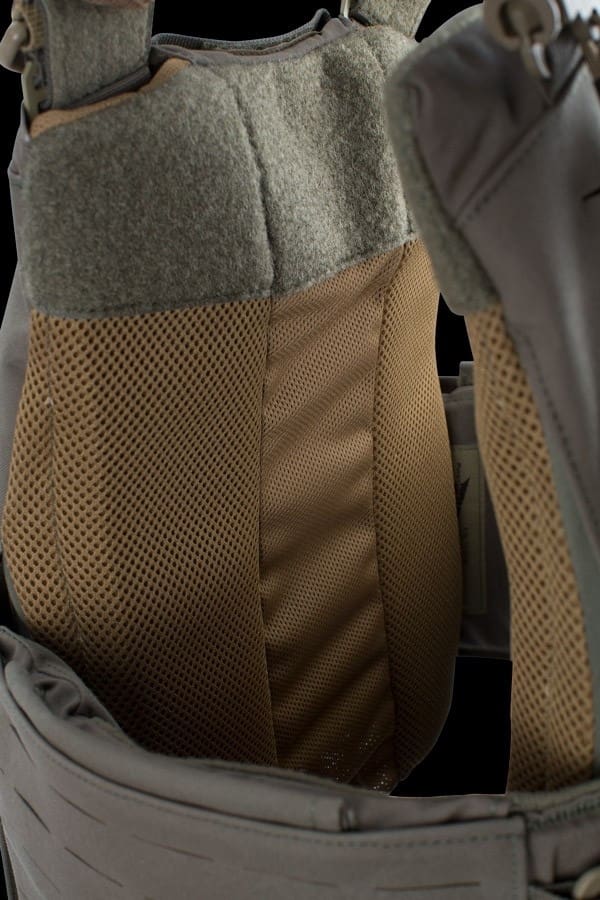
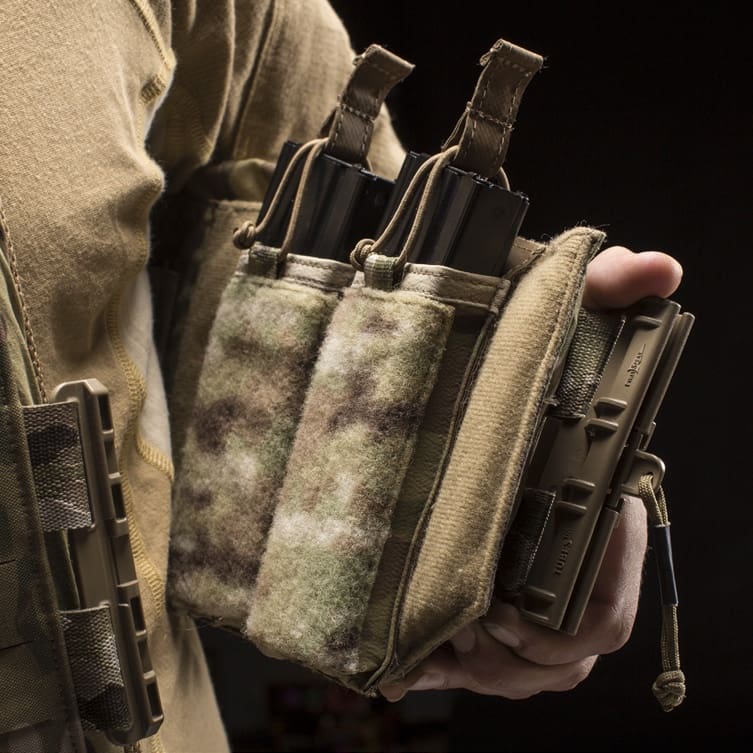
The Strandhögg comes standard with the popular overlap cummerbund that will accept soft armor, side plates, and hook backed pockets on the body side of the cummerbund. Enjoy fast drying comfort padding in the shoulders, front and back plate bags with a built in channel and anti-microbial mesh to help direct airflow and keep the operator cool. Premium USA construction with top of the line materials and manufacturing innovations all designed to increase the lethality and survivability of the operator.

100% American Made with US Materials (Berry Compliant). In-stock and now shipping in black, ranger green, Multicam, and coyote.

www.first-spear.com/strandhogg-mbav-cut-plate-carrier

Robotic Combat Vehicles Display Next-Gen Features in Live-Fire Exercises

Friday, August 14th, 2020

FORT CARSON, Colo. — The Army’s collection of armed robotic combat vehicles showcased an “exceptional” ability to identify enemy positions after about a month of testing, but more development is still needed to improve battlefield precision, said Brig. Gen. Richard Coffman.
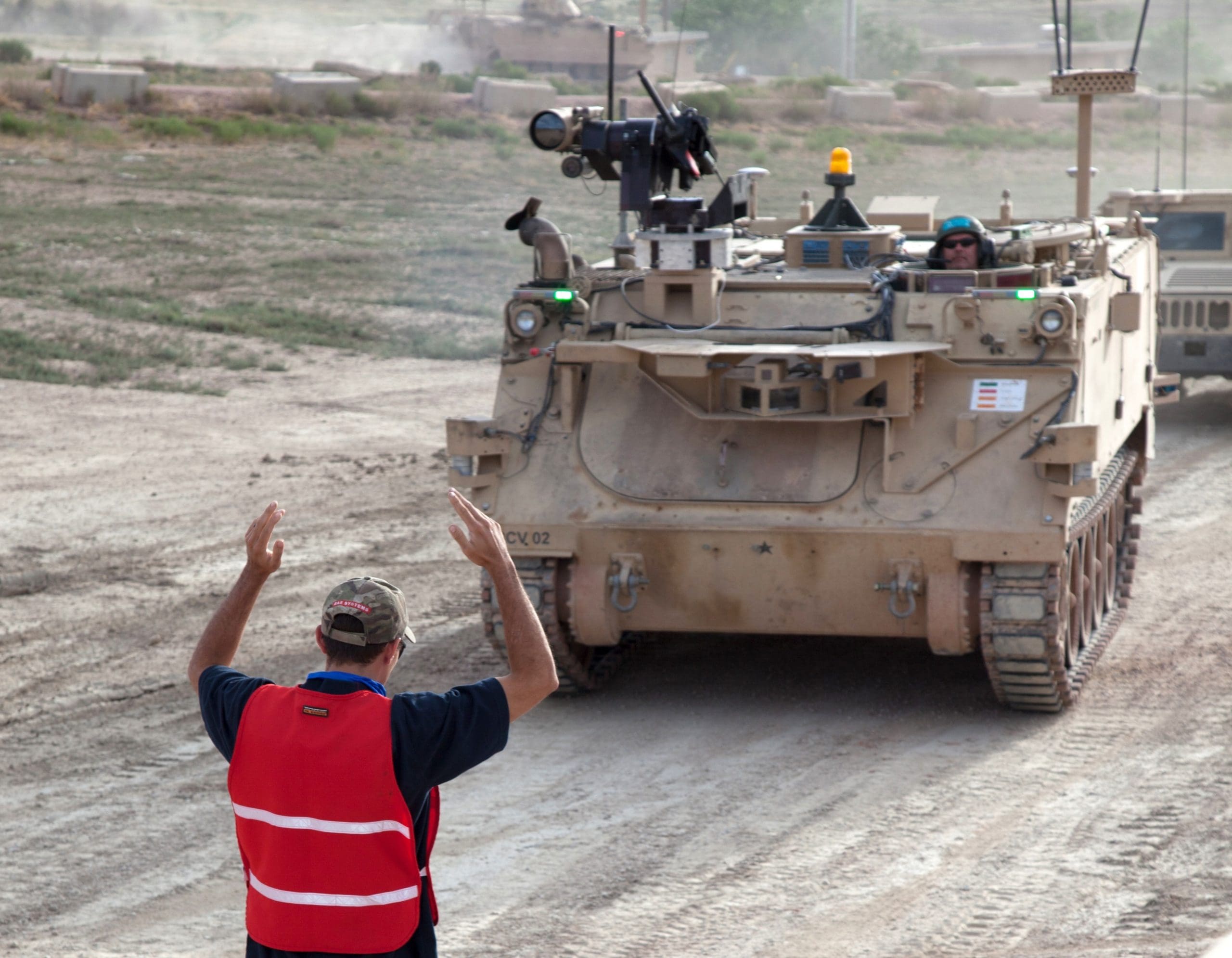
Coffman, director of the Next-Generation Combat Vehicle Cross-Functional Team, praised the capabilities of the four robotic combat vehicles, or RCVs, during the platoon live-fire exercises here.

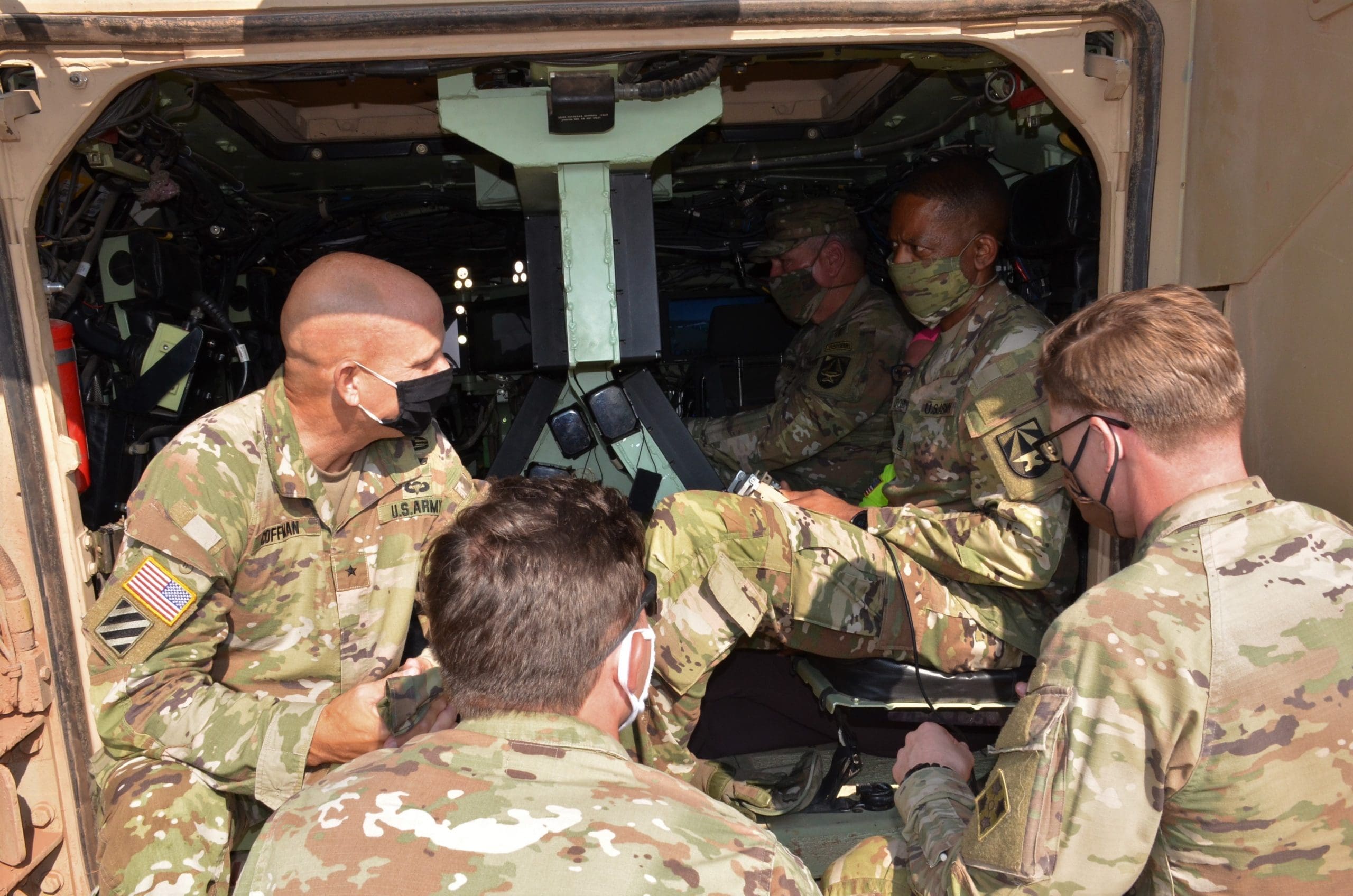
Soldiers from the 4th Infantry Division used two modified Bradley Fighting Vehicles, called Mission Enabling Technologies-Demonstrators, or MET-Ds, to control and maneuver the RCVs to determine whether the autonomous vehicles increased the lethality and efficiency of ground units.

“The ability [to spot enemies] was exceptional, because that reduces the risk on our Soldiers and allows us to remain in a covered and concealed position and make decisions,” Coffman said during a media conference call Thursday.

The MET-Ds, which are manned with six Soldiers, have 360-degree situational awareness cameras, a remote turret with a 25 mm main gun, and enhanced crew stations with touchscreens. The RCVs are M113 surrogate platforms that also have 360 cameras and fire 7.62 mm machine guns.

From inside the MET-Ds, Soldiers were able to control the RCVs up to a 2,000-meter range, but struggled to extend that distance in dense forest regions, Coffman said.
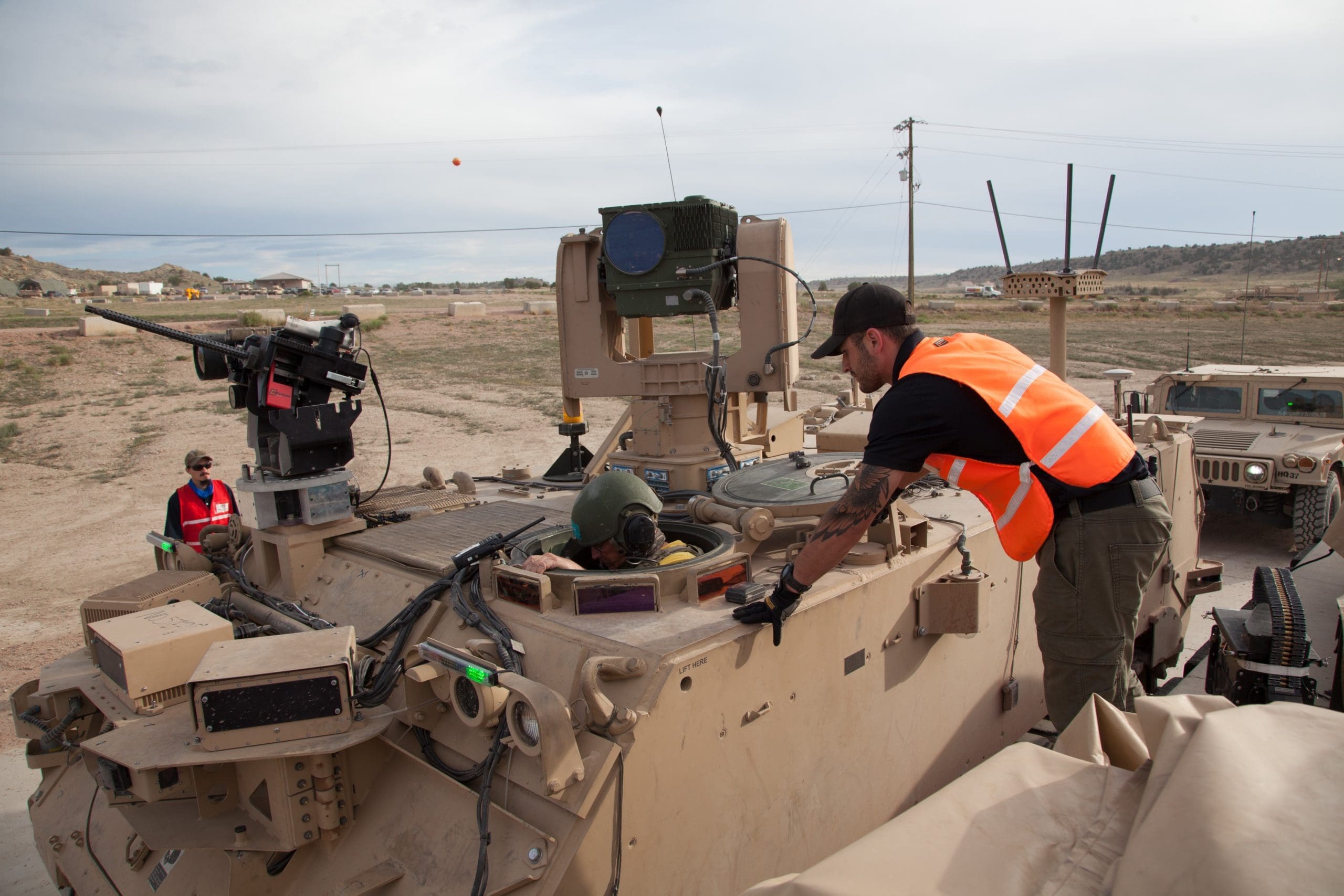
Developers plan to add more features to the vehicles in Phase II of testing, including a new radio tether to increase the operating range, an unmanned aerial vehicle and a target recognition capability based on synthetic data. Phase II, which is scheduled for the first quarter of fiscal year 2022 at Fort Hood, Texas, will feature three platoons of robotic vehicle with control vehicles.

“This is about commanders on the battlefield and giving them more decision space and reducing the risk on our men and women,” Coffman said. “We go into the nastiest places on earth. And these robots are absolutely going to do that in the future. We’re not there 100% yet.”

A third party will evaluate the technical and tactical performance of the operating crews and robotic vehicles, as well as the overall success of the experiment. The findings will then be briefed to the service’s senior leaders.

After the evaluation of Phase II’s results, Coffman said the Army will decide whether to continue testing.

Room for improvement
Soldiers testing the autonomous vehicles noted that greater sensory capabilities must be developed for the controlled vehicles to serve as unmanned replacements.

“Right now we don’t have sensors that can tell whether we’re coming across a little puddle that we can just drive through or whether that puddle is 8 feet deep and going to bog us down,” said Jeffrey Langhout, director of the Army Combat Capabilities Development Command’s Ground Vehicle System Center. “A robot can navigate its own way and it relies on the sensors that it has to keep from driving into ditches and all kinds of problems. We certainly have a long way to go on that.”

Sgt. Matthew Morris, assigned to 3rd Armored Brigade Combat Team, 4th ID, said the lack of downward visibility hindered operation of the RCVs. He said the vehicle’s ability to see down steep terrain must improve to prevent the vehicle from overturning.

When a human drives a vehicle into soft sand they instinctively know to shift to a lower driving gear and the RCVs must develop that sensitivity, Coffman said.

“For me specifically, I think that the ability to see downward once we approach certain inclines and declines would probably be an astute upgrade that would push us forward in the right direction,” Morris said, adding the vehicles must increase its audio signature to increase communication abilities with crew members.


Vehicle operator Sgt. Scott Conklin, who is also with 3rd ABCT, said that the two-person crew could handle the increased workload, but the frenetic pace of operating with the 360 cameras made the RCVs challenging to operate.


Coffman said regardless of how the program evolves, he said humans will retain a level of autonomy over the robotic combat vehicles.

“We don’t want a fully autonomous vehicle,” he said. “We don’t want the machine deciding. We want very specific rules of what that machine will and will not do. The humans are in charge.”

By Joseph Lacdan, Army News Service