GORE-TEX Professional

Archive for the ‘Guest Post’ Category

The McRae Industries Story – Part 4, An Inclusive Culture

Friday, December 13th, 2019

> After a Communist government came to power in Laos in 1975, the U.S. was a safe destination for displaced Lao and Hmong. McRae Footwear helped many refugees start a new life in Mount Gilead, NC.

Welcoming Laos refugees to the McRae workforce

DURING THE VIETNAM WAR, the U.S. secretly recruited thousands of citizens in Southeast Asia, including Laos, to support the war against the Communists and North Vietnamese. In the mid-1970s, when the U.S. pulled out of these countries, many Southeast Asians fled. They led their families on perilous treks to refugee camps in Thailand and other countries. In the late 1970s and throughout the 1980s, many Lao and Hmong, a mountainous tribe with its own ethnic designation, emigrated to the U.S. to start a new life. They settled mainly in Minnesota, Wisconsin, California, and North Carolina.

“The language barrier at times made training difficult, but the Lao and Hmong had an excellent work ethic and made – and continue to make – a huge contribution to our business.”
— Victor Karam, Director, McRae Industries

Supporting the Laotian community with jobs

One prominent Laotian military officer who fought alongside the U.S. armed forces was Geu Vang, an army colonel fluent in seven languages. After settling in Minneapolis, MN, with his family in 1981, he soon assumed a leadership role in helping Lao and Hmong refugees adapt to their new American lives.

“Our people were suffering,” says Geu. “They had lost everything. Many were deeply depressed. I wrote a letter to several organizations in the U.S., seeking job opportunities for refugees so they would not be reliant on public assistance.”

Mass exodus: Scores of Lao and Hmong sought refuge in Thailand – and many eventually moved to the U.S.

Mass exodus: Scores of Lao and Hmong sought refuge in Thailand – and many eventually moved to the U.S.

Branson McRae, president and CEO of McRae Industries, received Geu’s correspondence and invited Geu to visit him in Mt. Gilead, NC, in 1987. Looking to add employees to his shoe factory in Wadeville, Branson was drawn to the Lao and Hmong work ethnic and spirited sense of community. Geu saw tremendous opportunity for his people and relocated with some 20 families to Mt. Gilead to start work with McRae. Jobs ranged from sewing to inspecting boots and operating lasting and vulcanizing equipment.
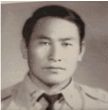
A new life across the ocean: Geu Vang, a former Laotian army colonel, was instrumental in acclimating Laotians to America.

A new life across the ocean: Geu Vang, a former Laotian army colonel, was instrumental in acclimating Laotians to America.

Building a village

Branson owned a tract of land in Wadeville and decide to put it to good use by providing housing for his new employees. He added 20 mobile homes on one-and two-acre lots on a hillside near the plant, offering each Lao and Hmong family a lease-to-own contract. Soon dotted with chicken farms and vegetable gardens, the community was christened Samthong Village. Translation: “Pot of Gold.” The development was within walking distance of the McRae factories and community schools.

Today, Samthong Village is home to 30 Lao and Hmong families. Geu and his wife, MayKao, who have six children and seven grandchildren, continue to be cornerstones of the community. Along with his liaison work, Geu teaches a Laotian Sunday School class at Mt. Gilead First Baptist Church and serves on the Board of Deacons.

Building community: Laotian culture is preserved for the Lao and Hmong living in the Mount Gilead area.

Building community: Laotian culture is preserved for the Lao and Hmong living in the Mount Gilead area.

Living the good life

Lao and Hmong employees currently make up about 15 percent of McRae’s workforce.

“The company gives its workers many incentives for productivity, ” Geu says. “The more boots produced, the more the take-home pay. McRae also provides generous health insurance and a partial match on a 401K plan.”

“Branson had a huge vision for our community, and he listened to our needs. He gave us a new start. He helped us to become independent. And he continues to inspire each new generation.”

A generous heart: Branson McRae is remembered as a benevolent employer and engaging mentor to the Lao and Hmong community.
A generous heart: Branson McRae is remembered as a benevolent employer and engaging mentor to the Lao and Hmong community.
mcraefootwear.com

FirstSpear Friday Focus – Helmet Hut

Friday, December 13th, 2019

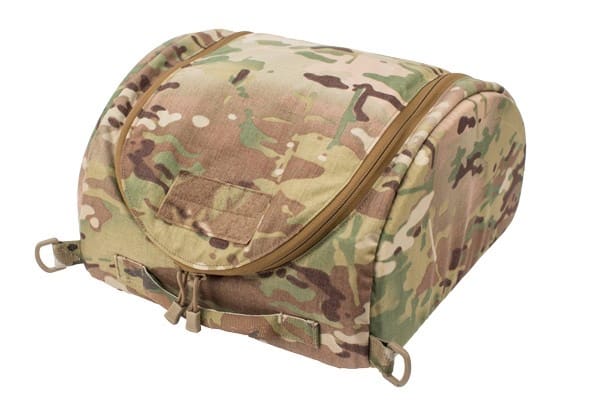
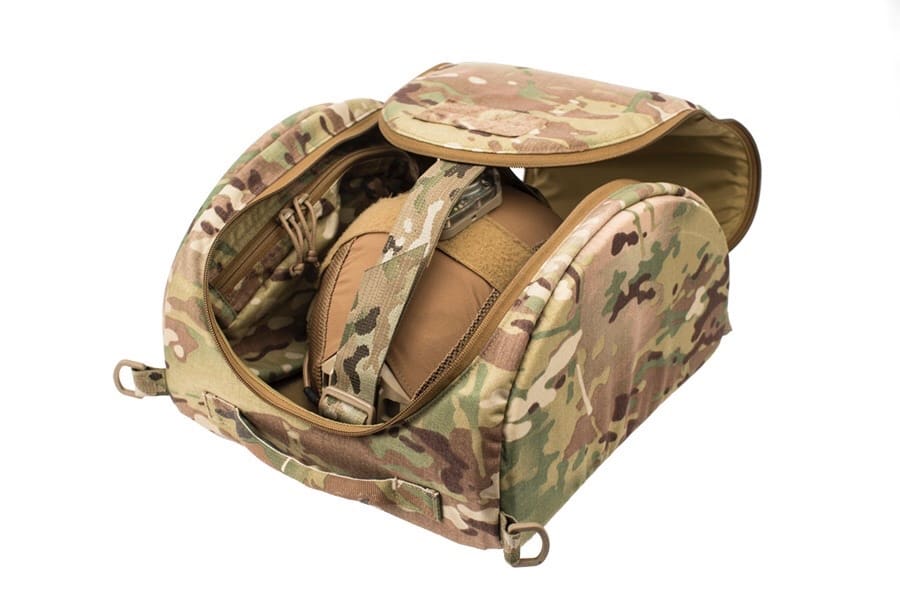
Today we are getting a look at a very popular FirstSpear item we got the first look at all the way back in 2012, the Helmet Hut. Designed specifically to transport and protect a bump lid or ballistic helmet the overall design has gone unchanged for many years simply because it works so well.

Internal security strap keeps the helmet in place inside the fully padded case during transport. Extra room inside as well as multiple internal pockets provides storage for sensitive electronics.

Like most FS products the Helmet Hut is 100% American made with USA Materials.

Available now in Black, Coyote, Ranger Green, and MultiCam.

www.first-spear.com/helmet-hut

SureFire Field Notes Ep. 51 with Bill Rapier. How to Draw for the Fight.

Thursday, December 12th, 2019

Bill Rapier of Amtac Shooting discusses the necessity of a one handed draw and how to create space in a combative scenario.

Bill Rapier spent 20 years in the U.S. Navy SEAL teams with the last 14 as a member of the Naval Special Warfare Development Group (DEVGRU). His assignments included assaulter, breacher, sniper, team leader, troop chief, and military working dog department senior enlisted adviser. Bill is a black belt in Brazilian Jiu-Jitsu under Gustavo Machado (Virginia Beach), has been training in Sayoc Kali since 2006, and has trained in western and Thai boxing as well. Bill is now the owner/operator of American Tactical Shooting Instruction & Amtac Blades.

www.amtacshooting.com
amtacblades.com
www.surefire.com

Advanced Manufacturing Techniques Set To Cut Costs, Timelines For US Army

Sunday, December 8th, 2019

ARLINGTON, Va. — The Army’s advanced manufacturing push intends to cut production timelines and costs throughout the lifecycle of systems, said an Army acquisition officer.

“Can you imagine how great it would be if we could just not have any parts in the logistics system, only raw materials, and we would just print the part at the point of need, right?” asked Maj. Gen. David Bassett, program executive officer for Command, Control, and Communications – Tactical, or C3T, during a panel discussion Wednesday.

That vision has become synonymous with advanced manufacturing, he said during the Association of the U.S. Army’s “Hot Topic” forum on Acquisition and Contracting.

Advanced manufacturing forges innovative technologies to “create new, or improved products or processes,” said Paul Mehney, C3T public communications director.

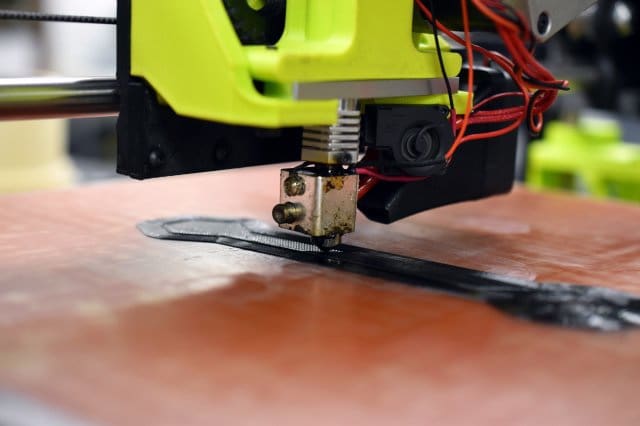
One technique, additive manufacturing, incorporates 3D printing, robotics, artificial intelligence and composite materials. But according to Bassett, that’s just a fraction of what the new push entails.

Over the last several months, C3T project managers have partnered up with the members of the Army’s Command, Control, Computers, Communications, Cyber, Intelligence, Surveillance and Reconnaissance Center — known as the C5ISR — at Aberdeen Proving Ground in Maryland and applied 3D printing techniques for network integration efforts.

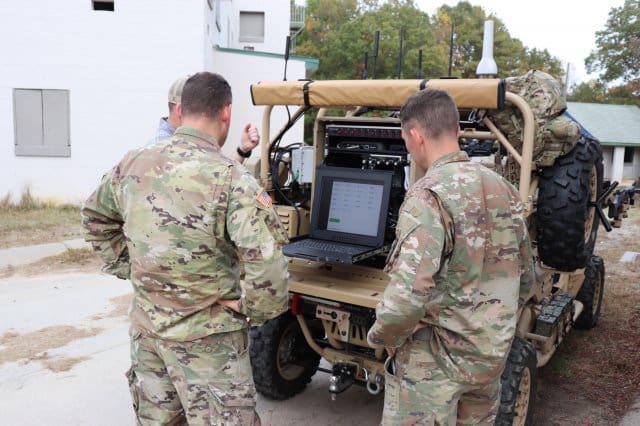
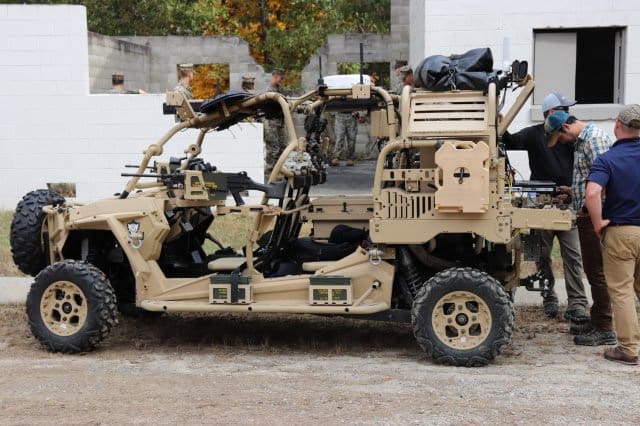
At the proving ground, they have been prototyping radio, gateway and server racks, and mounting brackets on lightweight military vehicles to support network enhancement efforts of the Integrated Visual Augmentation System.

“The use of 3D printing enables developers to experiment with form/fit/function of different mounting systems and also allows developers and integrators to quickly incorporate Soldier feedback,” Mehney said.

To enable network connectivity for the Integrated Visual Augmentation System, developers are prototyping an integrated network enhancement kit called the Bloodhound, Mehney said.

Bloodhound is a network communications gateway and data management kit currently integrated onto light vehicles — but it is platform agnostic, he said, meaning it runs equally well on more than one platform.

During recent IVAS Soldier Touchpoint experimentation, infantry Soldiers and Marines provided feedback on the location of network systems on the Bloodhound, and made suggestions to improve form and fit of integrated network components.

“Future IVAS network capabilities may include data synchronization over narrow band SATCOM [Satellite Communications] with up to 75% reduction in component payload size, which will allow for network kit integration into combat and tactical vehicle platforms,” Mehney said.

IVAS network capability integration on the Stryker and Bradley platforms are both already in motion.

“3D manufacturing techniques will allow additional prototypes to be made as more Soldier feedback in development and operations is received, and as additional vehicle platforms are identified for network kit integration,” Mehney said.

Last month, the U.S. Army Combat Capabilities Development Command Soldier Center, in partnership with the University of Maine, procured the world’s largest 3D printer, to further bolster collaboration with industry leaders.

The printer will enable the rapid creation of large products for the Soldier, said Professor Habib Joseph Dagher, Advanced Structures and Composites Center executive director at the college.

Once a design configuration is locked, design plans developed out of advanced manufacturing techniques will be handed to industry for production.

Although the Army fostering of advanced manufacturing methods and materials are in its early stages, the service’s industrial base “must rapidly innovate to keep pace with industry and adversaries exploiting” their own advanced methods and materials, according to an Army statement.

But digital engineering is only the start, Bassett said. “Techniques [with advanced manufacturing] are now available to us that should aid in efficiency, and allow us to build things we never could have envisioned.”

In other words, 3D printing is only a part of advanced manufacturing and it “looks across the entire lifecycle of the system, starting with design, manufacturing and sustainment,” Bassett said.

“If you start to build a system this way,” he said, “when you get to sustainment, you should be able to identify what parts you can manufacture in different ways.”

The Army’s new manufacturing policy is made up of three elements: strategic investment, systematic adoption, and deliberate and thoughtful use, said Brian Raftery, acting deputy assistant secretary of the Army for strategy and acquisition.

Strategic investment must “develop a holistic, threat-based strategy for the investment in and use of advanced methods and materials” and open the door for outside partnership with industry leaders, he added.

The second principle integrates advanced manufacturing technology upfront, and throughout the system’s lifecycle, Raftery said.

And lastly, advanced manufacturing will be deliberate and used thoughtfully, he said. This means it will keep in mind aspects of things like return on investment and intellectual property implications.

Story by Thomas Brading

First photo by SSG Armando R. Limon

SCUBAPRO Sunday – How Elvis Saved the U.S.S. Arizona

Sunday, December 8th, 2019

The Japanese attacked on Pearl Harbor killed 2,403 military and civilians personal. A further 1,178 people were injured in the attack. 19 ships were sunk or damaged, and 188 aircraft destroyed. The efforts of the greatest generation raised all but three (The Arizona, The Utah, and The Oklahoma). 


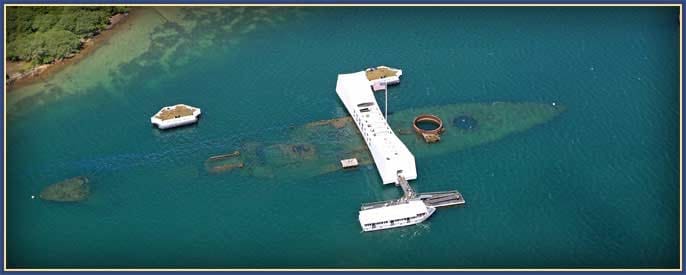
The wreck of the Arizona immediately became a memorial. Passing ships rendered honors to the Arizona and her crew throughout WW2 and still due to this day. Proposals for a permanent memorial started as early as 1943, but not until 1949 did an organized effort began to take shape with the creation of the Pacific War Memorial Commission (PWMC). As the PWMC considered ideas to formally recognize the role of Hawaii during the war, which would include a memorial to the Arizona, Admiral Arthur Radford had a flagstaff placed on the wreck in 1950. He ordered that the colors be raised at the site every day. This modest memorial was later expanded to include a wooden platform and a commemorative plaque.

In 1958, President Dwight Eisenhower signed Public Law 85-344 that allowed the PWMC to raise money on the Navy’s behalf for the construction of a memorial to the Arizona. A fundraising goal of $500,000 was set and the initial response from the public was promising. An episode of the popular T.V. series This is Your Life dedicated to Medal of Honor recipient Rear Admiral Samuel Fuqua. (Then Lieutenant Commander Fuqua serving as the U.S.S. Arizona ship’s Damage Control Officer and first lieutenant, and was on board her during Japan’s December 7, 1941, attack on Pearl Harbor. Though knocked unconscious by a bomb that hit the ship’s stern early in the attack, he subsequently directed firefighting and rescue efforts. After the ship’s forward magazines exploded, he was her senior surviving officer and was responsible for saving her remaining crewmen.)

That initial call for donations raised over $95,000. However, the project quickly stalled as donations dried up. By the start of 1960, only $155,000 had been raised.  

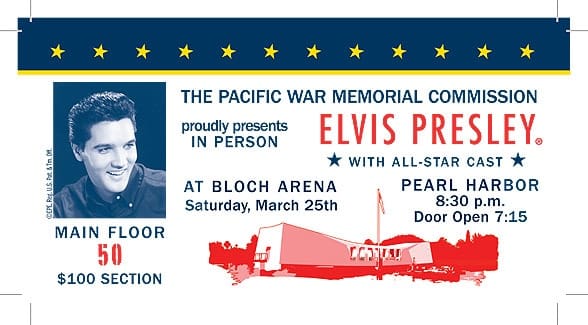
“Colonel” Tom Parker read about the struggling campaign in a newspaper and spotted an opportunity. As Elvis Presley’s manager, he was eager to get a bit of positive publicity for his client who had been out of circulation for a couple of years after being drafted into the U.S. Army. Parker surmised that a benefit concert for the U.S.S. Arizona Memorial would raise much-needed awareness of the fundraising campaign while also demonstrating that Elvis still had drawing power. Elvis was not only pleased to be able to perform for an audience. He was a patriot who genuinely believed in the cause and wanted to help.



The PWMC accepted Elvis’s generous offer and began making arrangements with the Navy to use the 4,000 seats Bloch Arena at Pearl Harbor as the venue for the concert. It was the same arena that had hosted the “Battle of Music” the evening before the attack in 1941. The “Battle of Music” was a spirited competition to determine the best ship band in the Pacific Fleet. Although they had been eliminated from contention, the band from Arizona was present and played dance music for the attendees. They would never perform again. The entire band was killed in the explosion on the ship the next morning.

With the venue secured and the show scheduled for March 25, 1961, Parker set ticket prices ranging from $3 to $100 and announced that everyone would have to buy a ticket to see the show. Rank usually has its privileges. Still, Parker seemed to take pleasure in rebuffing admirals and generals who approached him about complimentary tickets. When he said he everyone had pay, he meant everyone had to pay — even the performers. Elvis bought a $100 ticket for himself then bought dozens more to give to staff and patients at a military hospital.

After a brief introduction by Rear Admiral Robert Campbell of the 14th Naval District, Elvis took the stage as hundreds of teenagers screeched in excitement. The King looked resplendent in his signature gold lame jacket with silver sequin lapels. He let out a brief yell of his own in response to the ecstatic audience before launching into his hit “Heartbreak Hotel.” All accounts state that Elvis was in peak form, giving an enthusiastic and energetic performance that included favorites “All Shook Up,” “Don’t Be Cruel,” “Are You Lonesome Tonight,” and “It’s Now or Never.” He finished the show with a rollicking version of “Hound Dog,” during which he slid across the stage on his knees. The 15-song set, and 45 minutes of stage time were among the longest of his career. The concert would also be his last for 8 years.

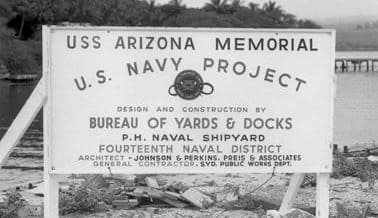
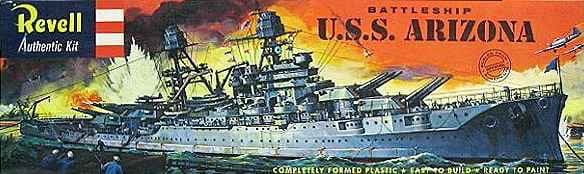
The benefit was a resounding success. Ticket sales accounted for $47,000 with additional donations ($5,000 coming from Elvis), pushing the total take to over $60,000. Funding for the memorial was still well short of its target. Still, the electricity of Elvis had generated the jumpstart the campaign needed. In 1961, Hawaii Senator Daniel Inouye got legislation passed to secure another $150,000 in federal funds. Money began to flow from other sources. The combination of public funds and private donations (including $40,000 from Revelle raised through sale of model kits of the Arizona) reached the goal of $500,000 by September 1961 – just 5 months after the concert. The end of the year completed

construction on the memorial.

The U.S.S. Arizona Memorial was officially dedicated on May 30, 1962. Elvis certainly took pride in his role in building a permanent memorial to the crew of the Arizona. He made several visits to the site on subsequent trips to Hawaii. The memorial has reached its own iconic status and welcomes 1.5 million visitors a year.

Elvis did not forget the Arizona, and the Navy did not forget Elvis. When Elvis passed away in 1977, the Navy showed its gratitude by placing a wreath for him at the U.S.S. Arizona Memorial.

Much of today’s upkeep comes from the fundraising of the American Veteran (AMVETS), a veteran’s service organization that helped to secure around $250,000 in total for the memorial during the 1950s. The organization is responsible for the upkeep of the white marble wall inscribed with the names of the men who perished aboard the U.S.S. Arizona. In 1983, and again in 2014, AMVETS raised funds needed to replace the deteriorating Wall of Remembrance.

MARSOC Takes Certification Exercise To The Next Level

Saturday, December 7th, 2019

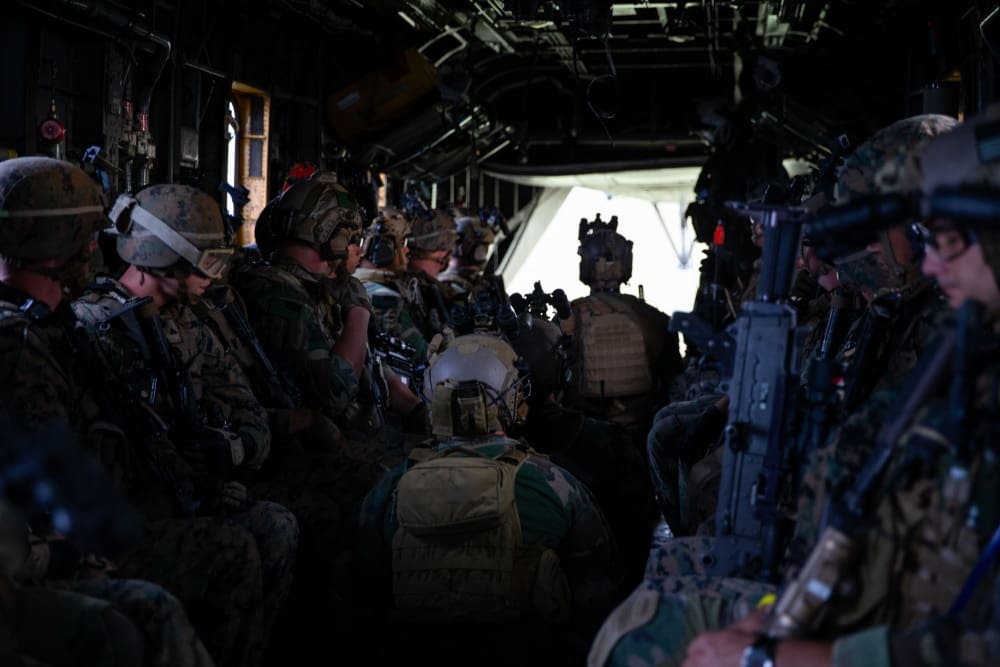
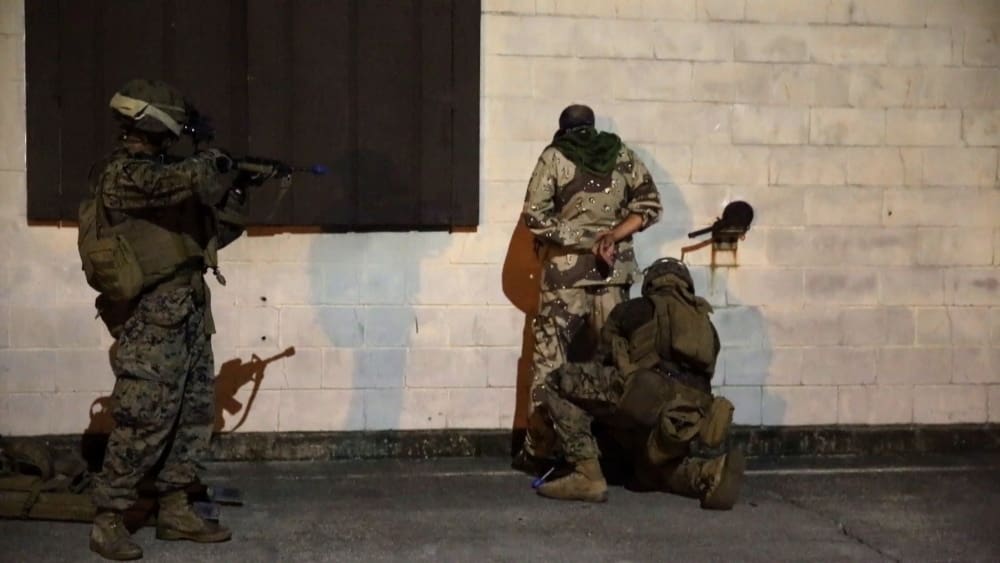
Marine Forces Special Operations Command recently concluded a series of exercises in the Gulf Coast region aimed at streamlining integration of forces at various command levels. The three-10-day exercises were a collaborative effort between MARSOC, governmental agencies and other stakeholders to evaluate Marine Special Operations units deploying in support of Theater Special Operations Commands and Combined Joint Special Operations Task Forces across the globe.

RAVEN Unit Readiness Exercise serves as the certification exercise for a soon-to-be deploying Marine Special Operations Company. It has evolved into a multilevel venue to integrate the various command structures and capabilities deployed by MARSOC. Each level of command, down to the team, is challenged in planning and executing, and command and controlling activities in urban environments. Through RAVEN, the MARSOC commander ensures operational readiness and capability of Marine Special Operations Forces to conduct special operations missions across a range of military operations and domains. It tests Marine Raiders’ individual and collective abilities to synchronize operations, activities, and actions in the information environment with those in the physical environment to affect decision making and mission planning.


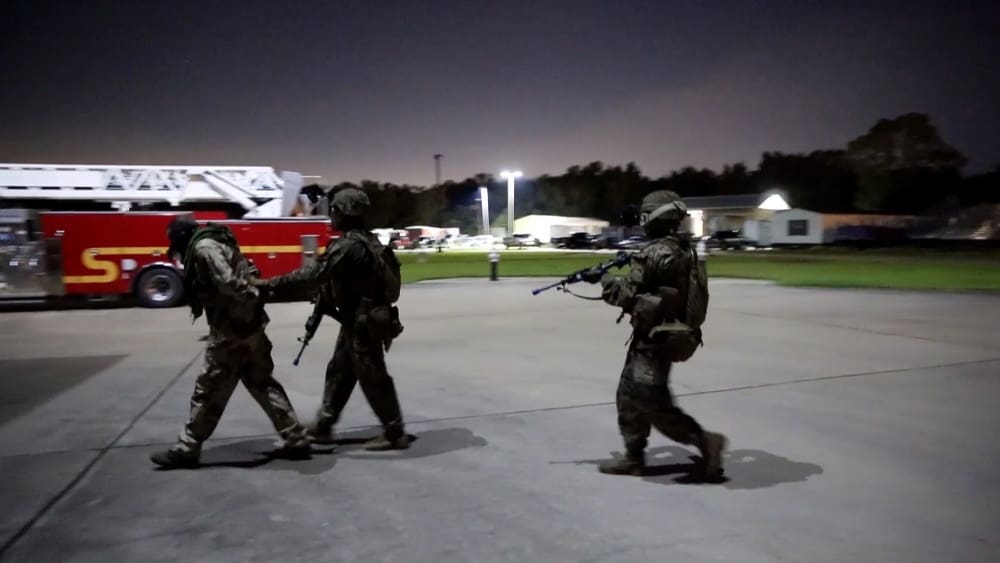
Since its inception in 2012, the unit readiness exercise has become increasingly complex. What was originally done at Fort Irwin, Calif., has expanded to several locations throughout Alabama, Louisiana and Mississippi. Teams were spread across a 100-mile area, with the exercise operations center at the National Guard Base in Gulfport, Miss. The decentralized approach is intended to mimic the challenges in communication, planning and logistics when evaluating considerations for mission execution.

“RAVEN’s scenario design incorporates current and future dynamics the joint force may encounter to present exercise participants challenges across the range of military operations,” according to a former company commander, now the special operations officer in charge of the entirety of training execution. “Within this, participants must account for the implications of tactical actions across operational and strategic levels. The great thing about RAVEN is that it lets a unit execute full spectrum operations in a realistic military training environment without any requirements to support the exercise.”

It is also an opportunity to enhance collaboration and strengthen our operational relationships between members of the SOF community, conventional Marine Corps units and other partners with whom Marine Raiders work closely, ensuring MARSOC provides the nation with an agile, adaptive force to meet the complex demands of the future operating environment.

“RAVEN incorporates lessons learned from academia, the joint force, and redeploying MARSOC units to maintain a realistic and current exercise. The [Exercises, Training and Education Branch] consistently seeks incorporation of experimental and new technology, equipment, and TTPs into the exercise providing exposure to the force, and testing and evaluation feedback under simulated real-world conditions,” said the OIC. “This enables the exercise the ability to immediately implement the Commander’s initiatives while quickly adapting to emerging indicators of the future operating environment.”

The exercise also capitalizes on the opportunity to further streamline the integration of other SOF and conventional forces.

“SOF are inherently reliant on support from joint forces across conventional and SOF formations. Conventional forces gain the exposure and experience of working aside SOF units and the joint force improves interoperability with both SOF and conventional forces. As Marines, [Raiders] are intimately familiar with the task organized Marine Air-Ground Task Force concept. Our understanding of the MAGTF, and both USMC and SOCOM concept allow us to improve institutional and operational cooperation through interdependence, interoperability and integration with conventional forces,” said the former company commander.

For this particular exercise, MARSOF integrated with conventional Marine Corps assets from Marine Heavy Helicopter Squadron 366 from 2nd Marine Aircraft Wing, 3rd Battalion, 6th Marine Regiment, and 2nd Reconnaissance Battalion from 2nd Marine Division and 3rd Assault Amphibian Battalion from 1st Marine Division. There was also integration of Air Force Special Operations Command assets from the 73rd and 319th Special Operations Squadrons, and the 178th Attack Squadron; and Army Special Operations Task Force. These units were able to come together and execute missions beginning at the target development phase all the way through mission execution.

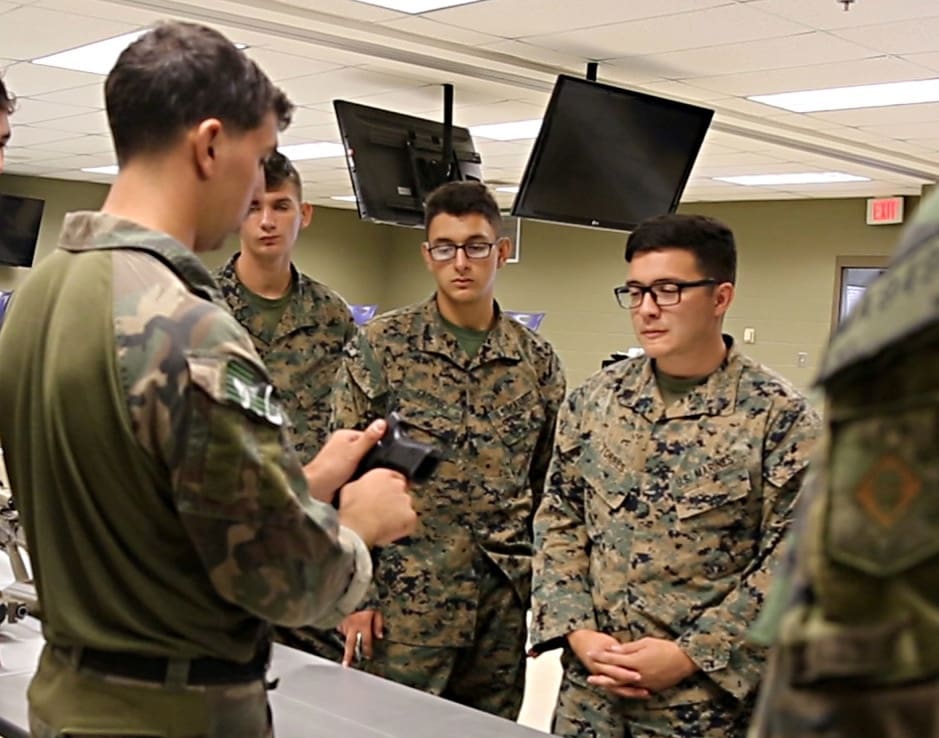
“This is the kind of stuff you envision when you join the Marine Corps,” said one of the platoon commanders from 3rd AABN. “You can see the added excitement and engagement from my Marines who are getting the added exposure to infantry skills that may have some carry over for when we have to operate with infantry Marines in the future,” he added. His team of 15 Marines conducted weapons familiarization, close quarters battle drills and planned and executed a raid with the MSOT they were attached to.

For the MAGTF Marines, the training conducted at RAVEN provides exposure to small unit tactics they might not otherwise receive, particularly units like 3rd AABN, whose day-to-day responsibilities are focused on amphibious assault vehicle readiness, basic formations and water ops, and terrain driving.

At the MARSOC company level, RAVEN is the last in a series of training evolutions within the 180-day training cycle an MSOC will execute in preparation for deployment. At this point, units are refining and streamlining processes. Considerations for mobility, sustainment, and logistics all require additional planning and coordination, according to a critical skills operator and team chief evaluated during this RAVEN series.

Having first participated in RAVEN as a sergeant, the gunnery sergeant has seen the exercise grow in scale and complexity, providing units the ability to execute the full range of special operations core tasks, special insertion skills, and missions against an opposing force.

“The command has invested quite a bit of time and money into making the training challenging and realistic,” he said. While there are still role players, the scenario is much more developed, requiring in-depth analysis in developing possible targets.”

According to this team chief, another aspect that has improved is the extent of the integration of mentor-evaluators and Exercise Control Group into the training.

“It is an opportunity for the team to cross-pollinate [tactics, techniques and procedures] from units across MARSOC. We all have the same baseline, but it comes to identifying gaps and refining efficiencies, down to things as simple as naming conventions,” he said. “Having been a mentor-evaluator and seeing teams go through the stress of the exercise, it is eye-opening to have that outsider’s perspective. It can be time-consuming, but it spreads the learning across the entirety of the exercise.”

MARSOC conducts the RAVEN series several times a year, alternating locations from the Gulf Coast Region and the Kentucky-Tennessee border two to three times per year, with the next one being conducted in April, 2020.

Story and Photos by Gunnery Sgt. Lynn Kinney , Marine Forces, Special Operations Command

Additional Photos by Photo by Lance Cpl. Elias Pimentel. Marine Forces, Special Operations Command

Air Force Research Labs Enhances Safety of Survival Specialists Through Wearable Health Monitoring Technology

Friday, December 6th, 2019

WRIGHT-PATTERSON AIR FORCE BASE, Ohio –An Air Force Research Laboratory team recently delivered version 2.0 of the Survival Health Awareness Responders Kit (SHARK) to U.S. Air Force instructors at Joint Base San Antonio (JBSA)-Lackland Camp Bullis, a 28,000-acre site in Texas, used to train Survival, Evasion, Resistance and Escape (SERE) specialists.

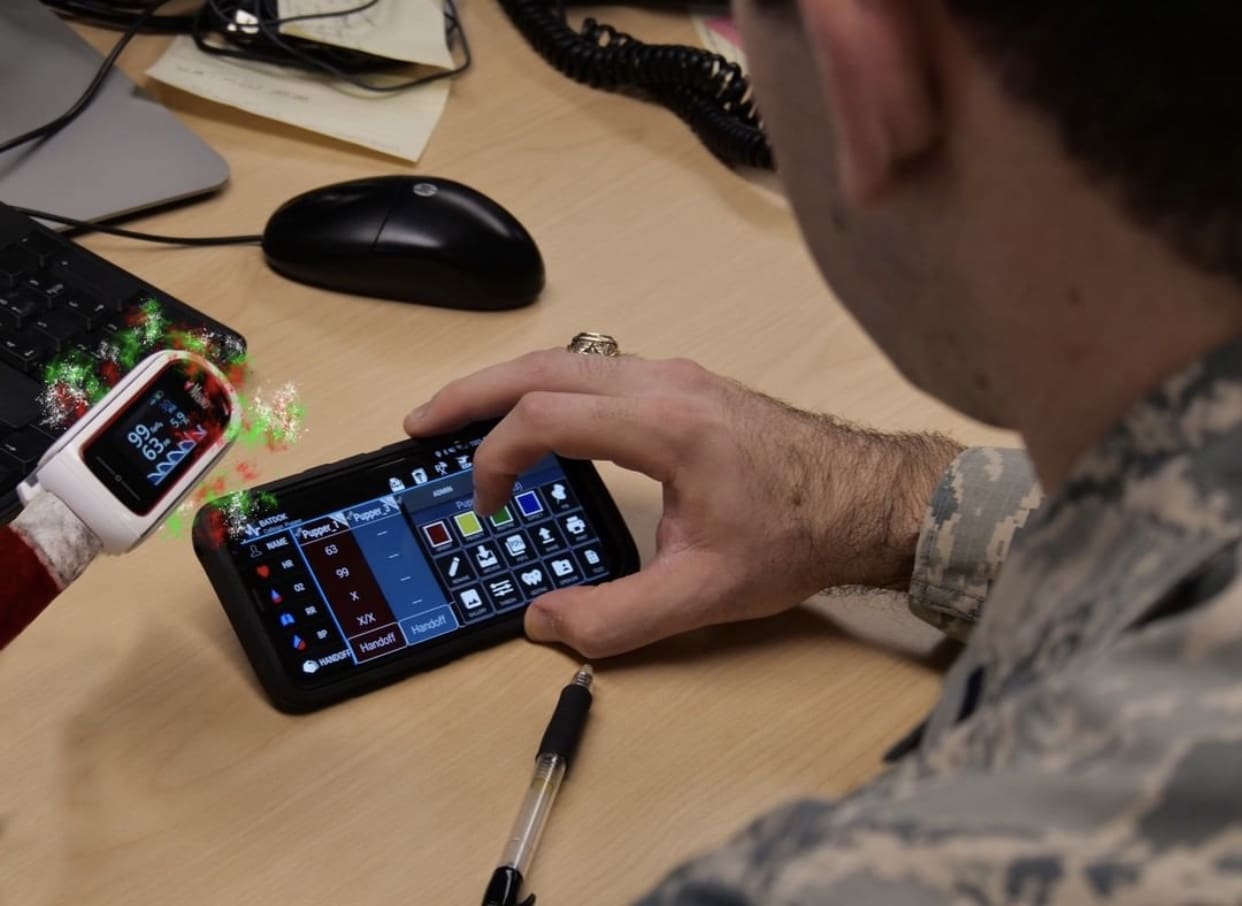
With SHARK, sensors embedded in shirts transmit key metrics including heart rate and estimated core temperature from smartphones to a server. As students undergo physical endurance tests during extended periods of isolation, the system allows instructors to monitor this data in real-time, and issues alerts for heart rate spikes and significant increases in temperature. Since the device identifies the user’s location, medical personnel can quickly respond to those in need of care.

2nd Lt. Matthew Dickinson, a biomechanical engineer within AFRL’s 711th Human Performance Wing (HPW), says that SHARK 2.0 is user-friendly and more secure. He explains that instructors and students alike are pleased with the streamlined setup process and the new web interface.

The commander of Detachment 3, 66th Training Squadron, Maj. Toby Andrews, said he appreciates that SHARK “gives [instructors] real-time alerts on the health and well-being of students.” The system “truly eases my mind as a commander,” he said since it “allows us to provide preventative care [in cases] that could otherwise lead to serious medical situations.”

Prior to SHARK, instructors checked on trainees at regular intervals to ensure their well-being. In certain cases, they administer ice baths to students with elevated body temperatures, said Tech. Sgt. John Garcia, a SERE instructor. However, since the introduction of this monitoring technology, zero ice baths have been required because the system alerts instructors before students reach what they call “the danger zone.”

To develop version 2.0, the SHARK team enlisted the help of Cedarville University students majoring in computer science. Loren Baum, who now works full-time in 711HPW, improved the code for his senior design project.  He optimized the software, added functionality, enhanced the security measures and streamlined the startup process.

Baum explains that the team moved SHARK from the mobile app arena to the web to make the system useable in a wider variety of scenarios. With the new approach, instructors simply log into a website from any computer to monitor students’ health status instead of launching an application, which requires installation and manual upgrades.

The team simplified the startup process with Quick Response (QR) codes that automatically input students’ information when scanned, Baum said. This measure reduced the total setup time from one hour to five minutes, and makes it easier for students and instructors to begin a new session.

In June 2019, the team traveled to JBSA-Camp Bullis and conducted initial tests with version 2.0. Once the team integrated additional software improvements, SERE instructors officially launched the upgrade in September.

The SHARK team continues to work with other squadron key leaders to address related needs. One such application involves using the included heart rate variability measurement to provide real-time feedback regarding students’ reactions to various training stressors.

This data would enable instructors to evaluate the effectiveness of interrogation techniques and determine the extent to which they affect individuals, said 1st Lt. David Feibus, a former software team lead, who is now a student at the Air Force Institute of Technology.

While SHARK is useful in various situations, Air Force instructors currently rely on this tool to offer “strenuous exercises in the safest manner possible,” said Ted Harmer, a 711HPW engineer who also leads a medical readiness personnel recovery training research team. When administering physical tests, instructors must achieve the purpose of the training and minimize negative impacts, whether they be physical or emotional, he explains.

Leadership from AFRL’s 711th Human Performance Wing originally learned about this need for additional safety measures during a visit to the USAF Survival School at Fairchild Air Force Base. School personnel explained that they needed a more proactive solution to monitor students’ health and performance during their rigorous training missions. Due to the ongoing research and development of wearable monitoring technologies in the 711HPW, experts decided the SERE training environment was another place this monitoring technology could improve the safety of SERE students and enhance their training program.

“Going in, we knew we needed a broad range of skillsets,” said Dr. James Christensen, a product line lead within the 711HPW. He explains that to produce an effective system, the team relied on expertise in wearable devices, electronics, software development, communications, human factors and physiology.

“We pulled together capabilities from several different parts of the organization to assemble the sensors, develop the software to pull sensor data together, and then build the communications capability to then send that data and be able to monitor it continuously and remotely.”

Following the initial design and development, the team arranged field tests with end-users. Several team members lived with JBSA-Camp Bullis instructors for one week to test SHARK 1.0 in 2018. Now, a year later, an upgraded system is in the field.

In the meantime, the SHARK team is also working with other groups who are interested in acquiring this technology including firefighters, NASA scientists and U.S. Army Special Forces. Members are currently exploring a version of the system that the Department of Defense Fire Academy can use under fire protection gear to prevent heat injuries.

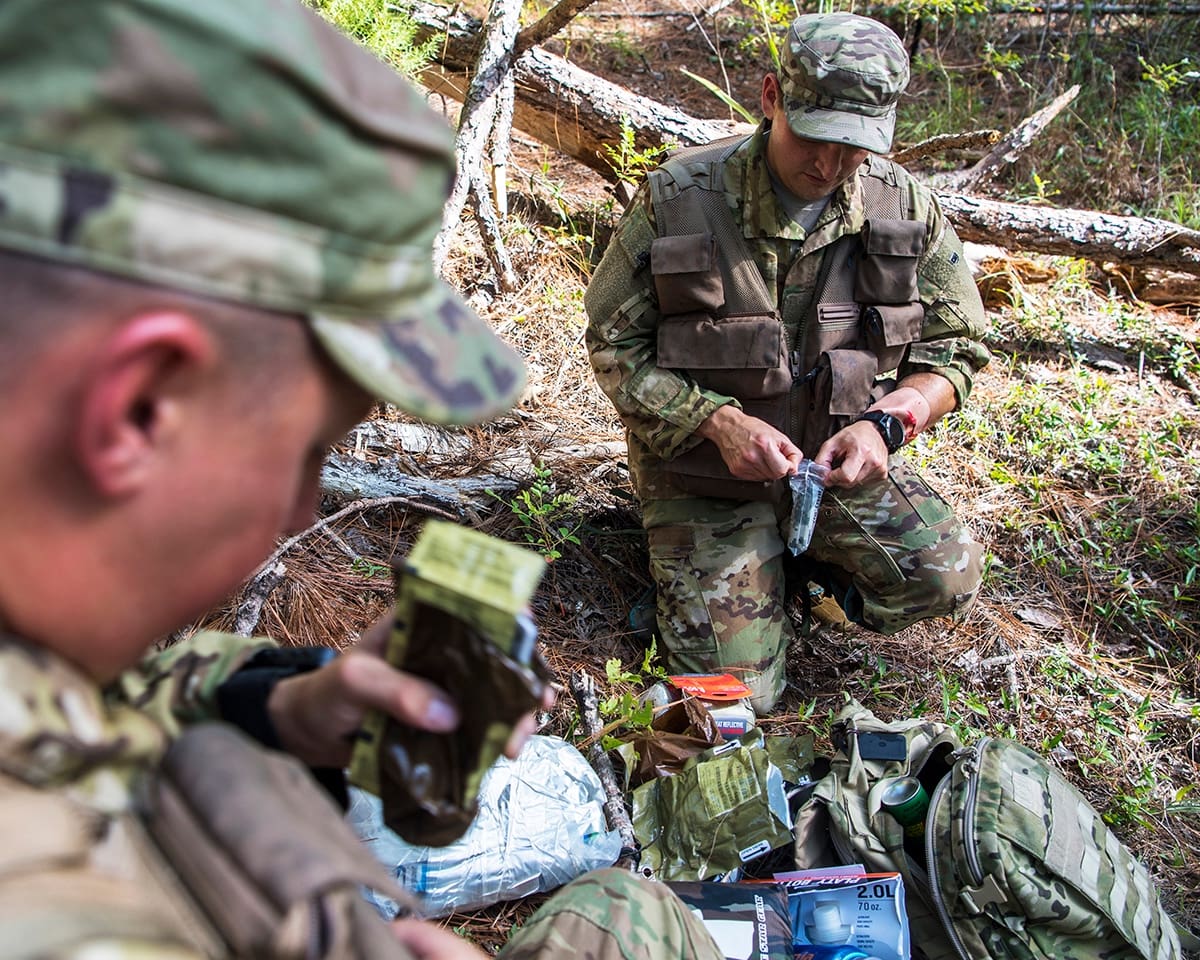
U.S. Air Force Staff Sgt. Randall Moss and U.S. Air Force Master Sgt. William Davis, loadmasters assigned to the 16th Airlift Squadron, sort through survival equipment during a survival, evasion, resistance, and escape exercise August 21, 2019, in North, South Carolina. SERE specialists assigned to the 437th Operations Support Squadron conducted this exercise in order to identify potential areas of improvement in both SERE training and equipment provided to aircrew in case of a potential isolating event. (U.S. Air Force photo/Airman 1st Class Duncan C. Bevan)

FirstSpear Friday Focus – ACM MID 400 Shirt

Friday, December 6th, 2019

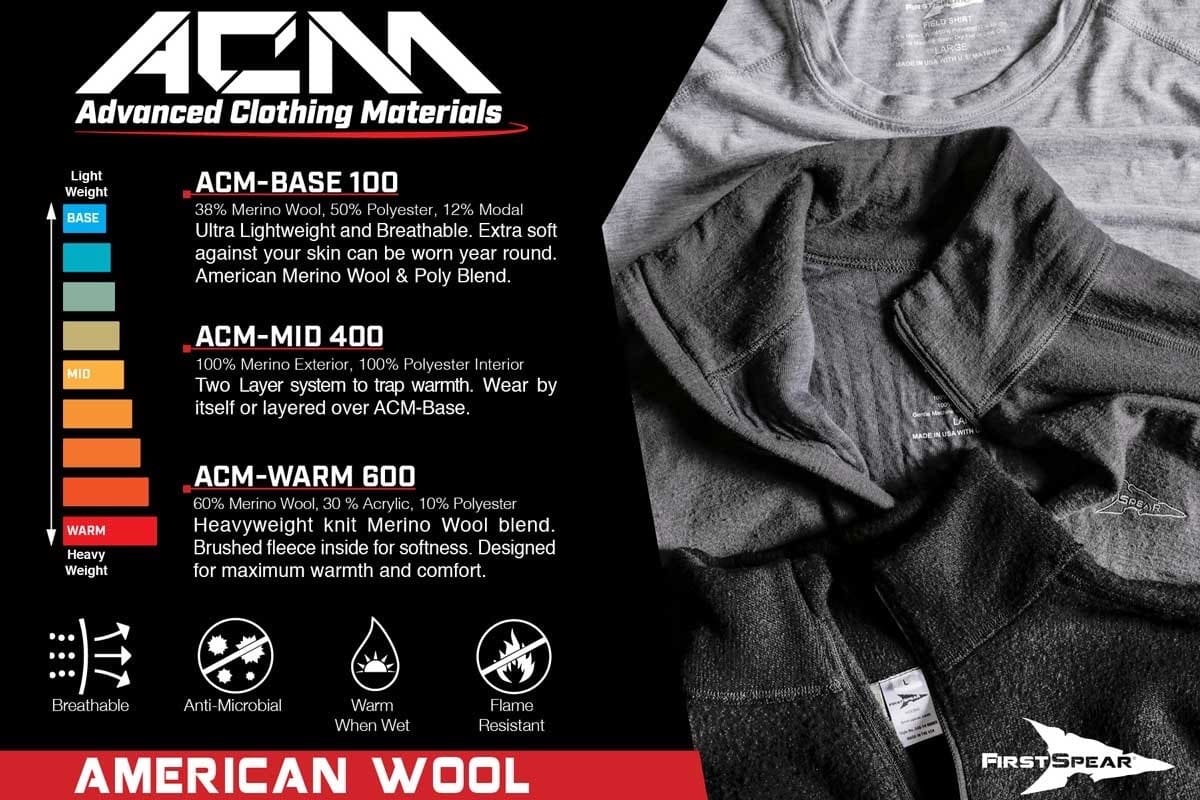
Today we are getting another look at FirstSpear’s USA Merino wool packages.

In previous weeks we saw the lightest weight package ACM-BASE 100 which FS uses in a variety of their lighter weight garments like the field shirt and beanie/neckie. Today we will be looking at the next level up, ACM-MID 400. What makes this merino package so unique is that it is a dual layer material, not a blend. Using a super fine polyester on the interior and merino wool layer on the exterior, this material combo does some very incredible things. When the user sweats or gets wet the poly layer will quickly wick away moisture from the body and transfer it to the absorbent wool layer.

Once the moisture permeates into the wool layer it allows the poly to dry very quickly which helps avoid the typical stink you find with other synthetic layers, additionally wool is naturally antimicrobial which makes it incredibly difficult for the garment to produce bacteria that causes odors in all synthetic base layers. Furthermore, once the moisture is absorbed into the wool layer it will keep the user insulated and warm even when wet. These features provide for exceptionally high performance garments using ACM-MID 400. Today we will get a look at one of the more popular garments using this dual layer material, the FirstSpear Mid Shirt.

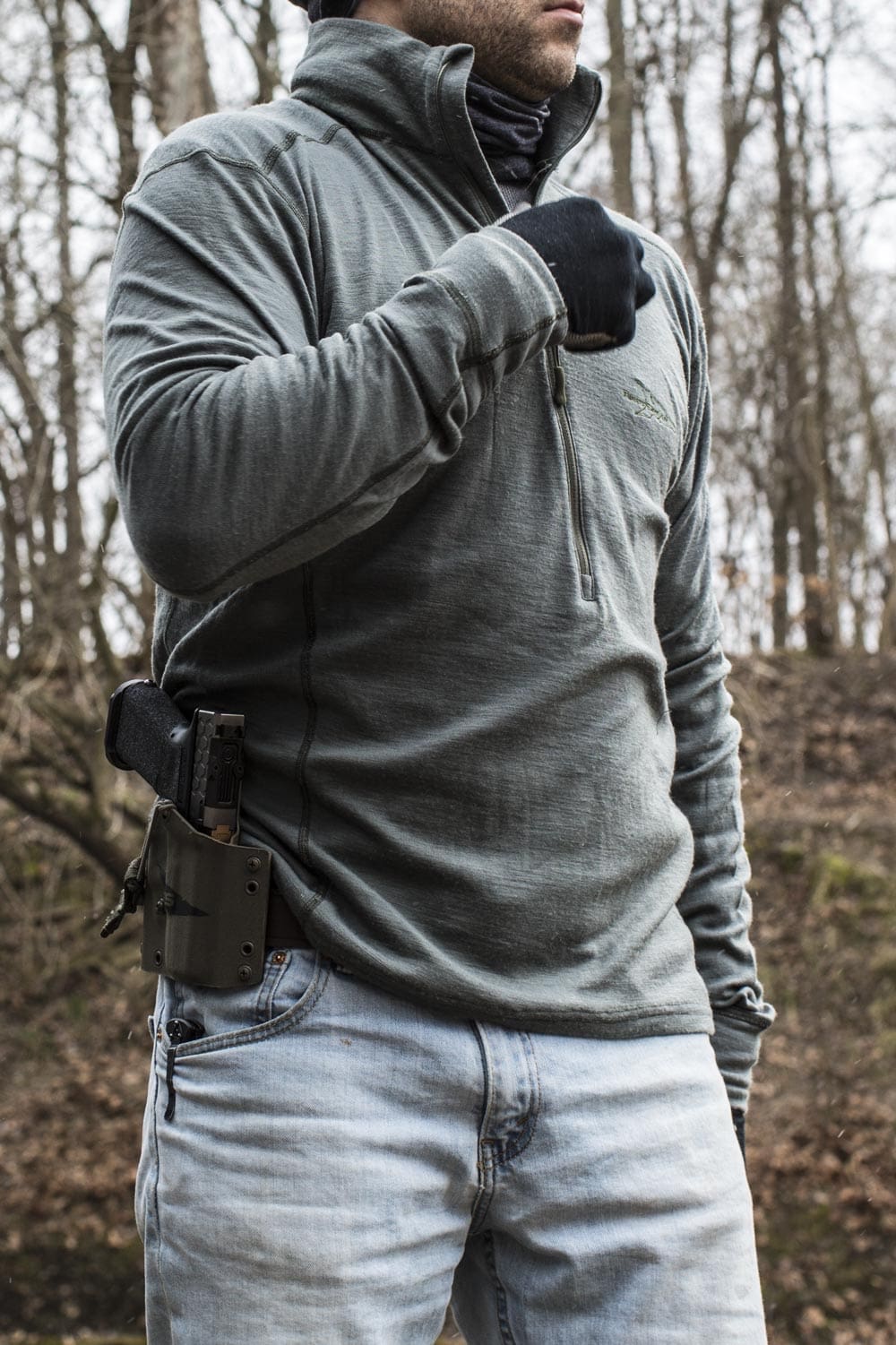
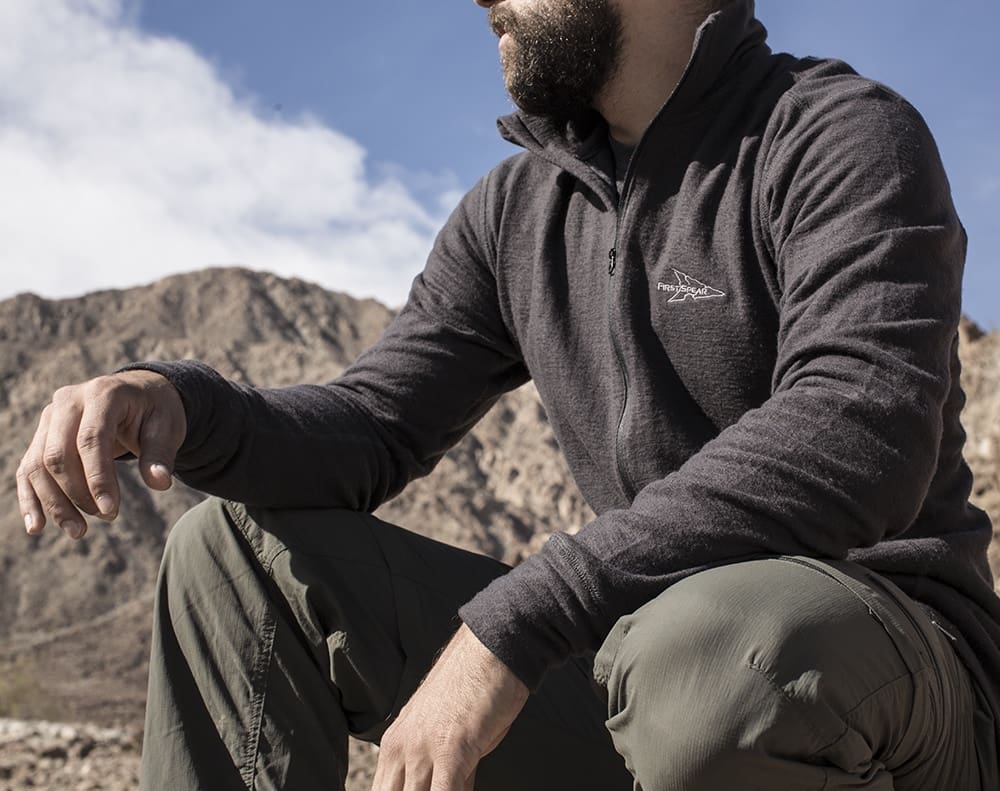
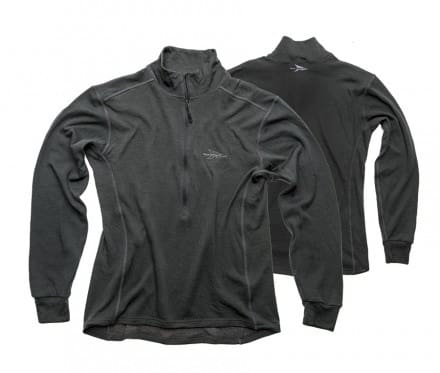
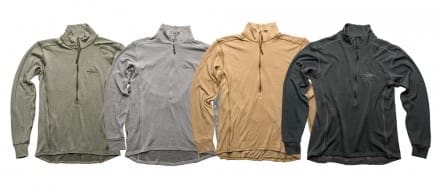
The Mid Shirt is super tough and ultra soft with a 2/3 length front zipper that allows extra ventilation when you really warm up. The high collar keeps your neck covered and is great for when you are working with a sling.

Like most FS products the Mid Shirt is Berry Compliant (100% American Made with 100% American Materials) and is available in Black, Charcoal, Commando, Manatee Grey, and Sand.

www.first-spear.com/mid-shirt-acm-mid-400