FirstSpear

Archive for the ‘Guest Post’ Category

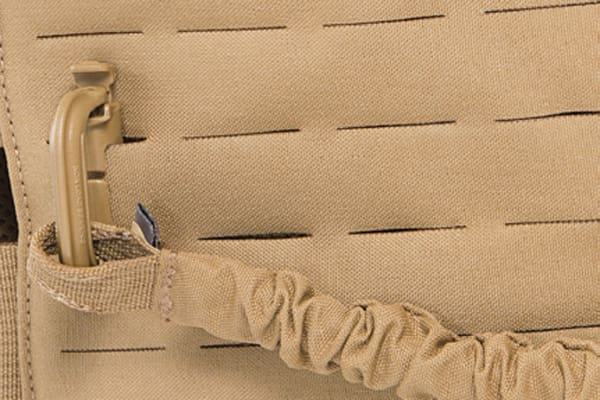
FirstSpear Friday Focus – Weapons Retention Catch

Friday, September 25th, 2020

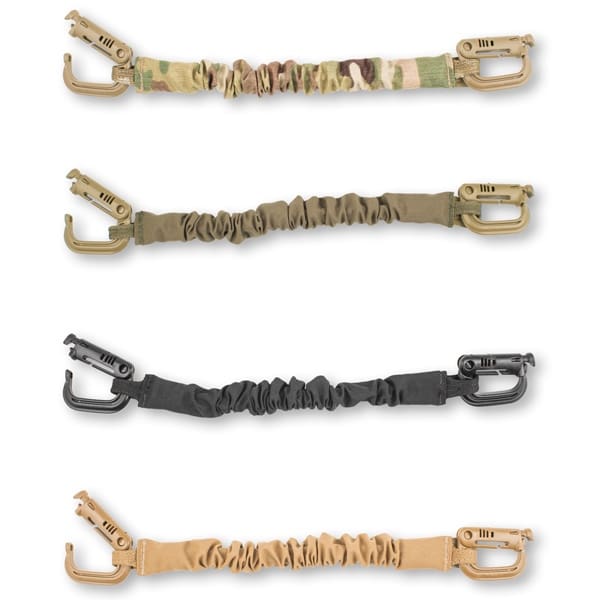
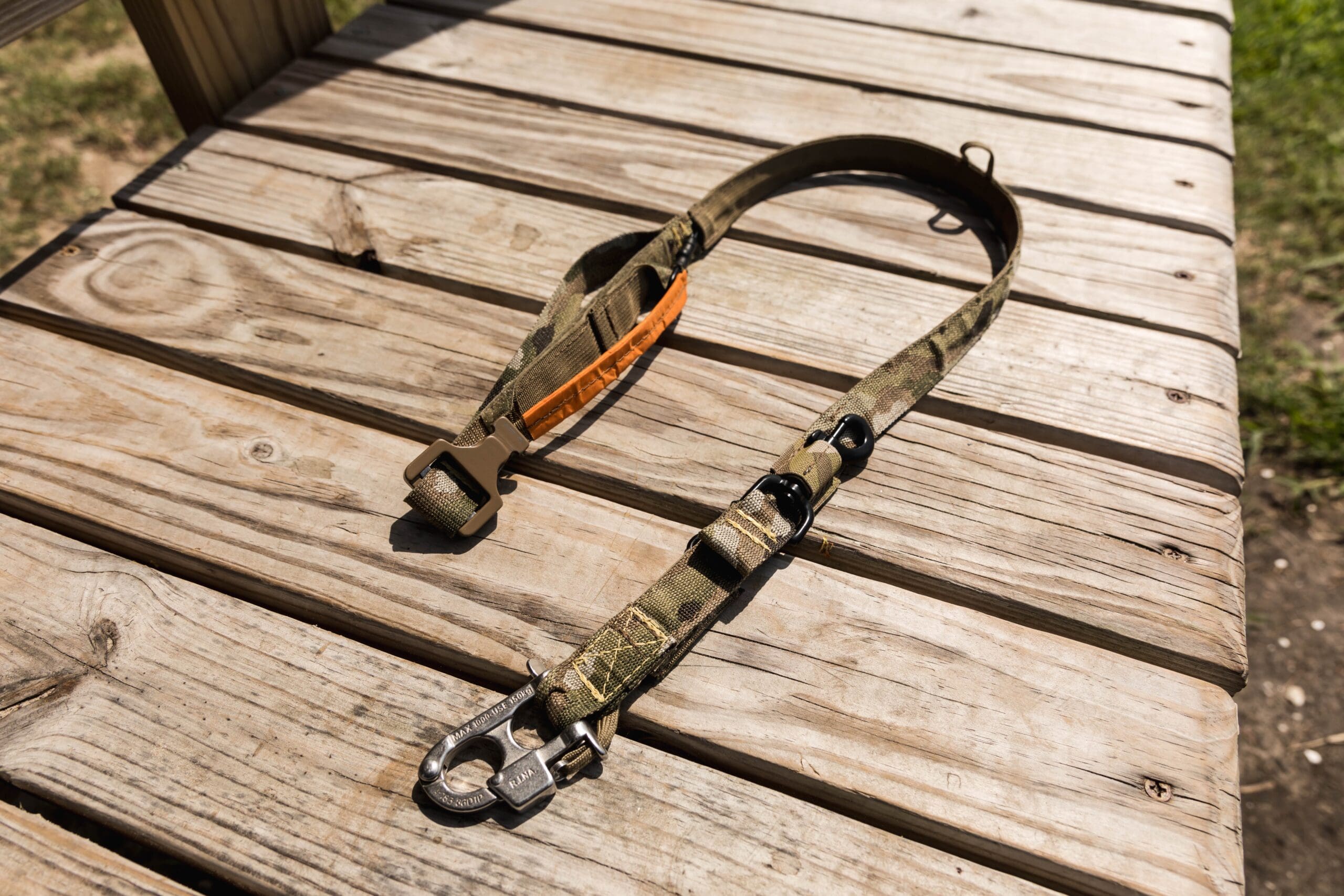
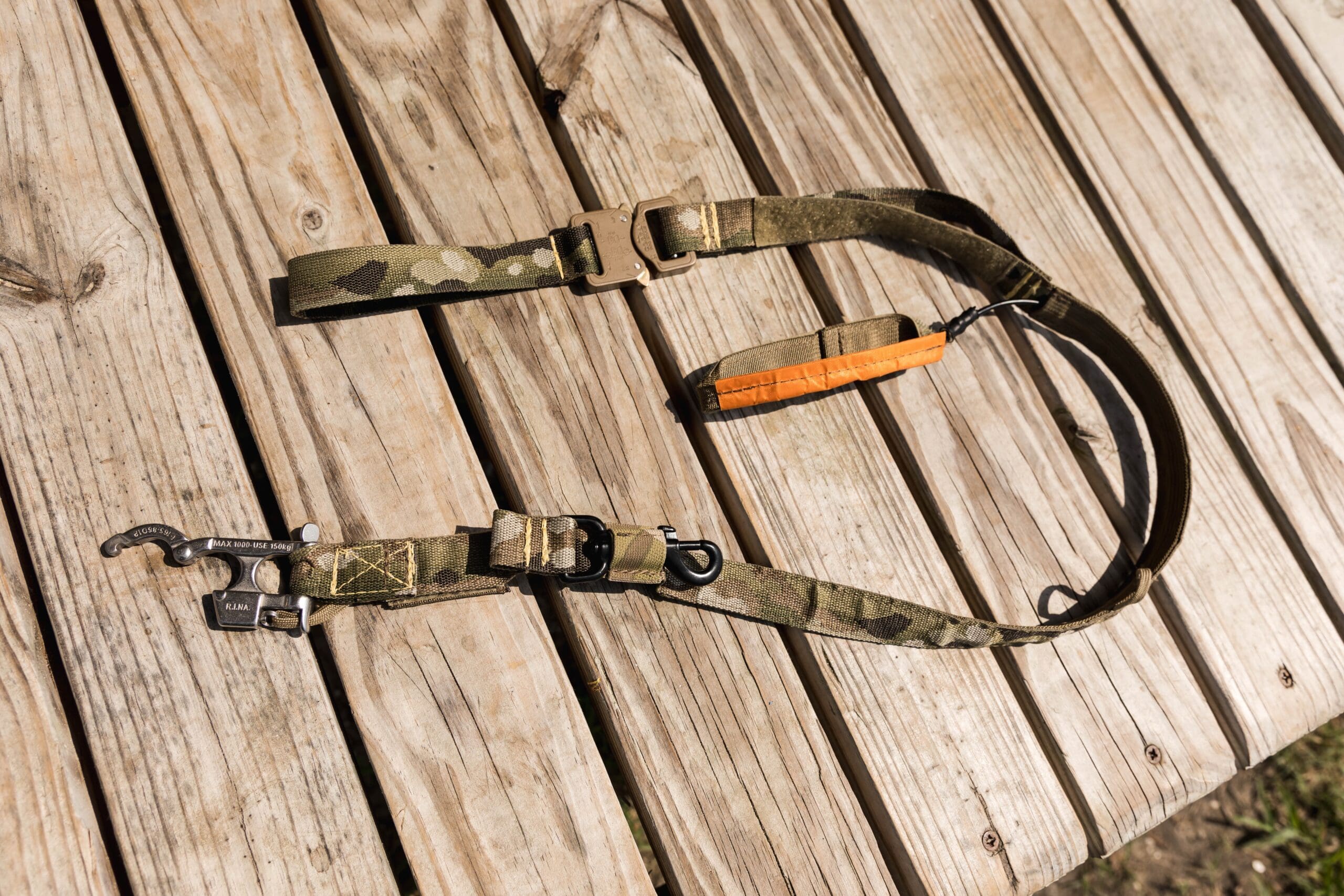
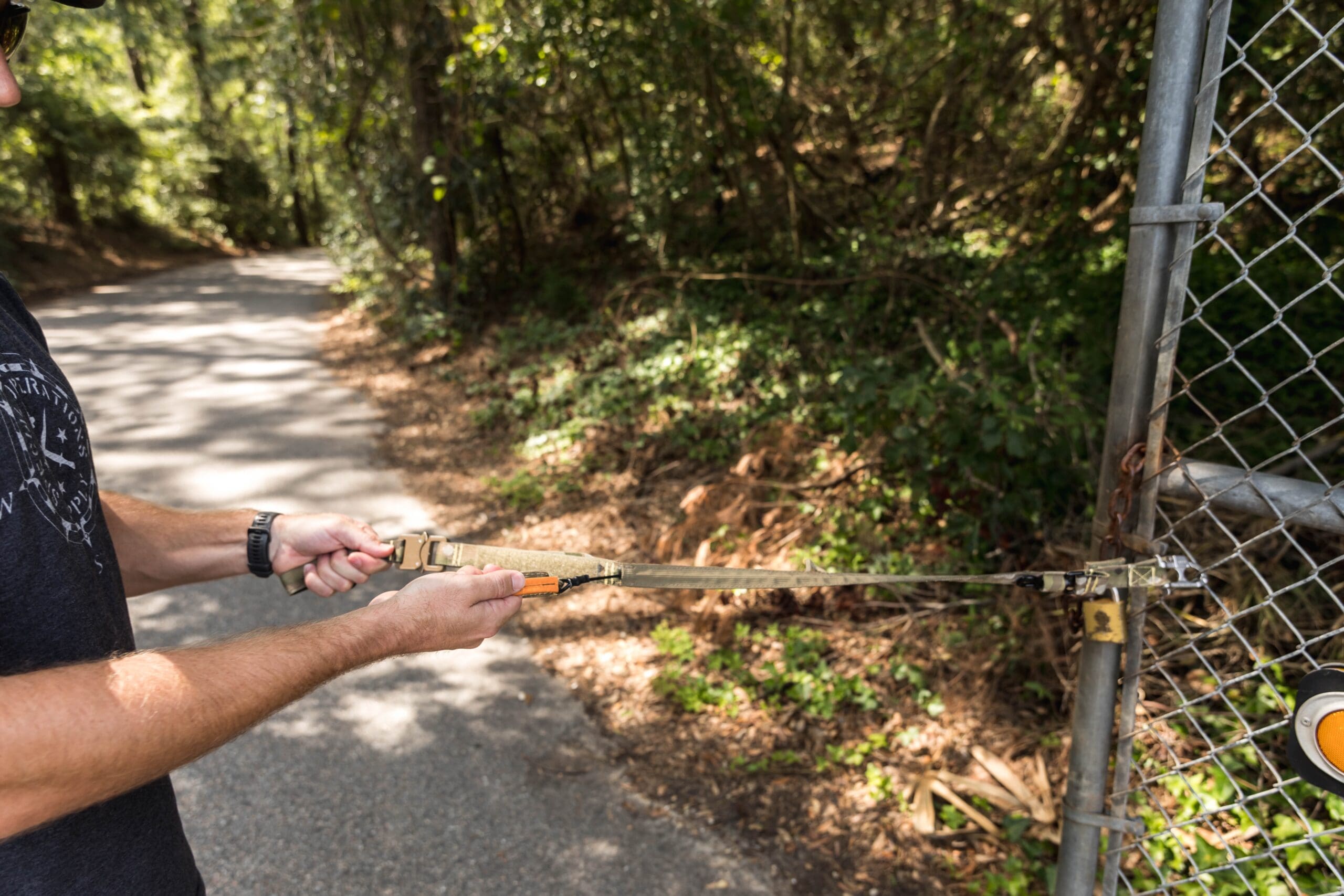
Today we are taking a look at FirstSpear’s Weapons Retention Catch.

The Weapons Retention Catch is designed to help secure your weapon and is versatile enough to be worn on practically any platform. This essential item provides solid retention for carbines, sub guns, and shotguns. Its plastic closures are easy to adjust and they can be over-powered if required and reset to use again. This allows you to quickly access your weapon when needed.

Available now in a variety of colors and is 100% American Made.

www.first-spear.com/weapons-retention-catch

US Army, Estonia Sign Historic Agreement for Collaborative Research in Cyber Defense

Friday, September 25th, 2020

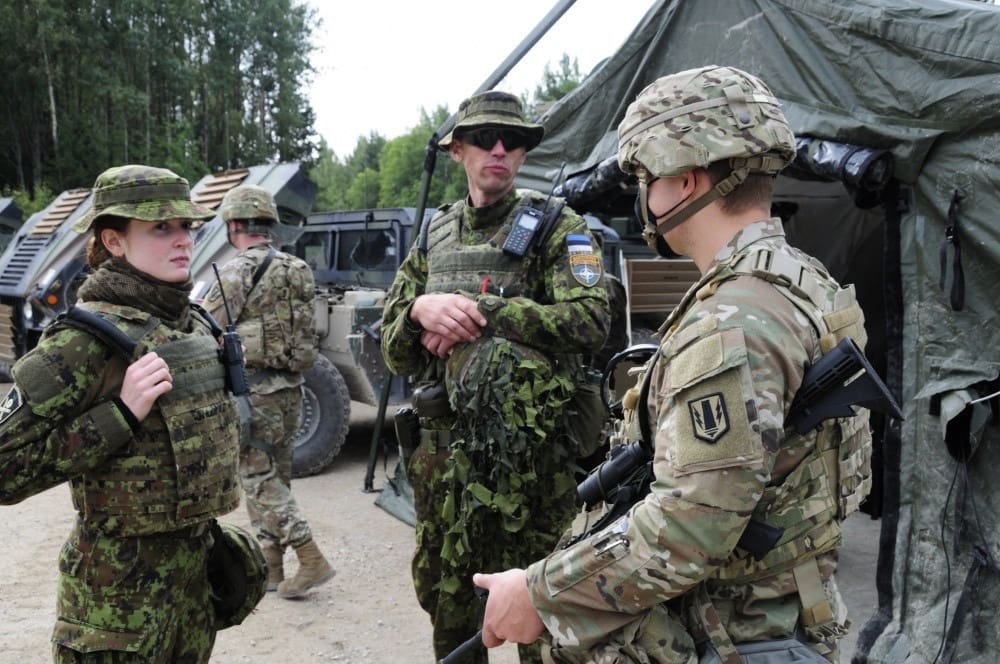
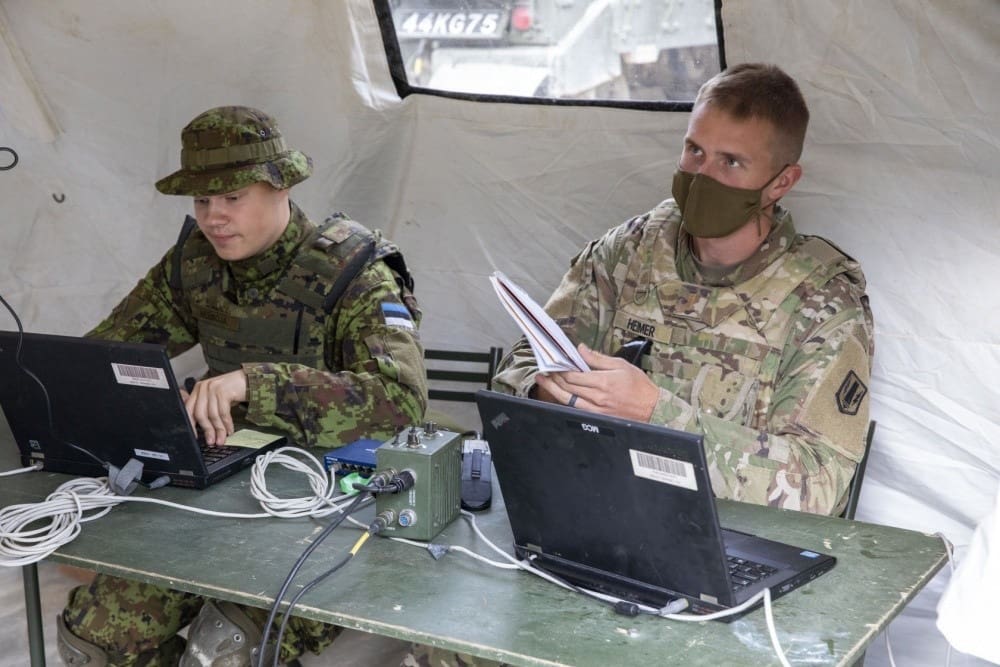
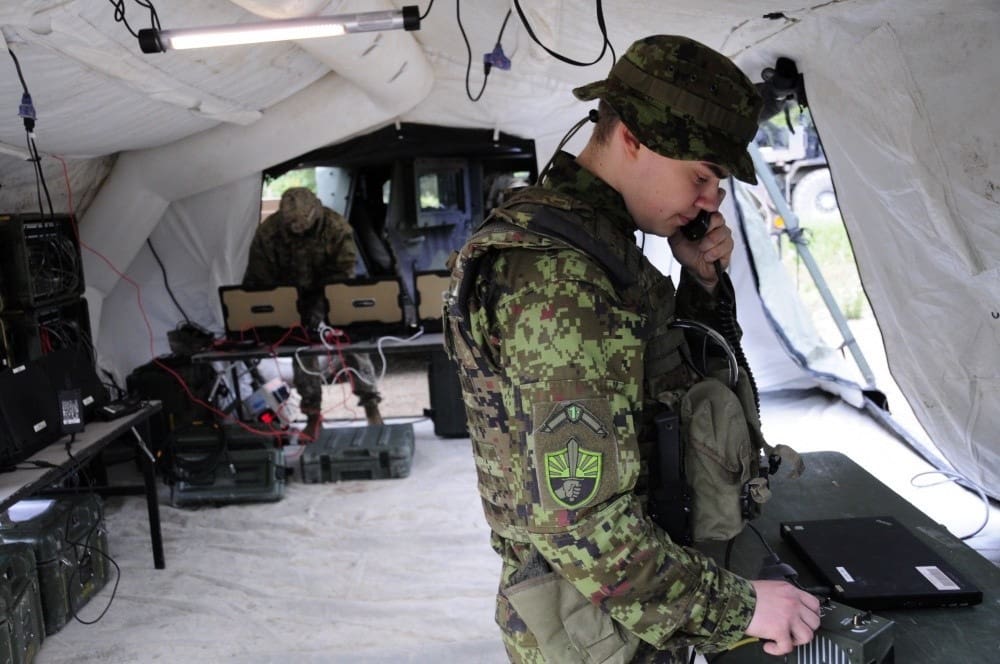
ABERDEEN PROVING GROUND, Md. – The U.S. Army and the Republic of Estonia’s Ministry of Defence signed an agreement today that will enable the two countries to conduct future collaborative science and technology efforts in cyber defense.

The Command, Control, Communications, Computers, Cyber, Intelligence, Surveillance and Reconnaissance (C5ISR) Center – a component of Army Futures Command’s Combat Capabilities Development Command – and the Estonian Ministry of Defence will establish a multi-domain operations, cyber domain working group to identify opportunities for interoperability experimentation and demonstrations.

The working group will provide a forum to exchange information on the research of defensive cyber capabilities for multi-domain operations and improved coalition interoperability. Specific collaborative activities identified by the working group may be carried out under future agreements involving projects, equipment and material, and information exchanges.

“This historic agreement provides the opportunity for two nations with substantial defensive cyber capabilities to leverage their respective cyber experience to drive new research and development to reduce cyber threats across the spectrum of conflict,” said Director of the C5ISR Center Patrick J. O’Neill.

The effort – which falls under a 2016 U.S. Department of Defense Research, Development, Test and Evaluation memorandum of understanding – is the first of its kind between the U.S. Army and the Estonian Ministry of Defence. It supports a “Vision for Security Cooperation” document between the countries to develop capabilities that will deter and defend against malicious cyber intrusions and attacks.

“The Estonian Ministry of Defence is very pleased to establish formal cooperation with the U.S. Army’s C5ISR Center, adding another partner with increased knowledge and capabilities. Our countries are close NATO allies who share fundamental values. Our collaboration in the cyber domain will advance our common security,” said Director of the Estonian Ministry of Defence’s Cyber Policy Department Andri Rebane.

“We hope that the knowledge generated from this bilateral relationship will not only be useful for the U.S. and Estonia but also our other allies. With that, I am pleased to sign the terms of reference to begin this important work,” said Rebane.

Prior to the event, Deputy Assistant Secretary of the Army for Defense Exports and Cooperation Elizabeth Wilson noted her office played an integral role in bringing together key personnel from U.S. Army headquarters, the C5ISR Center and counterparts at the Estonian Embassy to reach this milestone event.

“Exchanging information and optimizing our research and development efforts to modernize our militaries will help deter great power competitors and regional state adversaries. The U.S. Army is proud to partner with our Estonian counterparts in this unique opportunity,” said Wilson.

The complementary research will explore tactical and strategic challenges to enable standardization, rationalization and interoperability while improving the mutual defenses of both countries, said Robert Kimball, the C5ISR Center’s senior research scientist for cyber security.

“Estonia is a cyber country of excellence with a robust cyber defensive system in terms of technology and people. Given their deep expertise, I believe they will have substantial lessons to share, which will be enormously helpful in finding efficiencies in our science and technology efforts while understanding how best to defend against cyber warfare,” said Kimball, who noted Estonia is home to the NATO Cyber Defense Center and Cyber Range.

The agreement is slated to last until Sept. 30, 2023, at which point it may be extended.

“I am honored to have signed this agreement with Mr. Rebane today,” said O’Neill. “This is more than just a document that governs science and technology efforts; it affirms our two countries’ mutual commitment to work side by side to proactively address global security challenges. The C5ISR Center looks forward to this collaborative effort as we continue to explore the realm of the possible for cyber security. I am extremely pleased that the efforts on both sides have come to fruition.”

By Edric Thompson, CCDC C5ISR Center Public Affairs

Army to Host Tactical Assault Kit Virtual Workshop for Industry, Federal Agencies

Thursday, September 24th, 2020

ABERDEEN PROVING GROUND, Md. (Sept. 23, 2020) — The U.S. Army is hosting a virtual workshop to expedite the development and integration of situational awareness tools Sept. 29 – Oct. 2.

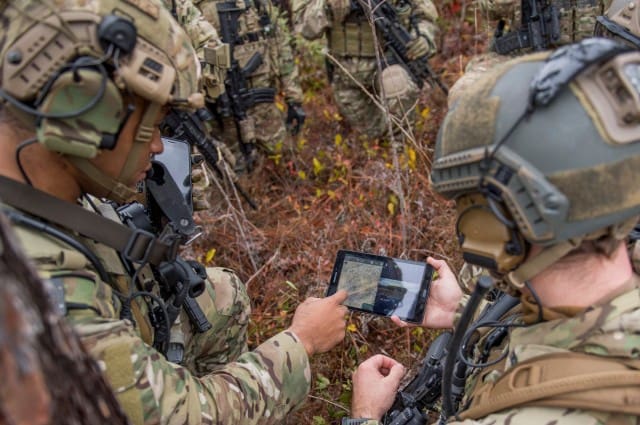
The Tactical Assault Kit (TAK) is a map-based software application that enables coordination among thousands of users with features such as a position data, chat, mission planning and shared overlays. It is compatible with Android, Apple iOS and Windows.

The Tactical Assault Kit virtual offsite will offer stakeholders from across the Department of Defense (DoD), federal agencies and industry an opportunity to exchange information and identify critical needs. The event will offer tracks for software development, programmatic updates and training on TAK platforms.

“The intent of these sessions is to learn from issues that may have arisen in the past year, produce innovative capabilities and reduce duplicative efforts,” said Josh Sterling, director of the TAK Product Center at the The Command, Control, Communications, Computers, Cyber, Intelligence, Surveillance and Reconnaissance (C5ISR) Center – a component of Army Futures Command’s Combat Capabilities Development Command.

“Any time we can get more feedback and lessons learned, it’s a data point we can use to improve the platform. I think this is a great way to generate cross-team collaboration that will spur both the development cycle and integration as we continue to push and facilitate a more universal type TAK operation.”

As the central software development hub for all TAK efforts, including 15 DoD programs of record, the C5ISR Center’s TAK Product Center provides software updates and testing for an enhanced user experience.

To foster innovation, the TAK Product Center approved the public release of a non-military variant for federal and government agencies – known as the Android Team Awareness Kit-Civilian (ATAK-CIV) application – on Google Play and the open-source Standard ATAK Software Development Kit on TAKmaps.com.

“TAK is an extensible platform, meaning that we give you a baseline and based on your mission requirements you can build on that baseline to bridge capability gaps,” said Mark Roberts, deputy director for the TAK Product Center.

“Anyone who has a job requirement to display point location information – the military, DoD and federal agencies, state and local authorities, firefighters and emergency responders – will benefit from these sessions. This is a great opportunity to give them a peek at what’s being done around the TAK community,” he said.

Registration for the offsite is available at tak.gov/offsite until Sept. 28.

By CCDC C5ISR Center Public Affairs

USAF and Microsoft Partner to Empower Airmen with Modern IT

Wednesday, September 23rd, 2020

The U.S. Air Force is breaking the glass as a leader in harnessing the power of cloud, rapidly rolling out modern services to enable airmen to advance the mission through more effective collaboration. As part of their digital transformation journey to achieve global access, persistence, and awareness for the 21st century, the U.S. Air Force is deploying targeted workloads that allow airmen to focus on their missions rather than spending time managing IT infrastructure.

Mission focus and efficiency

A key part of their digital transformation strategy is leveraging the technology industry’s capabilities for cloud infrastructure, allowing the U.S. Air Force to re-tool and refocus their resources. As part of our collaboration with the U.S. Air Force, we’re deeply aligned on a joint mission to drive IT enhancements that enable airmen to be more efficient and effective. Building out the capabilities for this targeted mission focus started with planning for how the organization will manage their data in the future, deploying core functions such as Exchange Online, SharePoint Online, OneDrive and other capabilities delivered through the Microsoft 365 suite of productivity applications.

Improved total cost of ownership

The rapid deployment of cloud tools at this scale is made possible by the U.S. Air Force’s leadership in building the multi-cloud factory Cloud One, a migration center of excellence designed as a foundation for future innovation. Leapfrogging more traditional cloud migration strategies with a Platform as a service (PaaS)-first approach and secure systems boundary, Cloud One enables the U.S. Air Force to rapidly transform legacy systems into modern apps and exploit the agility, scale and global presence afforded by the cloud.

William Marion, U.S. Air Force Deputy Chief Information Officer, says that Cloud One is the U.S. Air Force’s “path to the cloud, but further it is fundamental to the Digital Air Force and the future of Multi-Domain Operations. It enables our teams to achieve unprecedented cost efficiencies and productivity through automation, agile software development at scale, and a streamlined process for moving applications to production.”

Cloud One has recalibrated what internal teams expect from a cloud migration, providing all the foundational cloud capabilities including networking, monitoring, access control and identity. In addition, apps deployed to Azure Government inherit the platform’s security controls by design, further reducing operational costs and freeing up resources to focus on the mission.

Focus on security and compliance

The U.S. Air Force understands the importance of a dynamic, foundational risk management framework that can react quickly to cyber-attacks and changes in the threat landscape. With Microsoft 365 Government and Azure Government, they can obtain the scale and performance of modern cloud tools while maintaining compliance with the strict compliance requirements of the Department of Defense (DoD), including DoD Impact Level 5.

Next-generation collaboration

One of the primary goals of the U.S. Air Force is to empower airmen to collaborate and execute their missions with modern technology best practices. The Air Force Life Cycle Management Center, Enterprise IT and Cyber Infrastructure Division (AFLCMC/HNI) at Hanscom Air Force Base in Massachusetts has planned, tested and started deployment of Microsoft Teams to improve project management and teamwork. With geographically separated organizations, Teams will streamline collaboration and communication between airmen across the globe.

The massive scale of this U.S. Air Force organization – wide rollout requires massive change management – so we’ve developed a joint plan with focused training, deployment and service adoption to drive mission-focused use cases. The plan includes learning events with modern modalities, creating consumable resources to enable airmen to learn more about how Teams can work for their unit. This includes product immersion events, ask-me-anything events, and video content so airmen can learn efficiently from wherever they are in the world.

These advances in productivity, cloud acceleration, and collaboration are a result of ongoing teamwork across the 16th Air Force, the Air Force Life Cycle Management Center, and the Defense Information Systems Agency. As thought leaders and innovators, these organization have planned, built and deployed modern IT experiences at massive scale using Microsoft 365 Government and Azure Government, enabling airmen to continue to fly, fight and win in air, space and cyberspace.

By Leigh Madden – Microsoft General Manager, National Security

Photo – US Air Force

Brigantes Presents – The REBS Wire Ladder

Wednesday, September 23rd, 2020

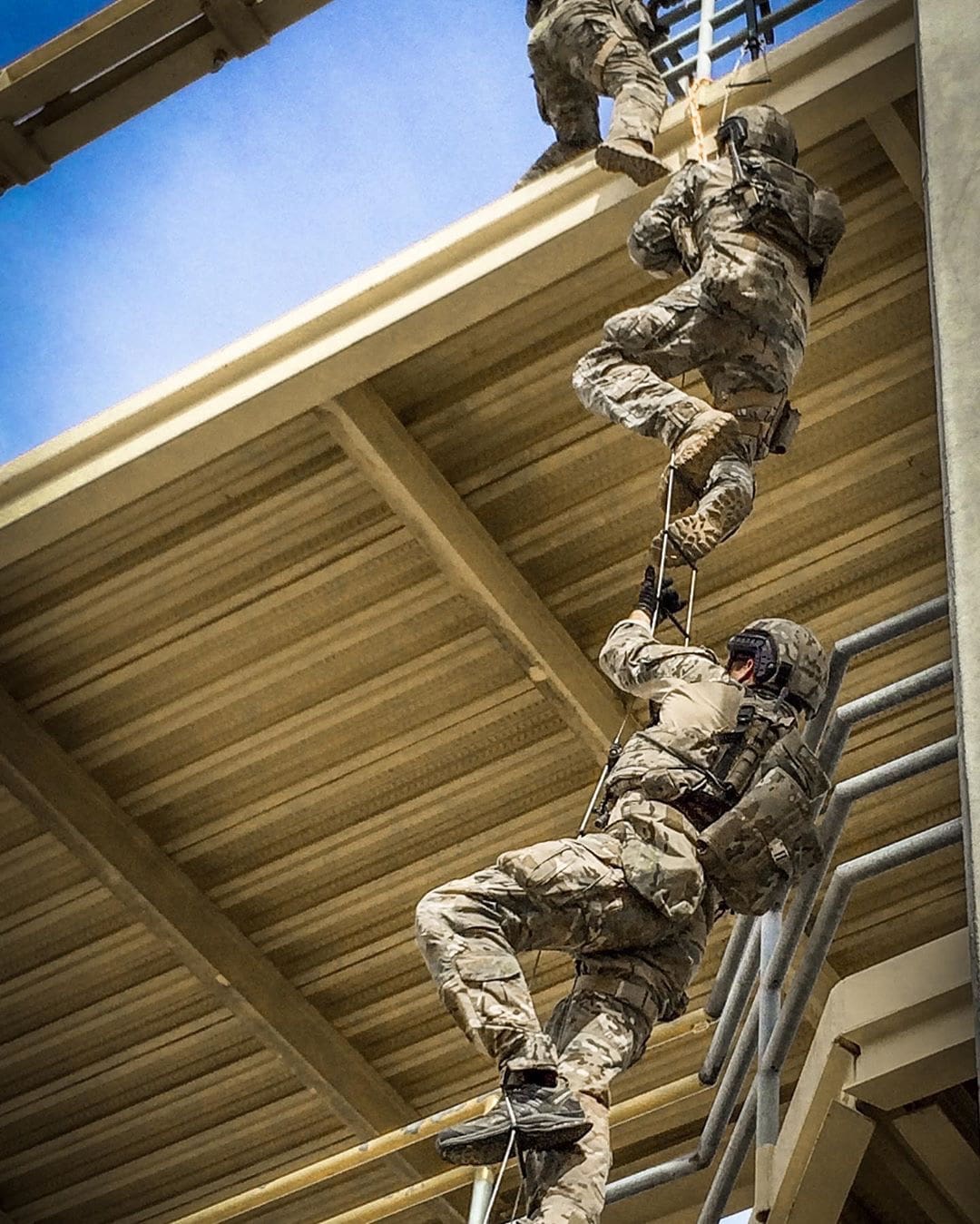
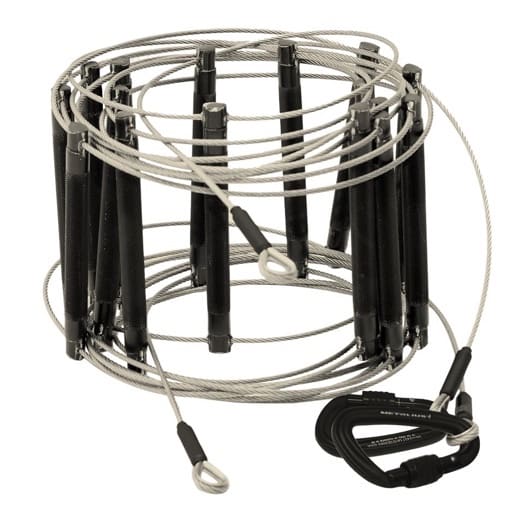
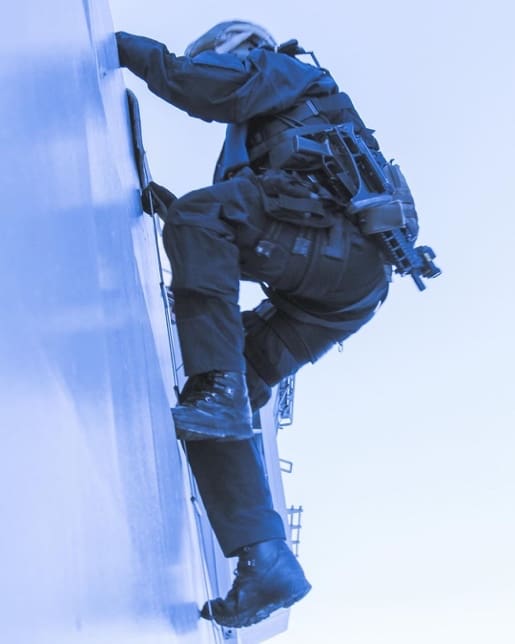
The REBS Wire Ladders has been developed with input from professional users and have high-end features for superior performance in tenuous situations.


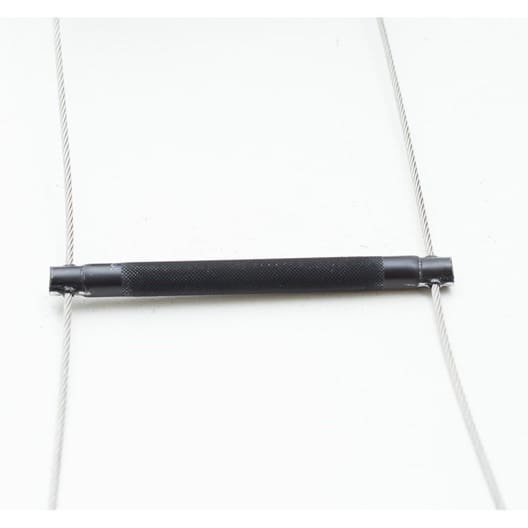
The rungs are diamond knurled and provide a durable high friction grip surface and every ladder is fitted with thimbles and proper connectors. Made from the highest quality components and materials, the wire rope has a diameter of 3mm, the thimbles are made from 316 stainless steel and the rungs are black anodised 6082 T6 aluminium. The rungs are fastened to the wire rope with an innovative and very strong mechanical bond which has been tested to 470kg on a single side without breaking. The REBS Wire Ladders are often used in combination with telescopic poles

The new design of the wire ladders has the highest strength to weight ratio of any wire ladder in the world. The wire ladders have been developed with input from professional users and have high-end features for superior performance in tenuous situations. The rungs are diamond knurled and provide a durable high friction grip surface and the ladder has a market-leading minimum breaking load (MBL) of 1200 kg.

For more information contact: international@brigantes.com

For UK sales contact: warrior@brigantes.com

Or visit our website: brigantes.com/collections/ladders

US Military Lands C130 on Newly Renovated Angaur Airfield in Palau

Tuesday, September 22nd, 2020

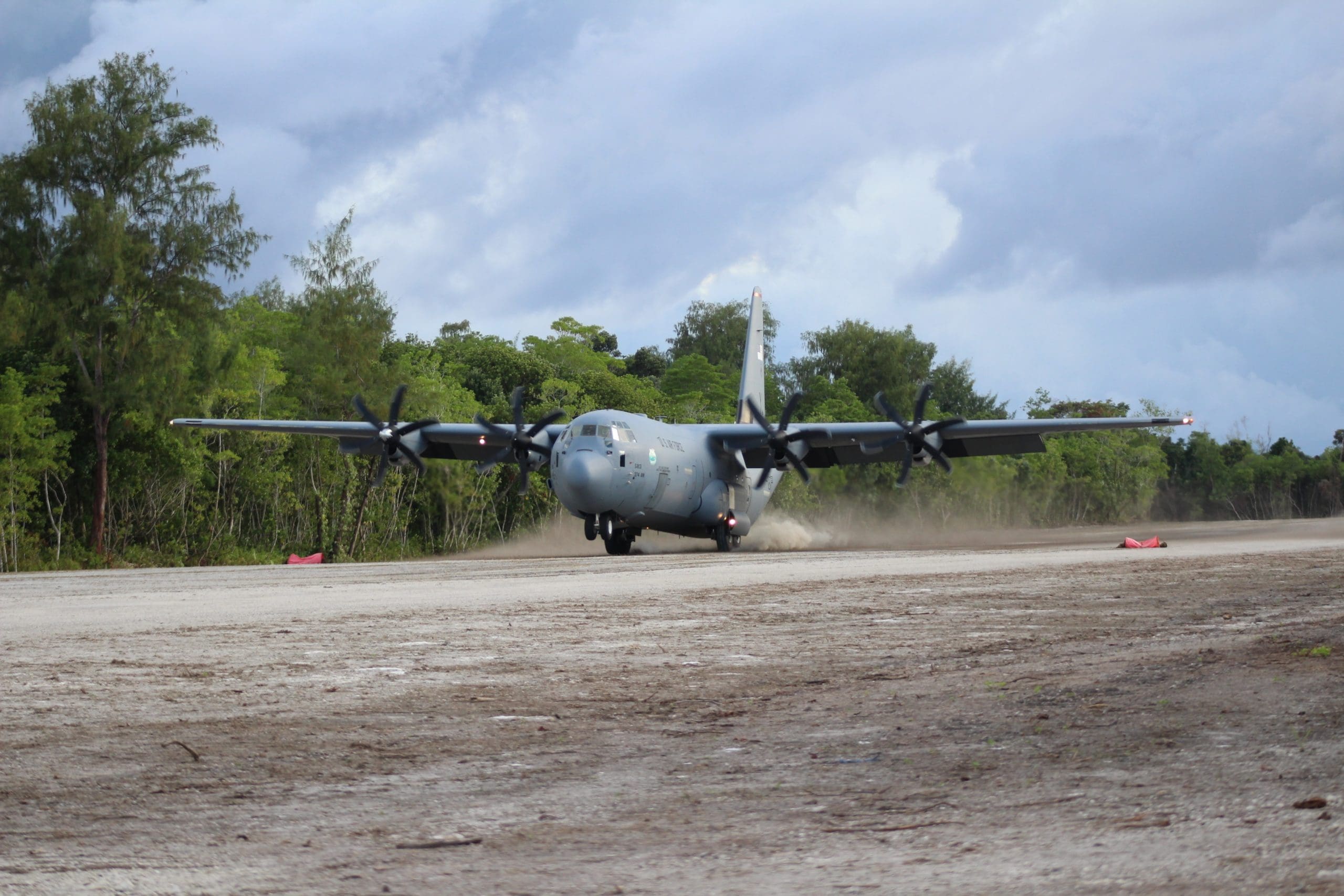
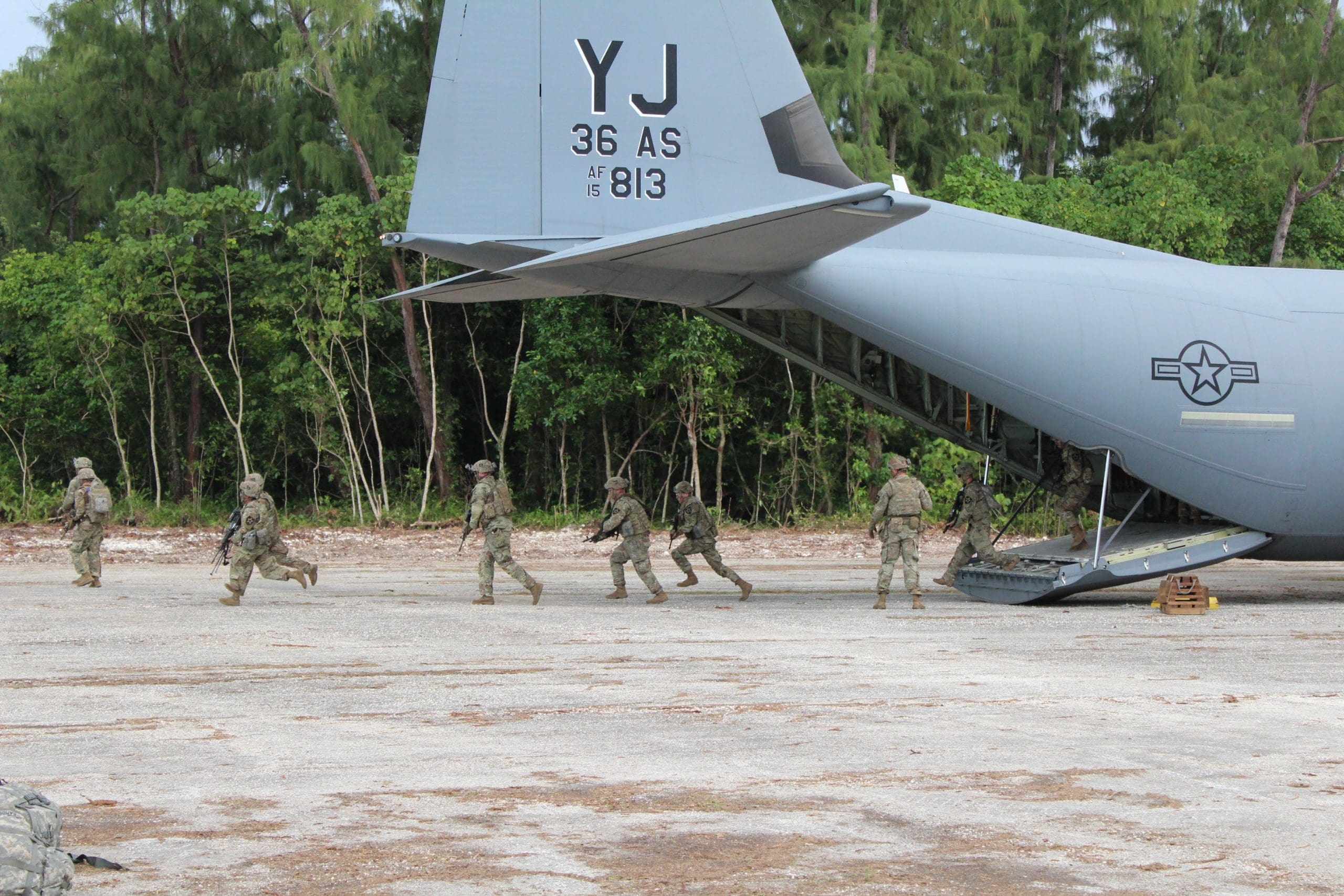
KOROR, Palau — A U.S. Air Force C-130 Hercules delivered U.S. Army Pacific Soldiers onto the newly renovated Angaur Airfield for training exercises in the Republic of Palau, Sept. 5.

The successful arrival of the military cargo plane validates the airstrip’s use by military and commercial aircraft, a little more than a week after the project’s completion and ceremony August 27. In the weeks prior, a U.S. civil-military engineer joint task force reconstructed and expanded the runway as part of the Angaur Airfield Joint Improvement Project.

The U.S. Ambassador to Palau, John Hennessy-Niland remarked that making a rudimentary airstrip capable of hosting cargo aircraft is a significant milestone in support of the people of Palau. “The completion of the Angaur Airfield Joint Improvement Project is a game changer,” said Hennessy-Niland. “Palau now has a secondary airstrip. This had been a long-standing request from the government of Palau and the State of Angaur.”

Adding a second airfield allows the U.S., along with other allies and partners in the region increased opportunity to support the delivery of humanitarian assistance in times of crisis or address other regional security concerns.

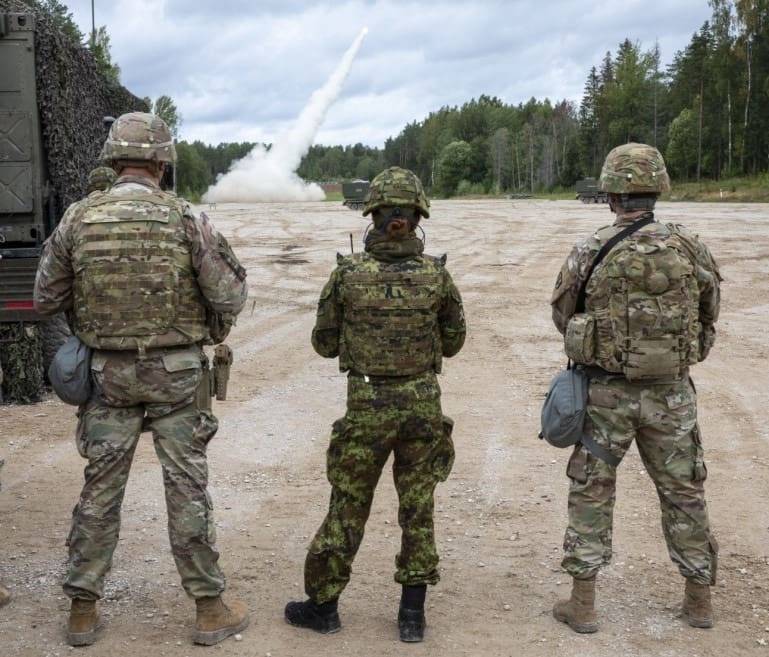
The USARPAC Soldiers are arriving as part of Defender Pacific 20, a theater-wide exercise that demonstrates strategic readiness by deploying combat credible forces in support of the Compact of Free Association agreement and the U.S. National Defense Strategy.

“The deployment of forces onto a newly certified airstrip demonstrates our ability to rapidly project joint combat power across the Indo-Pacific Command and reinforce international rules-based order,” said Col. James Bartholomees, USARPAC Deputy Chief of Staff for Operations. “This new runway demonstrates America’s investment in our important alliances and partnerships and our overall commitment to the people of Palau.”

U.S. Army Pacific worked closely with the U.S. Embassy, Government of Palau, and the Joint Region Marianas command in Guam to minimize risk of exposure to COVID-19 through 100% testing and quarantine measures. USARPAC would like to thank the Palau Ministry of Health for all their efforts and assistance with COVID-19 testing and clearance. All soldiers tested negative for the virus prior to their arrival to Angaur.

Courtesy of US Army News.

MATBOCK Monday – Kodiak Releasable Dog Leash

Monday, September 21st, 2020

Good morning and Happy MATBOCK Monday!

KODIAK Releasable Dog – (KRD) Leash

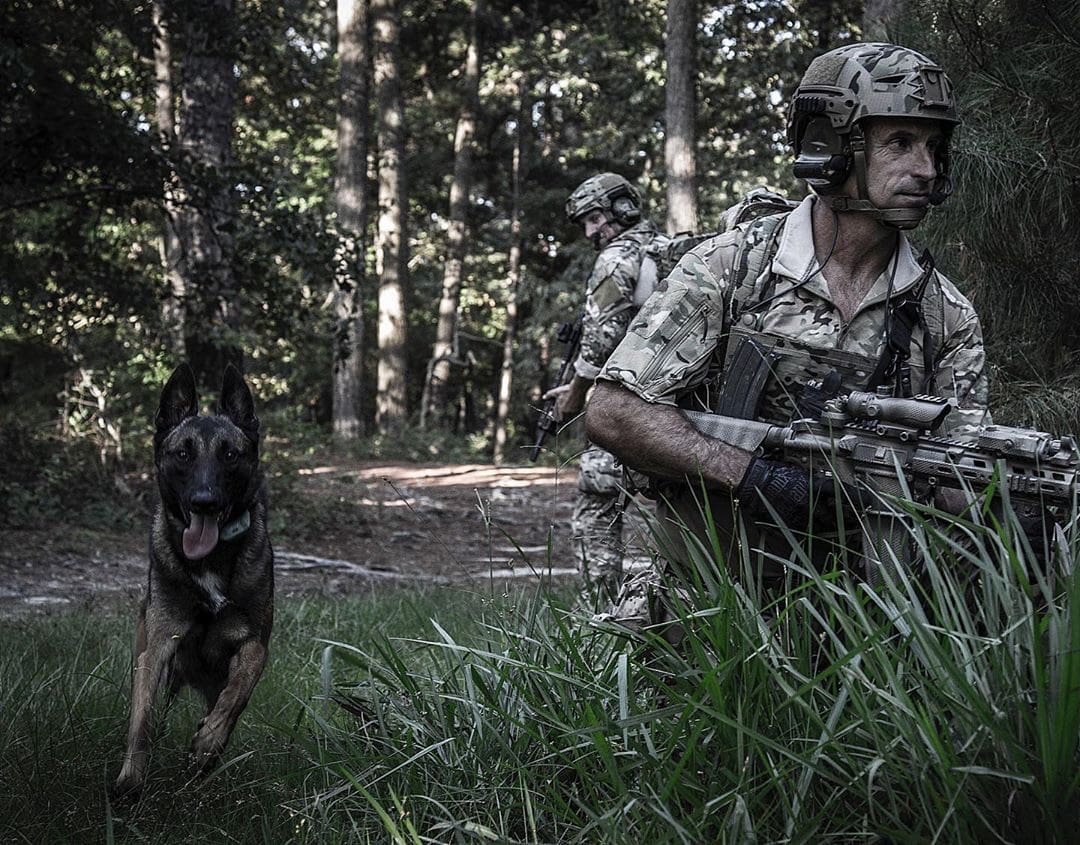
A 43” dog leash made from MILSPEC MultiCam webbing and stitched with KEVLAR thread to maximize durability and resist salt water & sun corrosion. The KRD leash has an ergonomically designed quick release buckle which allows the handler to release the dog from the end of the leash vice unclasping the leash at the collar. The leash features a quick disconnect that can be girth hitched to the belt as well as a standard clasp for secure dog attachment when the remote release is not required.

The KRD leash also doubles as a sling to be used with the MATBOCK Dog Litter allowing the handler to carry out an injured dog or even the added ability to hoist.

Quick Release!

Don’t forget to tune in Monday at 1:00 PM EST as we go live to demo the Kodiak Releasable Dog Leash!

www.gsaadvantage.gov/advantage/ws/catalog/product_detail?gsin=11000074649578

SCUBAPRO Sunday – Finning Techniques

Sunday, September 20th, 2020

Finning is the process of generating propulsion. In that sense, it is probably the most basic of all the diving skills, and one that most of us are already able to do when we first start diving.

In particular, a better finning technique, choosing the right technique for the right circumstances, can increase your dive’s efficiency.

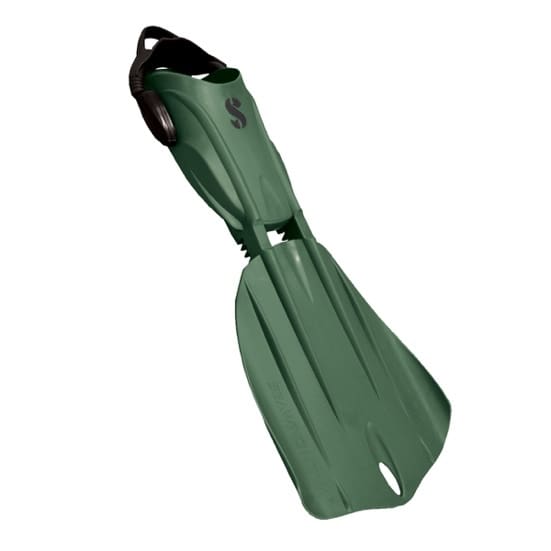
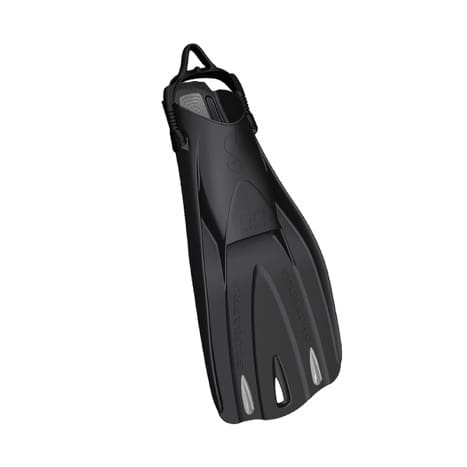
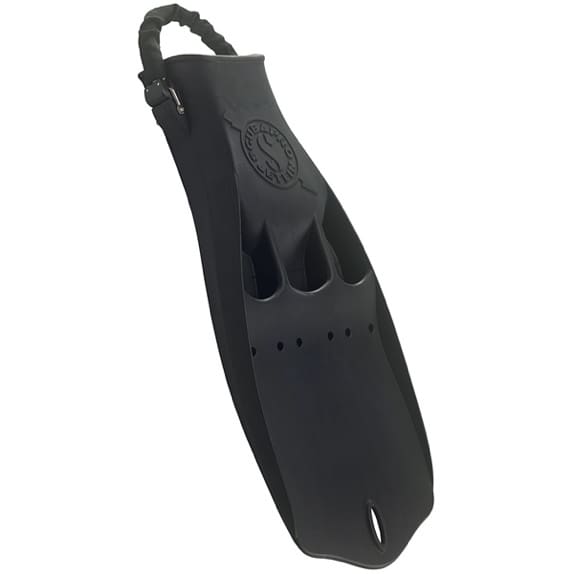
This will decrease your air consumption, reduce physical fatigue, and extending your dives. Picking the right finning technique will also decrease the amount of silt you turn up. I am going to talk about four types of SCUBAPRO fins. The Jet fin, the Seawing Nova Gorilla, The Seawing Nova, and the Go Sport fins. The Jet Fin is the most wildly used fin in the world by profession divers, the SeaWing Nova, the SeaWing Nova Gorillas (a stiffer version of the Seawing Nova that is great for people that who are strong kickers). The Go Sport fin is new to our line and is a tremendous all-around fin for diving, surface swimming like OTB and River and Stream crossing. Lastly are the Twin Jet fins, again a SCUBAPRO iconic fin; it is used by strong kickers that like to use a flutter kick type stroke.

There are three main fin kicks that any diver should know. These are flutter kicks, frog kicks, and bent-knee cave diver kicks.
Flutter kicks

The flutter kick is the basic finning technique that most divers use. This technique is similar to the leg part of freestyle swimming.

Watch 90 percent of all divers, and you’ll see them use flutter kicks. In the early days of diving, it was the only technique taught. The reason for its popularity is quite simply that it is the strongest of all the kicking techniques, and it generates a lot of propulsion. Back in the early days of diving, before the invention of the BCD, speed was the primary way of maintaining buoyancy. The advantage of this kick is the forcefulness of it. It is excellent for moving at high speed or when fighting a current. The legs’ vertical up-down movement also means it is beneficial for wall diving, mainly when diving by a wall covered in corals. There’s less risk of kicking something on the side of you like your dive buddy, coral or the finning’s backwash, stirring up sediment. The disadvantages of this kick are related to the advantages. The forcefulness of the kick means that it is relatively strenuous and increases air consumption because of it. The vertical movement can steer up a lot of silt; this is bad for many reasons. If you are on a combat swimmer operation, the trail of silt can give you away. Second, it will make it hard for anyone following you to see their gauges and find the target. (unless you are using the SCUBAPRO HUD dive computer) (shameless plug, but it is excellent for low visibility). In confined spaces like close to the target around the piers or in a cave, it can cause a blackout and make it very hard to see what you are doing.

A fast, powerful technique is useful when fighting a current, for short bursts of speed. The best fins for this are the SCUBAPRO SeaWing Nova Gorillas, The Go Sports, and the Jet fans.
Frog kick

The frog kick looks very similar to the leg portion of the breaststroke from swimming. A large and wide kick that utilizes the leg’s full strength is a good, general technique for open-water diving, either in the water column or close to the bottom. Because the movement and propulsion aren’t continuous, good buoyancy technique is required, though.

The movement here is horizontal, or close to it, meaning that there is minimal disturbance of the bottom when swimming close to the bottom, which will maintain the visibility for any divers that come after you. However, the kick’s width means that the kick isn’t recommended for caves or when diving close to a wall.

This kick, combined with good buoyancy, will quickly become your go-to technique once you get used to it, and will likely decrease your air consumption significantly. The more adequately trimmed your position in the water, and the more you take advantage of the gliding phase before initiating the next kick, the more you’ll reduce your energy (and air) consumption.

The powerful kick that can be extremely efficient, especially if you master the kick-and-glide aspect. Suitable for open-water diving in mild currents, in the water column, or close to the bottom. Not advisable in stronger currents or close to walls.

The best fins for this are the Jet fins.
Bent-Knee Cave Diver Kick

With the complicated name, this technique is the go-to technique for technical divers and is the one that causes the least disturbance of the environment. The bent knees mean that the movement is minimal, with the entire kick coming only from a small movement in the hips, combined with a kick of the ankles. This means that propulsion is limited, compared to the two kicks above, but it also decreases strain and air consumption.

The small movement means that it works well in cramped areas, such as inside wrecks and caves, and, when executed correctly, can minimize the amount of silt kicked up to almost nothing. For this reason, it is also the recommended technique for diving close a very silty bottom, like in a confined space, close to piers or around ships.

The slow movement also means that this technique helps you slow down, making it useful for muck dives or other nature dives where you’ll be looking for small animal life. Because it is a very low-propulsion kick, this technique has its limitation when swimming against a current, though. This is a minimal-impact kick that is ideal for cramped environments and close to very silty bottoms, as well as helping you slow down during your dives and maximize your available air. The Jet Fin is the best fin this, and with some practice, the Go Sport is good also.


Lastly, the SeaWing Nova Gorillas come in OD Green or Orange, but they can be special ordered in all black. You can also order the SeaWing Nova in all black. Special orders require a minimum of 24 per size, but we can work to get you want you need.

Contact ecrazz@clannfive.com for more information.