TYR Tactical

Enforce Tac 25 – Aku Sentinel Low

March 3rd, 2025

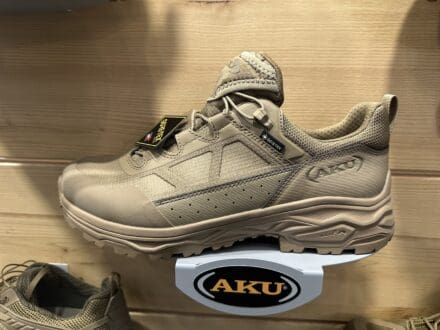
Aku exhibited several new footwear models during last week’s Enforce Tac in Germany.

The Sentinel is offered as Full, Mid, and Low versions, both with GTX, but there’s also a non-GORE-TEX lined low model.

The shoe is made from a Microfiber upper and incorporates quick lace with a lace pocket and features a toe cap, and reinforced ankle, along with the Aku Tenuta grip sole and EVA mid-sole with nylon shank and anti-puncture fabric. Manufactured to EN 20347: 2022.

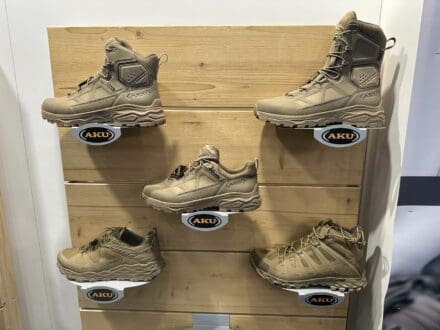
Others shown can be seen below. From the center, clockwise are the Sentinel Low, Selvatica Tactical Mid GTX, Selvatica Tactical GTX, Flyrock T, and Sentinel Mid GTX.

All are offered in Coyote and Black.

www.aku.com

Enforce Tac 25 – Helikon-Tex Goes Hawaiian

March 3rd, 2025

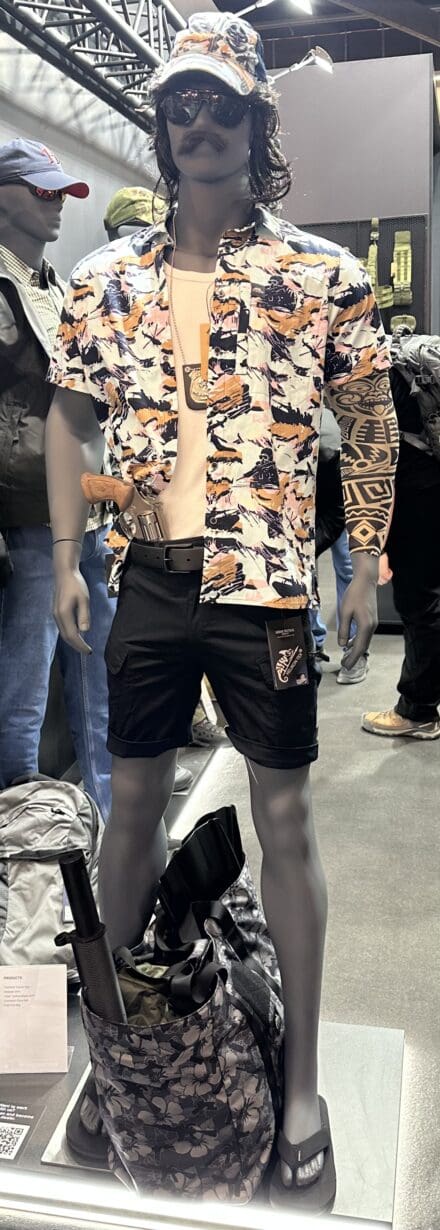
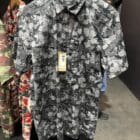
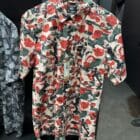
Helikon-Tex has introduced some comfy off-duty wear in Hawaiian-inspired patterns.

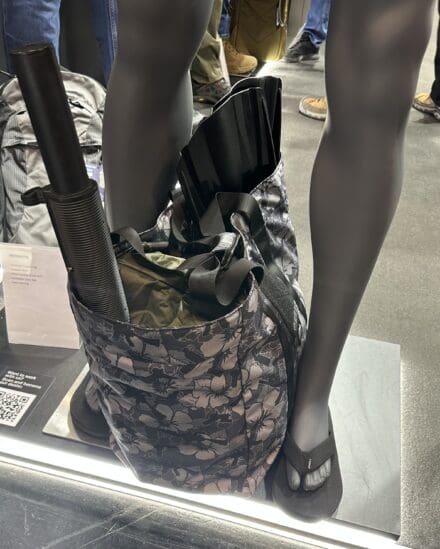
In addition to the shirts, you’ll find field totes.

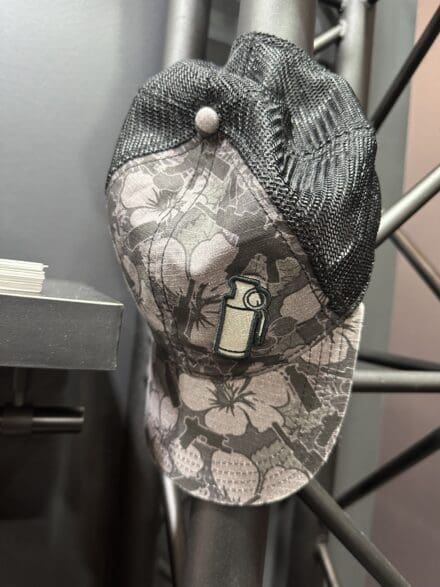
Finally, there’s a Trucker cap in the patterns on the way as well.

RTS Tactical – Legion Shield

March 3rd, 2025

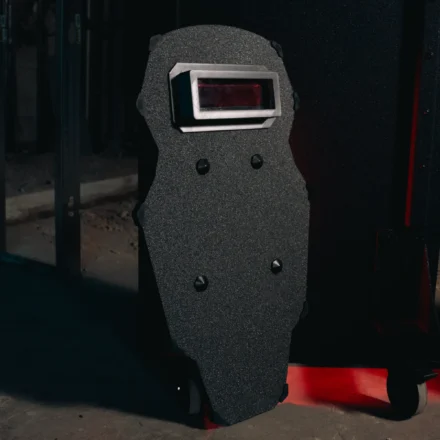
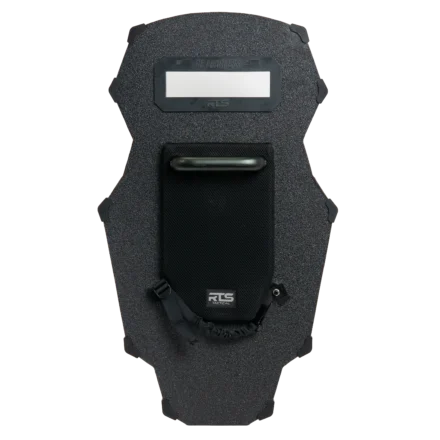
The Legion Shield from RTS Tactical features a Viewport and ballistic bolts. It is built and rated to defeat NIJ 0101.07 RF1 level threats.

The handle incorporates a vibration dampening pad to dissipate kinetic energy when taking hits and the corners feature rubber bumpers to protect then shield while using it as well as during transport and storage.

Additionally, the Legion Shield is compatible with Foxfury LED lights.

Offered in two sizes, 18″ x 32″ (16.8 lbs) and 20″ x 36″ (19.3 lbs).

To learn more, visit rtstactical.com/products/rts-tactical-legion-ballistic-shield.

Rheinmetall Squad Support Weapon – The 40mm Fire Support Weapon for Superior Infantry Firepower

March 3rd, 2025

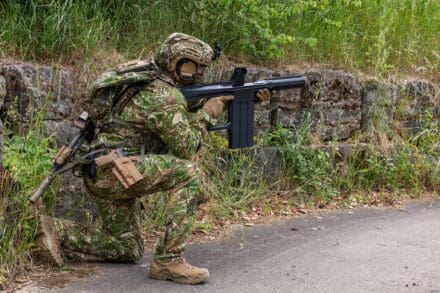
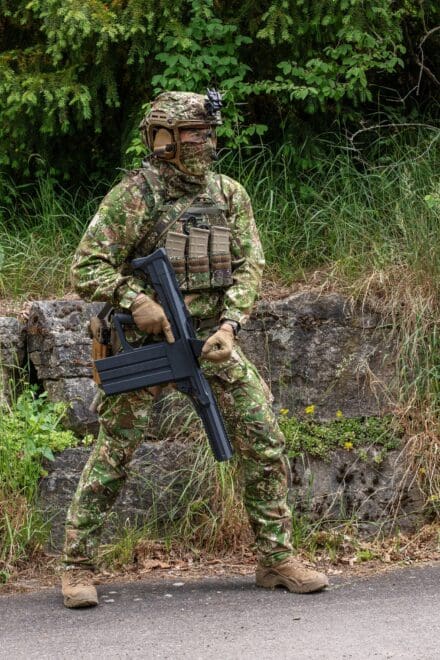
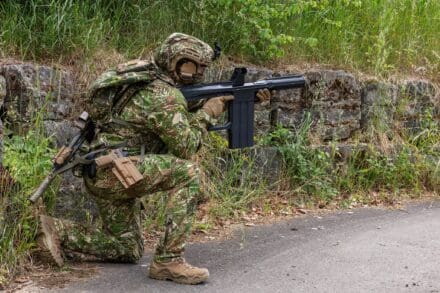
Rheinmetall is presenting the world’s first automatic, magazine-loaded, shoulder fired grenade launcher at Enforcetac 2025. Both weight, dimensions and handling of the SSW40 are similar to assault rifles. Thanks to a recoil-reducing and self-regulating recoil system, the SSW40 (Squad Support Weapon 40) can fire all available 40mm Low Velocity (LV) ammunition types as well as the new Rheinmetall 40mm Medium Velocity (MV) ammunition.

The new MV ammunition has a significantly increased velocity and a flat trajectory, allowing targets to be engaged more quickly and increasing the effective range of the system to 900m. Combined with the broad spectrum of Rheinmetall’s 40mm LV/MV ammunition portfolio, the infantry user achieves unprecedented flexibility and effectiveness on the battlefield of the future. The first test firings were successfully carried out at the beginning of 2024. The market launch with series production will start in 2025.

The 40mm MV ammunition family combines Rheinmetall’s experience in 40mm LV and High Velocity (HV) ammunition. Therefore, the SSW40 can be used with the following ammunition types:

HE Fragmentation (HEFRAG)
Anti-Tank (HEDP)
Door Breaching (HEBE)
Air Burst (HEAB)
Training (TPM, TPM-T)
Illumination / Fog
Sound & Flash and Irritation Ammunition (CS)

Via a quick magazine change, the SSW40 can be used in any near peer as well as asymmetric conflict scenario and offers superior firepower in any terrain, even against medium-weight armoured vehicles. The interfaces on the SSW40 also allow the inclusion of laser light modules, fire control sights as well as IR programmers for aerial explosive point ammunition. The SSW40 can also be integrated on vehicle mounts or field mounts.

AFSOC Reveals Name for OA-1K: Skyraider II

March 3rd, 2025

FORT WALTON BEACH, Fla. —

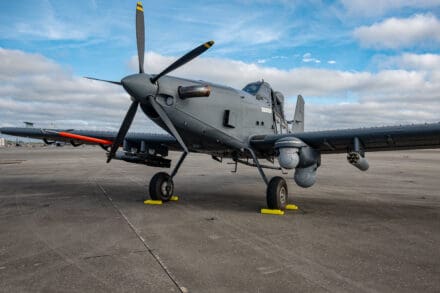
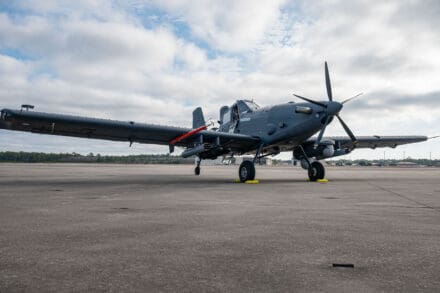
AFSOCs newest airframe, the OA-1K, will officially be the Skyraider II. AFSOC leaders made the announcement today at the Special Air Warfare Symposium. The moniker renews the rugged and versatile nature of the A-1 Skyraider, which was in service from 1946 to the early 1980s.

“I am excited about the Skyraider II, I think we have a capability that’s only ours, and we are going to have the ability to shape that into something that the rest of the nation might not even know they need right now,” said Lt. Gen. Michael Conley, Air Force Special Operations commander.

The Skyraider II is a cost-effective crewed aircraft that is adaptable across the spectrum of conflict. It will have the ability to support special operations forces as well as the Joint Force through close air support, precision strike, and armed intelligence, surveillance, and reconnaissance.

“AFSOC has enduring global missions,” said Brig. Gen. Craig Prather, AFSOC’s Director of Strategic Plans, Programs and Requirements. “While we don’t expect the Skyraider II to go mix it up with 5th and 6th generation fighters, it will provide value to our supported forces globally.”

The Skyraider II is a lean, agile, modular, and hardened aircraft but one of the most distinguishing feature, like its namesake, is its tailwheel. This prominent feature gives the Skyraider II the capability for short takeoffs and landings as well as the ability to operate from unimproved or austere airfields.

“Providing scalable and precision effects is where the Skyraider II will come in. The Skyraider II could take on missions from the southwest border to Africa and create dilemmas to those we are in competition with,” said Prather.

While in use during the Korean War and Vietnam War, the Skyraider provided extra muscle and firepower for Air Commando combat operations. Its sturdy and persistent nature was showcased when Maj. Bernard Fisher was awarded the first Medal of Honor for an Airman in the Southeast Asia War in an A-1E Skyraider. Later in 1968, Lt. Col. William A. Jones III also received the United States military’s highest decoration – the Medal of Honor – for his actions in an A-1H Skyraider.

The first Skyraider II is expected to arrive at Hurlburt Field in Spring 2025.

Air Force Special Operations Command

Rheinmetall Gladius Light – Special Networking for Special Operations Forces

March 2nd, 2025

Soldier systems connect individual warriors on the battlefield with other actors, sensors, effectors and platforms, bringing them into the network-enabled operational loop. Rheinmetall has extensive experience in this area. Just in February 2025 the Federal Office for Equipment, Information Technology and In Service Support of the Bundeswehr (BAAINBw) has signed a framework contract with Rheinmetall Electronics GmbH for the follow-on procurement of soldiersystems ‘Infantry Soldier of the Future – Enhanced System’ (IdZES). The framework contract, with a maximum gross volume of €3.1bn, will run until the end of 2030. Overall, the German Armed Forces can thus initiate the proportional regeneration as well as the manufacturing and delivery of up to 368 IdZ-ES platoon systems and various options for the procurement of additional components and services. A platoon is a military sub-unit.

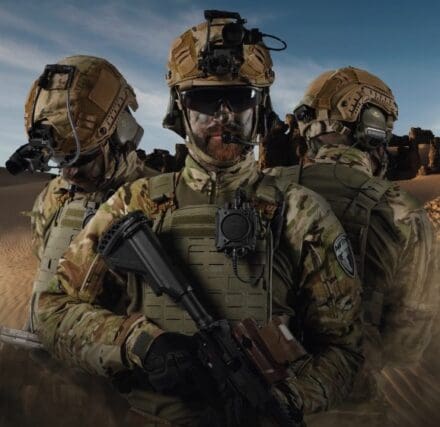
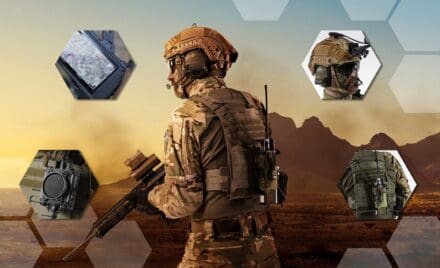
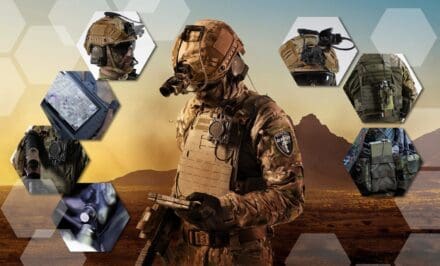
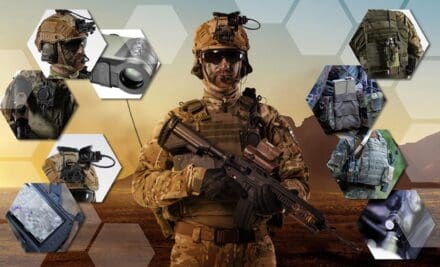
IdZ-ES is based on the soldier system Gladius 2.0. At Enforce Tac 2025, the Group will be presenting another version of its Gladius 2.0 soldier system, specifically designed to meet the needs of special operations forces. During development, the system’s designers kept a sharp focus on the need for lightweight, flexible systems that enable maximum mobility. The Gladius Light configuration has therefore been stripped down to its essentials. At the same time, however, care was taken to maximize flexibility, making it possible to include accessories needed for special operations. Moreover, the new configuration is specially designed to enable subsequent upgrades and extensions. The Gladius Light configuration is based on a lightweight tactical harness with scalable ballistic protection.

It includes:
-a radio for voice and data communication as well as GPS tracking for ‘blue force’ information;
-an advanced headset with various push-to-talk buttons (connected by cable or Bluetooth) for voice communication;
-an end user device (e.g. a tablet) for depicting tactical maps, assuring an uninterrupted exchange of information and improved situational awareness.

Savage Arms Continues Support of Pass It On Outdoor Mentors

March 2nd, 2025

WESTFIELD, Massachusetts – February 26, 2025 – Savage Arms® announces its continued support of Pass It On – Outdoor Mentors in 2025. Pass It On – Outdoor Mentors has been working to expand opportunities for young hunters to experience safe, mentored hunts. The organization’s efforts help preserve and grow America’s outdoor heritage.

Through its partnership, Savage is providing vital support and resources to help more youth experience hunting firsthand. Savage provides firearms, equipment, personnel and dollars to help ensure safe and successful experiences afield for young hunters.

“Getting kids in the outdoors is essential to the future of our pastime, and our conservation efforts,” said Beth Shimanski, Director of Marketing at Savage Arms and Board Member of Pass It On – Outdoor Mentors. “As a company, Savage is committed to preserving the hunting heritage by fostering new opportunities for the next generation. Personally, it has been rewarding and inspiring to be directly involved. We’re excited for more hunts and hunting experiences done the right way for young hunters.”

In addition to putting more kids in the field, Savage’s support will also allow Pass It On – Outdoor Mentors to recruit and train more mentors. Bridging the gap between young outdoor enthusiasts and the experience that will shape the future of hunting and conservation is another challenge Savage’s support allows Pass it On – Outdoor Mentors to address.

To learn more about Savage, the organizations it supports and the latest news, visit savagearms.com.

Forging Lifelines: 5th SFAB’s Medical Mission in the Indo-Pacific

March 2nd, 2025

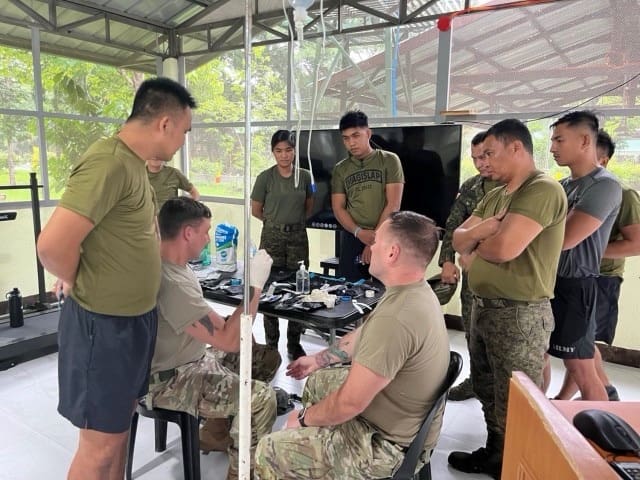
The 5th Security Force Assistance Brigade (5th SFAB) plays a pivotal role in enhancing medical capabilities across the Indo-Pacific, fostering stronger partnerships and improving the readiness of allied and partner nations. Through collaborative training, operational support, and knowledge sharing, 5th SFAB’s medical teams help partner forces advance their trauma care, casualty evacuation, and medical logistics, ensuring greater resilience during both peacetime and large-scale combat operations (LSCO).

Building Medical Readiness Through Collaboration

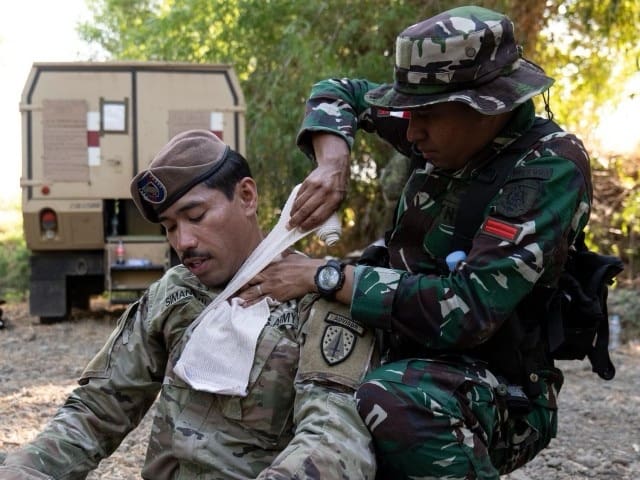
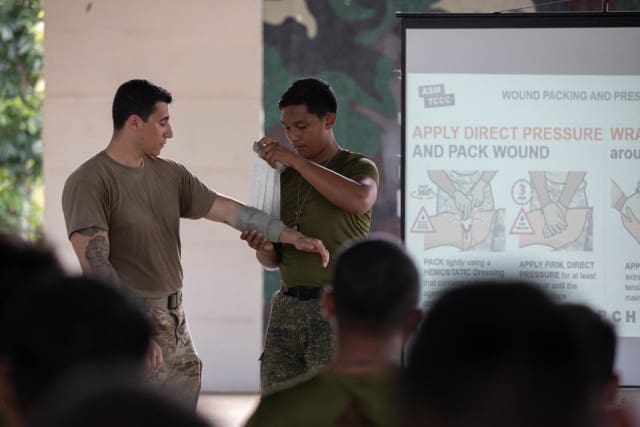
Since 2023, the 5th SFAB has conducted over 70 medical assessments and numerous training events with nine Indo-Pacific partners. These engagements focus on improving tactical combat casualty care (TCCC), prolonged field care (PFC), whole blood programs, and medical evacuation systems. By introducing advanced trauma care techniques and refining medical processes, 5th SFAB advisors help partner forces reduce casualty fatality rates, increase return-to-duty rates, and enhance overall battlefield survivability.

Advancing Tactical Medical Training

One of the cornerstone initiatives is training partner forces in TCCC and PFC. These programs teach critical skills for stabilizing casualties and providing lifesaving care in austere environments, ensuring that medical personnel can sustain injured soldiers until evacuation. Additionally, the implementation of whole blood programs improves trauma survival rates, aligning partner force capabilities with proven U.S. military practices.

Enhancing Medical Evacuation and Logistics

Effective casualty evacuation is essential during crises. 5th SFAB advisors work closely with partner forces to optimize evacuation routes, establish Patient Evacuation Coordination Cells (PECCs), and ensure seamless coordination between military and civilian healthcare facilities. By embedding medical advisors within partner force headquarters, the brigade enhances real-time reporting and facilitates bilateral evacuation requests, strengthening interoperability and reducing response times.
Supporting Medical Logistics and Supply Chains

Sustaining medical operations during high-casualty scenarios requires robust supply chains. 5th SFAB advisors collaborate with partner force logistics teams to assess supply levels, forecast consumption rates, and address Class VIII medical supply needs. By establishing pre-positioned stockpiles and implementing walking blood banks, partner forces can maintain critical care capabilities even in contested environments. The brigade also advocates for agreements such as Acquisition and Cross-Servicing Agreements (ACSAs) to ensure reliable resupply during operations.

Building Sustainable Medical Capabilities

The 5th SFAB’s approach emphasizes long-term capacity building through train-the-trainer programs and Subject Matter Expert Exchanges (SMEEs). By empowering partner nations to develop and sustain their own medical training and operational systems, the brigade fosters enduring self-reliance and strengthens regional stability. Additionally, the use of tools like the Medical Advisor Specific Tool (MEDASAT) ensures consistent progress tracking and continuous improvement.
Strengthening Regional Resilience

Through its advisory efforts, the 5th SFAB is enhancing the medical readiness and interoperability of Indo-Pacific partner forces, ensuring they can respond effectively to both peacetime emergencies and combat operations. By sharing expertise, improving casualty care, and optimizing logistics, the brigade is helping to save lives and strengthen alliances across the region, reinforcing collective security and promoting long-term stability.

Conclusion

The 5th SFAB’s medical advising mission in the Indo-Pacific demonstrates the power of collaboration in strengthening regional security and resilience. By improving trauma care, enhancing evacuation systems, and supporting sustainable medical logistics, the brigade plays a crucial role in ensuring that partner forces are prepared to save lives and sustain operations during both crises and conflicts. These partnerships not only enhance the capabilities of individual nations but also contribute to the collective readiness of the Indo-Pacific region, fostering a network of allies capable of responding swiftly and effectively to any challenge.

By LTC Matthew Holtkamp