GORE-TEX Professional

Archive for the ‘Advertiser’ Category

Warrior East 21 – SIG SAUER MHX

Thursday, August 5th, 2021

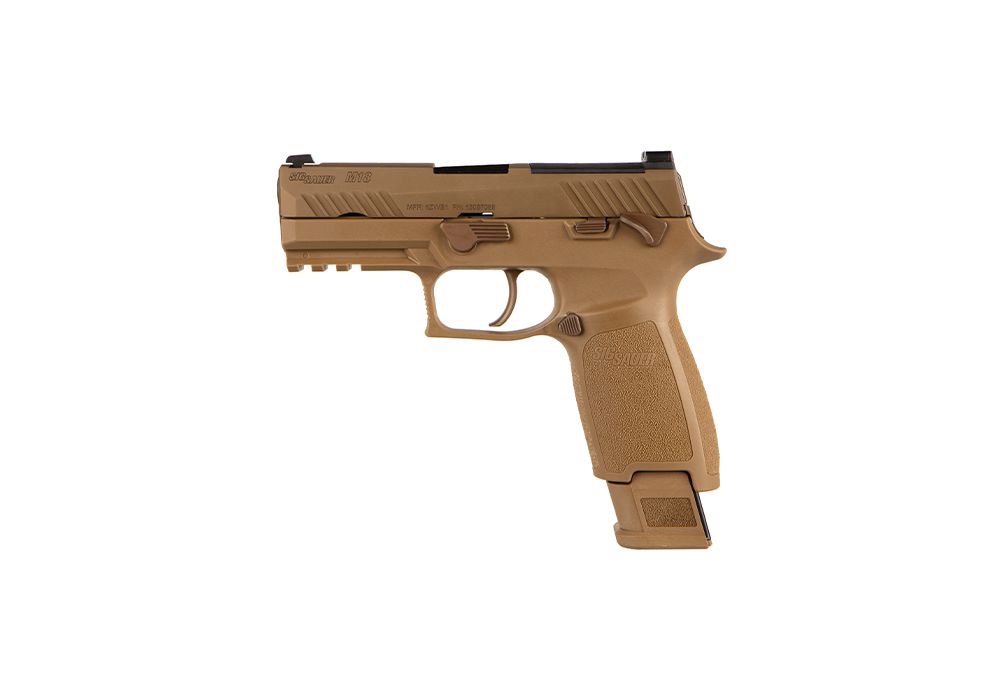
When the Army selected the SIG P320 as their new Modular Handgun System, they truly adopted a modular system. The serialized part is the Fire Control Unit and everything else can be swapped out. Already, several organizations have considered ways to use this modularity, like Air Force Office of Special Investigations which wants a sub-compact carry pistol.

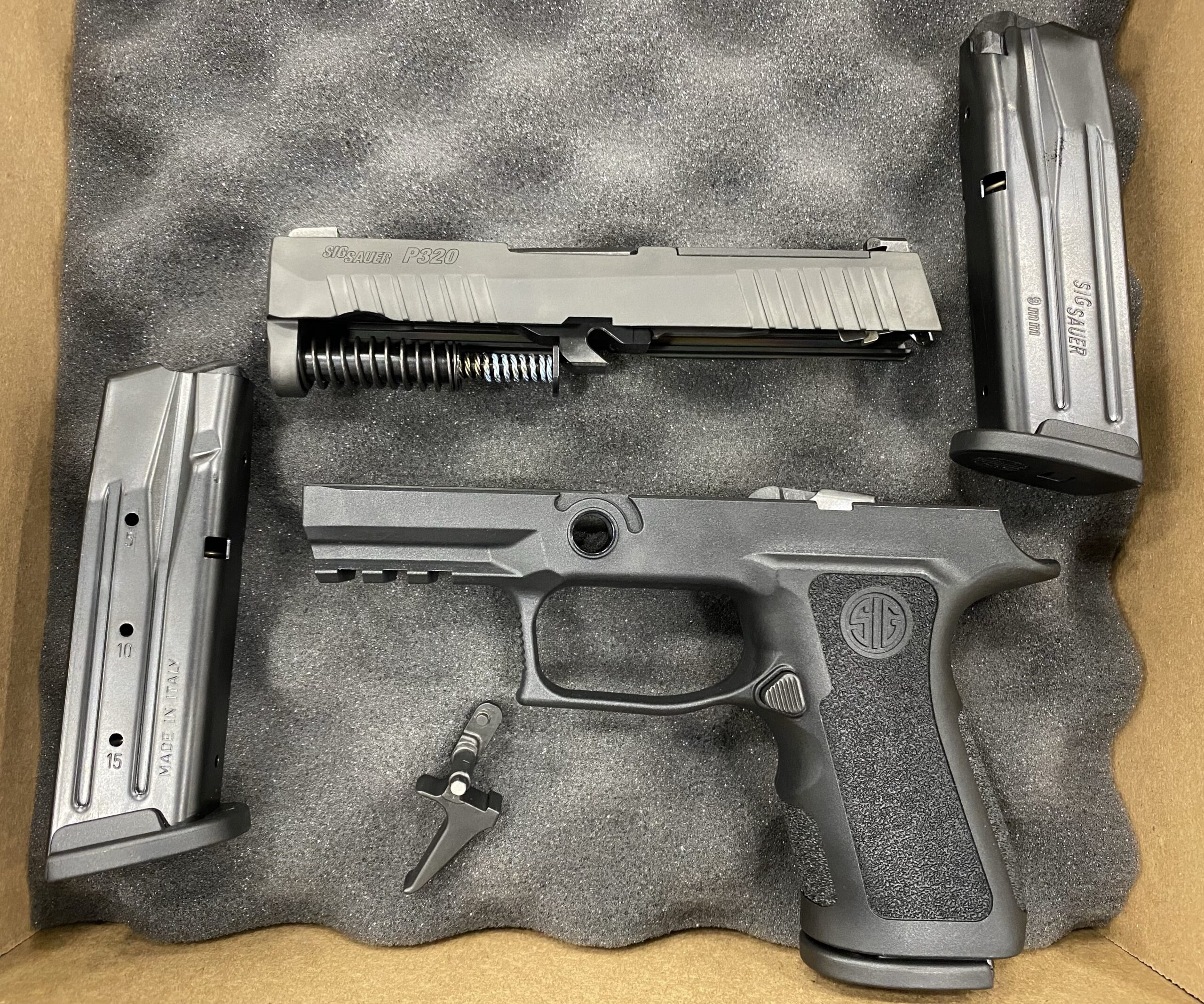
At Warrior East, SIG displayed a simple brown box which, when opened, contained the parts needed to convert a standard MHS M18 into an “MHX”, based on SIG’s X-Carry configuration. This kit is based on the OSI requirement for an M18 Gun Conversion Kit, but the reality is that there is a wide variety of OEM and after market parts and accessories which will work with the P320 platform to make it more effective for certain applications. For instance, you’ll note that while MHS is Coyote on color, OSI desires a Black pistol, to blend in better with their plain clothes, law enforcement role.

Expect more organizations to swap parts on their MHS as they complete fielding and units become more comfortable with the platform and what it can do.

Units and agencies can procure SIG products shown during Warrior East by contacting Atlantic Diving Supply.

Warrior East 21 – Velocity Systems Stealth Trauma Aid Minimalist Pack

Wednesday, August 4th, 2021

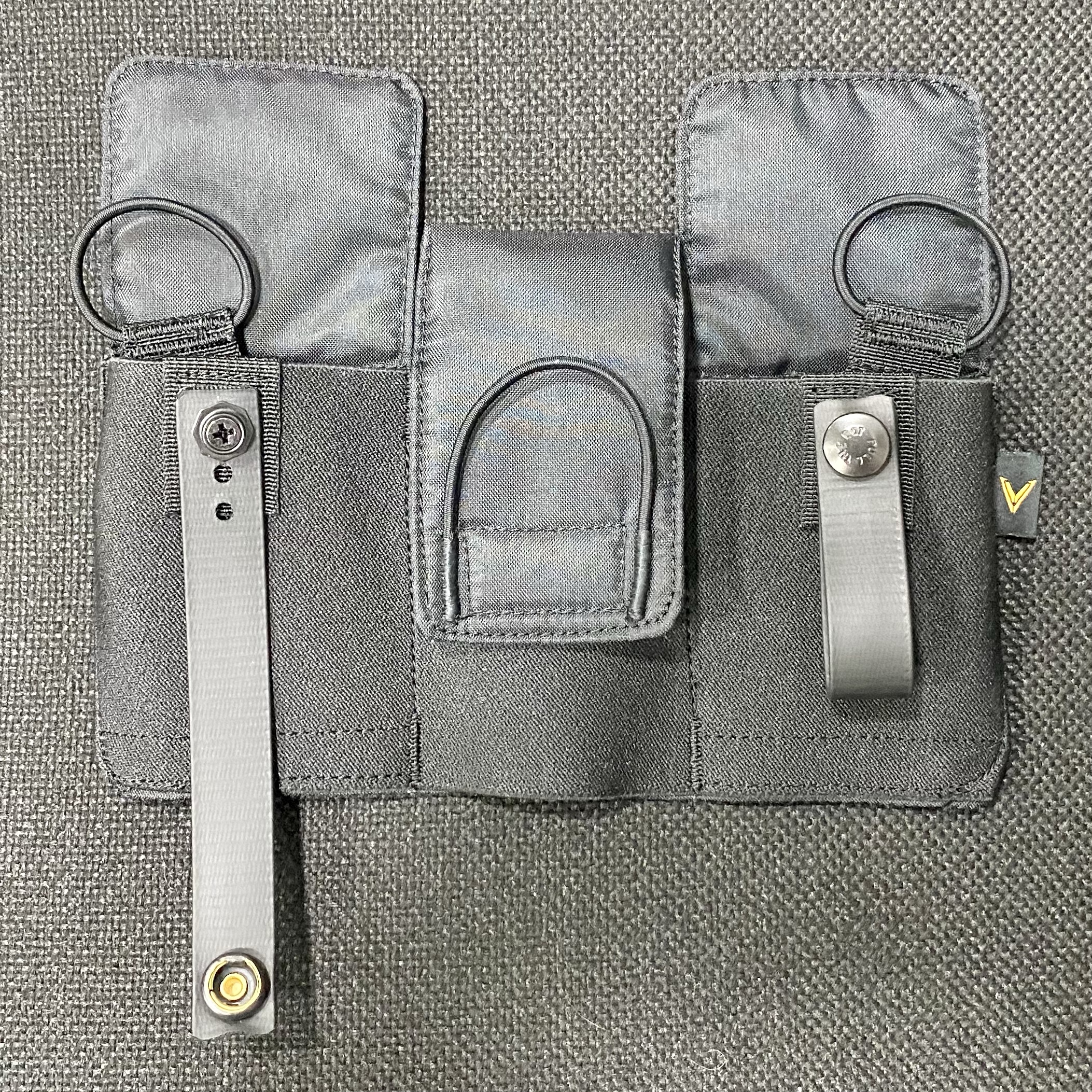
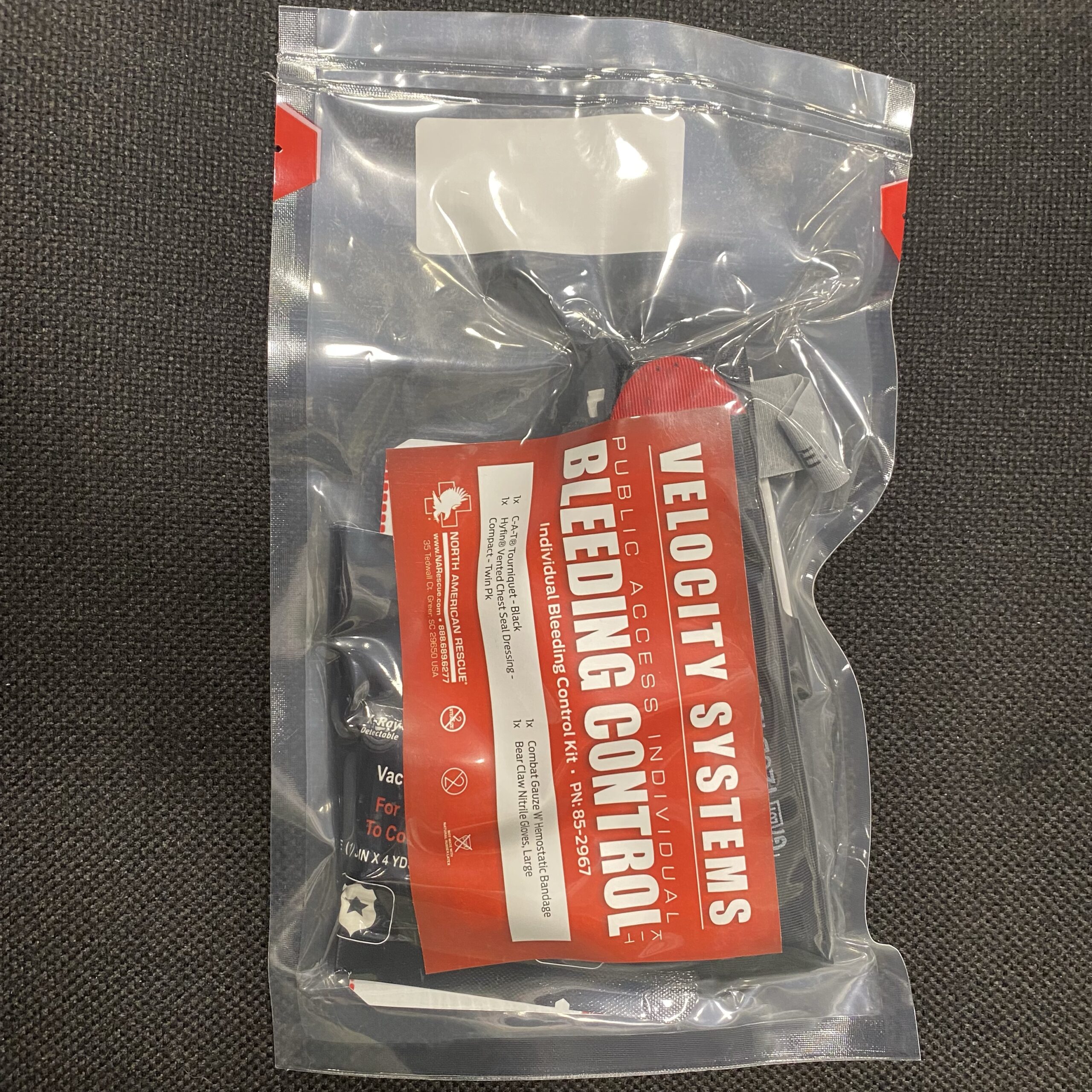
Velocity Systems’ new STAMP (Stealth Trauma Aid Minimalist Pack) is designed as a concealable medical kit worn at the small of the back.

With either inside or outside waistband wear, it carries Hemostatic Gauze, Chest Seal, Gloves, and CAT Tourniquet. Available both with med kit or just the pouch.

Units and agencies can procure Velocity Systems products shown during Warrior East by contacting Atlantic Diving Supply.

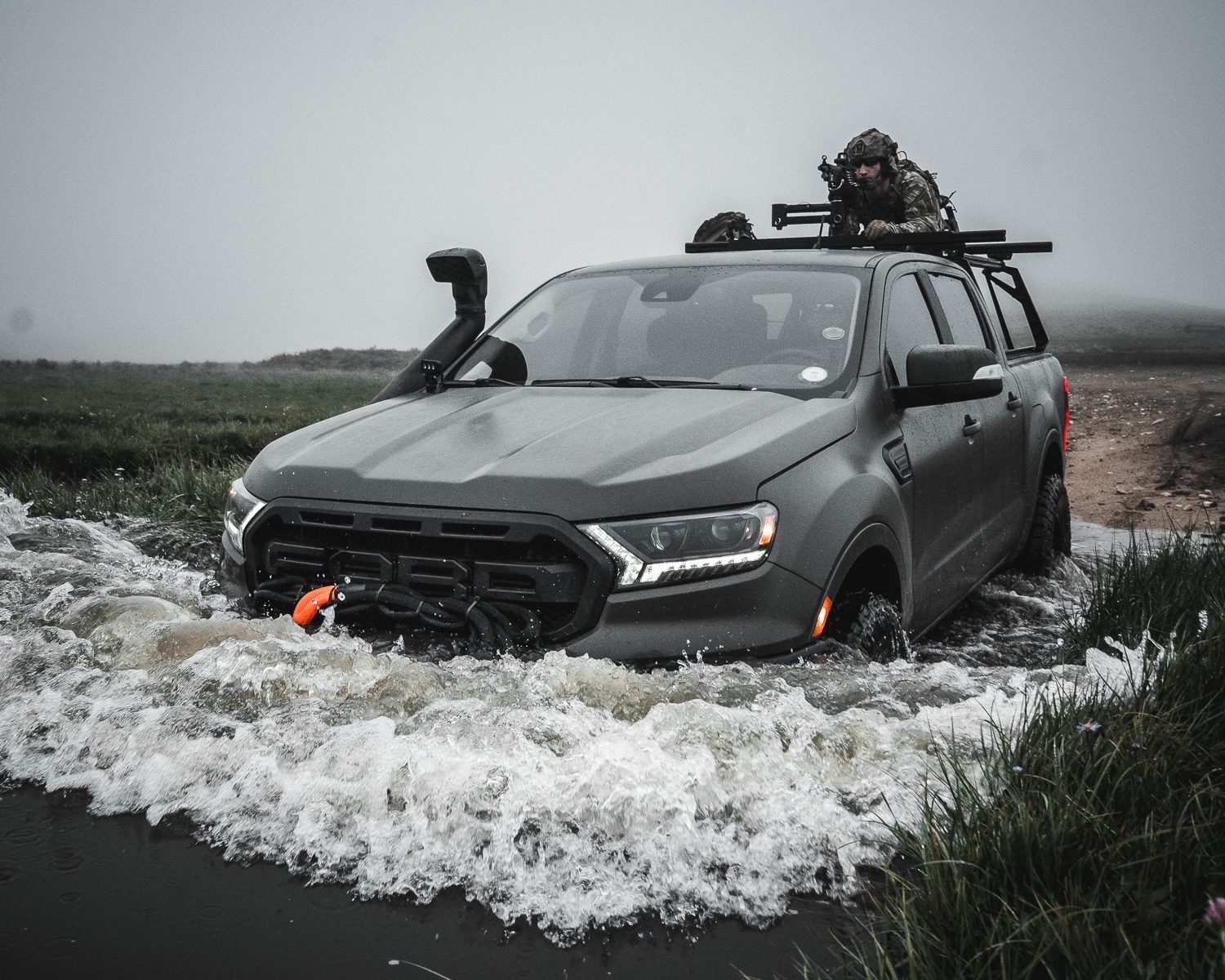
Clandestine Media Group’s New Gun Truck – The Specs

Wednesday, August 4th, 2021

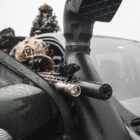
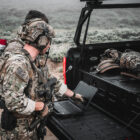
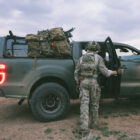
What started out as a 2021 Ford Ranger Lariat has now become one impressive gun truck thanks to the efforts of Clandestine Media Group.

Right up front you’ll note that it’s a Ford Ranger which might seem like an odd choice for a gun truck. CMG acknowledges this and explains that it’s nigh impossible to get an actual Toyota Hi-Lux in the US. Instead, they went for a Ford Ranger which is becoming more popular with foreign SOF.

Primary Sponsors:

Leitner Design Bed Rack ACS Forged with all accessories

Addictive Desert Design – Stealth Fighter Front and Rear bumpers with sliders

Camburg Suspension CAMBURG FORD RANGER 2WD/4WD 19-21 FOX 2.5 FACTORY DSC KIT

Grey Man Tactical interior and exterior molle systems plus accessories

Other Parts:

Method Race Wheels MR701 Black

Nitto Ridge Grapplers 285/75R17

Baja Design Lights

Warn VR EVO 10-S

Factor 55 Fairlead and UltraHook

Safari Snorkel

Truck Vault Bed System

Alpha Rex Headlights

The truck was built with the help and expertise of Colorado Adventure Rigs and High Country 4×4.

It’s used by the team for photo shoots and available to clients for marketing needs.

Learn more at www.clandestinemediagroup.com/blog/2021/8/2/clandestine-media-group-company-gun-truck-specs

Rheinmetall to Equip the Dutch Army’s Fennek Armoured Reconnaissance Vehicle with New Aiming Device

Wednesday, August 4th, 2021

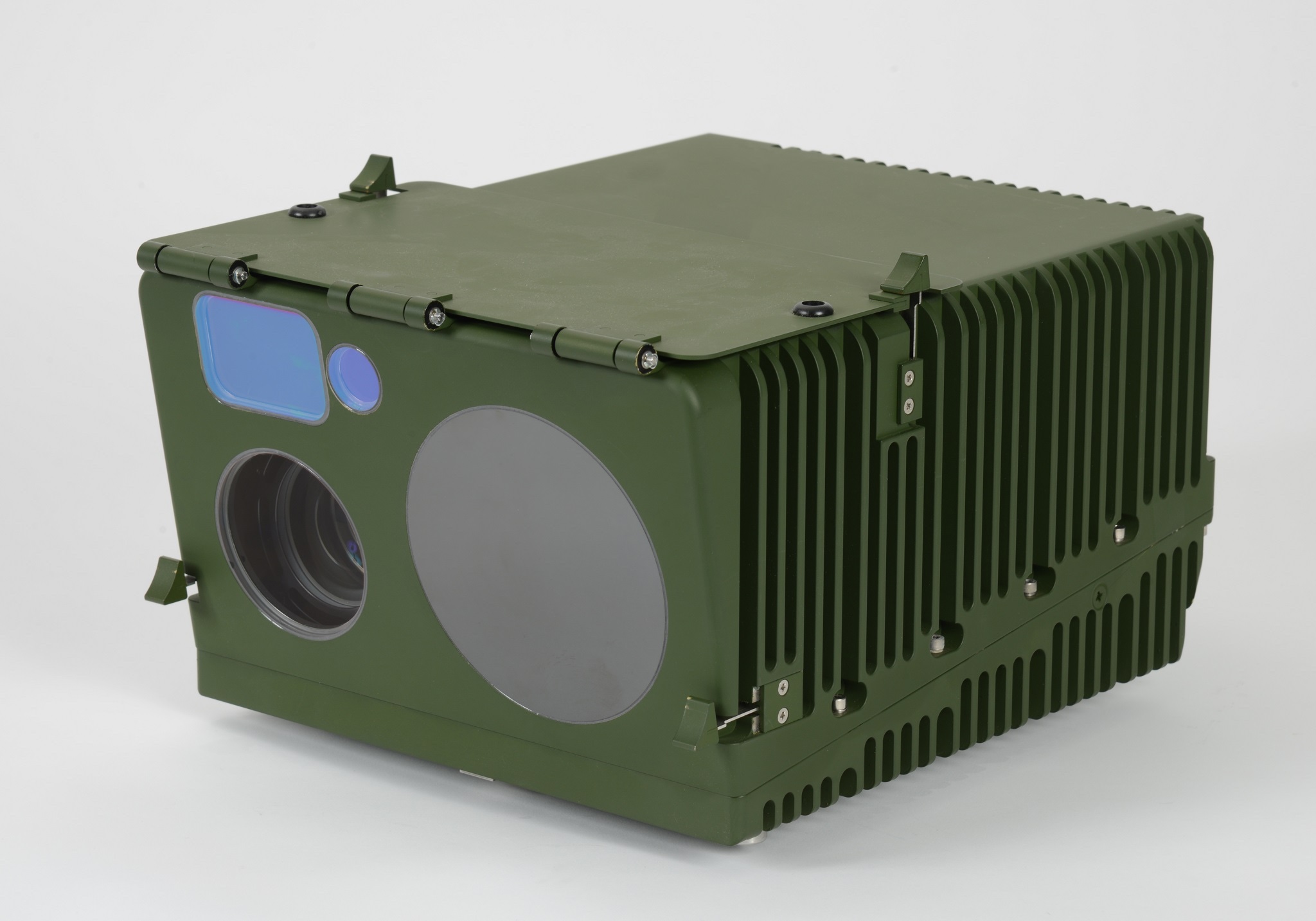
Rheinmetall will be equipping the Dutch military’s Fennek wheeled armoured reconnaissance vehicle with a new gun carriage-adaptable aiming device. The new device, the Lafettenadaptierbares Zielgerät 400, or LaZ400 for short, will replace the vehicle’s existing thermal imaging system, significantly enhancing the Fennek’s reconnaissance and target engagement capabilities. An order to this effect for 246 devices has been awarded to Rheinmetall Electronics through Krauss-Maffei Wegmann, the Fennek general contractor. The order is worth around €36 million, including value added tax. Due to be delivered through to 2027, the devices will be fabricated at the Rheinmetall Electronics plant in Ismaning in Bavaria.

The Lafetten¬adaptierbares Zielgerät 400 retrofit forms part of the Dutch military’s Fennek midlife upgrade programme. The Dutch armed forces will mount the LaZ400 on the vehicle’s 1530-type gun carriage. The new sensor system will supersede the thermal imaging device currently in use.

Already used in the Bundeswehr’s FLW200 remotely controlled weapon station, the LaZ400 is a tried and tested system. Its colour daylight sensor, thermal imaging sensor and laser rangefinder enable outstanding reconnaissance performance around the clock as well as precise engagement of targets.

Now official, the current order will bring the number of LaZ family devices now in use to over 2,700.

The order underscores once again Rheinmetall’s exceptional expertise in the world of advanced electro-optical sensor technology.

Gore Still Seeking Boot Testers

Tuesday, August 3rd, 2021

A few weeks ago we put out a call for boot testers on behalf of Gore, the makers of GORE-TEX, who is seeking US military personnel to try out cool weather boots made by Altama. They still need candidates for boot testing, particularly with smaller sized feet, sizes 8-9.

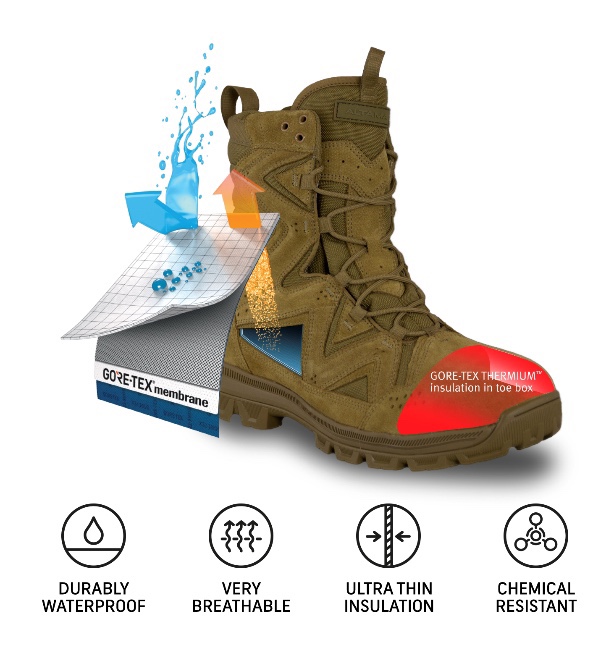
This Altama boot integrates two Gore technologies most of you have never encountered until now. GORE-TEX Thermium™ is a new insulation combining Gore’s expertise in polytetrafluoroethylene and silica aerogel, the world’s lightest solid element and best solid thermal protector which was developed by NASA. Thermium is ultra-thin, low-bulk, and non-compressible resulting in a lower profile boot than you’d expect for cold weather. The insulation is thermally mapped to target only areas where needed: around the toes, since they become cold first.

In addition, these boots also feature GORE-TEX Extended Comfort technology. Like all GORE-TEX, these boots will keep your feet dry from external water, but they are engineered with the next generation of footwear laminate technology for warm conditions which has a breathability ~2x higher than the existing technology. More breathability means more sweat can evaporate through the laminate, and more evaporation means more heat loss and less clamminess.

See the details here.

4D Tactical DELUXE Ops-Core Vented Lux Liner (VLL)/Lux Liner Retrofit Kit – Exclusive to TNVC

Tuesday, August 3rd, 2021

tnvc.com/shop/4d-tactical-zero-g-deluxe-ops-core-vll-lux-liner-retrofit-kit

TNVC and 4D Tactical are excited to announce the release of a highly requested, highly sought after new product, developed in collaboration with 4D Tactical! 

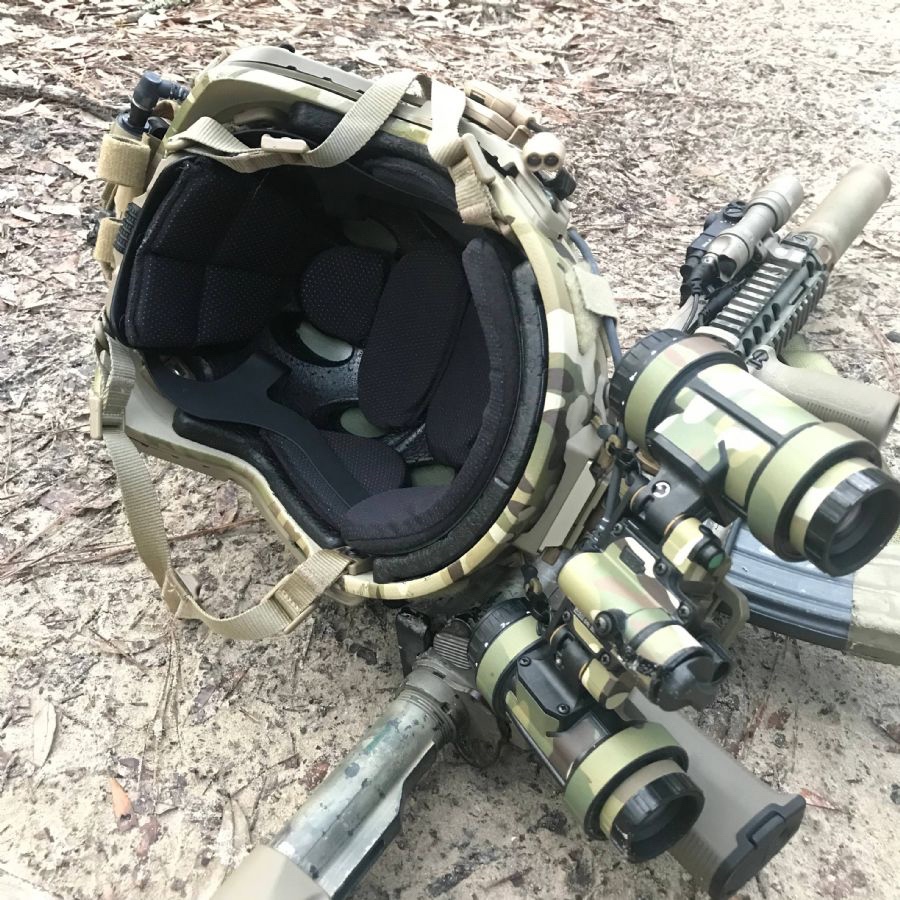
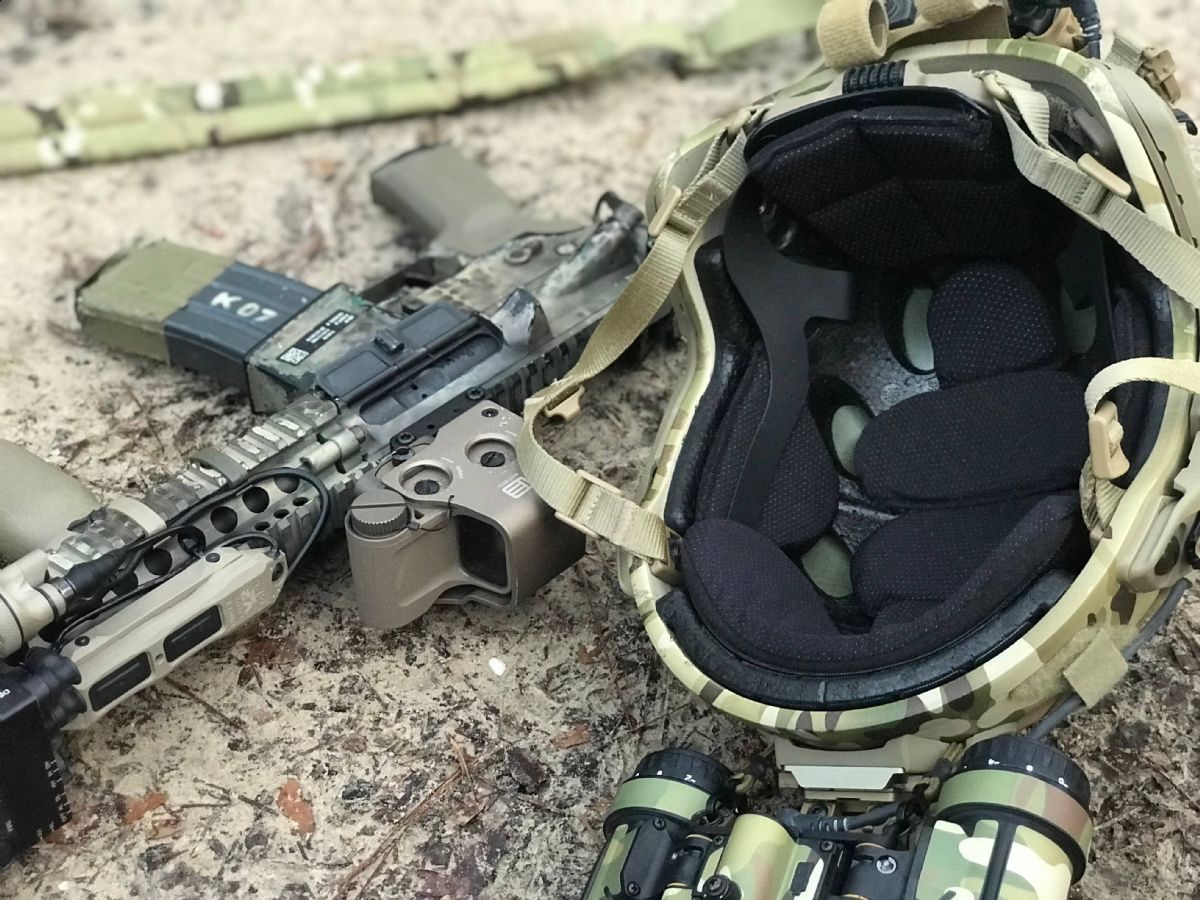
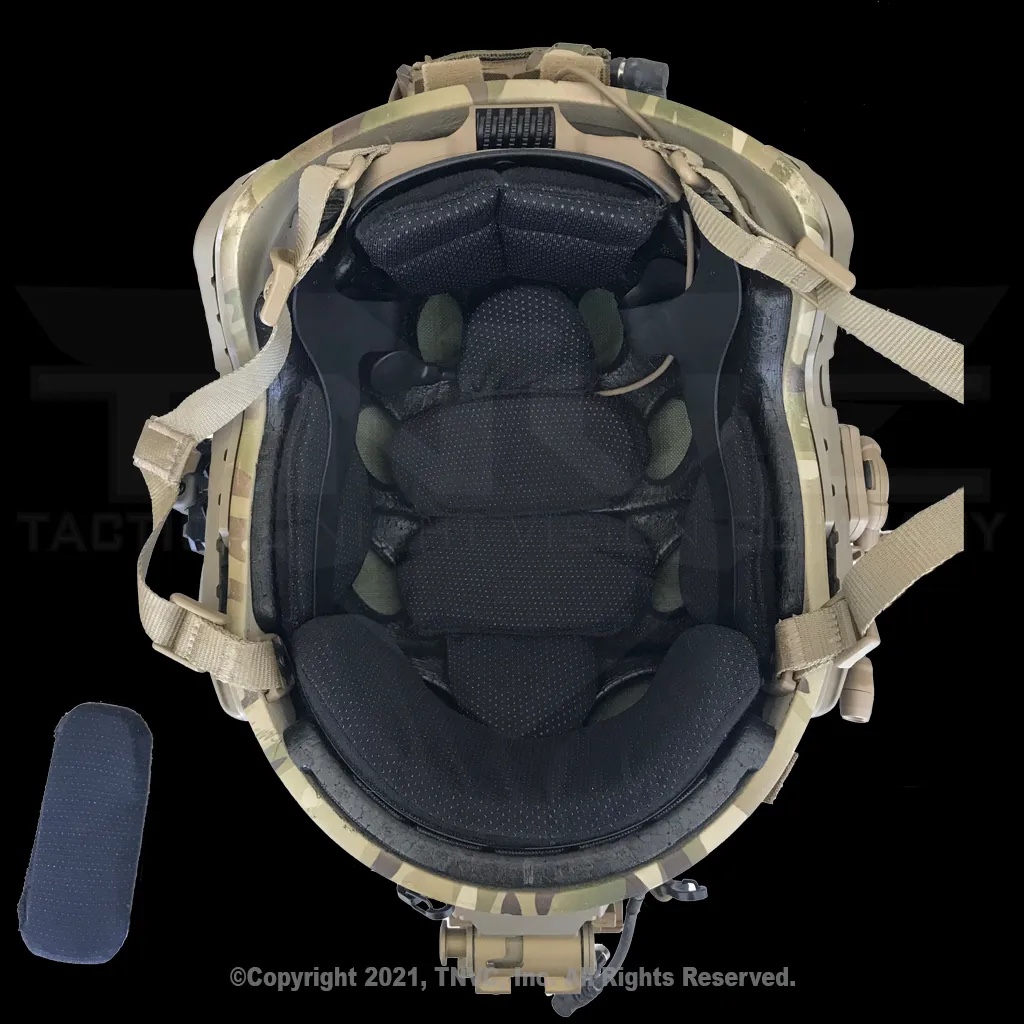
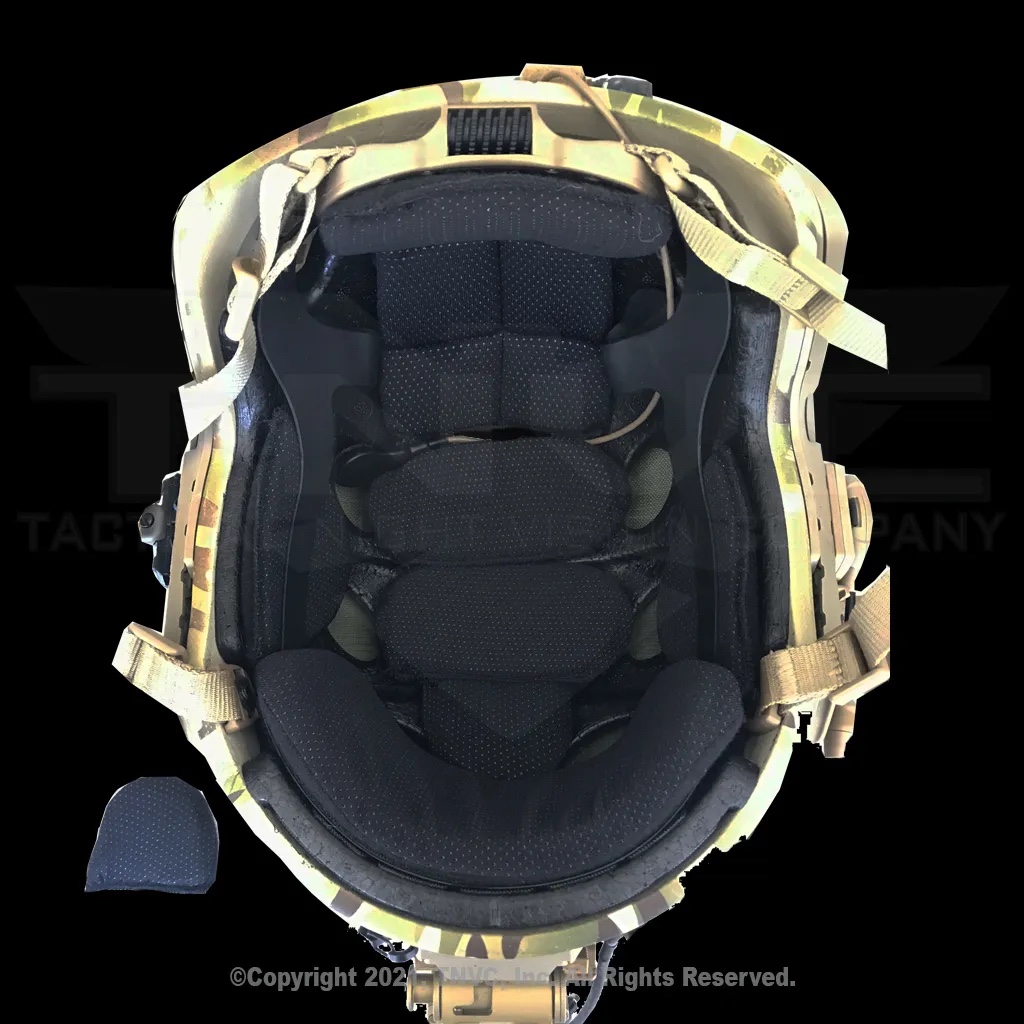
Developed exclusively for TNVC, the 4D Tactical DELUXE Ops-Core Vented Lux Liner (VLL)/Lux Liner Retrofit kit combines some of the very best helmet comfort pads with the best helmet liner/suspension system currently on the market, providing the ultimate in comfort, protection, and heat mitigation currently on the market.

While the Vented Lux Liner/Lux Liner system installed in most high end Ops-Core/Gentex helmet systems, including the FAST SF and USSOCOM FTHS is already one of the most comfortable helmet liner systems currently available, many users have expressed an interest in utilizing our popular 4D pad kits with their helmets.

However, because the Ops-Core Lux Liner/VLL is a fully integrated system, it is not directly compatible with other 4D Retrofit Pad Kits without removal of the Lux Liner and the excellent impact protection it offers. While the 4D Pads themselves offer excellent impact protection in lieu of the Lux Liner, it can be frustrating to have to remove the Lux Liner simply to install new pads. Moreover, depending on the type of Lux Liner, removing it can also interfere with the fit and function of the Ops-Core Fit Band suspension system, which again, is the best helmet suspension currently available on the market in terms of headborne systems and load stabilization and carriage.

To address this, TNVC has once again teamed up with 4D Tactical to develop a new DELUXE Retrofit Combat Liner which is a direct replacement for the existing Ops-Core Comfort Pads supplied with the FAST SF and other helmets utilizing the Vented Lux Liner or legacy Lux Liners, and while they are much thinner than traditional stand-alone 4D pads, the VLL/Lux Liner kit shares the same pedigree as all of the 4D Tactical pad kits. Originally developed for USSOCOM, these pads meet and exceed specification for ACH Blunt Impact and Ballistic Protection – even exceeding many standard issue, OEM, and aftermarket suspension system offerings (according to independent and DoD lab testing (USMC SMART-TE ACH Test).

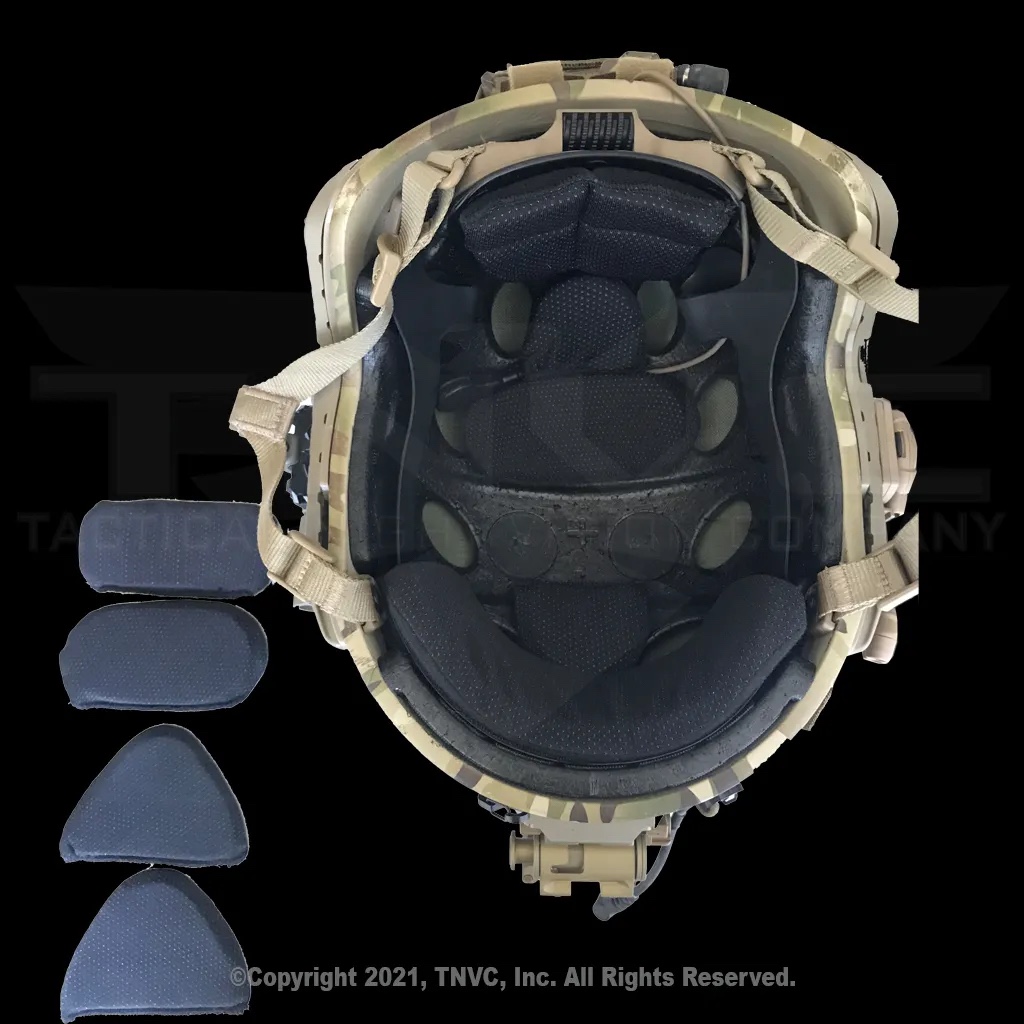
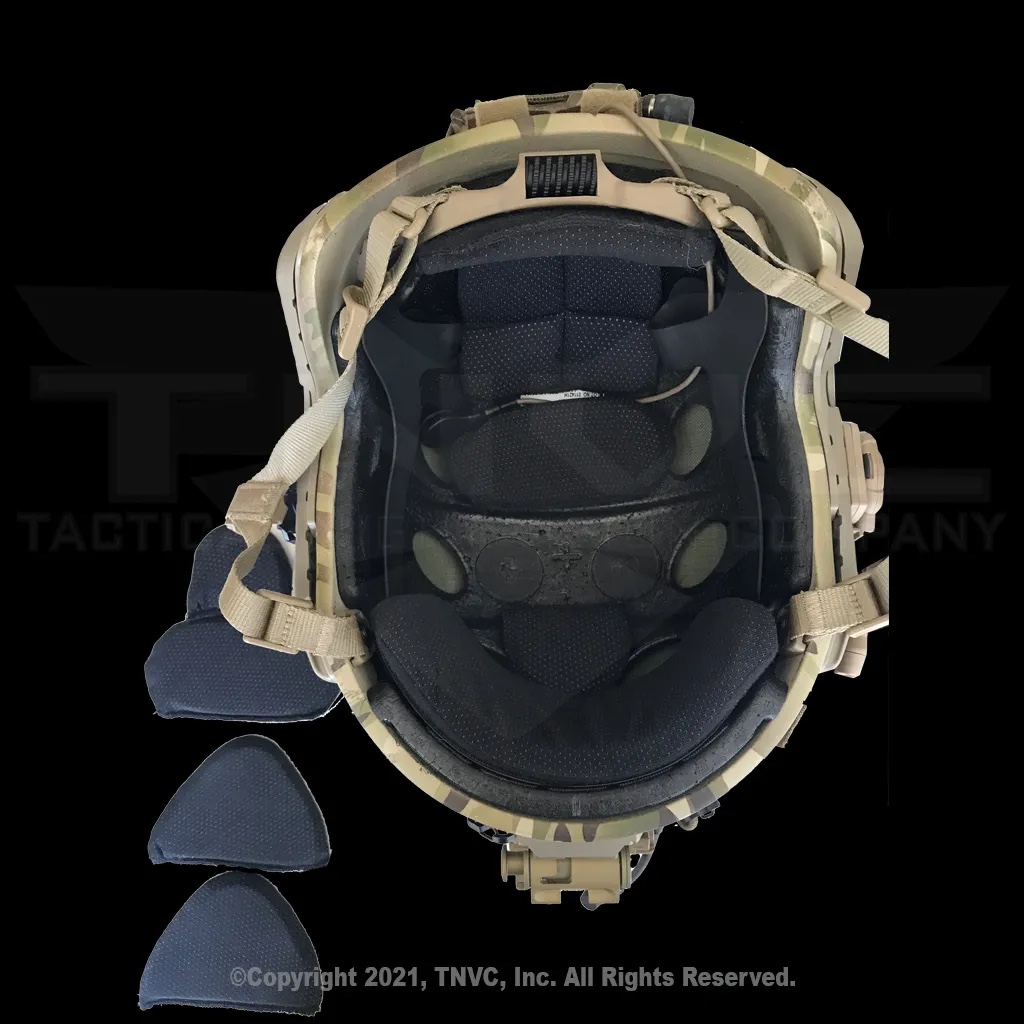
The 4D Tactical Zero G DELUXE Ops-Core VLL/Lux Liner Retrofit Kit comes in one (1) configuration that is universally adaptable to ALL Lux Liner variants and helmet configurations, and includes:

   1. Front/Brow Pad
   2. Ops-Core Nape Pad
   3. Ovals (2)
   4. Half Ovals (2)
   5. HIVE Pads (2)
   6. Ops-Core Universal Nape/Rear Pad

The Universal Nape Pad is a brand new custom pad developed for the VLL/Lux Liner kit, and designed to work with the new optional Ops-Core Universal Nape Pad that can be used to either replace the standard small Ops-Core Nape Pad, or be used as a rear pad on the inside of the Lux Liner in conjunction with the standard nape configuration, and features stitched ventilation channels, offering superior flexibility to conform to the most variable part of users’ skull geometry in addition to improved cooling.

This nine (9) pad DELUXE Kit can be configured in multiple different configurations depending on the user’s preferences and Lux Liner/suspension/comms configuration, users can choose one of the recommended configurations below or mix and match pads that best suit their needs and provide the best comfort and fit:

(all configurations use the standard front/brow pad)

CONFIGURATION A, Universal Nape Pad + Helmet Mounted Comms/No Comms: Universal Nape Pad, 2 ovals and 2 half ovals in crown, 2 HIVEs on either side

CONFIGURATION B, Standard Ops-Core Nape + Helmet Mounted Comms/No Comms: Ops-Core Nape Pad, Universal Nape Pad as Rear Pad, 2 ovals, 1 half oval in crown, 2 HIVE pads on the side

CONFIGURATION C, Universal Nape Pad + Over-the-head (OTH) Comms: Universal Nape Pad, 1 oval and 2 half ovals in crown

CONFIGURATION D, Standard Ops-Core Nape + OTH Comms: Ops-Core Nape Pad, Universal Nape Pad as Rear Pad, 1 oval, 1 half oval in crown

The Zero G Deluxe Retrofit Combat Liner is a rate and temperature sensitive material that conforms to the wearer’s unique head shape. The materials provide unparalleled comfort, fit, and stability. All pads are covered in a heat and moisture wicking NanoTech anti-microbial fabric. It is designed to draw perspiration away from the head and will actually cool the wearer through this evaporative process. The Zero G Deluxe Retrofit Combat Liner is Berry Amendment (10 U.S.C 2533a) Compliant.

One Size Fits All.

Compatible with all Ops-Core Lux Liner and Vented Lux Liner Configurations and Ops-Core FAST SF/FTHS Family.

NOT compatible with non-Lux Liner configurations, MAY work with other manufacturers’ helmets utilizing circumferential impact liner layers. Fit is not guaranteed on non-Gentex/Ops-Core helmets.

NO RETURNS ACCEPTED ON OPEN PAD KITS for hygienic reasons.

tnvc.com/shop/4d-tactical-zero-g-deluxe-ops-core-vll-lux-liner-retrofit-kit

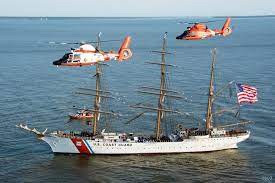
SCUBAPRO Sunday – Happy Birthday U.S. Coast Guard

Sunday, August 1st, 2021

The formal history of the Coast Guard dates to August 4, 1790, when the first Congress ordered the building of 10 vessels to enforce federal tariff and trade regulations and combat smuggling. The Coast Guard, also known as the Revenue Marine and the Revenue Cutter Service in the nineteenth and early twentieth century, rose in number and responsibility as the country grew. The Coast Guard is one of the federal government’s oldest agencies, and until Congress founded the Navy Department in 1798, it was the country’s only afloat armed force. Throughout their lengthy history, the Coast Guard has defended the country and has proudly served in all of the country’s battles. Even now, our national defense responsibilities are one of our most critical functions.

The service was given its current name in 1915 when Congress combined the Revenue Cutter Service and the Life-Saving Service to create a unified maritime service focused on saving lives at sea and enforcing the nation’s maritime laws. When President Franklin D. Roosevelt ordered the transfer of the Lighthouse Service to the Coast Guard in 1939, the Coast Guard began to maintain the country’s aids to marine navigation, including running the nation’s lighthouses.
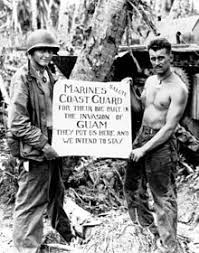
During World War II, the Coast Guard’s participation in amphibious operations was possibly the most critical war-related task the organization undertook. Surprisingly, the Coast Guard operated about 350 naval ships, including 76 LSTs, 21 cargo and attack-freight ships, 75 frigates, and 31 types of transport. In addition, the Coast Guard had almost 800 cutters, nearly 300 Army ships, and thousands of amphibious assault vessels on standby.

A group of small landing craft sped toward the beaches of Guadalcanal on September 27, 1942. About 500 troops from Col Lewis B. “Chesty” Puller’s 1st Battalion, 7th Marines were huddled on the beach, fighting for their life.
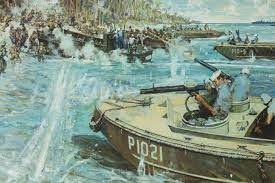
The Marines had landed on the beach earlier that day by the same group of landing craft, and now they were being retrieved. Coast Guard Signalman 1st Class Douglas Munro guided his LCVP between the departing Marines and the Japanese as the LCVPs (Landing Craft, Vehicle, Personnel) and LCMs (Landing Craft, Mechanized) approached the shore. Munro permitted the landing craft to safely evacuate all the Marines, including the injured, by placing his craft between the men on the beach and the enemy.

Munro guided his vessel away from the beach as the last men boarded. When the skies were nearly clear, Japanese gunfire struck Munro, killing him instantly. Munro received the Medal of Honor after his death. Given the Coast Guard’s rescuing legacy and the pivotal role the service played during WWII, it’s fitting that the service’s lone Medal of Honor recipient was involved in not only a rescue but also an amphibious operation.

The Bureau of Marine Inspection and Navigation of the Commerce Department was permanently transferred to the Coast Guard in 1946, bringing merchant marine licensing and merchant vessel safety under their jurisdiction.
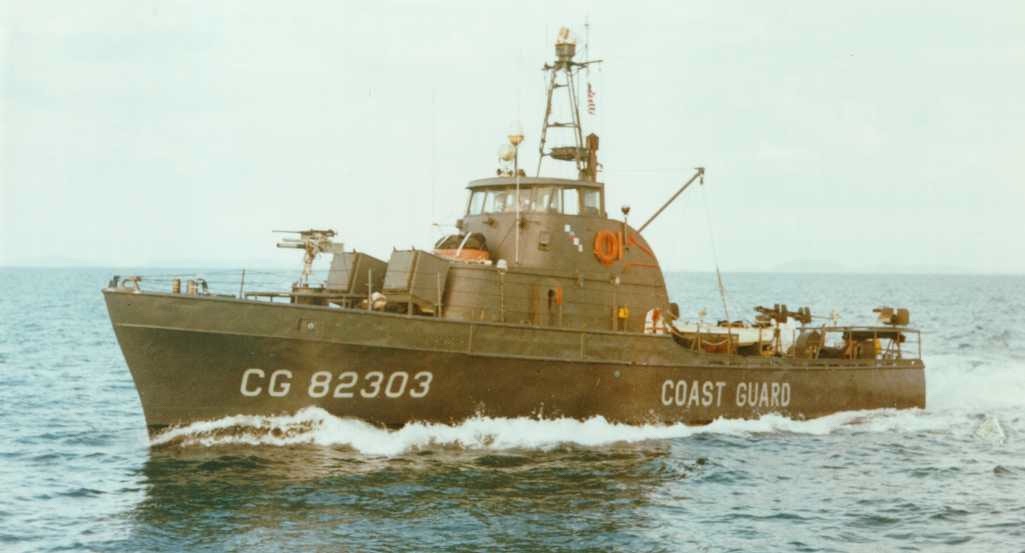
The Coast Guard also played a significant role in Vietnam, doing everything from installing aids to navigation to supporting the war on the rivers and in the sky. The installed and manned Long-Range Aids to Navigation (LORAN) stations, allowing mariners and aviators to fix their positions correctly. The initial goal of the LORAN system was to offer electronic aids to mariners and aviators in places where there were no surface aids, relatively unexplored waters, or skies that were regularly clouded.

The Navy’s campaign to minimize coastal infiltration was aided by Coast Guard cutters, forcing communists to rely on the Ho Chi Minh Trail to maintain their insurgency in the south. According to wartime records, Coast Guard cutters boarded a quarter-million junks and sampans and took part in 6,000 naval firing exercises.  The LORAN station in Tan My, Vietnam (U.S. Coast Guard) port missions caused significant damage to the enemy.

The Coast Guard-Air Force Aviator Exchange Program brought together Coast Guard and Air Force pilots. The program included two Coast Guard C-130 pilots, while the rest of the aviators were HH-3 helicopter pilots. The first of several Coast Guard helicopter pilots were posted to the Air Force’s 37th Aerospace Rescue and Recovery Squadron at Da Nang in the spring of 1968. Four Silver Star Medals, 15 Distinguished Flying Crosses, and 86 Air Medals were among the medals and awards given to Coast Guard aviators as a result.
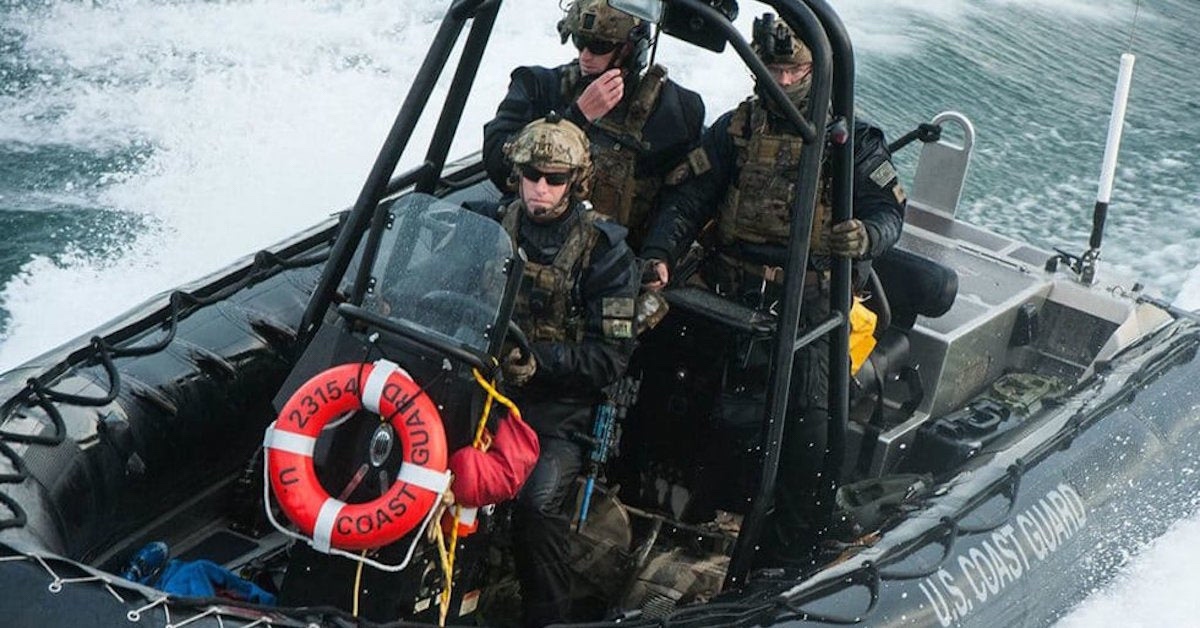
The Coast Guard has been part of the Department of Homeland Security since 2003, serving as the nation’s front-line agency for enforcing maritime laws, preserving the marine environment and the country’s enormous coastline and ports, and saving lives. Following the terrorist attacks of September 11, 2001, the Coast Guard underwent significant modifications as part of the War on Terror. Before the 9/11 attacks, the Coast Guard used boat stations and cutters to safeguard U.S. ports, waterways, and coastlines. After the attacks, the Coast Guard shifted resources to serve additional maritime security functions required in the post-9/11 environment.

President George W. Bush signed the Maritime Transportation Security Act (MTSA) in 2002 to secure the nation’s ports and waterways from terrorist threats. The MTSA established a Coast Guard maritime security unit as part of the Department of Homeland Security’s layered approach to protecting seaports and waterways. The Coast Guard formed Maritime Safety and Security Teams (MSSTs) in the same year to assist the Ports, Waterways, and Coastal Security missions and provide non-compliant vessel boarding capabilities for service missions. Waterside security, marine law enforcement, and K-9 explosives detection units are among the 11 MSST teams that exist today.
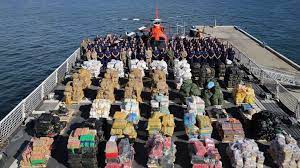
Military force protection, U.N. General Assemblies, national political conventions, international economic summits, disaster relief efforts, and major sporting events such as the Super Bowl have been MSST duties. They play a significant role in the war on drugs and keeping our streets safe. In F.Y. 2019, the Coast Guard removed 207.9 metric tons of cocaine and more than 63,000 pounds of marijuana from getting into the U.S. and Canada.

Lastly and possibly most importantly, they responded to 19,790 Search and Rescue cases, saved 3,560 lives, and more than $77 million in property. Some of the 3,560 are fishermen in Alaska, and the Coastie’s put their lives on the line every day to keep them safe.

Happy Birthday Coast Guard
FirstSpear Friday Focus: FS Technology & V19 Now Available

Friday, July 30th, 2021

FirstSpear® Technology Group LLC is the sister company and industry outreach partner of FirstSpear® LLC. FSTG operates independently to develop, acquire, promote, integrate and protect technological innovation in the areas of Personal Protective Equipment, Load Carriage, and Technical Apparel.

FirstSpear® is in the business of providing innovative solutions to long unanswered challenges. Our patented Tubes® technology reaffirms that position. Quick to close and even quicker to doff, Tubes® fasteners are manufactured from lightweight high-performance polymers that exceed the strength of other molded fasteners currently used on operational equipment. Molded in signature suppressive colors and with a variety of choices for activation, this closure system can be rapidly deployed and completely reassembled in SECONDS. Tubes® technology will improve performance, enhance mission functionality, and reduce weight.

In addition to Tubes® technology, FirstSpear is known for its 6/12™ and 6/9™ Laser Fusion technology which provides up to 50% reduction in weight and significantly less bulk. The FirstSpear 6/12™ technology eliminates these components, achieving a 20%-40% reduction in weight per standard Assaulter configuration when compared to current pocket attachment systems. The FirstSpear 6/12™ Pocket Attachment System is battle-proven. It utilizes state of the art fabric technologies to deliver a completely modular system, compatible with standard MOLLE pockets.


We have just published the 19th iteration of our catalog (V19) is now available. For new products and to see the catalog check out, www.first-spear.com/catalog. For more information on technology, check out first-spear.tech.